Written by CorpsAfrica/Senegal Volunteer Mr. Hameth Ndoye
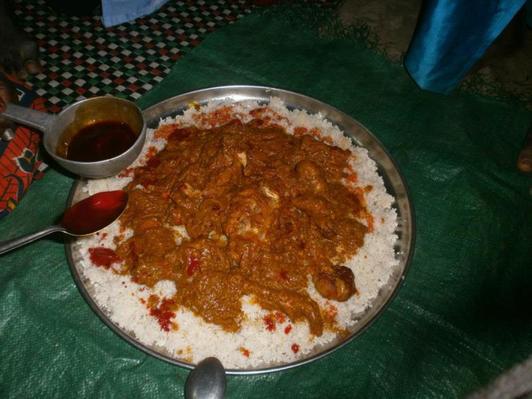
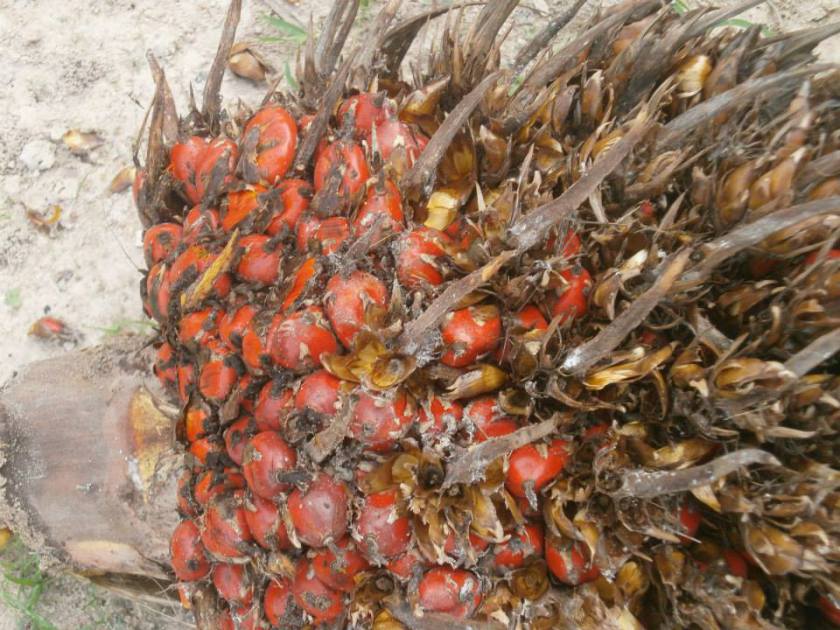
The palm fruit tree occupies a very important place in the Diola Culture, and today we will choose the palm in its usefulness to eat, and for that, I will help you discover the different steps to prepare Fi Teuf.
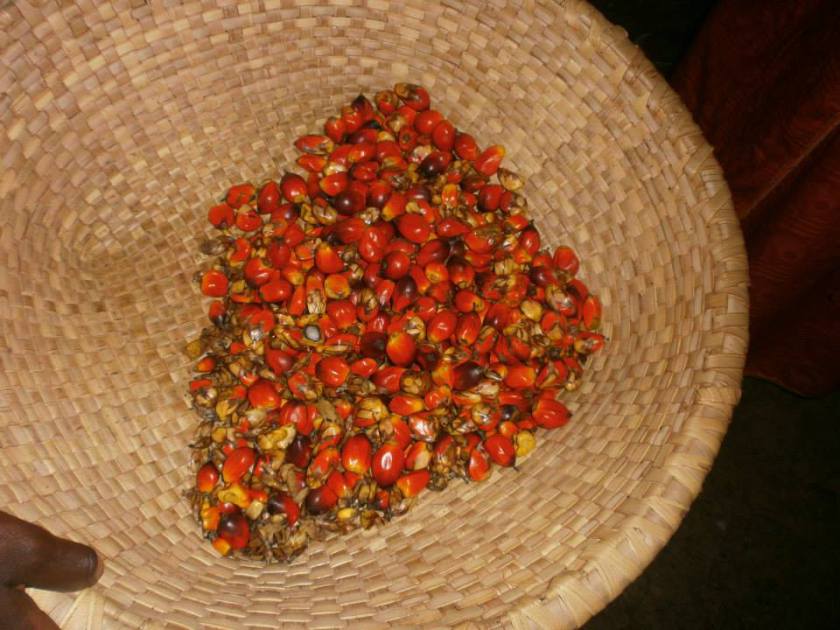
First one must go up on the palm tree to get the palm nuts, then retrieve the nuts from the root. Once this work is done by men, it is time for the women to take over.
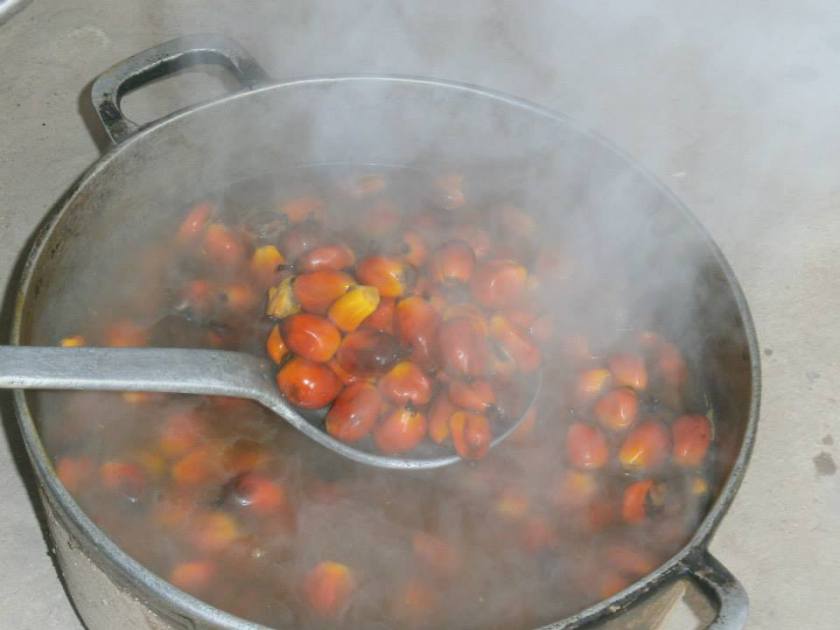
The women boil water in a pot with the palm nuts.
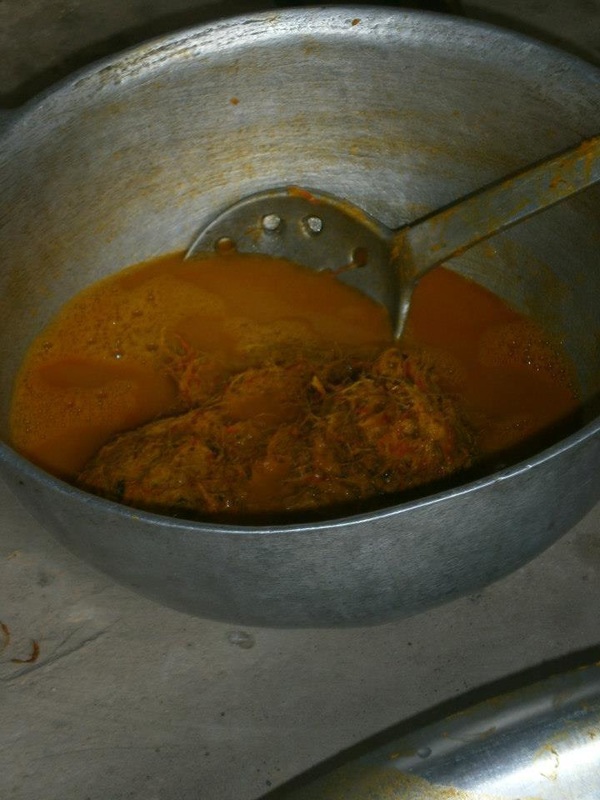
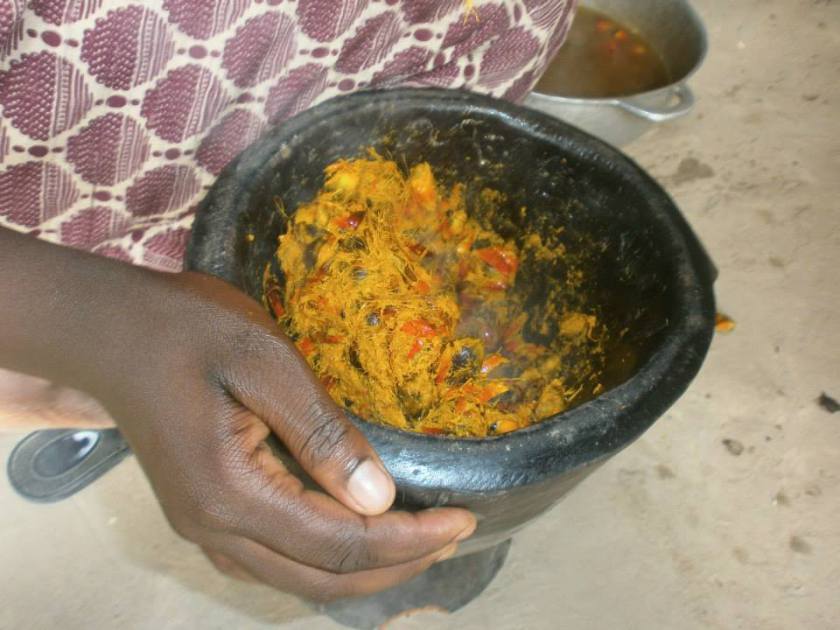
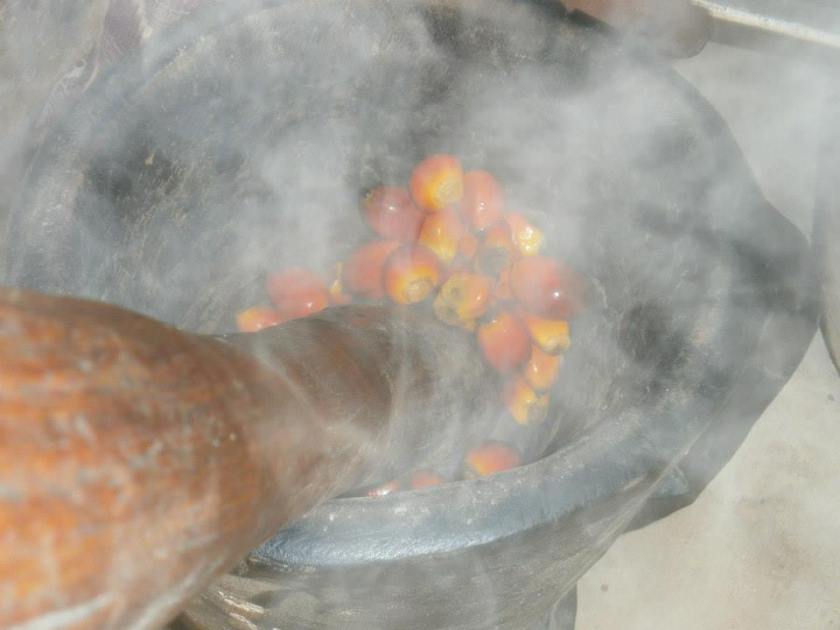
Once finished, more hot water is poured into the mix, then the juice is filtered to get the liquid that is now the oil palm wine.
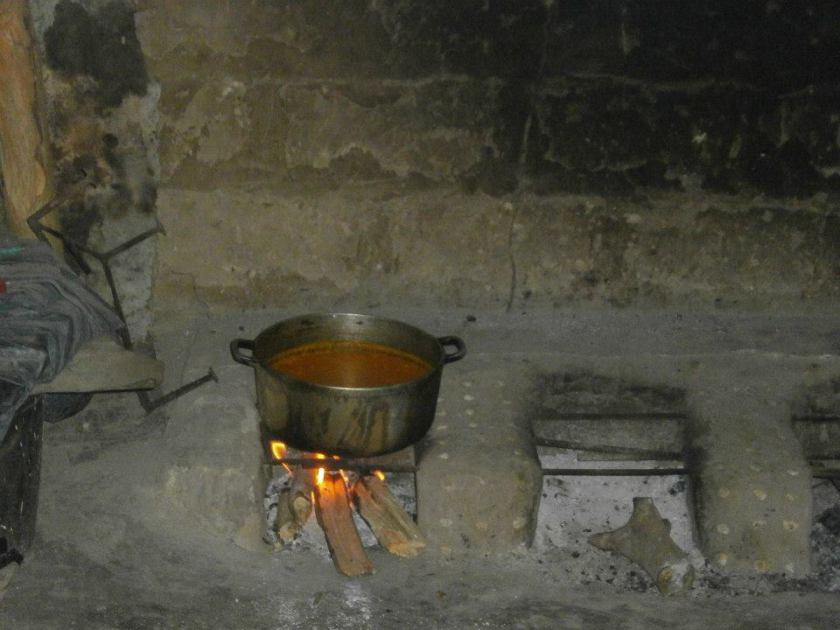
This oil palm wine is placed on the fire under high heat, and then vegetables and fish or a choice of meat can be added to the sauce. Rice can be cooked aside.
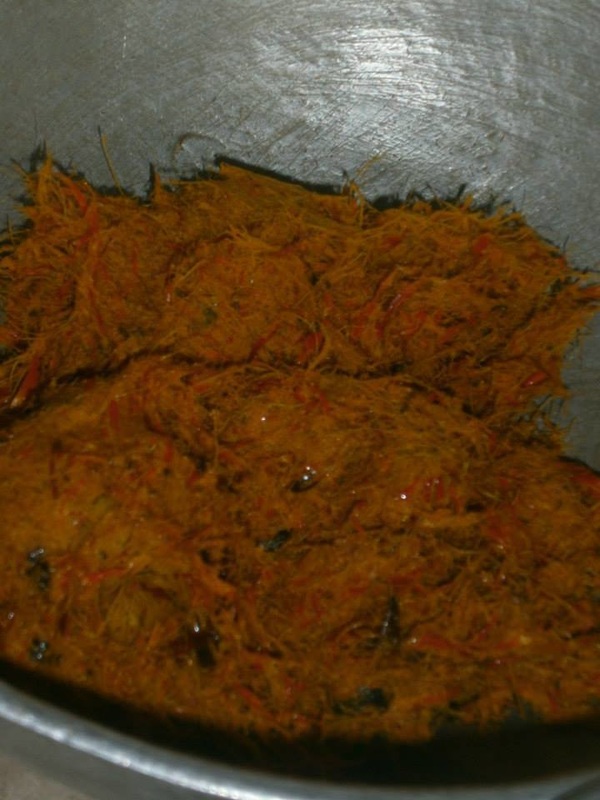
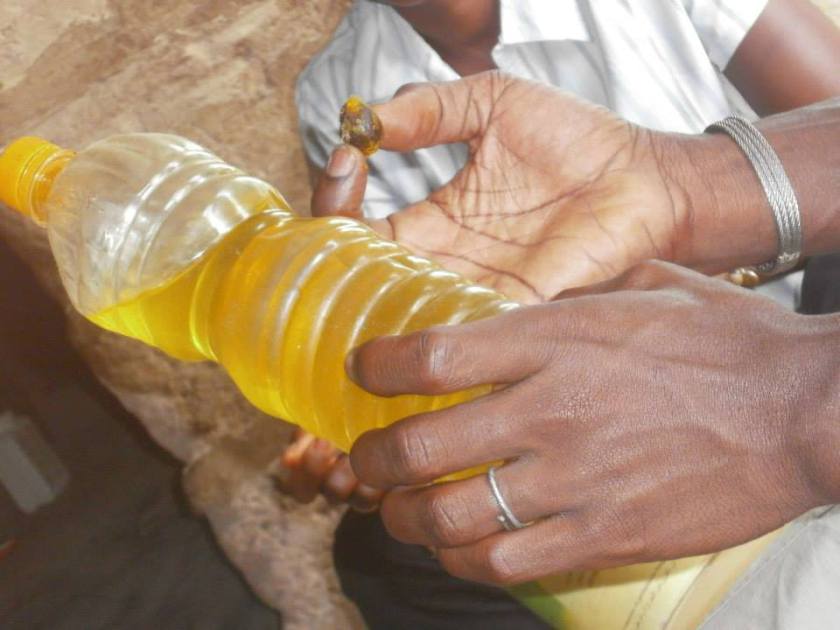
This is the Fi Teuf’s recipe. The used nuts can also be crushed to produce the palm oil that can be used in cooking meals. The residue of palm wine is given to animals but also can be used to light a fire.
Palm oil is marketable and is a great source of income for women, especially since it is a typical resource of Casamance, even in Cabrousse in Senegal.