I am currently doing my community-led volunteer service in Selepe, a small and privately owned community in the Moretele District of the North West province. It is a place that may appear quiet at first glance, but once you spend time there, you realise how full it is of knowledge, resilience, and deeply rooted ways of living. My role here is flexible by design. I volunteer my time wherever and whenever I am needed, sometimes as a guest, sometimes as a volunteer, and other times as a facilitator. This fluidity has allowed me to truly integrate into the rhythm of the community rather than observe it from the outside.
Selepe is home to only a few residents. Over the years, many people have migrated to Gauteng and other provinces in search of better work opportunities and living conditions. Those who remain, however, carry immense skill and wisdom, particularly when it comes to working with their hands and living off the land. Farming is not just an economic activity here; it is a way of life. Livestock farming and crop farming are common, and some households even maintain kitchen gardens that support daily food needs. People rely on the natural minerals and resources that already exist around them, using what the land provides to make a living. There is something humbling about witnessing this level of self-reliance in a world that often depends heavily on external systems.
One of the most memorable moments during my integration phase was learning about how the community comes together during a tombstone unveiling. This experience gave me a deeper understanding of collective care, respect, and tradition. In Selepe, the process begins as early as Wednesday morning. Elderly women are usually the first to arrive at the bereaved family’s household to pay their respects. Their presence is quiet but powerful, grounded in empathy and shared understanding.
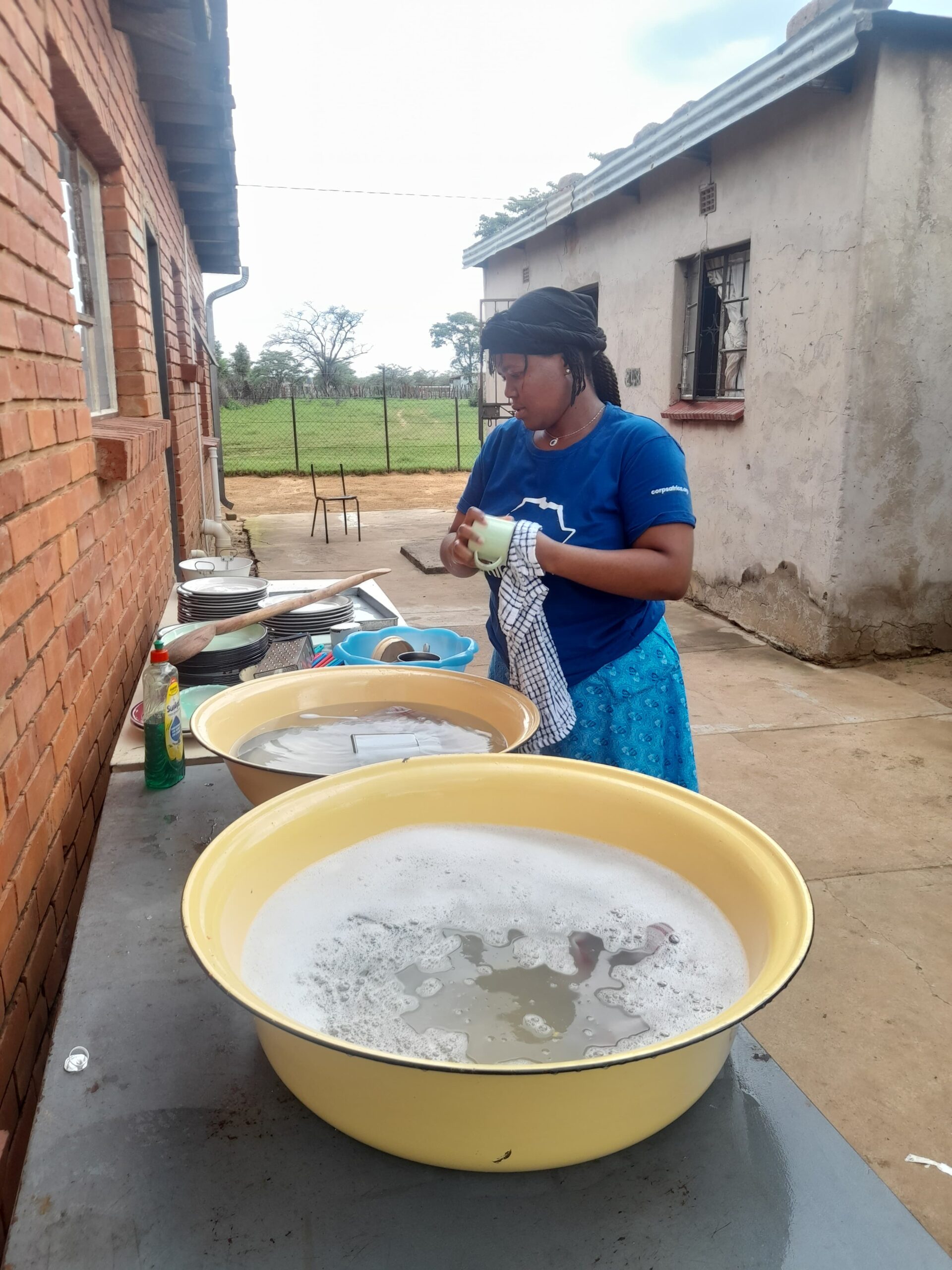
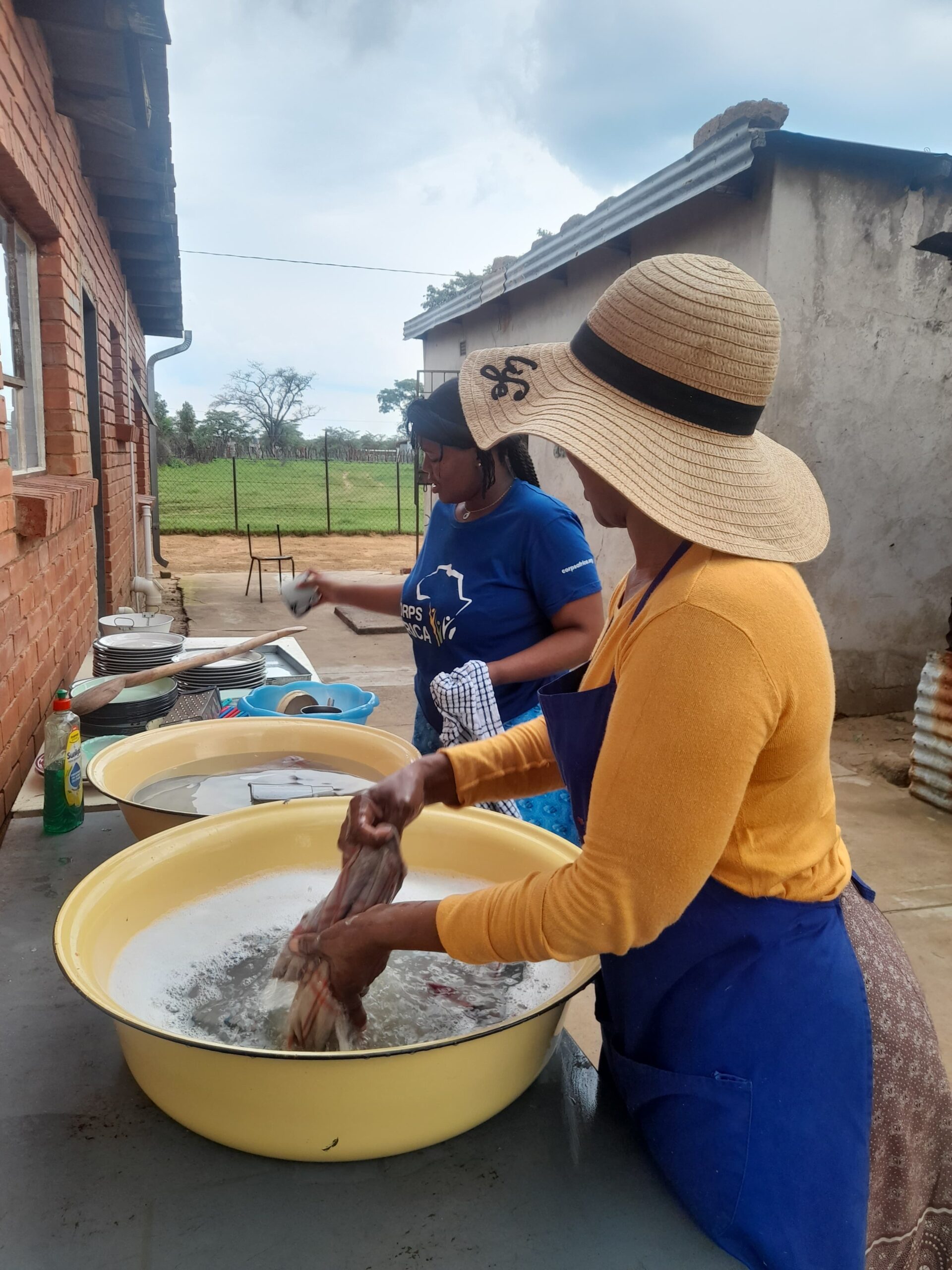
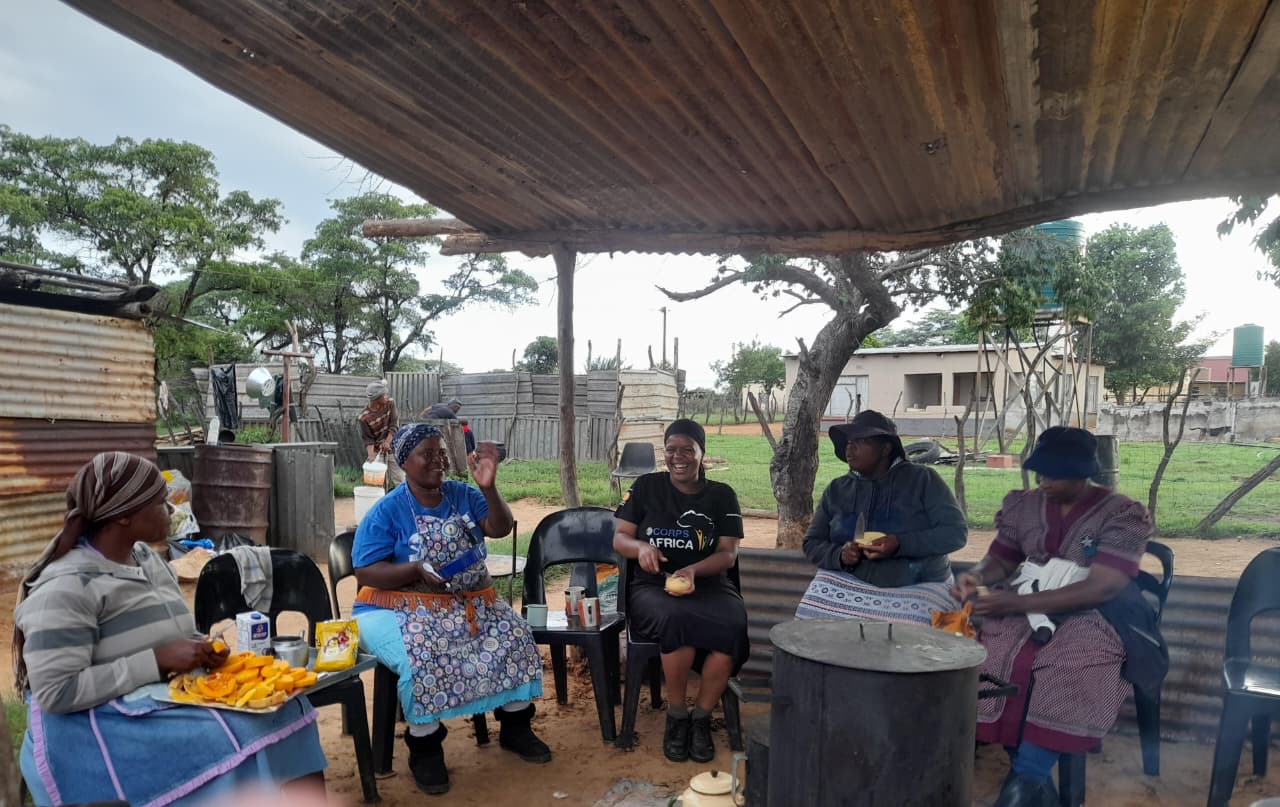
As the week progresses, the younger generation, mostly women and youth, steps in to support the family in practical ways. They help with chopping and cutting vegetables, washing dishes, and easing the general workload that comes with preparing for the unveiling. Unlike the elderly women, they usually arrive from Thursday afternoon and continue until the day of the ceremony. What struck me most was how natural this support felt. No one needed to be asked. Helping was simply what you did. It was a reminder that community is not just about living near one another, but about showing up consistently, especially during moments of loss.
Daily life in Selepe follows a rhythm shaped largely by the environment. People wake up as early as 5am to begin their chores, long before the sun becomes too harsh. The weather here can be extremely demanding, with temperatures so high that working later in the day can feel physically draining. Starting early is not just a habit; it is a necessity. The women, in particular, ensure that they are up and ready to face the day, carrying much of the responsibility for maintaining households and supporting farming activities. Their strength and discipline are impossible to overlook.
Living and volunteering in Selepe has taught me that development does not always look like expansion or modernisation. Sometimes it looks like preservation of knowledge, of traditions, and of communal ways of living. Despite limited resources and a shrinking population, the people here continue to adapt, support one another, and draw from what they know best. There is dignity in the way life is lived here, even in its challenges.
As a volunteer, I am learning as much as I am giving. Selepe has offered me lessons in patience, humility, and the importance of community-led action. It has reminded me that meaningful service begins with listening, observing, and respecting the systems that already exist. This experience has reshaped how I understand community work not as something done for people, but something done with them.
Selepe may be small, but its impact on me has been profound. It is a place that continues to teach me that there is strength in simplicity, wisdom in tradition, and power in collective care.