When I arrived in the district where I was deployed as a CorpsAfrica volunteer, I came with excitement, curiosity, and a strong desire to serve. I was ready to learn from the community and to work alongside them to address real challenges. However, nothing fully prepared me for what I encountered during my first days in the field.
As I began visiting households, one issue stood out immediately: poor hygiene. Many families struggled to keep their clothes clean, and it was common to meet people who looked exhausted and unkempt, not because they did not care, but because they lacked the most basic resource. I also noticed schoolchildren arriving late to class, wearing dirty uniforms and showing signs of daily hardship. These observations stayed with me and raised difficult questions.
Through community meetings and open discussions, the root cause became clear. Water was scarce. Families were forced to buy water from neighbors who owned water tanks, paying 50 Rwandan francs for a single jerrycan, an expensive cost for households with very limited income. Access to clean and affordable water was not a convenience; it was a daily struggle.
As conversations deepened, elders shared stories of a natural river called Rujebe. Long ago, the community depended on it for water. Over time, due to siltation, neglect, and lack of maintenance, the river became blocked and forgotten. What was once a lifeline slowly disappeared from daily use.
After gaining a clear understanding of the situation, I organized meetings with the community to openly discuss the problem and explore possible solutions together. The reactions were mixed at first. Some community members immediately saw the value of the idea, while others were hesitant and resistant to change. It took time, patience, and continuous dialogue for people to fully understand the vision.
We held three community meetings focused specifically on this initiative. With each discussion, trust grew and perspectives began to shift. Eventually, about 65 percent of the community expressed their support for the project. From there, we collectively developed a budget, carefully outlining both the financial contributions and the community labor that would be required. Once we reached a shared understanding, we agreed on a specific date to begin the work together.
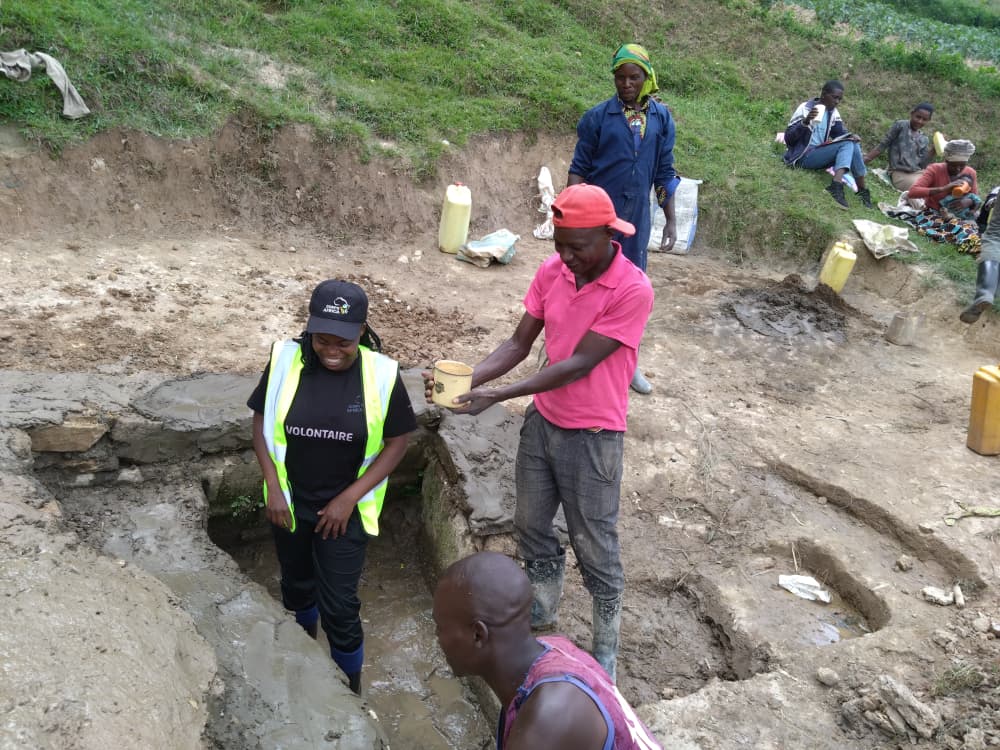
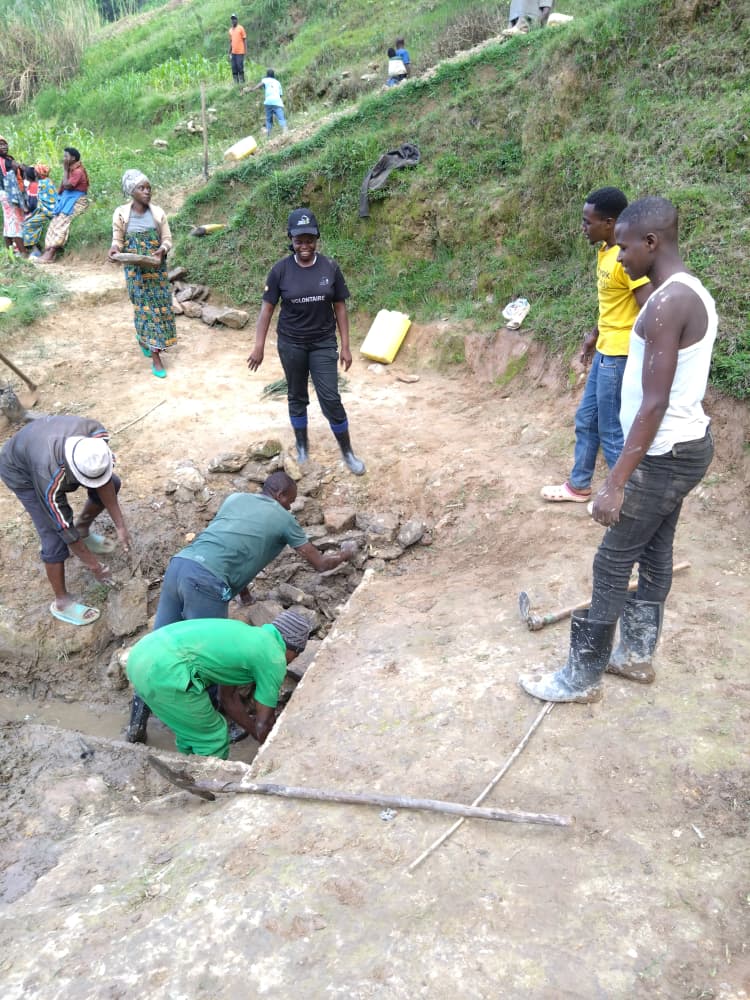
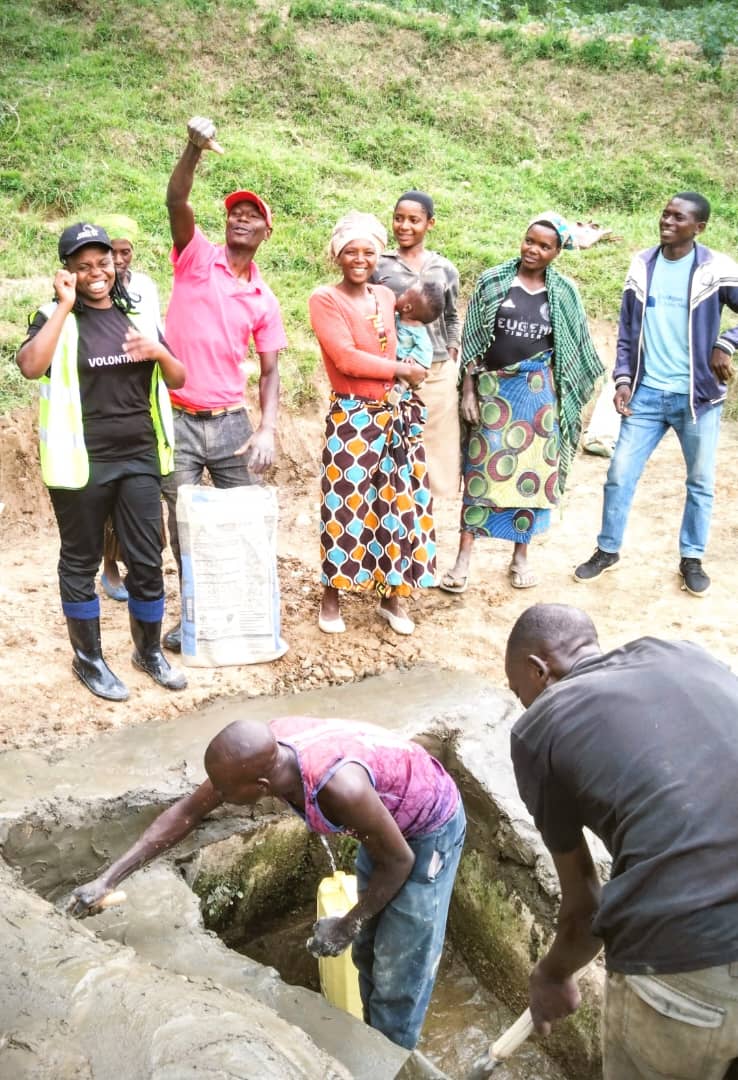
The long-awaited day finally arrived, and the community showed up in full force. I arrived early, and together we began the foundational work. The energy was inspiring. Everyone knew their role, and the shared sense of purpose was unmistakable. By the end of that day, people were already able to start fetching water, even though the work was not yet complete. The only remaining step was to reinforce the structure with cement.
As the work continued, we also began collecting small financial contributions to purchase the cement needed to complete the project. On that same day, we cleared the river channel, carried sand and stones, and continued the construction process. What stood out most was not just the physical progress, but the unity and determination of the community, working together to rebuild something that once belonged to them all.
In conclusion, the construction of this water source stands as a powerful example of sustainable and well-planned development. By using cement and durable materials, we ensured that the structure is strong and long-lasting, not a temporary solution. Today, joy and satisfaction fill our community, as residents no longer spend money to buy water. Instead, they access clean water freely by walking only a short distance. This achievement has greatly improved hygiene in households and personal cleanliness, leading to healthier families and a better quality of life. Children now wake up early, attend school on time, look smart and confident, and learn without the burden of water-related diseases. This project is not just a success for today, but a lasting investment in the health, dignity, and future of our community.