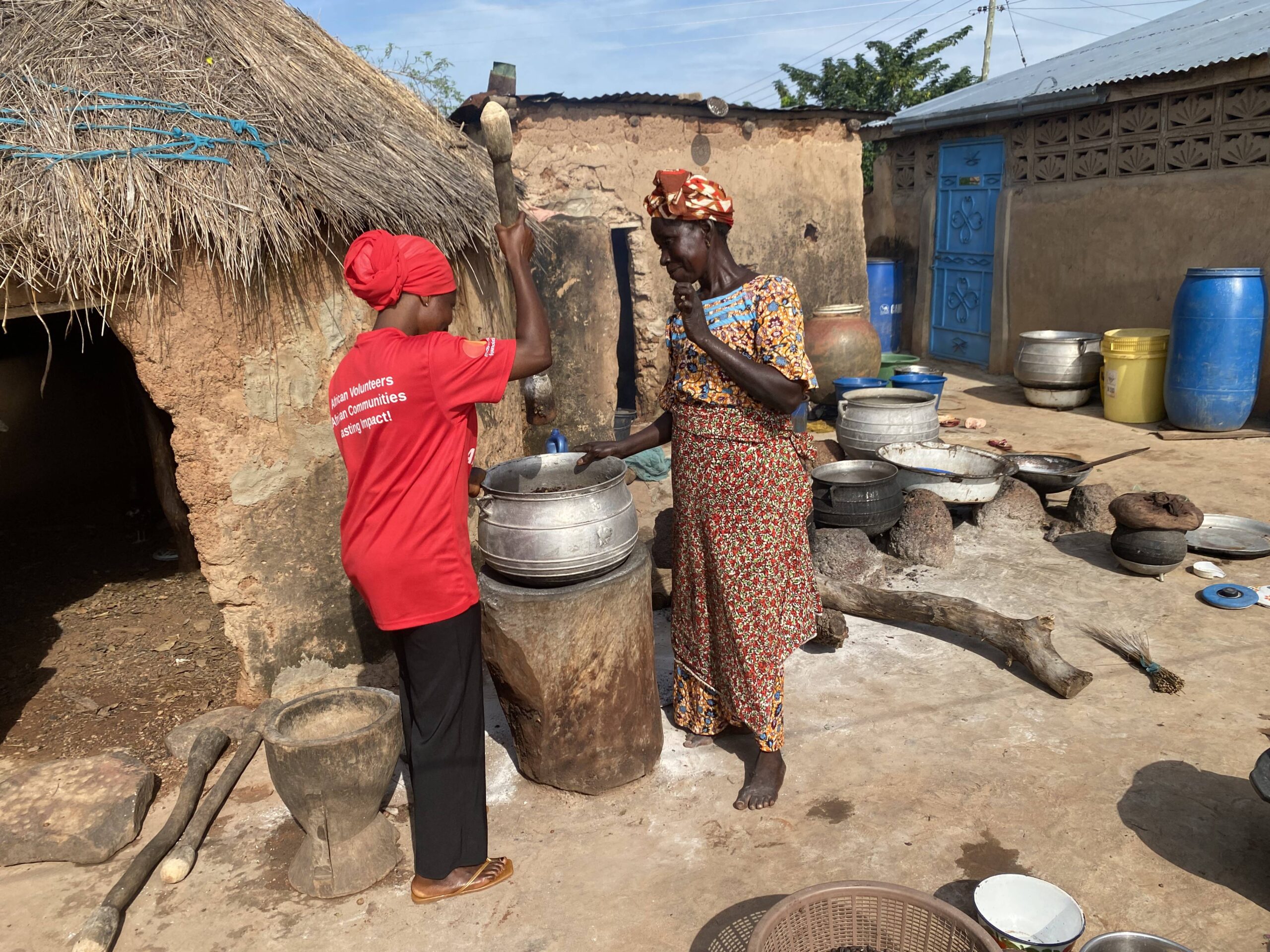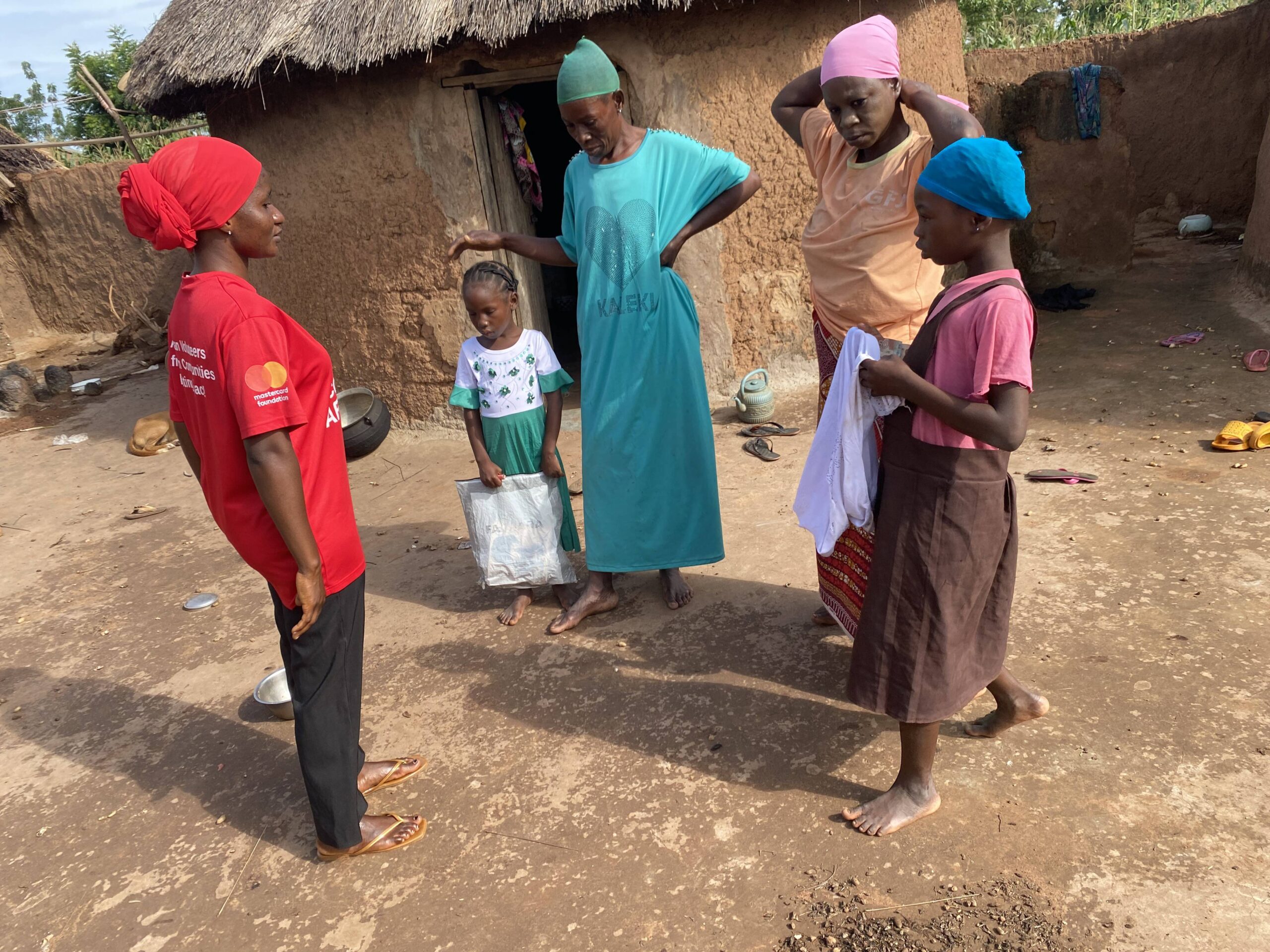
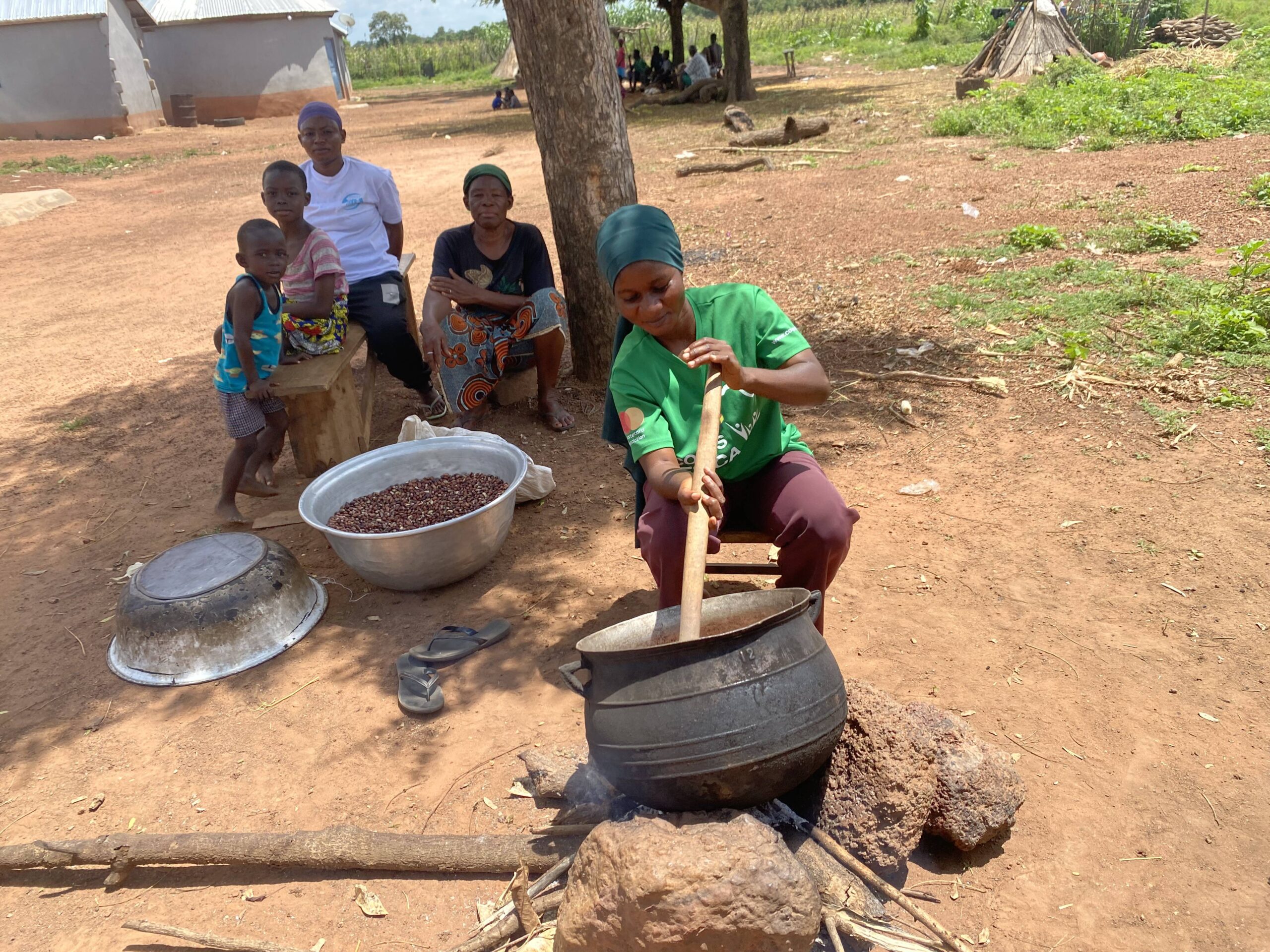
Over the past weeks, I have found myself reflecting deeply on my work in the community where I serve. What started as a simple effort to strengthen engagement has turned into a valuable lesson—one that reminded me of a statement we repeated countless times during Pre-Service Training: “Communities are dynamic.” I understood it then, but now I truly appreciate what it means in practice.
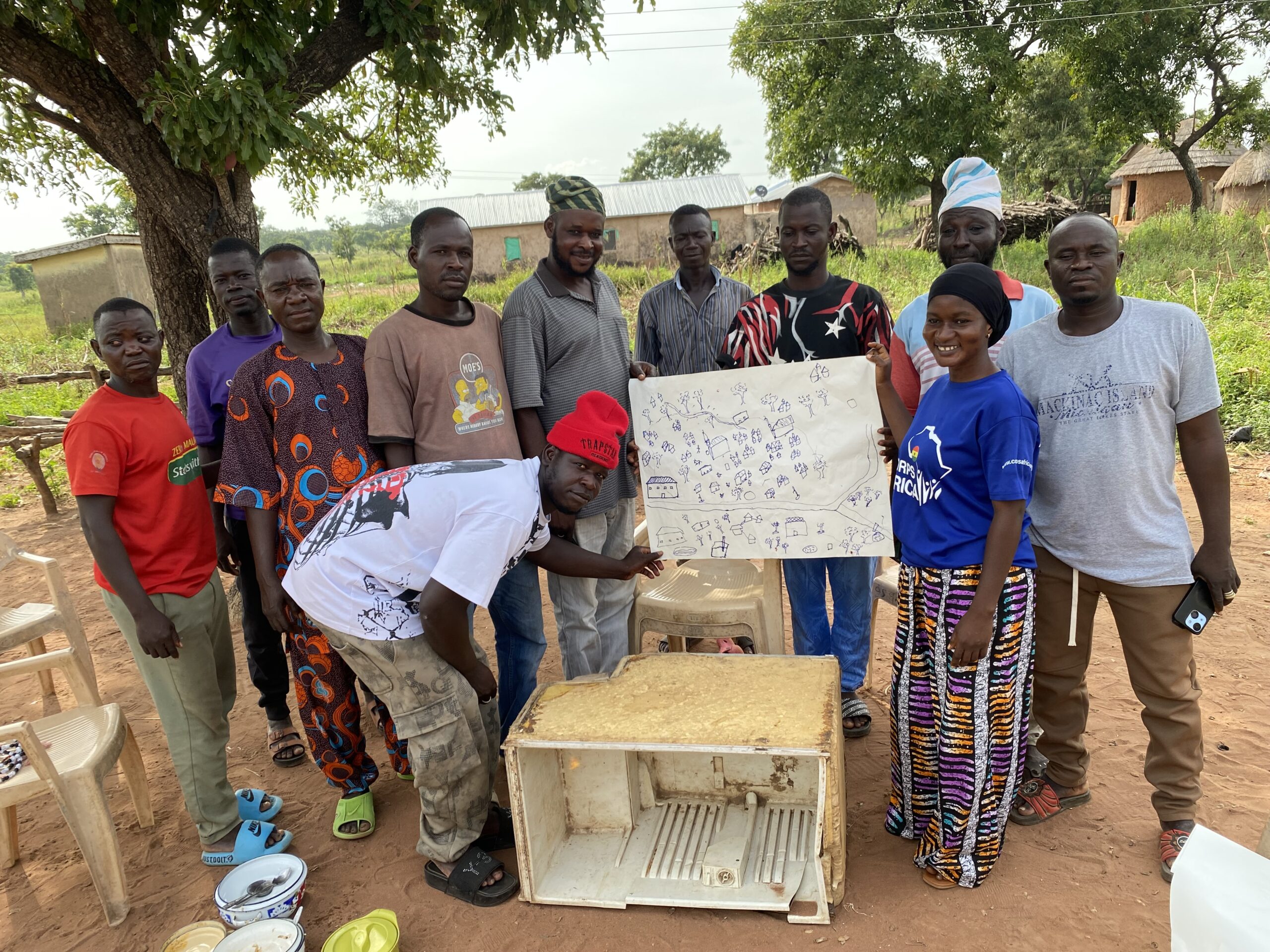
As a CorpsAfrica Volunteers, we often hear stories from colleagues about how active, enthusiastic, and responsive their communities are. Many share creative ways they keep their groups engaged; one of the most common being team-building activities. I have listened to fellow Volunteers describe how such activities brought laughter, unity, and energy to their meetings. Their successes inspired me, and I felt encouraged to try something similar with the women in my community.
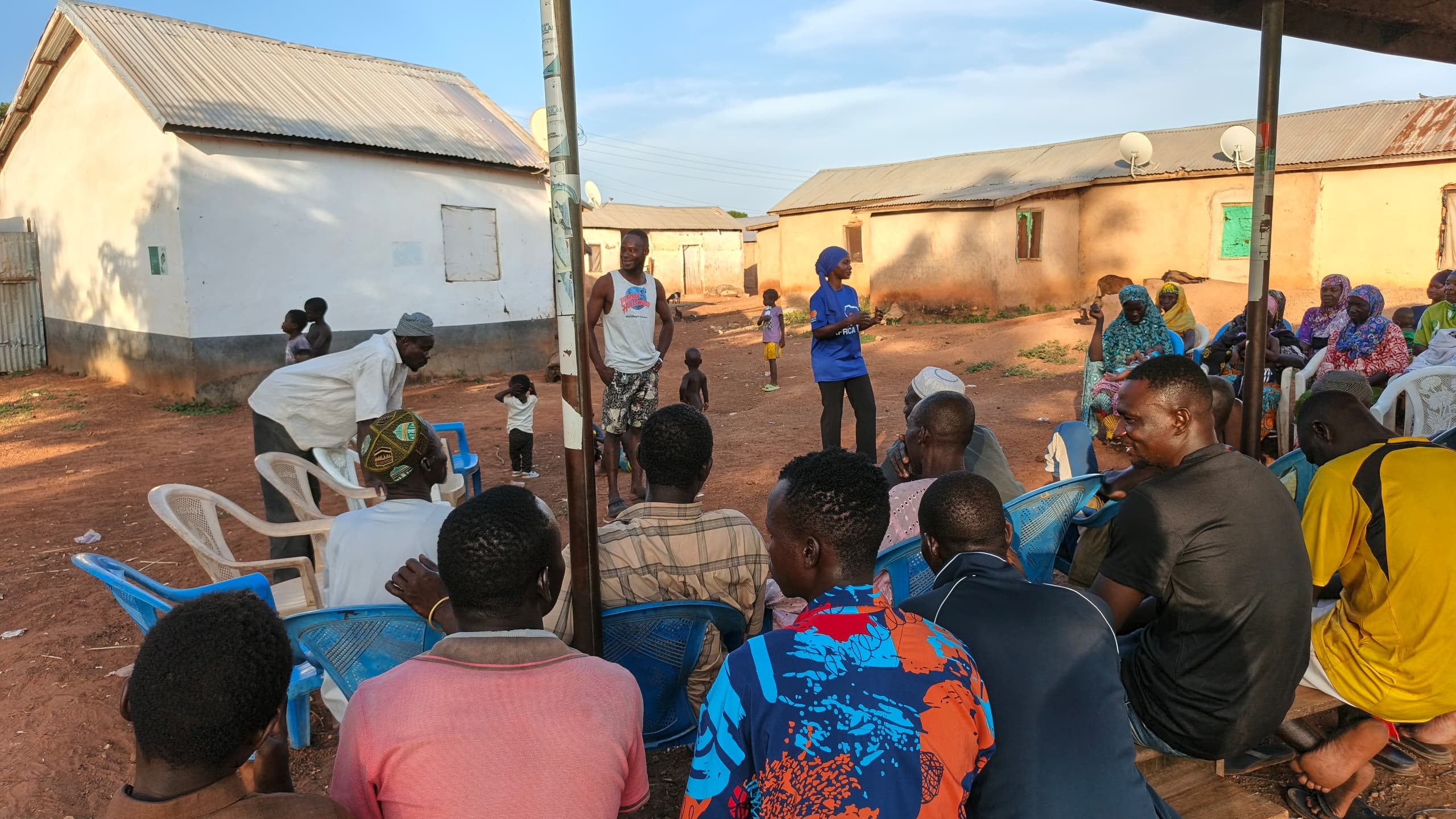
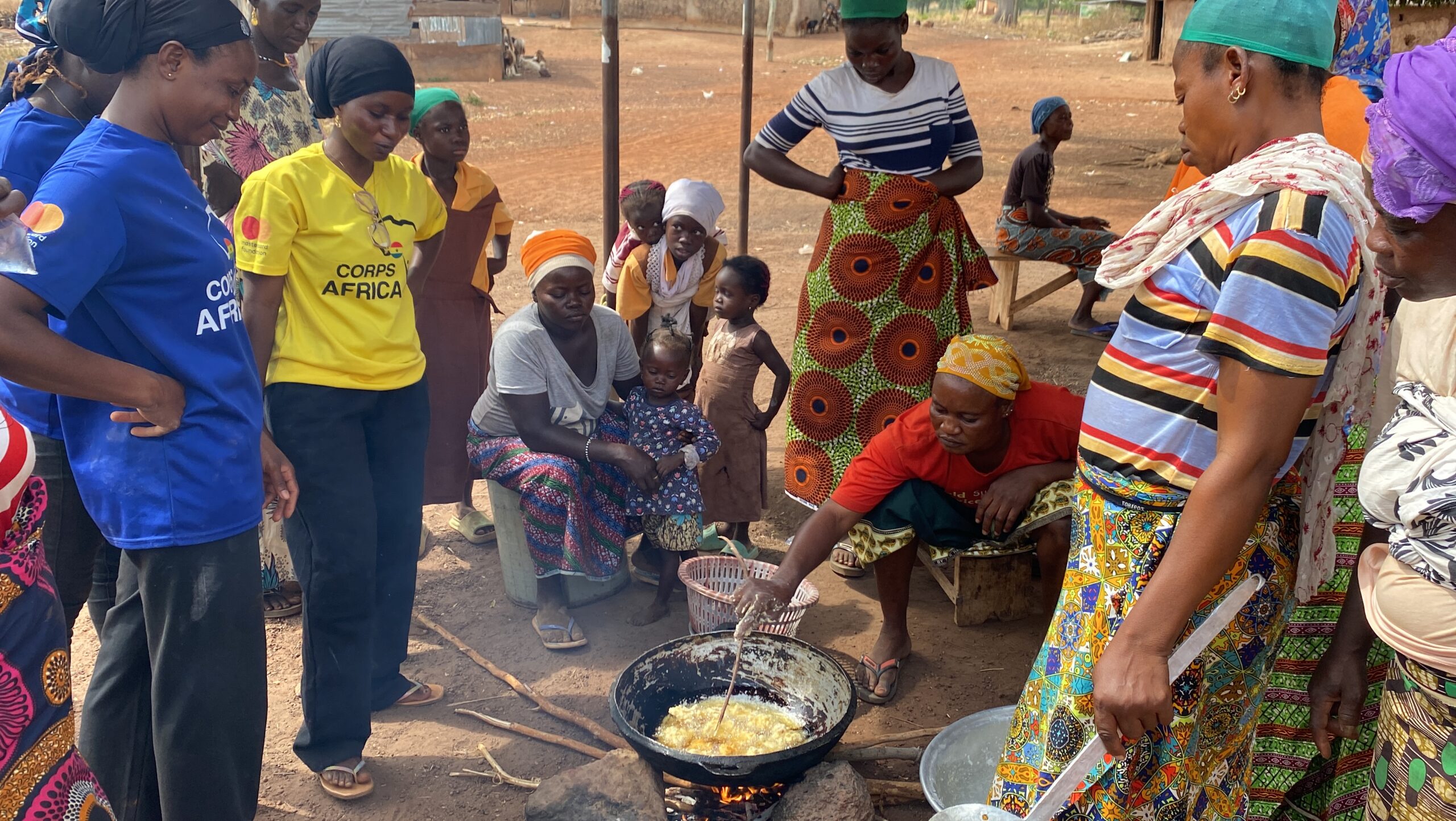
During one of our meetings, I introduced a simple team-building activity. To my relief, the women participated willingly. They laughed, completed the task, and everything seemed fine. I left that meeting excited and hopeful that this would become a way to strengthen our bond and make the sessions more enjoyable.
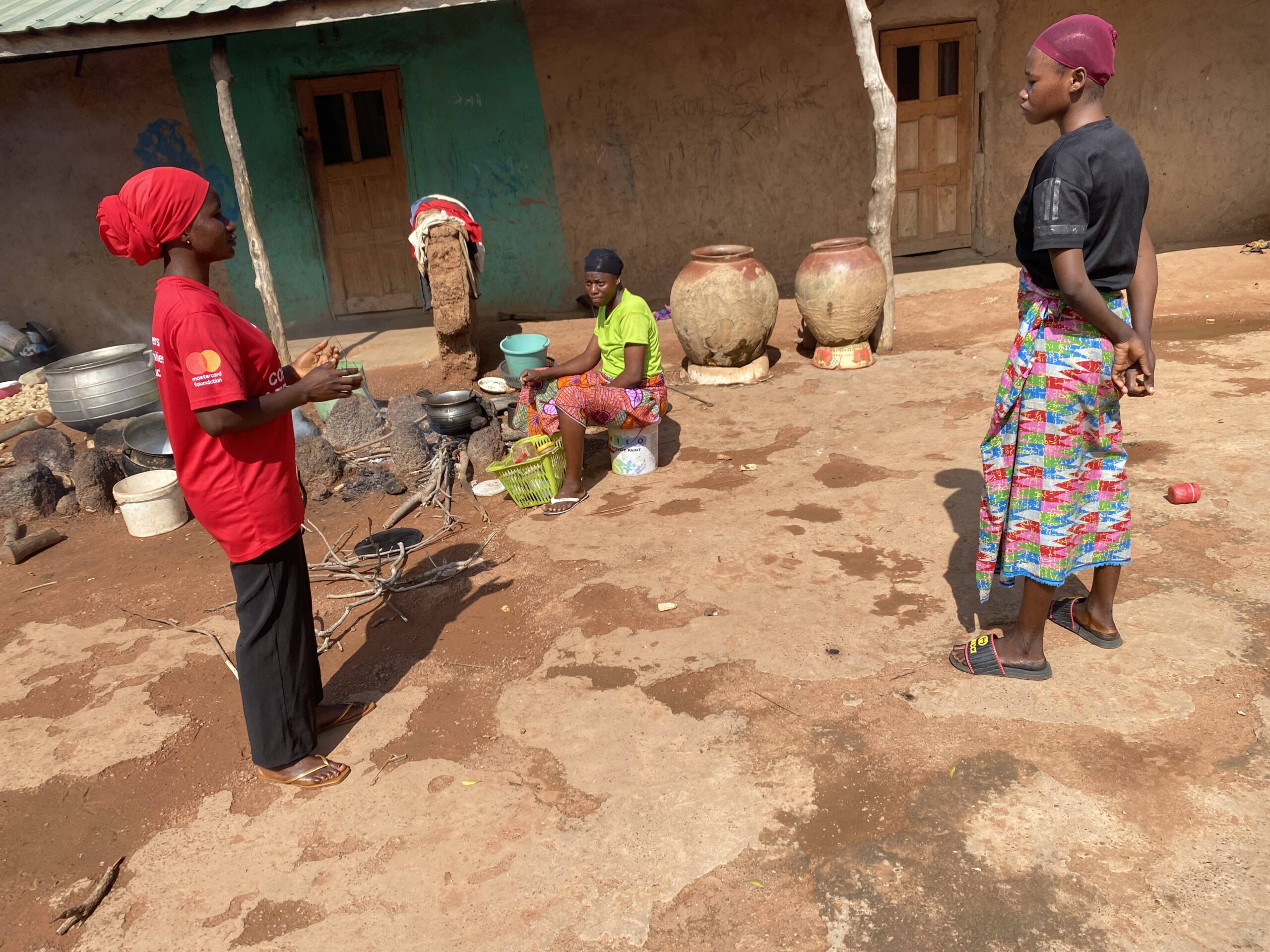
But the following week, something unexpected happened; attendance dropped drastically. Only a few women showed up. I was confused, especially after what I thought had been a successful activity the week before. Concerned, I decided to visit members in their homes to check on them and understand what went wrong.
That was when one woman gathered the courage to tell me the truth. She explained that based on what we did at the last meeting, many of them believed the sessions had become “activities for children,” not for adult women. They assumed future meetings would be the same, so they chose not to attend again.
Her honesty surprised me. I had never imagined that something seen as positive and exciting in other communities could be interpreted so differently in mine. I apologized sincerely and assured her and the others, that we would no longer include those activities. I also explained that my intention had been to make the meetings enjoyable, not childish.
From that day, I stopped doing team-building exercises with them. And yet, a new question emerged: “What activities would they enjoy and engage in without feeling disrespected or misunderstood?” I am still exploring the answer. Every community has its own rhythm, culture, preferences, and interpretations. What works wonderfully elsewhere can fail completely in another setting.
I share this story because we often highlight our successes as Volunteers, but not our struggles, surprises, or moments of confusion. We often leave out the times when things do not go as planned—even when we apply lessons from training. But these experiences are equally important. They remind us that development work is not a formula; it is a process of learning, adapting, and truly listening.
This challenge has strengthened my understanding of community dynamics. It has taught me to observe more, assume less, and co-create with community members rather than replicate what has worked somewhere else. And though the path is not always smooth, it is these very moments that shape us into better Volunteers. Indeed, communities are dynamic, and that is what makes serving in them so meaningful.