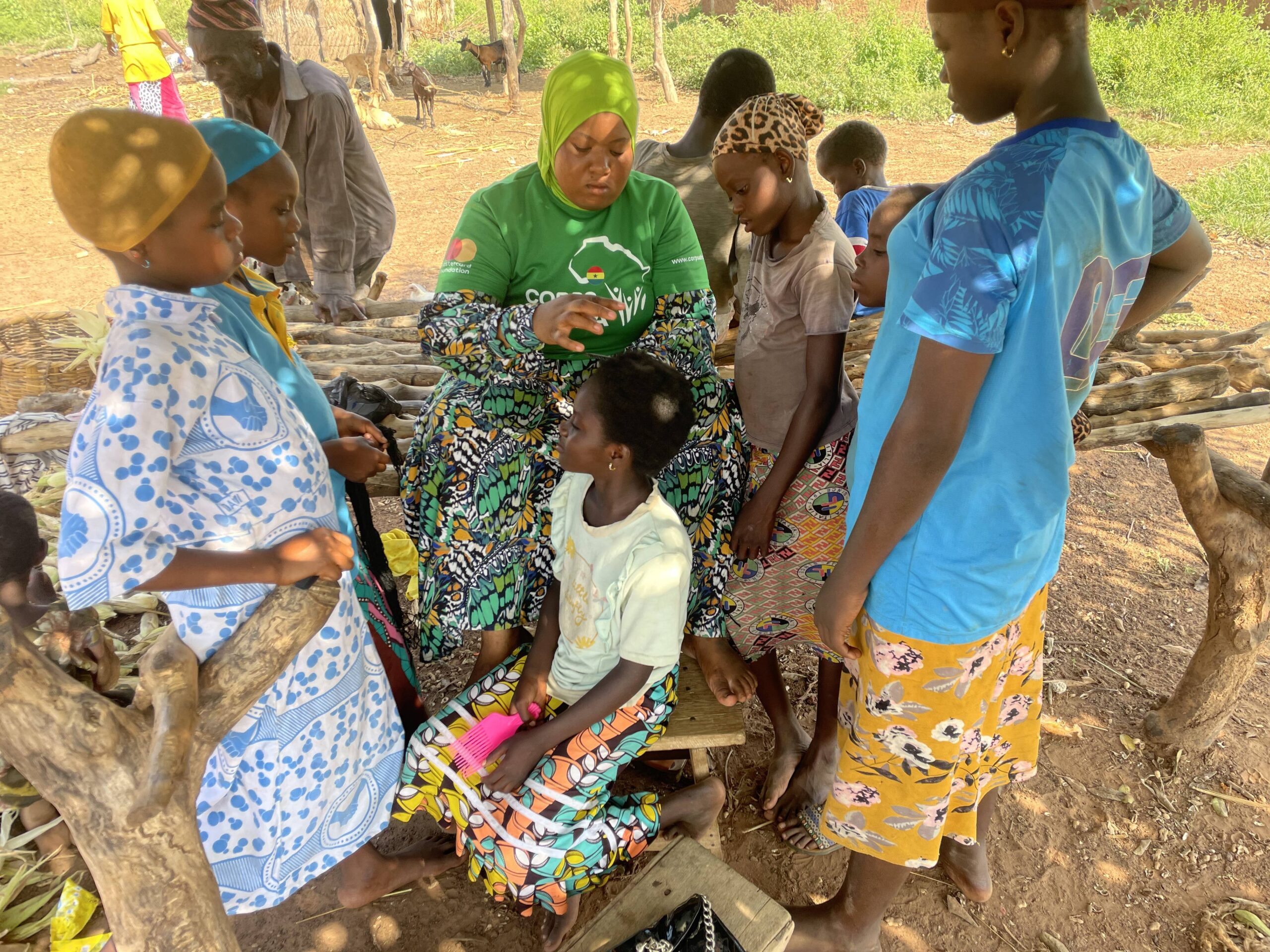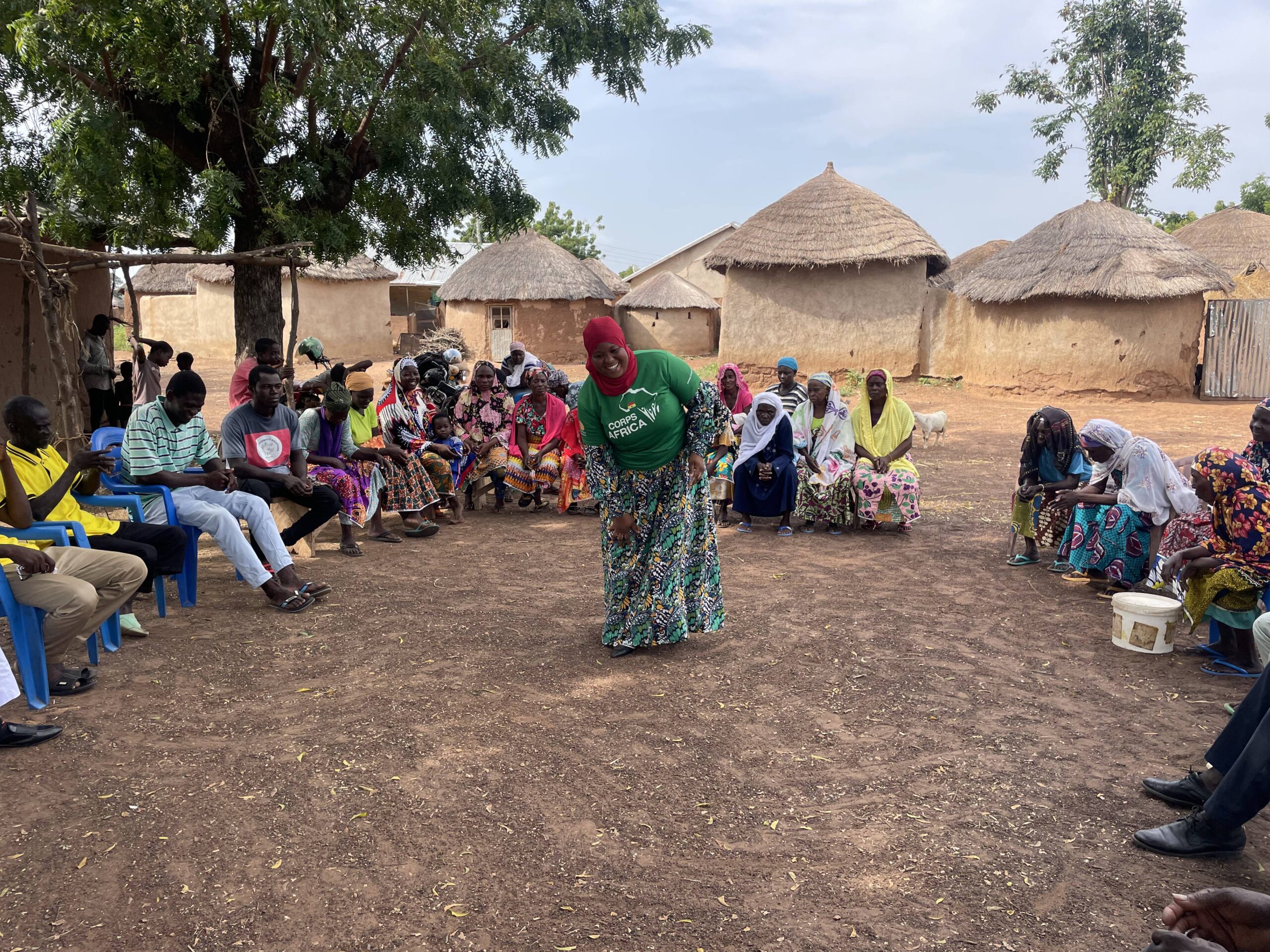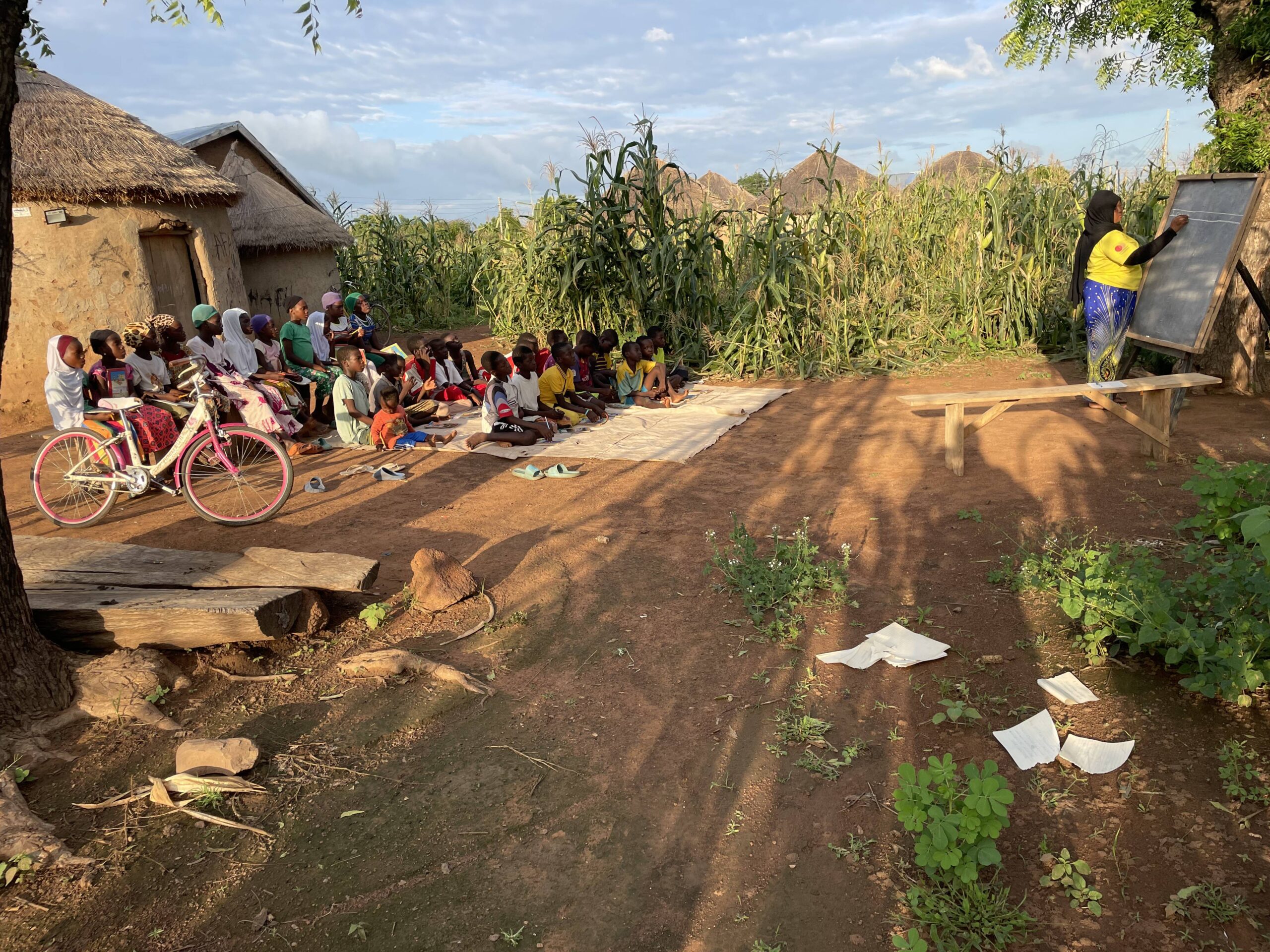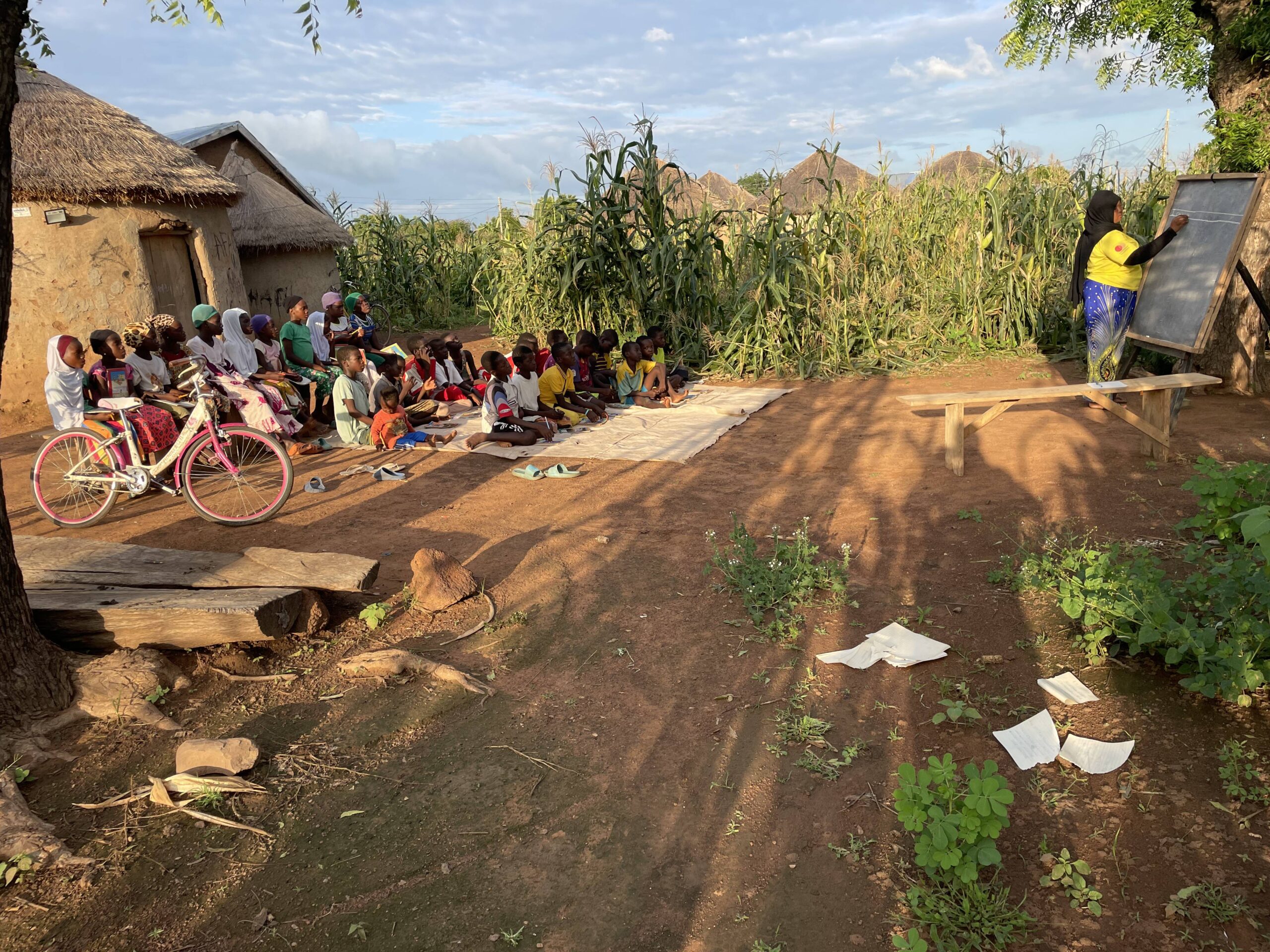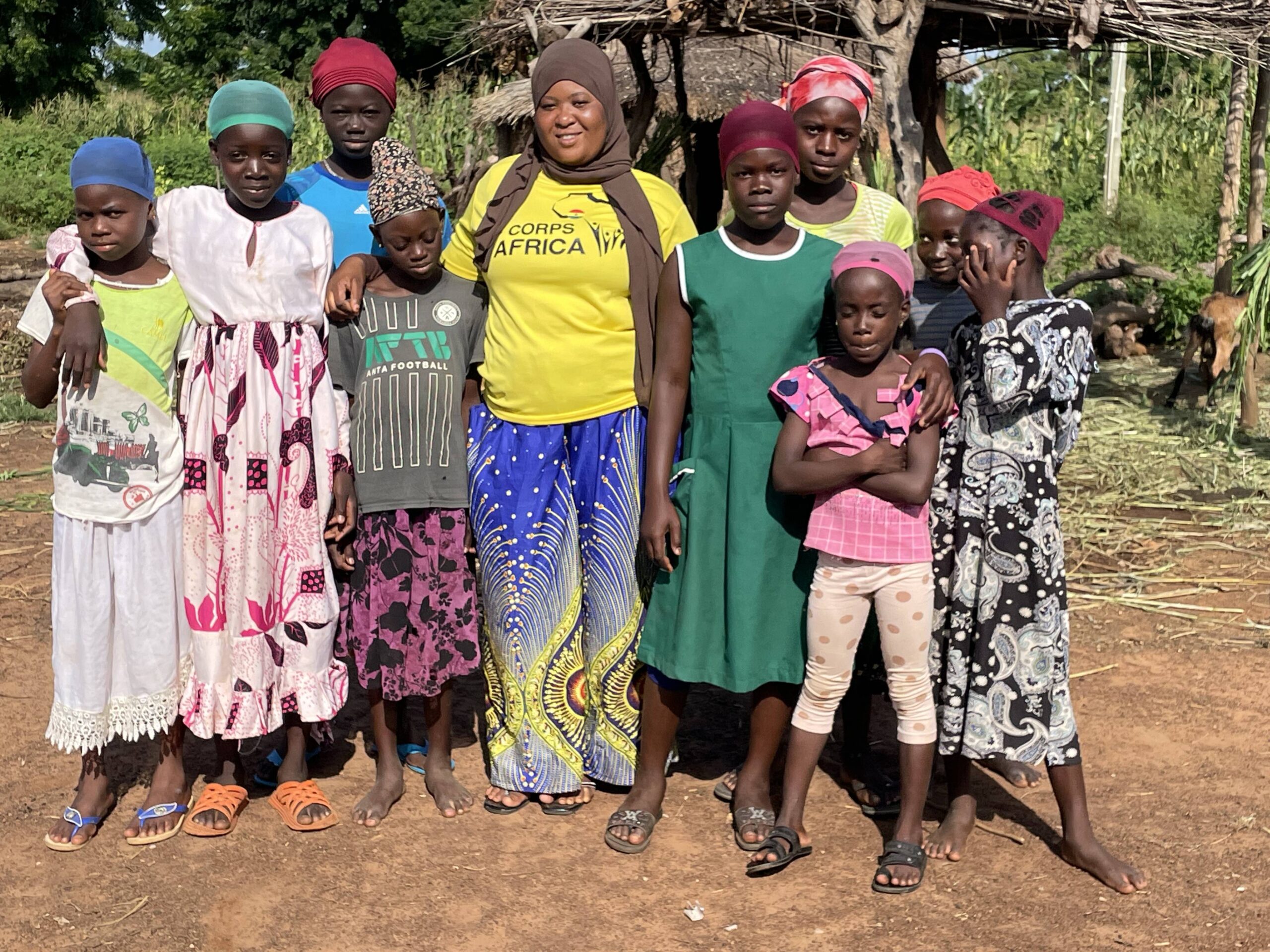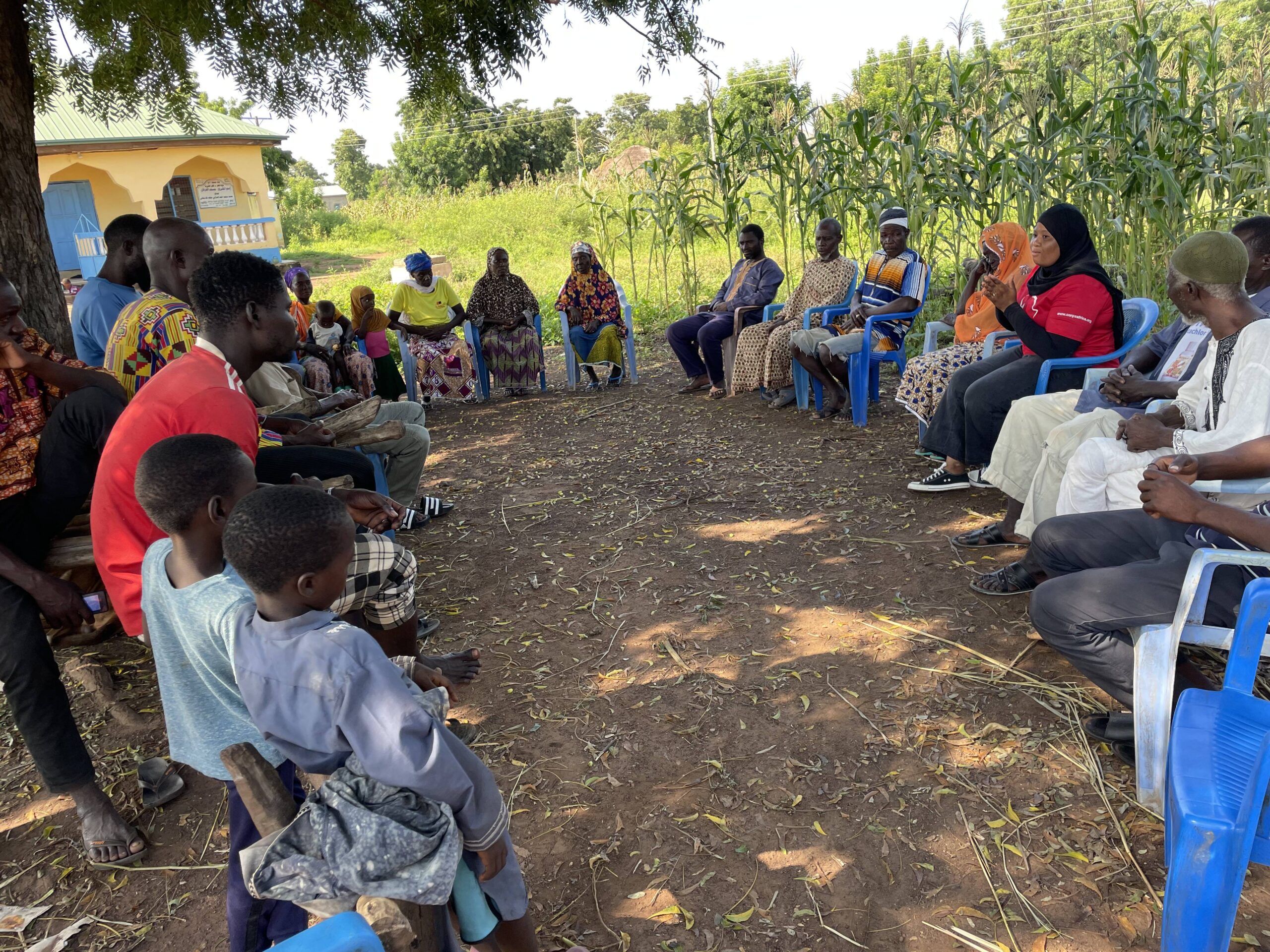
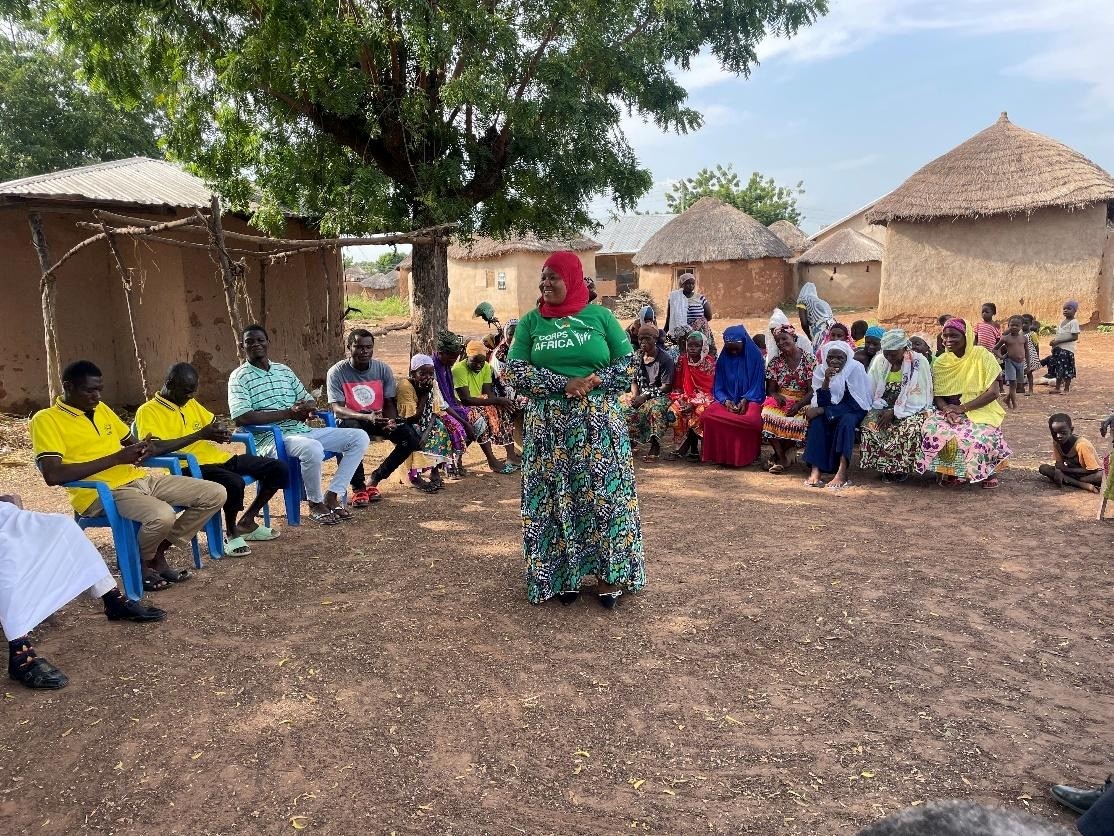
Today, I witnessed something that reminded me of a major challenge in rural development. Thus, the sustainability of projects. Many times, well-intentioned NGOs and organizations arrive in rural communities with the desire to help. Their goals align with admirable missions and global objectives, yet one crucial step is often overlooked: listening to the people first.
Too often, interventions are designed around organizational policies rather than the pressing needs of the community. This results in projects that look good on paper but fail to thrive once implementers leave. The community members, not feeling a sense of ownership or connection to the initiative, gradually lose interest, and sustainability becomes the first casualty.
As a CorpsAfrica volunteer serving in a rural community, I have come to realize that development efforts can only flourish when the people are placed at the center of decision-making. True sustainability is not achieved when projects are imposed; it is achieved when solutions are co-created with the community.
This principle is at the heart of the Sustainable Development Goals (SDGs), particularly:
- Goal 1: No Poverty
- Goal 4: Quality Education
- Goal 11: Sustainable Cities and Communities
- Goal 17: Partnerships for the Goals
Each of these emphasizes inclusiveness, ownership, and lasting impact. Development that ignores local voices cannot be sustainable, regardless of its noble intentions.
We must shift from doing projects for communities to doing projects with communities.
Sustainability begins with conversation, collaboration, and compassion.
When people understand, participate in, and own a project, it no longer belongs to the NGO or organization; it belongs to the community. And that is when real development begins to take root.
I end with a powerful quote by Philip Kotler:
“Development is not what we do for people, but what we do with them.”