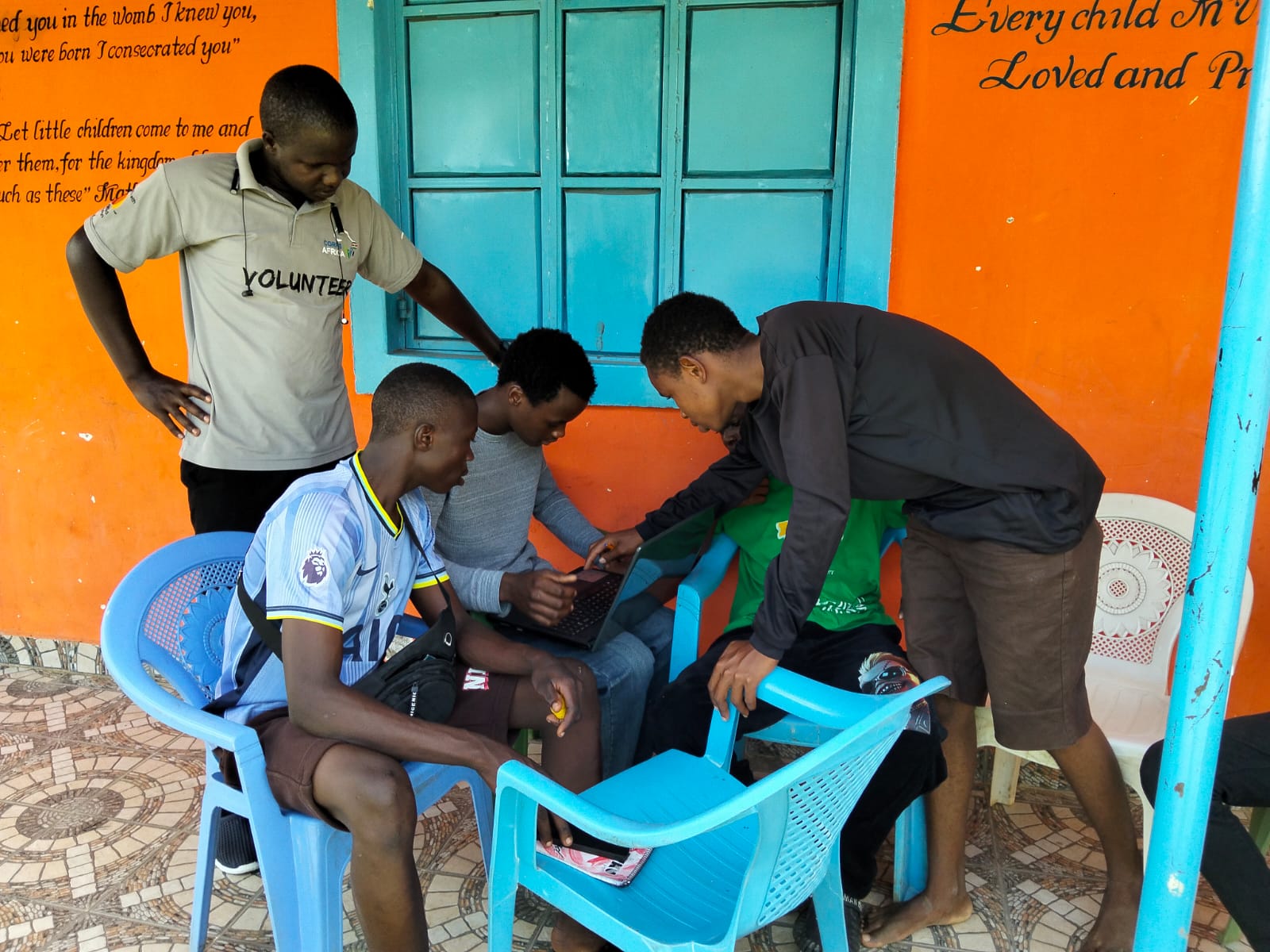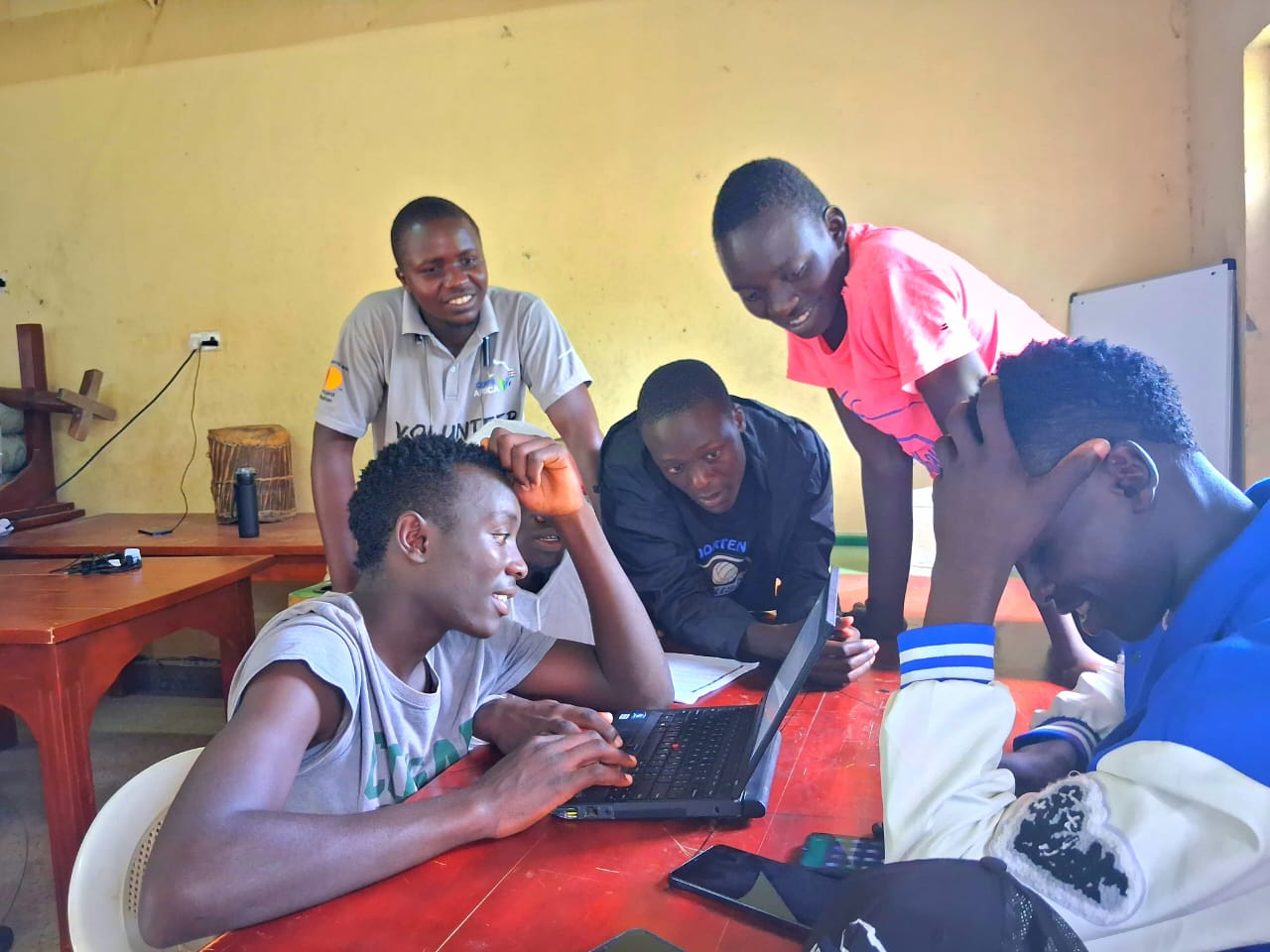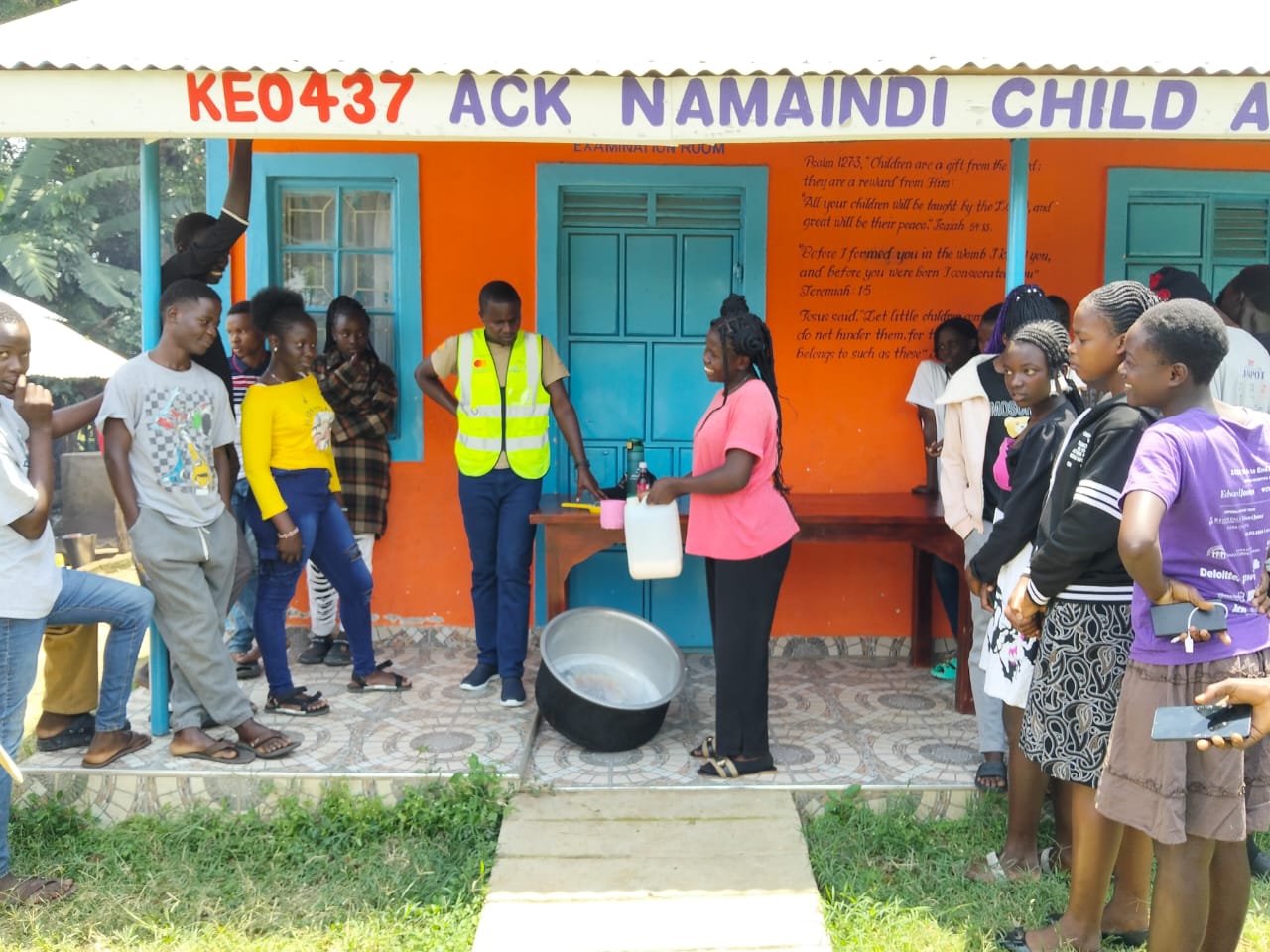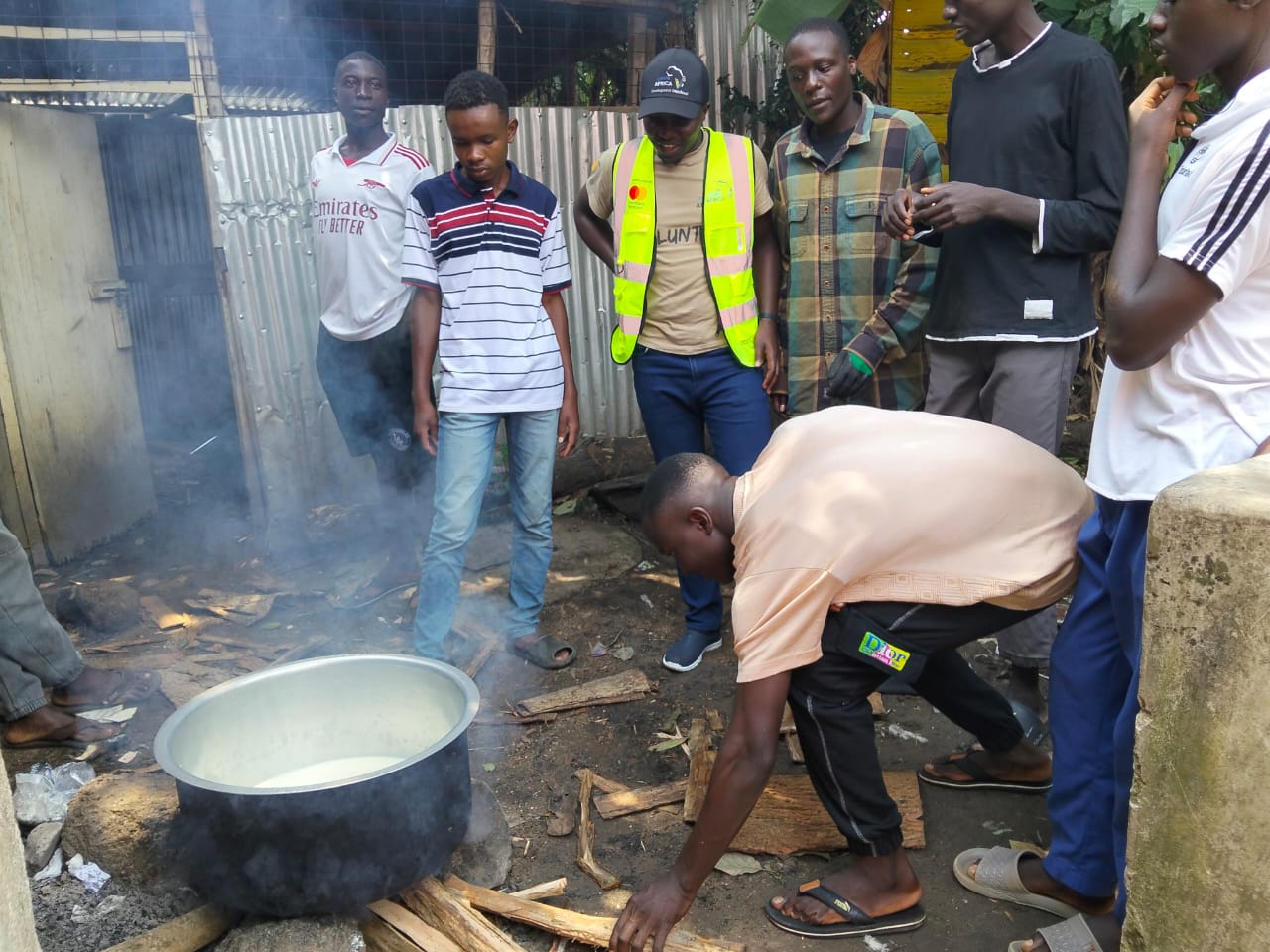
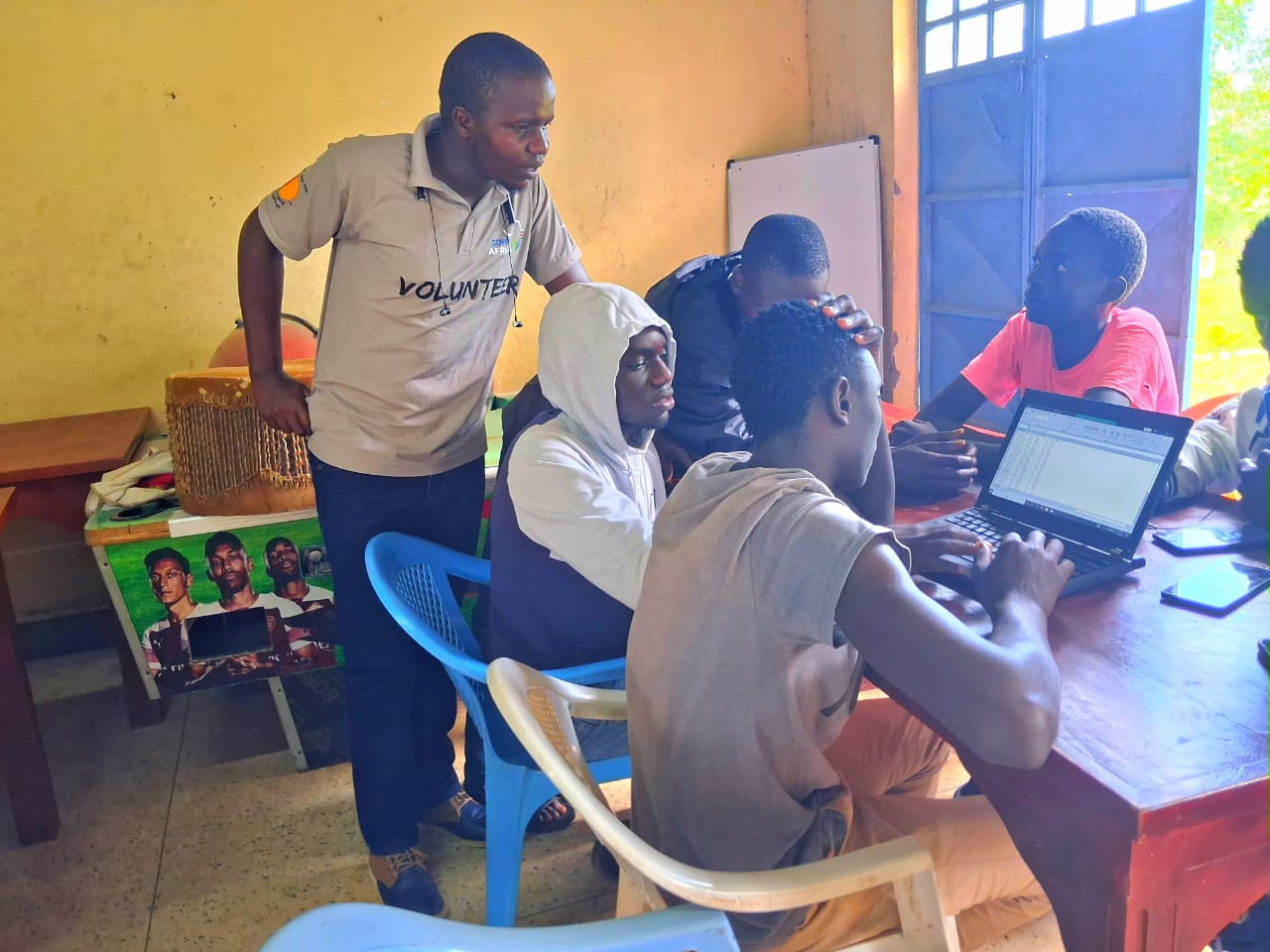
There is a different kind of energy that comes with learning by doing.
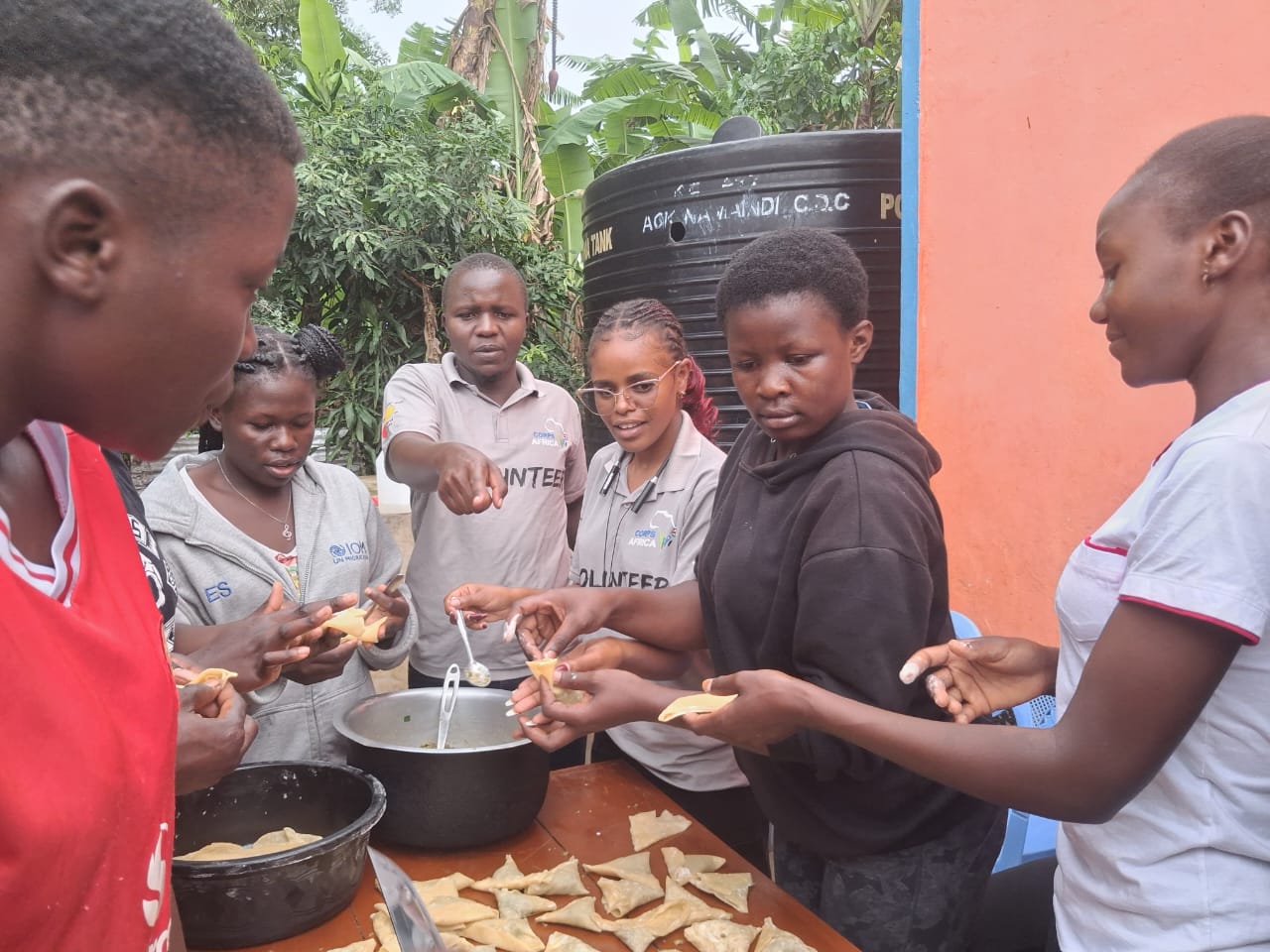
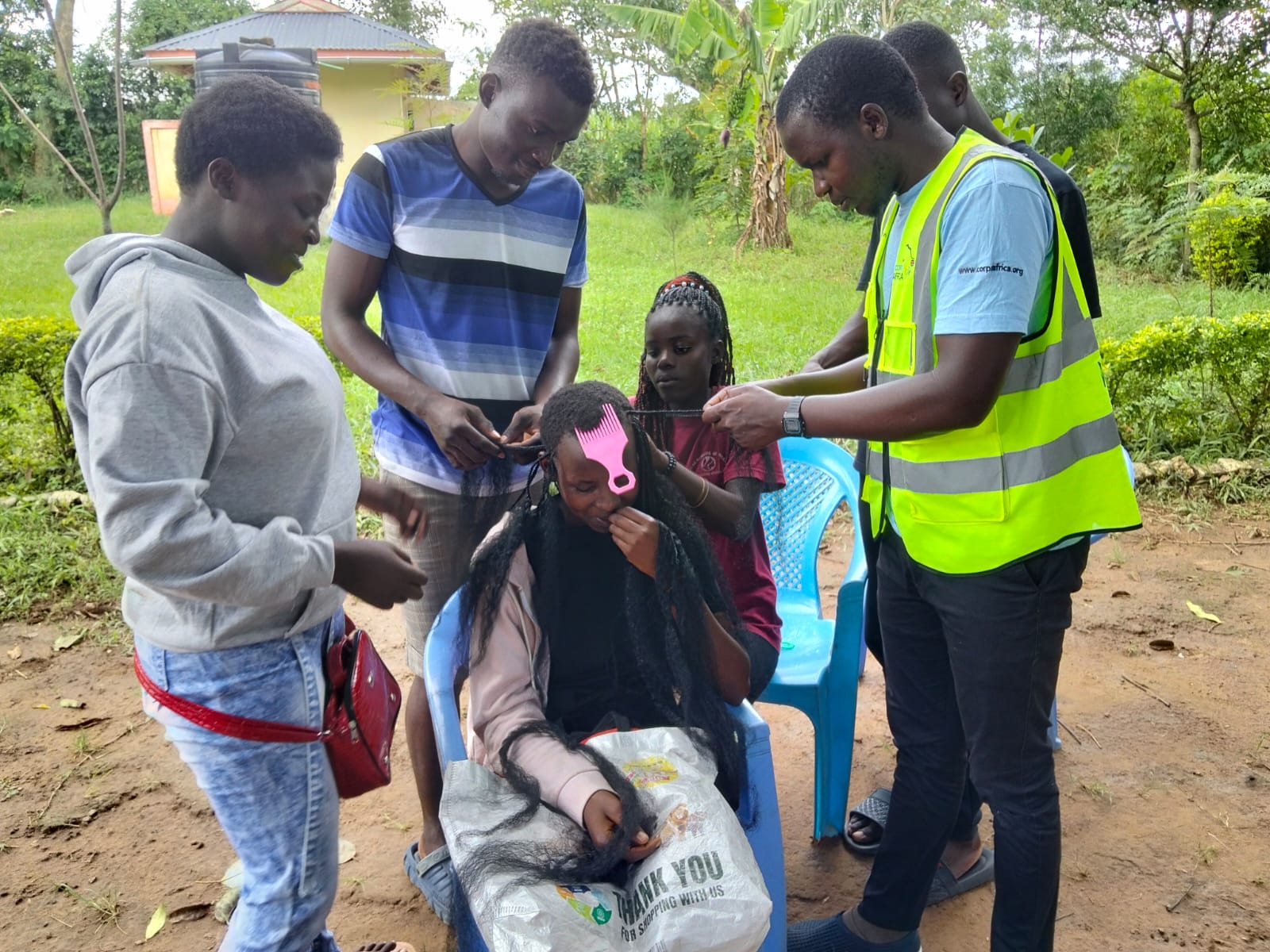
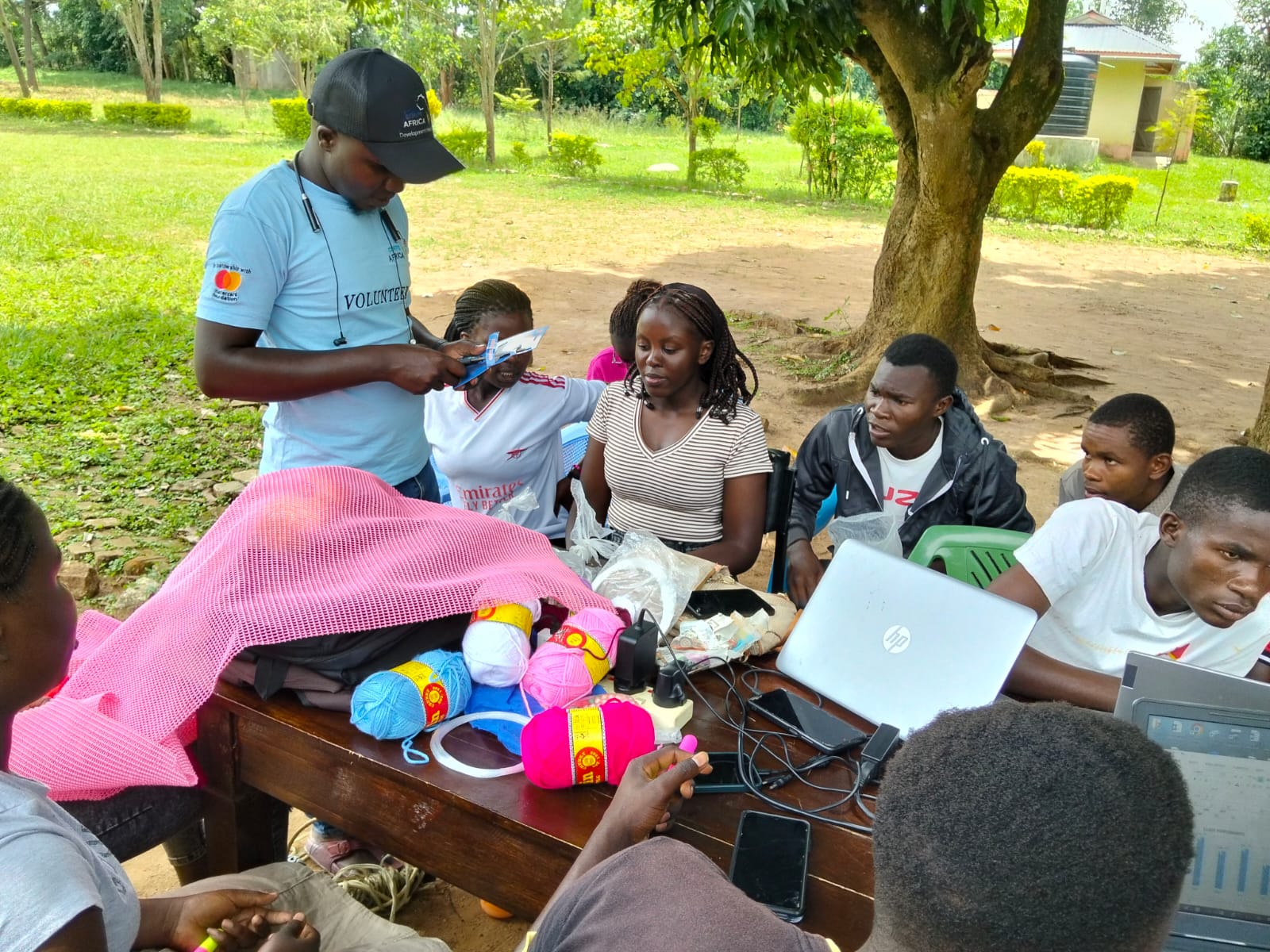
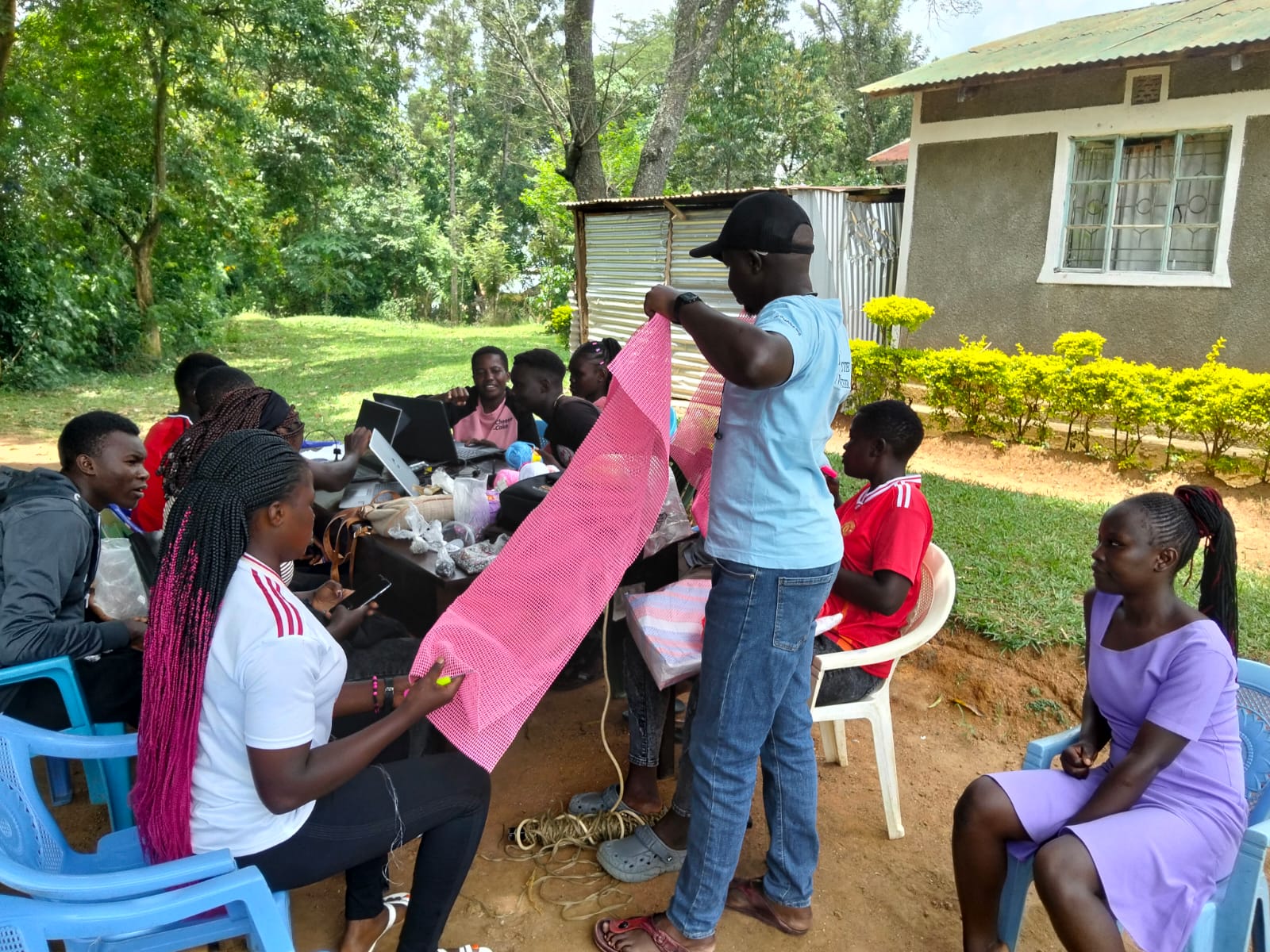
Throughout March, the Youth Skills Training Program at Namaindi CDC was in full motion. Sessions ranged from liquid soap making to yoghurt production, from digital literacy to snack preparation. Each session combined technical training with business thinking, creating a balance between skill acquisition and economic awareness.
What made these sessions impactful was not just the content, but the approach. Participants were not only listening. They were actively involved in production, discussion, and problem solving. They were calculating costs, identifying markets, and reflecting on how these skills could fit into their own lives.
I noticed that practical engagement created a deeper level of understanding. When participants physically produced ten litres of liquid soap or prepared a batch of samosas, the learning became tangible. It moved from theory into something real and applicable.
At the same time, these sessions revealed the importance of linking skills to opportunity. A skill, on its own, does not guarantee change. It is the ability to apply that skill in a meaningful way that creates impact.
There were also moments of reflection. Some participants began to see possibilities where they had not seen them before. Others started thinking about collaboration, pooling resources, or starting small ventures.
These experiences reinforced an important principle in development. People learn best when they are actively involved in the process. And when learning is connected to real life application, it becomes a tool for transformation.