Some partnerships are measured by transactions. The most meaningful ones are measured by transformation and mindset change.
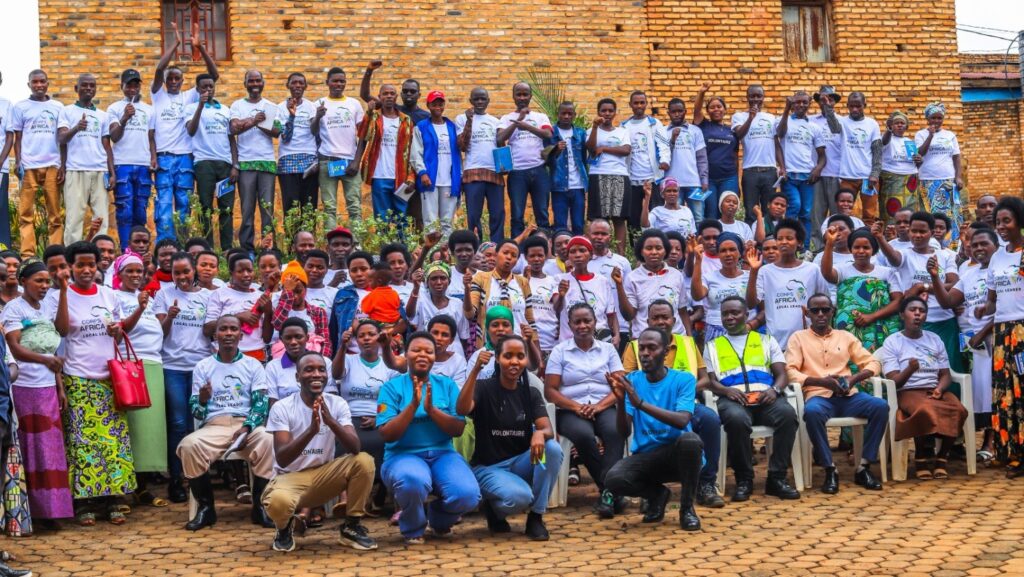
As we mark one year of the partnership between Trinity Metals Group and CorpsAfrica/Rwanda, we celebrate a collaboration that has gone beyond funding to create real, measurable, and community-led impact across mining communities in Rwanda.
Over the past year, this partnership has demonstrated what is possible when private sector leadership meets local ownership. Together, we have supported communities around the Rutongo Mine region to transition away from unauthorised mining, strengthen livelihoods, build resilience, and create sustainable pathways for long-term development.
A Year of Impact by the Numbers
Through the dedication of CorpsAfrica/Rwanda Volunteers and the commitment of Trinity Metals, Year One has delivered remarkable outcomes:
- 409 individuals transitioned from unauthorised mining into safe and sustainable livelihoods
- 1,195 individuals gained employment or self-employment opportunities
- 6,859+ community members participated in capacity-building and skills training
- 4,504+ people engaged in volunteer-supported activities throughout the year
- 15+ savings groups established, generating over RWF 30 million in collective savings
- 2,346+ livestock distributed to support household income generation
- 125,250+ trees distributed and 9,202 additional trees planted to strengthen environmental sustainability
These are more than statistics. They represent families with alternative income streams, youth choosing entrepreneurship over risk, communities investing in themselves, and people reclaiming dignity through opportunity.
From Risk to Resilience
One of the most powerful outcomes of this partnership has been the shift from dependency on hazardous mining to confidence in legal and sustainable livelihoods.
Across the project sites, young people and families are now engaged in farming, livestock rearing, retail businesses, savings groups, and entrepreneurship initiatives. Communities that once felt trapped by limited options are now building their own futures through local solutions and collective action.
Recognition from the Industry
The impact of the CorpsAfrica/Rwanda and Trinity Metals partnership is not only visible at the community level, but is also being recognized across the broader mining ecosystem.
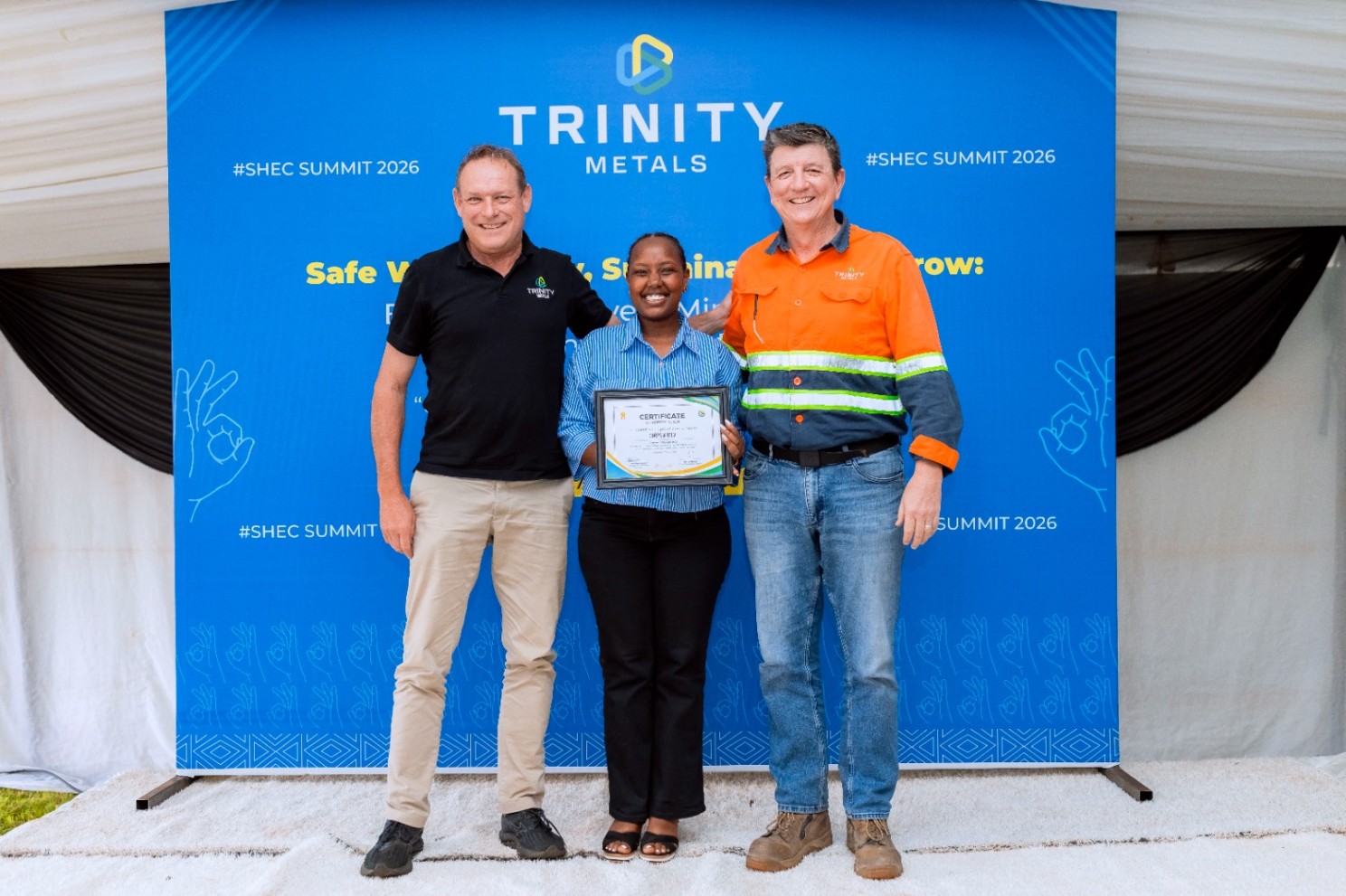
At the recent Safety, Health, Environment, and Community (SHEC) Summit held at Musha Mine, where partners, Mines Staff, and stakeholders convened to reflect on progress and recognise impactful collaborations, CorpsAfrica/Rwanda was honoured as “Partner of the Year.”
During the summit, the Annual Impact Report was presented, highlighting the results of the partnership—from advancing alternative livelihoods to strengthening community-led development in unauthorised mining-affected areas.
This recognition serves as a strong external validation of the partnership and the effectiveness of the model on the ground. It also reflects how the collaboration is being perceived by key industry actors—as a partnership that is not only delivering results, but setting a standard for community engagement within the mining sector.
Growing Confidence, Growing Partnership
In March 2026, CorpsAfrica/Rwanda secured an additional $45,000 in funding from Trinity Metals to support the deployment of five additional Volunteers, who began service at Nyakabingo Mine, Trinity Metals’ other concession.
- Total funding raised from Trinity Metals to date is $180,000 across the different phases of the partnership. This includes:
This continued investment reflects Trinity Metals’ growing confidence in the impact of CorpsAfrica’s model and in the role Volunteers are playing in strengthening communities around their mining concessions.
Looking Ahead: The Next Chapter
As CorpsAfrica/Rwanda celebrates one successful year, they are looking to the future. That is the power of partnerships built on trust, results, and shared purpose.
At CorpsAfrica, we remain proud to work with partners like Trinity Metals who understand that sustainable development is strongest when communities are not passive recipients, but active leaders of change.
Here’s to one year of impact—and to the greater possibilities ahead.