The morning I arrived in Kansoro, the air felt different, fresh, calm, and full of unspoken possibility. I didn’t know exactly what waited ahead, but I carried one thing with confidence: the desire to learn, to serve, and to become part of this new family and community.
My very first evening set the tone. I was welcomed into Gahisi Village during a wedding celebration, surrounded by laughter, drums, and the warmth of people who treated me not as a stranger, but as a brother. When they asked me to lead the ceremony, I realized how deeply they trusted me, yet I humbly chose to support instead, capturing memories behind the camera. That night, I understood that community is not just a place, but a feeling.
The following days were filled with small but meaningful moments, being shown around by family members, learning the local expressions of Musanze, exploring the market to understand prices, and walking through the village that would soon become home. With every greeting, every shared meal, every household chore, Kansoro slowly unfolded its heart to me.
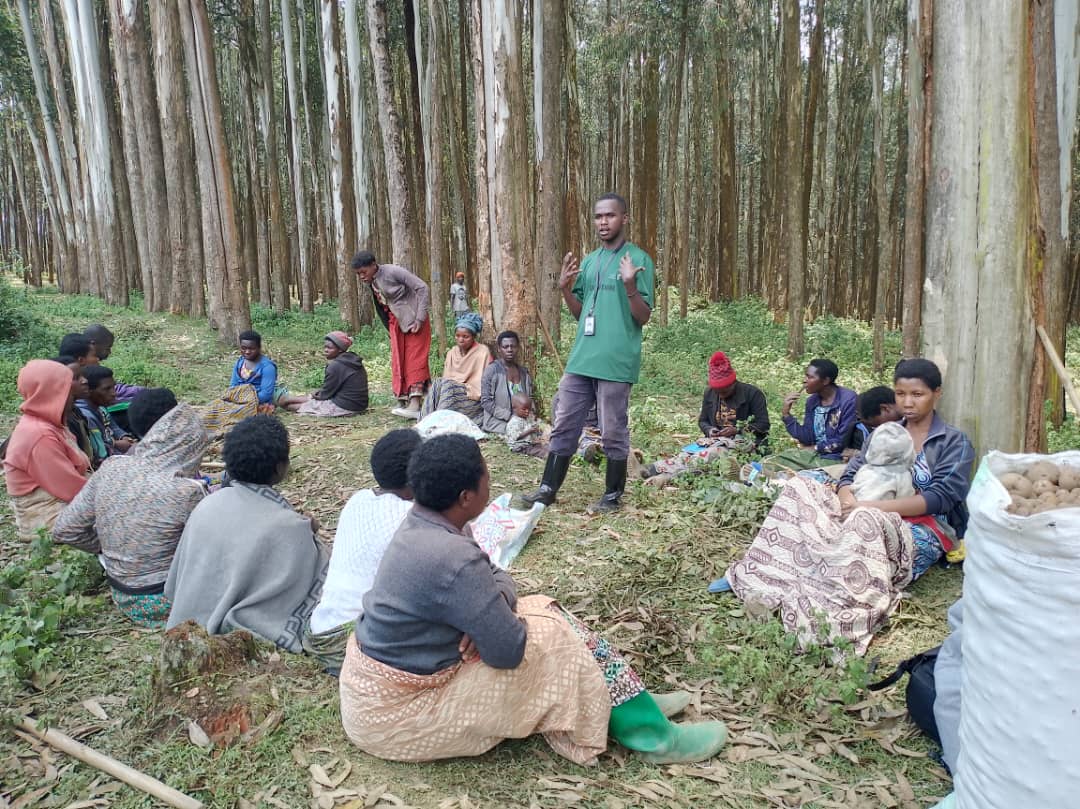
Before long, I began my work, one household at a time. I visited families, discussed their needs, helped carry manure to the fields, and even harvested nearly a ton of potatoes with Mr. Uwizeyimana Emmanuel, who proudly sent me home with 10 kilograms as a symbol of friendship. In those moments, I realized that service is not just about helping, it is about connecting.
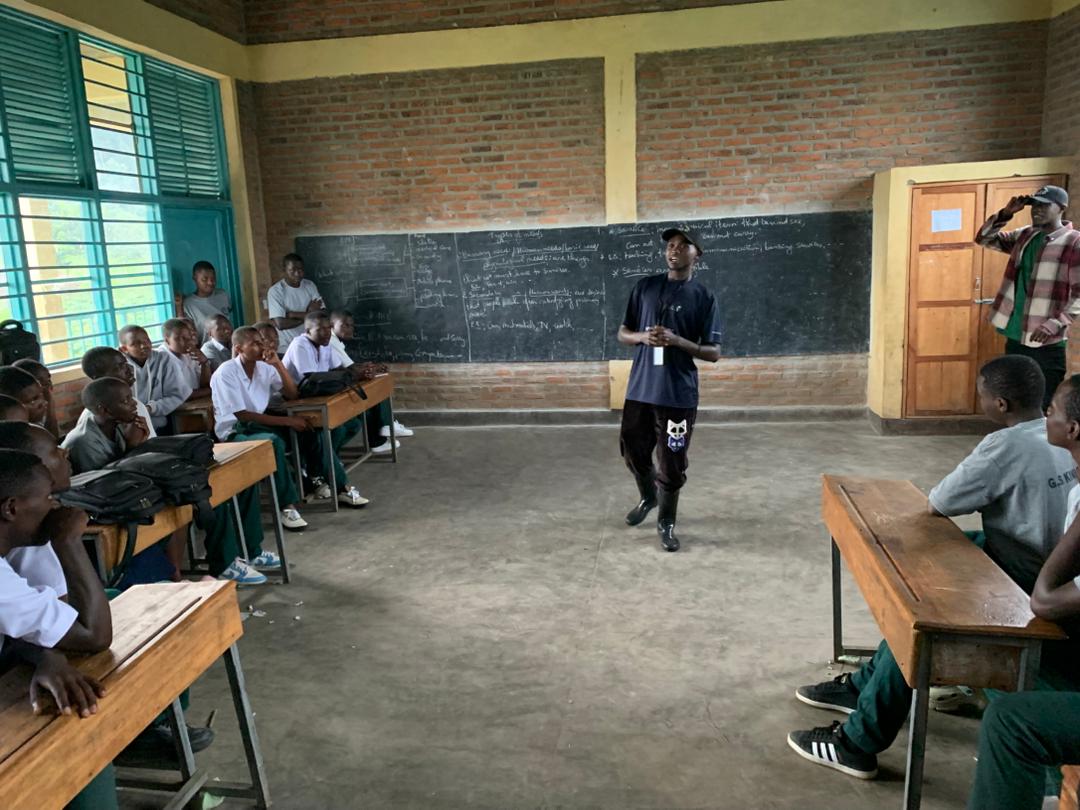
Community assemblies introduced me to the challenges Kansoro faces, drug abuse, violence, child marriages, malnutrition, and youth suicide. Standing before hundreds of residents, presenting CorpsAfrica’s mission, and listening to their concerns deepened my resolve. These meetings reminded me that development begins with honesty and collective responsibility.
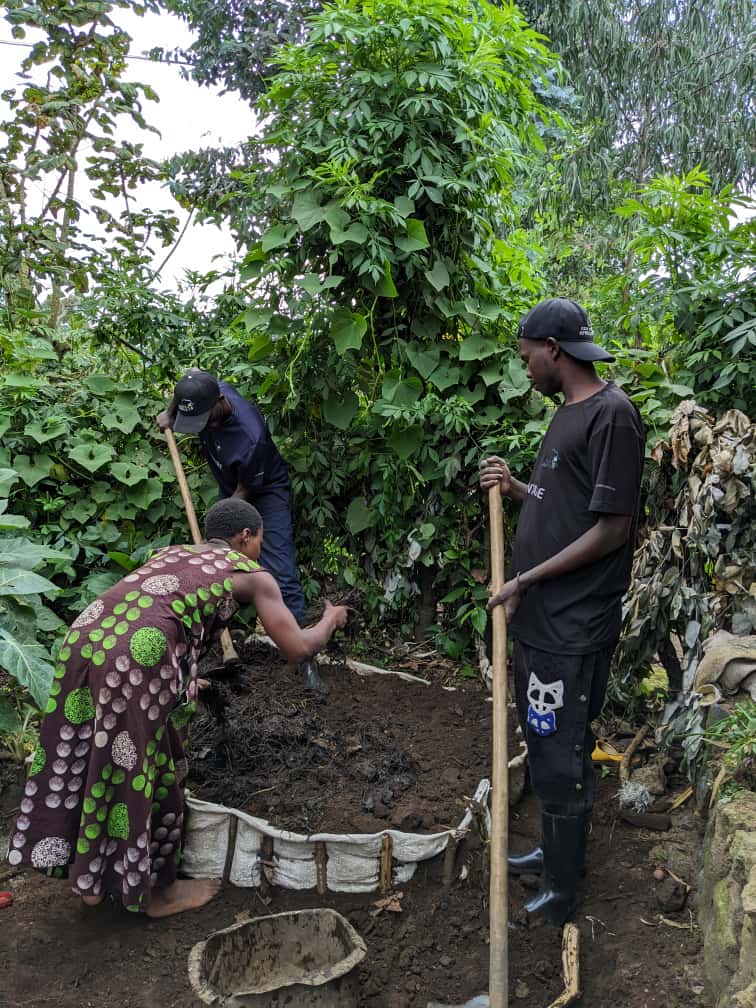
Then came the gardens. Together with youth groups and savings groups, we planted potatoes, established kitchen gardens, and trained households on balanced diets. I saw the pride of young people learning to build gardens, the gratitude of families receiving seeds, and the hope of mothers seeing their children’s nutrition improve.
Our health campaign screened 103 children and 15 pregnant women, revealing only one child mildly at risk, a huge improvement from previous months. It showed me the real power of consistent community sensitization.
Digital literacy soon followed. The entire community had questions about Byikorere/Irembo, so I spent a full day teaching them how to access services online. We ended the session with laughter, many realizing how simple the process actually is once explained.
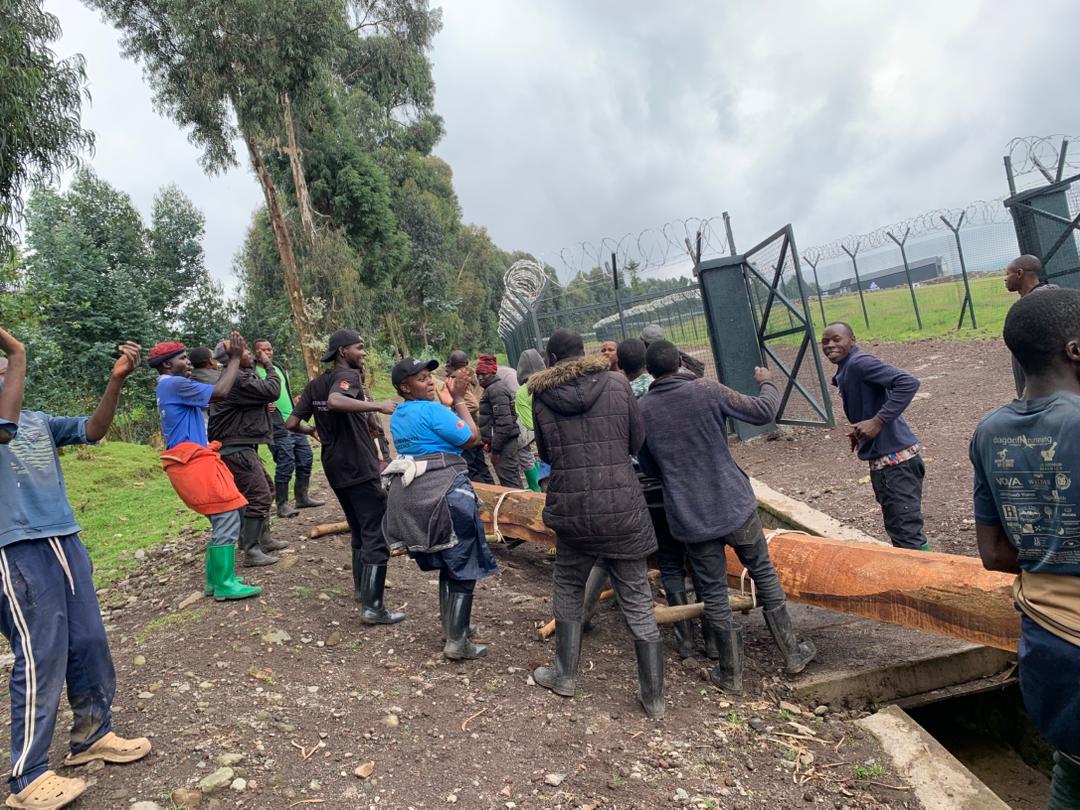
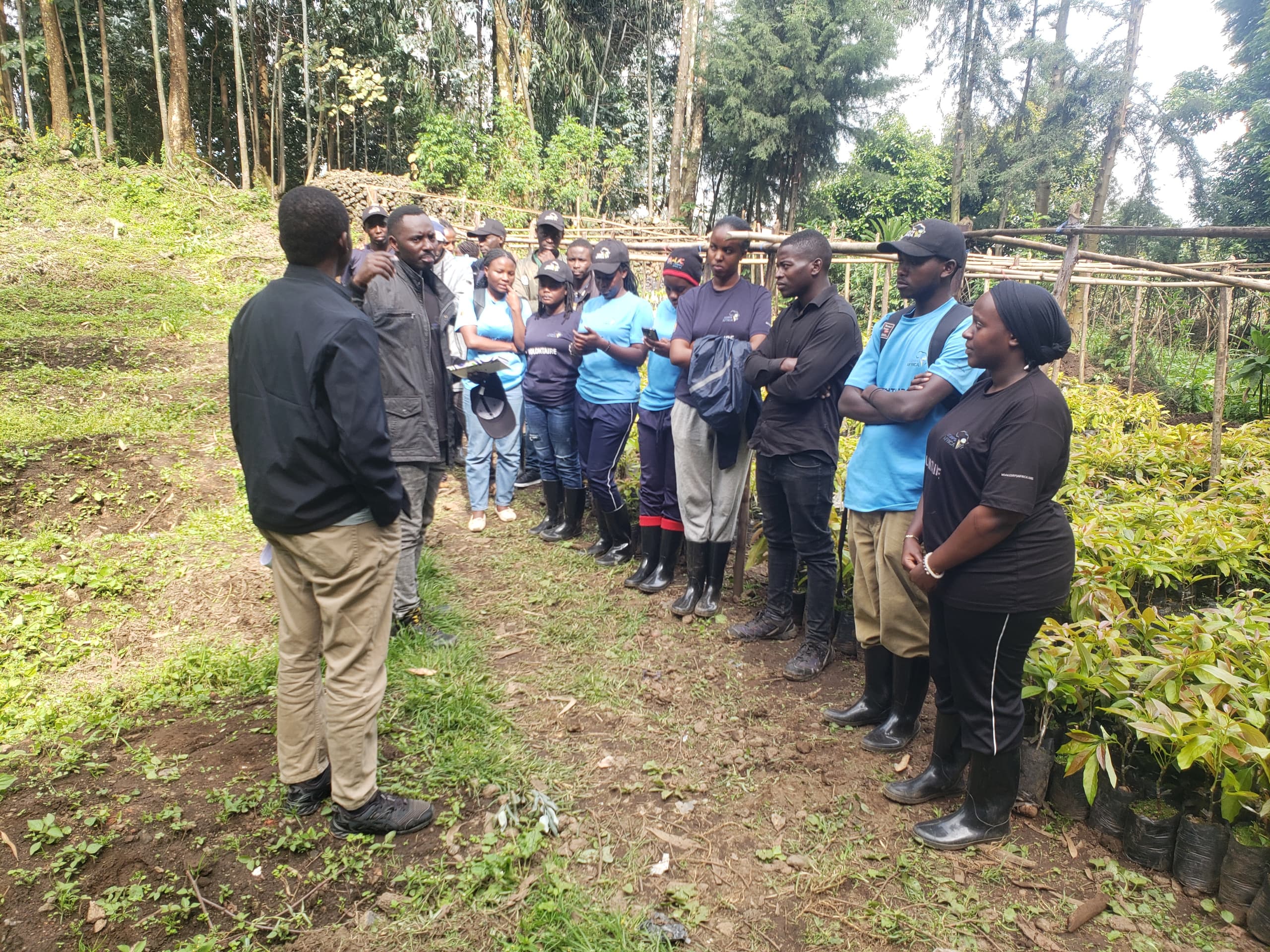
Every week brought something new, repairing a damaged bridge with residents, starting a new youth savings group, welcoming RAB technicians to evaluate avocado nurseries, supporting sustainability members, and working hand in hand with community health workers.
What started as a placement evolved into purpose.
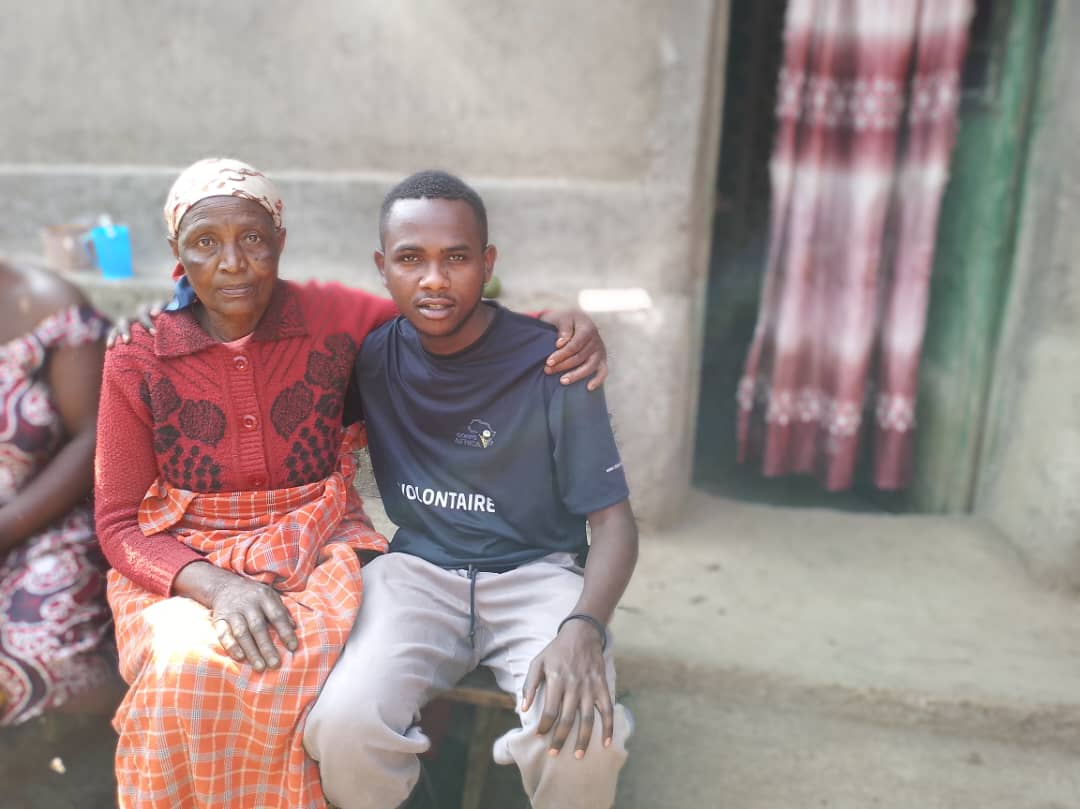
As I walk through Kansoro now, children wave, elders stop me for greetings, and youth groups call me “Big bro,” their brother. My host family has become exactly that, a family. The smiles, the shared meals, the evening conversations, they anchor me.
Looking back, I see not just activities or numbers, but lives touched, lessons learned, and relationships built. Kansoro has taught me resilience, generosity, and the quiet strength of people who work hard every day to shape a better future.
And this is only the beginning. The journey continues, with more gardens to build, more youth to empower, more families to support, and more hope to nurture.
Kansoro is no longer just my site. It is my home.