From the ground, up
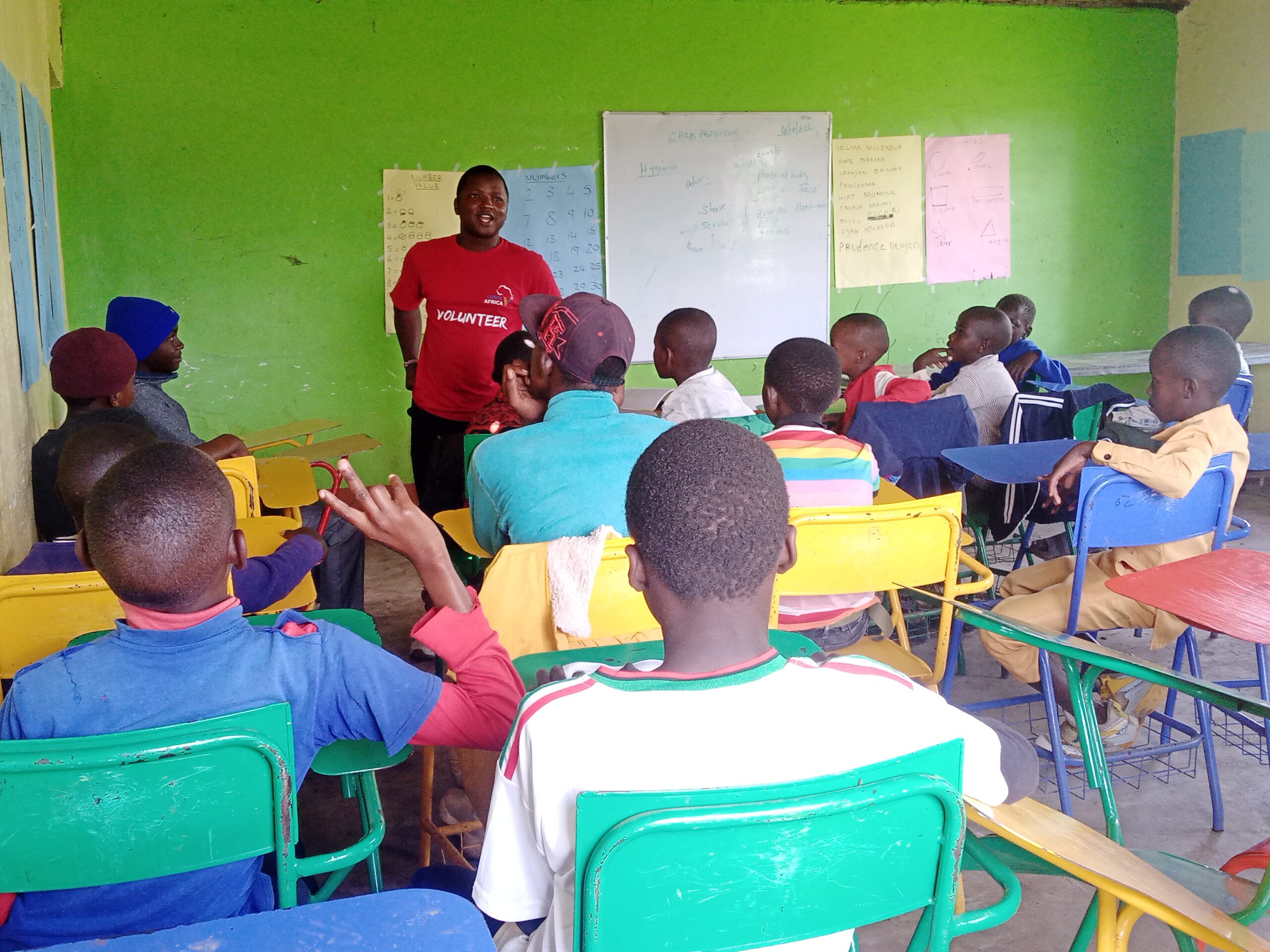
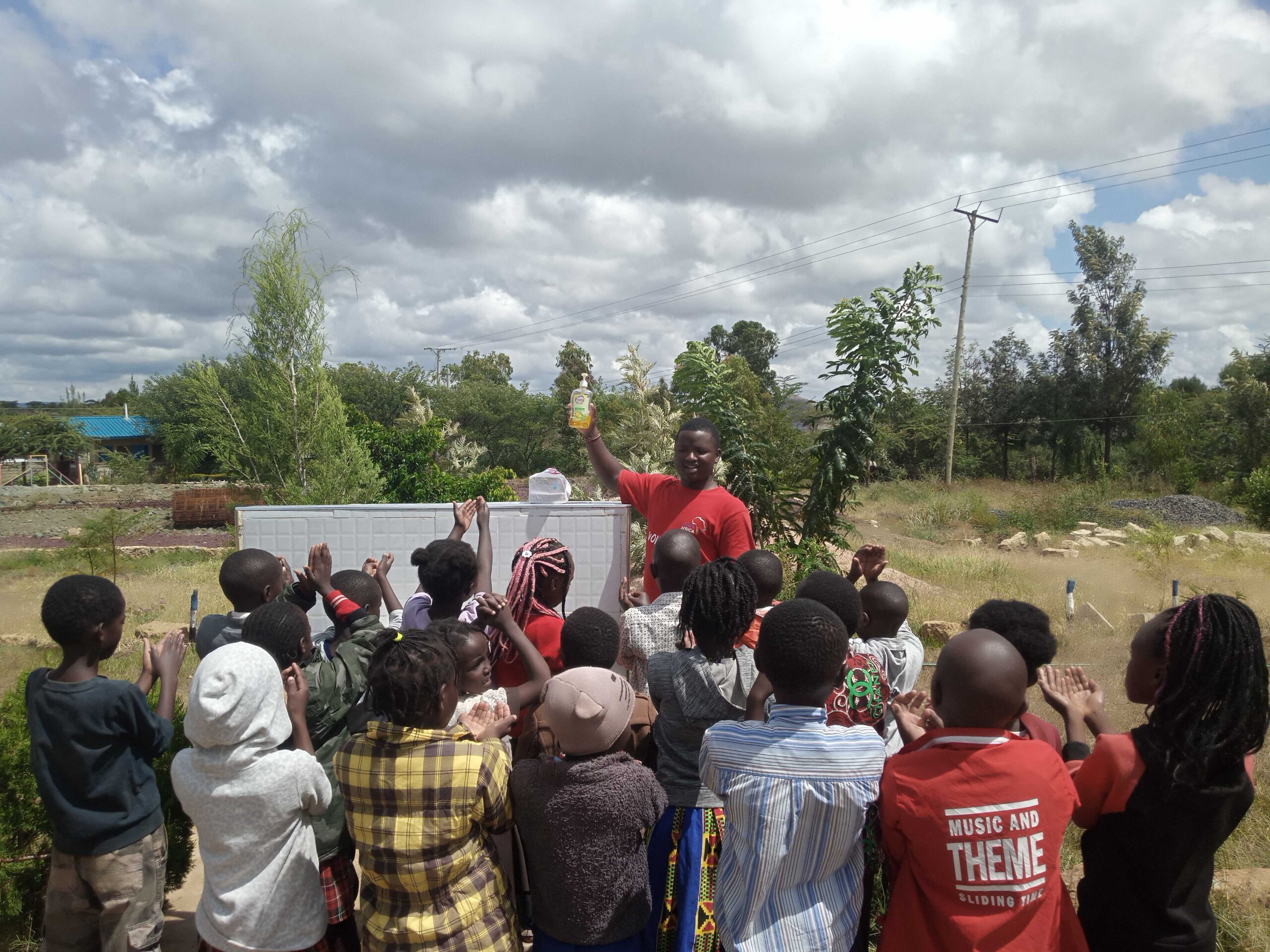
“A healthy nation is a wealthy nation” and that’s what I taught children aged 8 to 11 at MCK Ntumburi Child and Youth development Center. Here, we didn’t teach it with slogans but with soap and water. I took them out for a practical class on hands washing, their eyes lit up as they followed the “Germs Journey, “a simple but powerful lesson on how invisible germs travel from hands to food, from play to illness, and how hand washing can break that chain. For these children, it was more than hygiene, we had come along way from understanding germs, where they are found and why we should wash our hands. Learning the art of handwashing was a first step toward protecting their health and shaping habits that last a lifetime and this is what kimathi had to say when I asked him about what he had learned “ teacher, I have learned how to wash my hands, germs cannot find me” this showed that the children now had power, power to protect their own health, one scrub at a time
From germs to choices
The teenagers came next. Under the Grow Up Smart program, we sat with boys navigating the fragile space between childhood and adulthood. We talked about hygiene, safety, and the dangers of drugs and substance abuse. Their questions revealed both curiosity and fear, but also hope. In their willingness to listen and share, I saw futures being safeguarded not by lectures, but by honest conversations about choices and consequences.
From choices to leadership
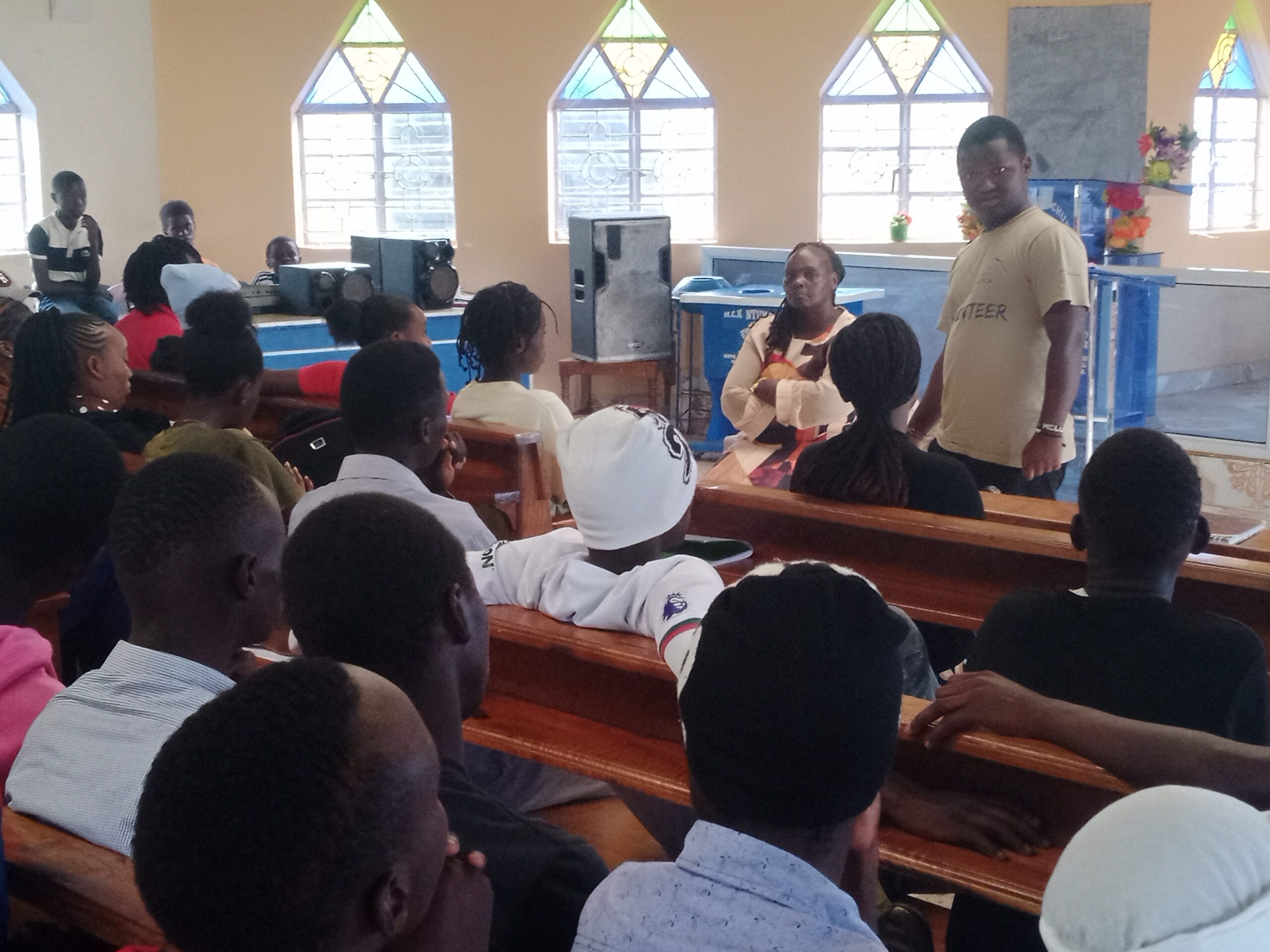
For the youth, the focus shifted to leadership and mental health. In a community where leadership wrangles often spill into meetings, training young people to lead with integrity and resilience felt urgent. We explored decision‑making, empathy, and the importance of caring for one’s mental well‑being. This is because you can’t build strong communities with broken leaders. Many admitted to silent struggles anxiety, pressure, uncertainty. Creating a safe space to talk about these issues was as important as teaching leadership skills. Strong communities need strong leaders, and strong leaders need healthy minds.
From leadership to livelihoods.
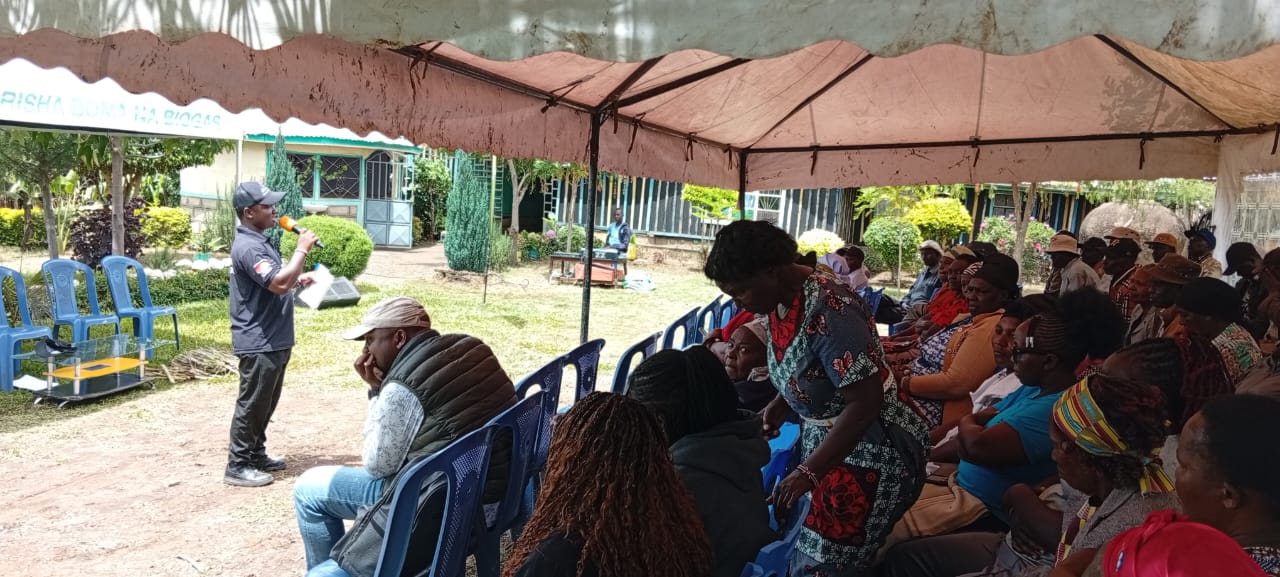
The month’s highlight, however, was with the farmers. Over fifty gathered to learn about azolla farming, a simple aquatic plant with the power to revolutionize animal fodder. With support from Lewa Conservancy, I taught farmers how this plant reduces feed costs, improves livestock health, and strengthens food security. Farmers leaned in, asked questions, and got more farmer centered feedback from James Muthaura a very noble agricultural extension officer at the Lewa conservancy for them, azolla was not just a plant, it was a promise of resilience against dry seasons and shrinking pastures.
The bigger tapestry
Each of these sessions’ children washing hands, teens confronting choices, youth embracing leadership, farmers adopting innovation, was a thread in a larger tapestry. Together, they show how development is not about one grand project, but about many small, deliberate steps. Corps Africa’s model thrives on this principle: listening, facilitating, and empowering communities to find solutions within themselves.
The reality checks
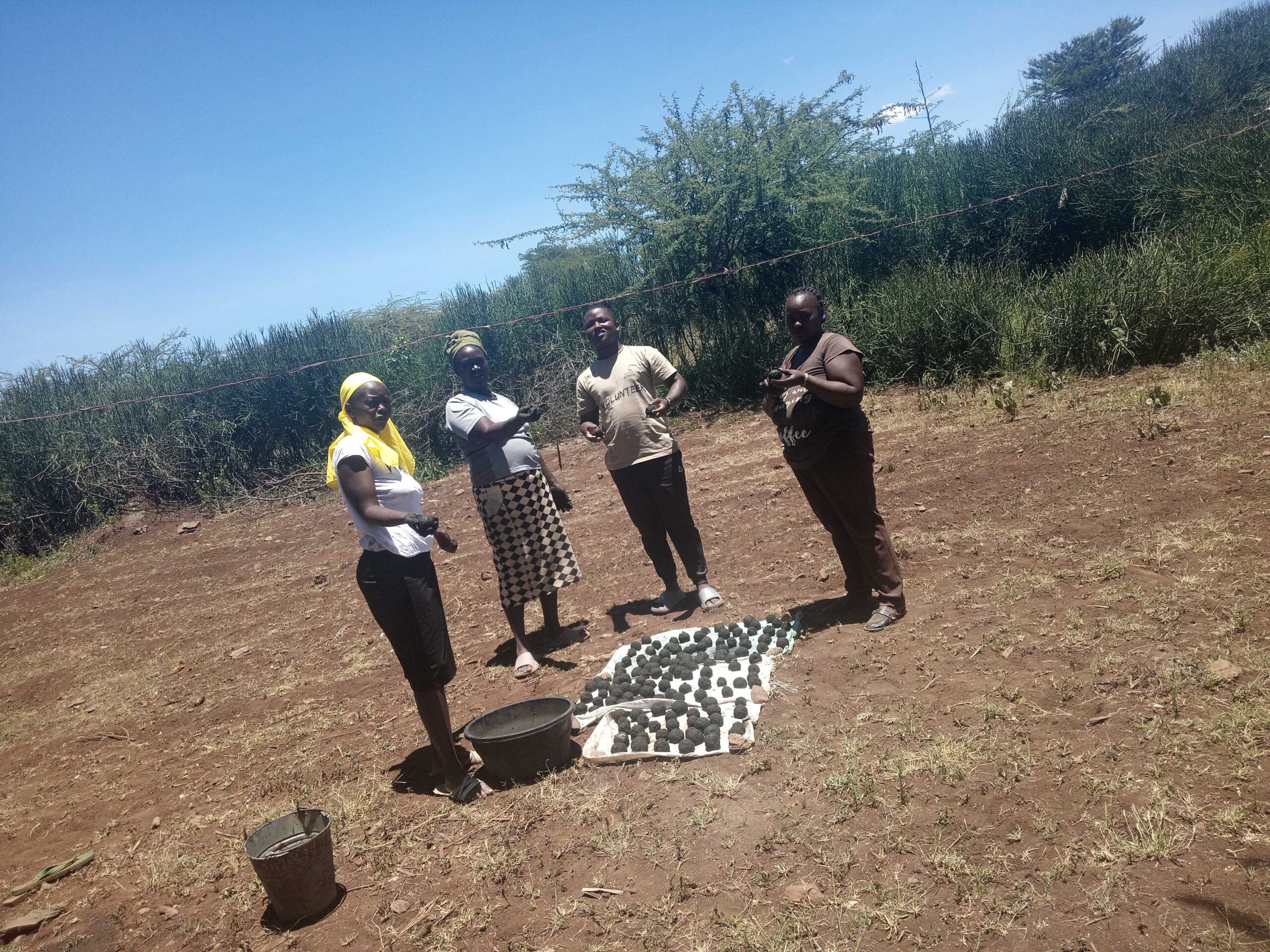
The challenges remain. Leadership wrangles test patience, resources are scarce, and the anxiety of whether contributions will meet targets is ever‑present. Yet the resilience of the people is undeniable. From Mama Ken shaping charcoal briquettes to children scrubbing their hands with soap, the spirit of innovation and determination is alive.
The journey continues
This is the story of Ntumburi: a community in motion, learning, adapting, and growing. And it is the story of a volunteer’s journey walking alongside them, from germs to growth, from fear to courage, from ideas to impact. Resilience is not built in boardrooms is built at the hand washing point, in the youth circles and in the farmers determination to bring a solution for animal fodder.