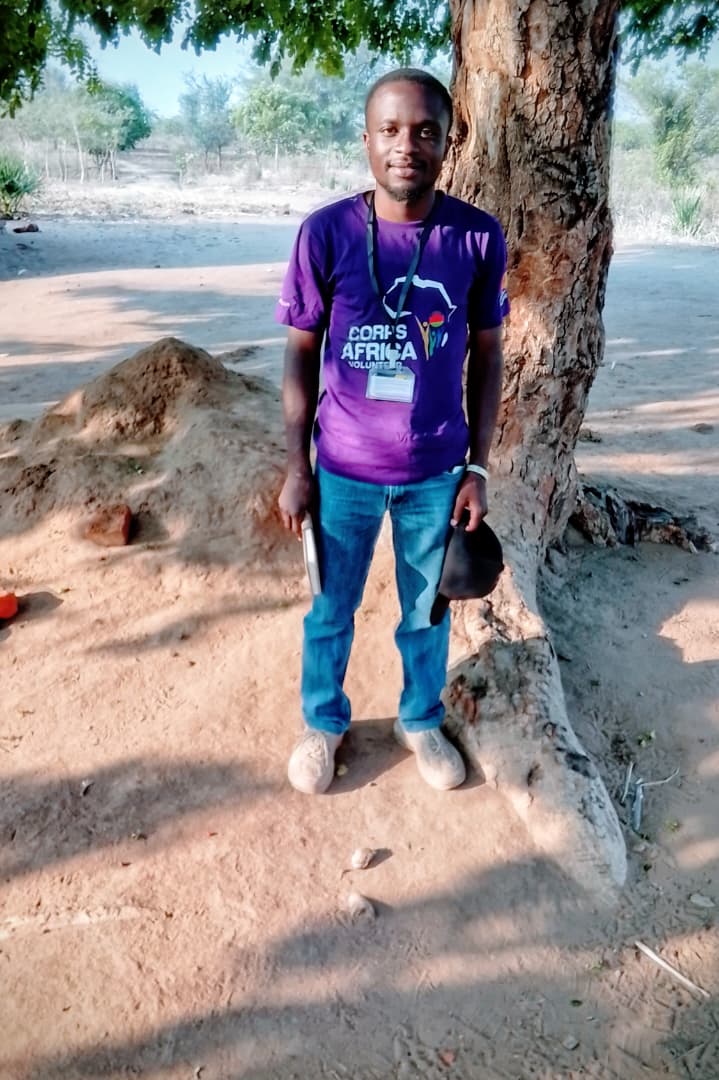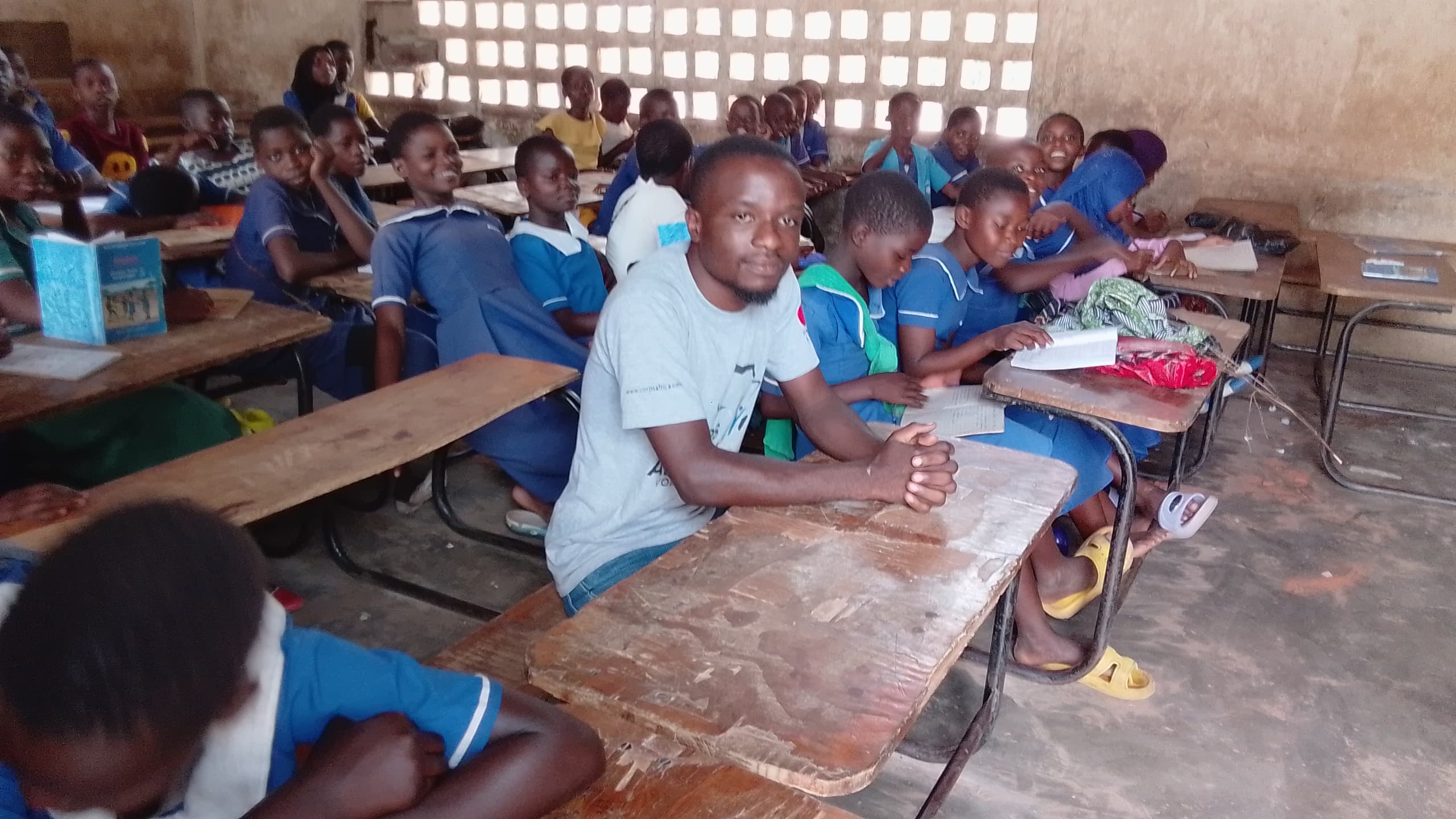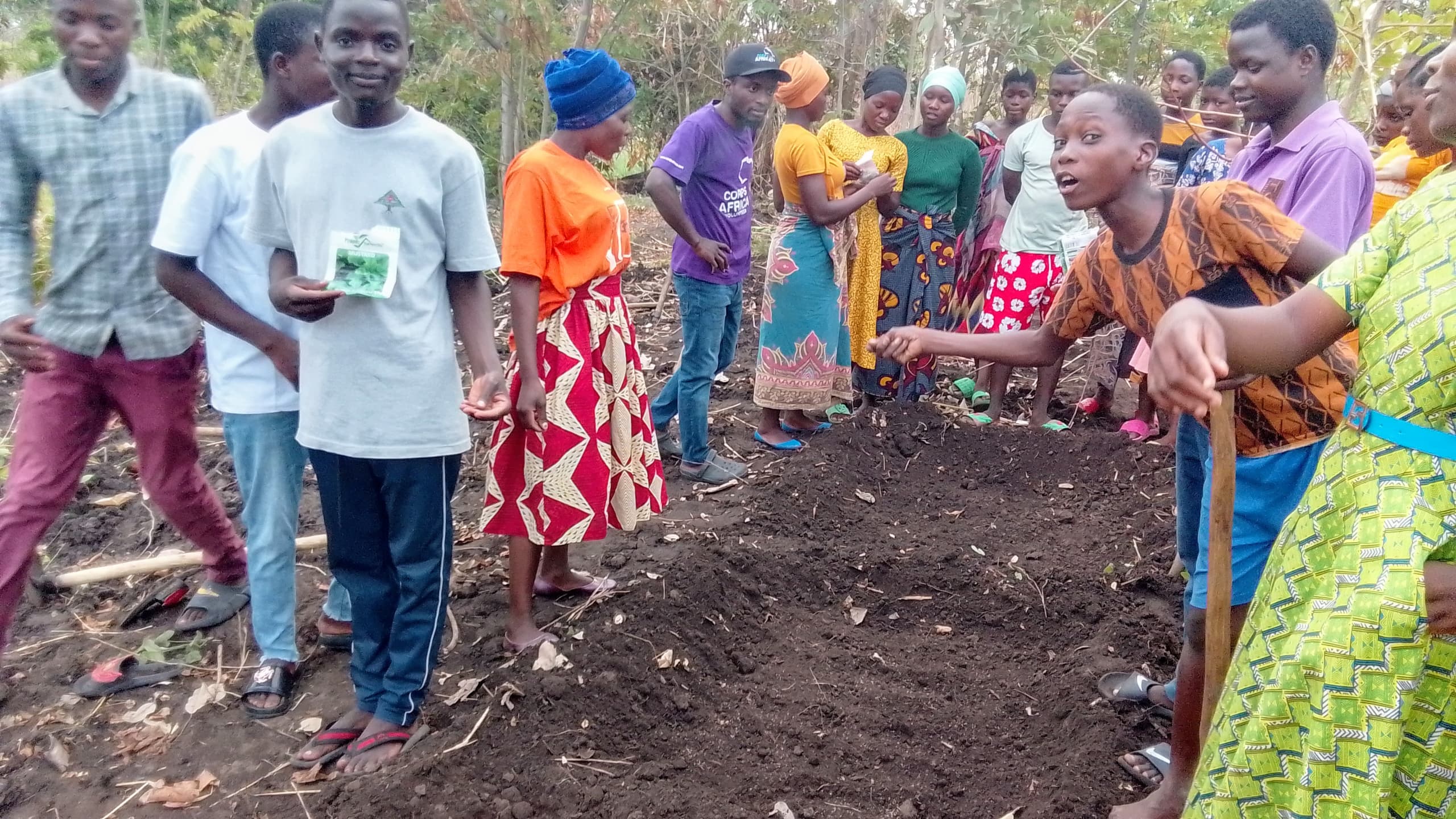
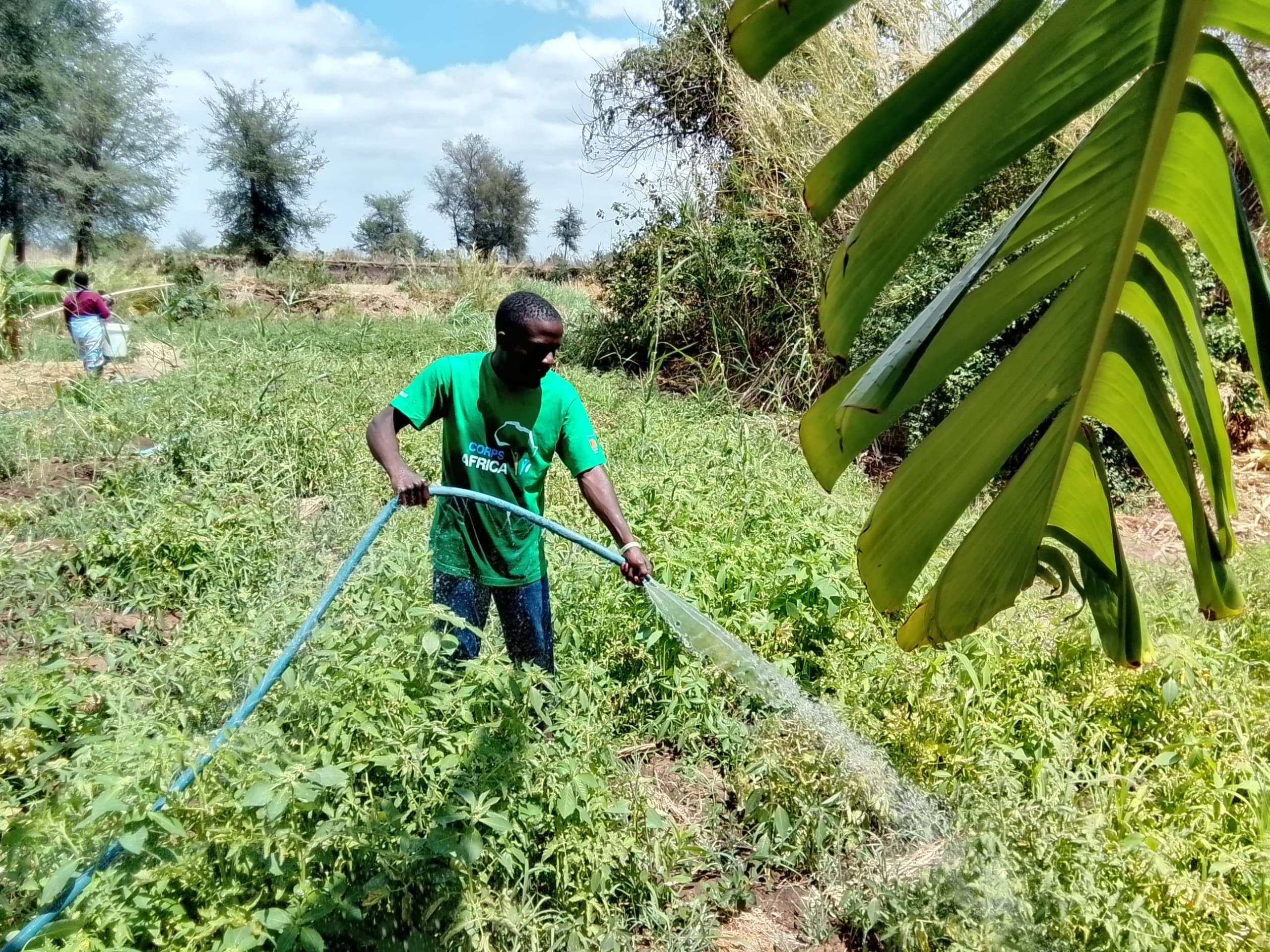
When I first heard that I would be working with a rural community in Machinga, Malawi my heart danced with excitement. I pictured warm smiles, shared meals, and people living in harmony, a place where even a stranger could ask for accommodation and be welcomed like family. I imagined a community where everyone worked together for one goal which is development.
To be honest, that picture wasn’t entirely wrong. But soon, I learned that working with communities is a journey filled with both love and learning, one that tests your patience, resilience, and adaptability more than any classroom ever could.
The first few weeks were an eye-opener. Some community members welcomed me with open arms, eager to collaborate and bring change. Others, however, kept their distance, hesitant, reserved, or even resistant. I came to realize that every community has its own complexities such as divisions caused by local leadership wrangles, differing priorities, political differences, and past disappointments from projects that never fulfilled their promises.
I remember one day organizing a youth meeting. My team and I had spent days mobilizing, walking from house to house and spreading the word. When the day finally came, not a single youth showed up. It was discouraging, but that was not a moment to give up. Instead, it became a moment to restrategize. I learned to listen more, observe patterns, and build trust slowly through one handshake, one conversation, and one follow-up visit at a time.
The meetings became to be patronized by the community members including the youth but that was enough to be done. One of the best lessons I took from our Pre-Service Training (PST) was the art of facilitation, which is not just about standing in front of a group and talking but learning to read the room. Imagine facilitating a meeting where some members are actively contributing, others are whispering side discussions, and a few sit quietly, lost in their thoughts. PST taught us that good facilitators can “sit in the meeting and under the mango tree at the same time,” meaning they remain aware of every group dynamic. You encourage the quiet ones, redirect off-topic conversations, and keep everyone focused on the same goal.
PST also taught us conflict resolution, patience, and resilience, skills that proved invaluable when faced with misunderstandings or resistance. Without those lessons, it would have been easy to misread situations or take things personally.
PST was not just about theory; it was about preparing us physically and psychologically for the realities of community work. It helped me understand that volunteering is not about helping people; it is about walking with them, learning their stories, understanding their challenges, and earning their trust through consistency. Every challenge, from empty meetings to silent participants, became a chance to apply what I had learned. Every small success, whether it was a meaningful conversation or a productive community meeting, proved that patience truly pays off.
The importance of training before deployment should never be underestimated. It is a compass in unfamiliar terrain. It does not just teach how to work, it teaches how to listen, adapt, and grow. When your own empty meeting day comes, remember that it is not a failure but part of the story that will one day inspire another volunteer to keep going. In the end, it is not just about serving the community; it is about becoming part of it.