Since always, I’ve been asked this question: Why do you choose to volunteer and get nothing in return, no salary, no benefits when a professional career offers financial stability? But is it true that we gain nothing from volunteering and it is just an experience?
Volunteering is the act of willingly offering one’s time, skills, and knowledge to support a cause, community, or organization without expecting financial compensation. It aims to contribute to social, cultural, environmental, or humanitarian development while promoting solidarity, civic engagement, and positive community impact because we want to and we care.
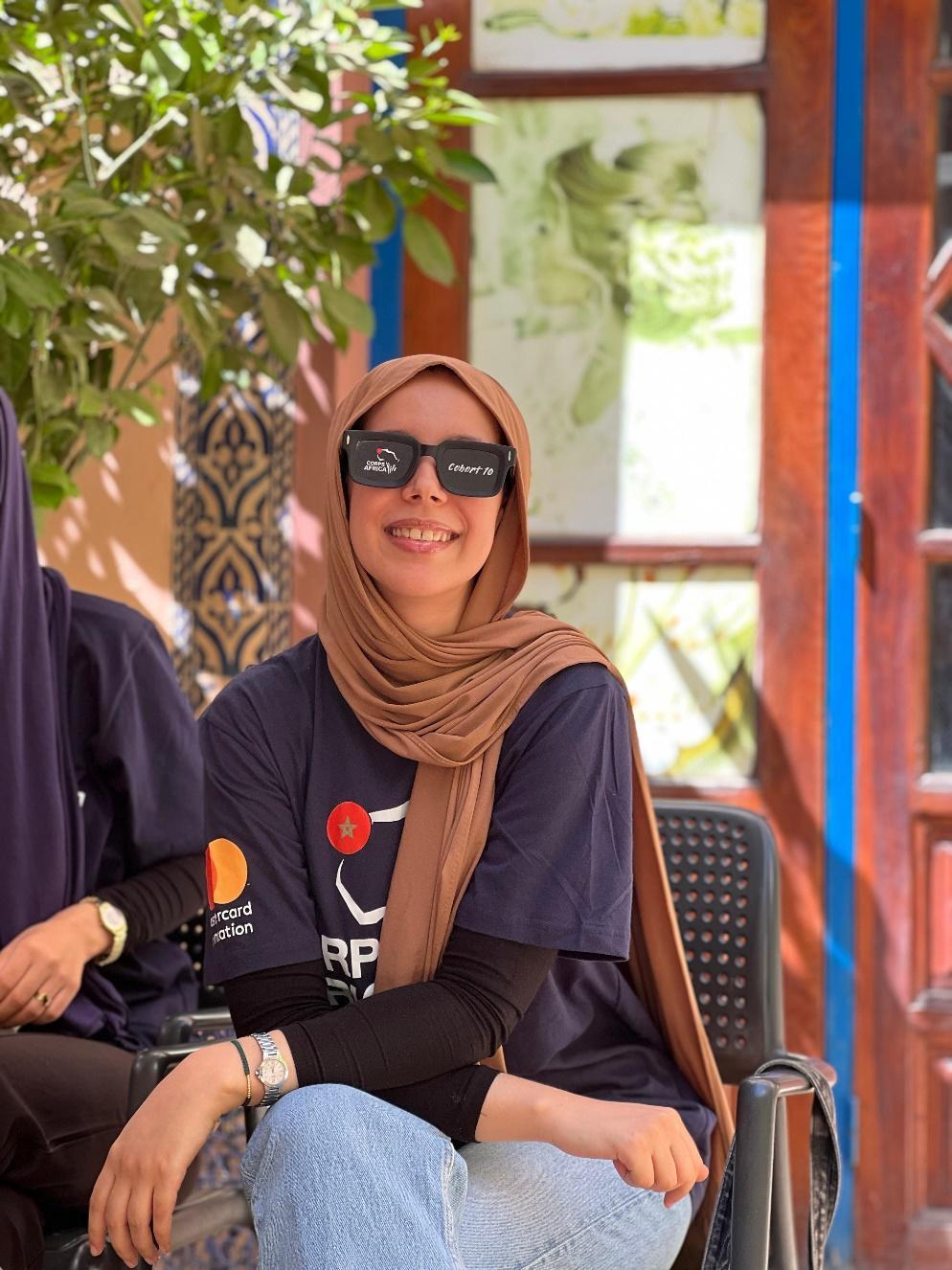
From my experience with CorpsAfrica/Morocco, I experienced many beautiful moments and met amazing people. It was my first time visiting a douar; I had never lived in a village or known what Maarouf is: a (traditional gathering where people come together to share food and support one another, often organized during religious or cultural occasions to celebrate blessings, thank the community, or help people in need. ), nor how to speak or understand the Amazigh language. I had been living in Morocco for a long time but had no idea how people live in the mountains and villages. Without this opportunity, I would never have known. Moreover, I learned a lot from these people and about myself. I discovered I am passionate, calm even under stress, and a natural problem solver, skills I might never have realized otherwise.
Being open-minded is one of the most important traits for a Volunteer. I developed this over years of volunteering by communicating, facilitating discussions, and connecting with people from diverse social backgrounds, which allowed me to gain new skills, respect and accept different religions and beliefs with respect and without judgment.
Listening is another critical skill I honed during this period. Sometimes, great change comes from a simple conversation or a passing word. In our Pre-Service Training (PST), our trainers emphasized that Human-Centered Design (HCD) is a problem-solving approach that places people’s needs, experiences, and perspectives at the center of designing solutions. Listening is a key step because it helps identify real challenges, build trust, and co-create solutions with the community rather than for the community.
Creating networks, meeting people, and building relationships help not only personally but professionally. Exchanging ideas and conversations often leads to future collaborations and opportunities that are easier to reach because of these connections.
Effective communication is a fundamental skill for Volunteers. Communicating with people requires building trust, conveying messages clearly, and encouraging interaction. These abilities help make a positive impact in any context.
Perhaps the most transformative skill I developed is adaptation, before my service in the douar, I worried about my life without a network, different food, and basic resources. Living in a village in the mountains was challenging, but it took only a few days to integrate, live as the community lives, and participate fully in their daily routines. This taught me that I can adapt to any situation.
And as with every experience in life, there are not only advantages but also challenges. From my own experience, I faced countless challenges every day. I often ask myself if the risks and effort are worth it, yet something inside tells me,: for whom would you leave your community? You belong here now, and you should finish what you started. The next morning, I wake up with the strength to empower my community, organize activities, and seek collaborations. From these challenges, we build resilience, learn, and grow. Nothing is easy, but after a long journey, we truly taste the success.
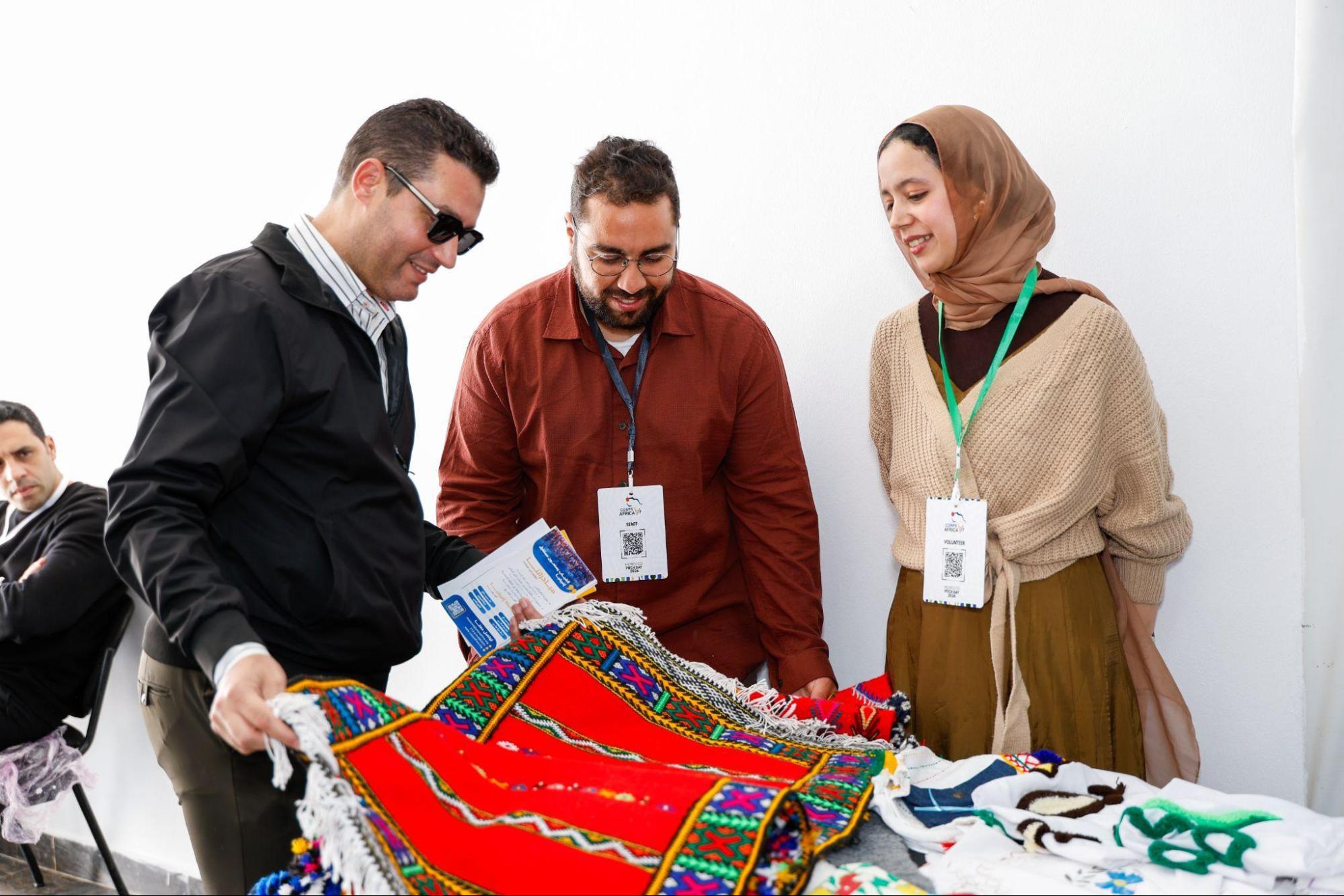
After building trust and relationships, empowering the community became my focus. Using Asset-Based Community Development (ABCD), I helped identify existing strengths, skills, and resources within the community. For instance, we initiated crochet sessions where local women already skilled in the craft, volunteered to teach additional sessions beyond the regular schedule. They shared their techniques, patterns, and personal tips with other women in the village, creating a supportive learning environment. This initiative not only strengthened the participants’ skills but also encouraged peer-to-peer mentoring, built confidence, and fostered a sense of ownership and collaboration within the community. And proving that even small support and encouragement can spark sustainable change.
Seeing people’s smiles and pushing them to create change is a blessing. It gives me the drive to continue helping marginalized communities, and as youth, we must be aware of this. Volunteering is a part of life where we learn, grow, and develop a strong personality. Adaptability, communication, resilience, and vision for a better future are developed both personally and professionally. These experiences develop not only personal growth but also professional capabilities that are highly valued in any career.
With all these qualities developed through volunteering, who would question the value of such an experience in shaping a strong professional? Volunteering has taught me that growth, learning, and creating a positive impact are rewards beyond financial compensation. It shapes your character, builds essential skills, and connects you to communities in ways that transform both their lives and your own.
As beautifully said by Mahatma Gandhi:
“The best way to find yourself is to lose yourself in the service of others.”