When I first heard I would be living in the ghetto, my heart raced with anxiety. I had never been in such an environment before, and I didn’t know what to expect. The word ghetto came with its own set of images and assumptions: poverty and insecurity. For someone who had never experienced that world, I felt unprepared. I kept asking myself: Will I be safe? Will I fit in? Will I be able to adapt?
But life has a way of teaching us that not everything we fear is meant to hurt us. Sometimes, it’s meant to shape us.
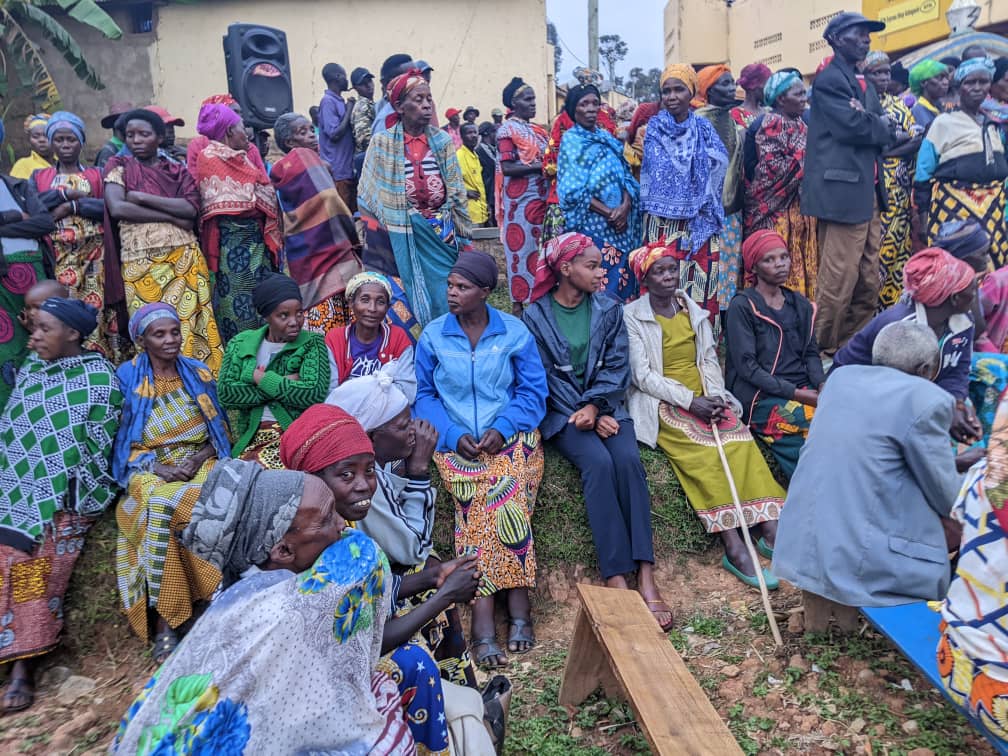
When I arrived, the reality was different than I imagined. Yes, the roads were dusty, the houses were small, and the living conditions modest. But what stood out to me the most were the people. There was energy in the streets, children playing and laughing, neighbors helping one another, and a strong sense of togetherness. People greeted me warmly, even though I was new. That human connection eased my fears.
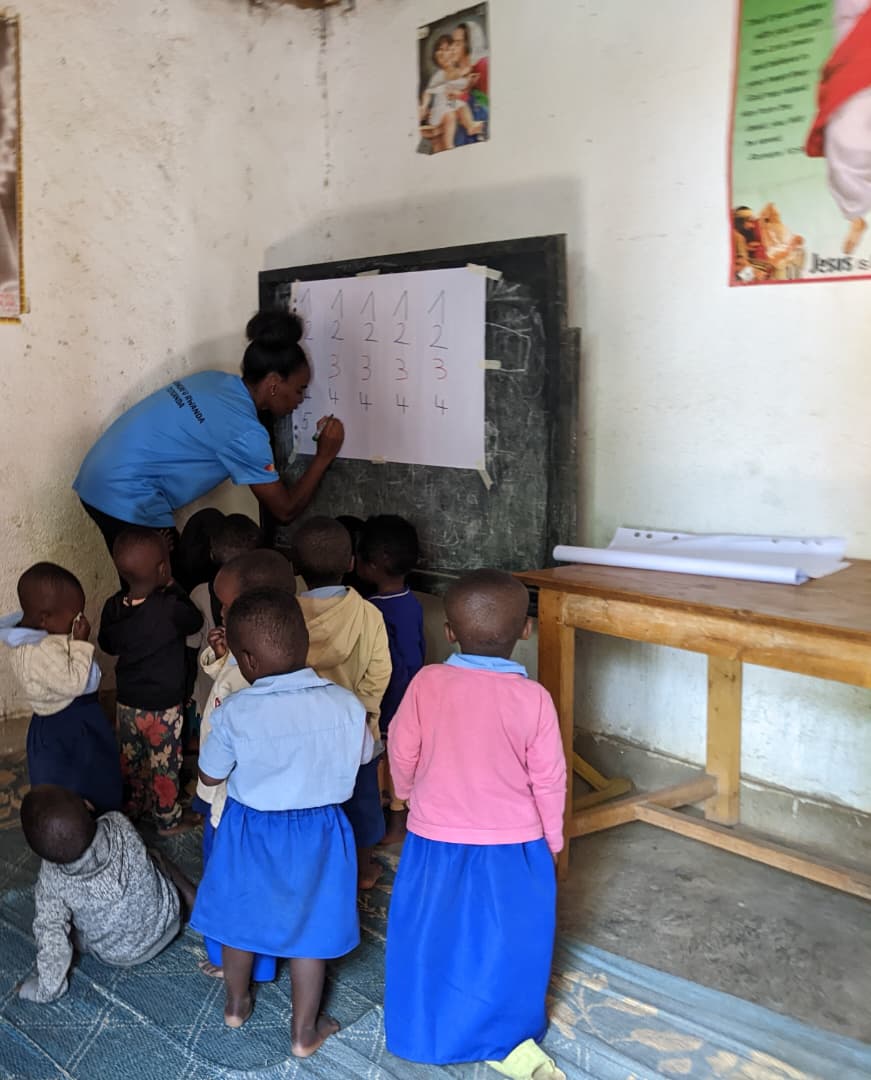
During my first days, I listened more than I spoke. I observed the daily life of those around me: the women waking up early to sell vegetables, the young students walking long distances to attend school, the families sharing meals even when there was little to go around. I started to realize that this wasn’t a place to fear; it was a place full of strength, creativity, and resilience.
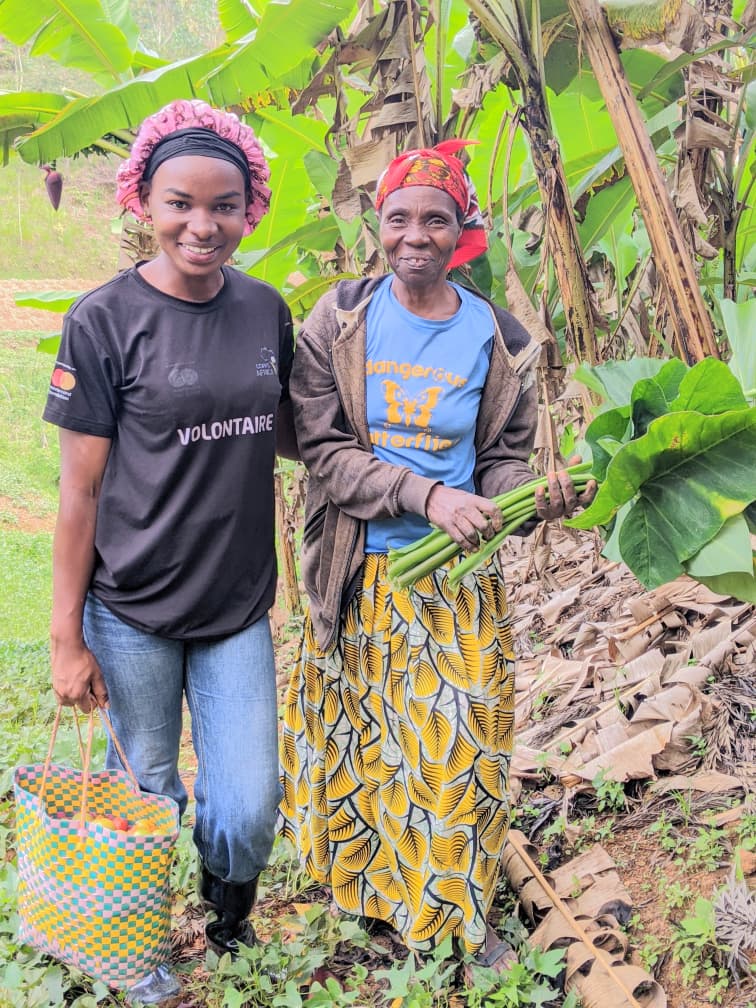
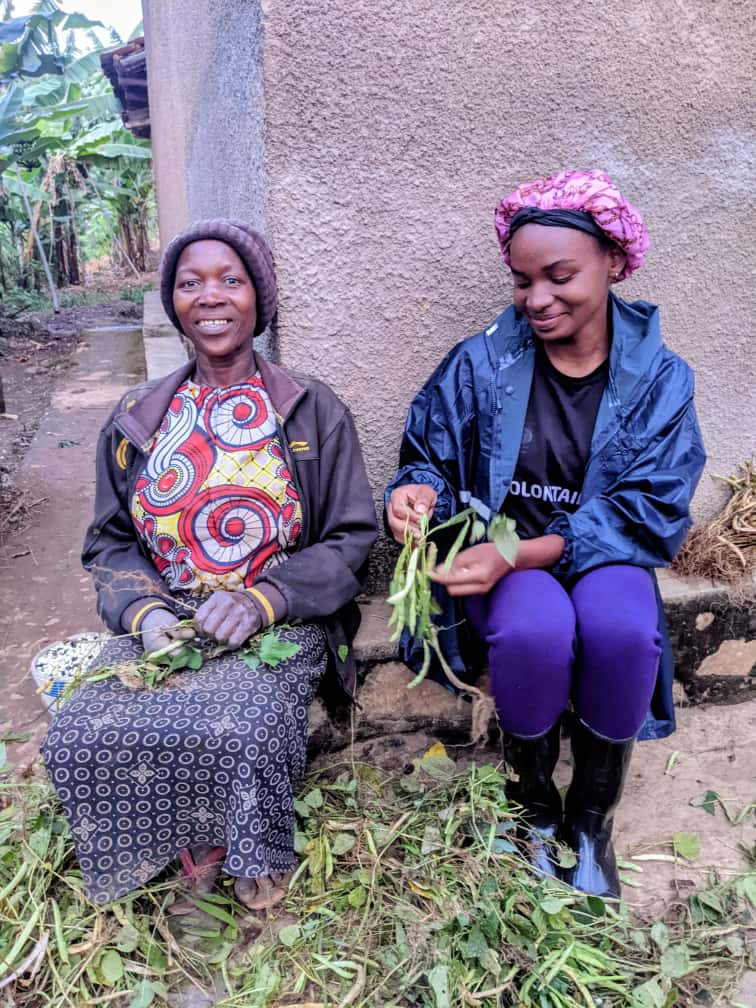
As a volunteer, I came with the intention to help. But day by day, I began to understand that I was the one being helped. I was learning lessons no classroom could teach me. I was seeing the world through a new lens, one that wasn’t clouded by assumptions but made clearer by lived experience.
I learned that poverty does not define character. I met people with big hearts, sharp minds, and a passion to rise above their circumstances. I learned that growth comes when you step out of your comfort zone, and what was once unfamiliar became a second home.
There were moments of discomfort, of course. Power outages, water shortages, noise, and cultural differences. But those were small compared to the friendships I built, the inspiration I drew from the people I lived among, and the personal transformation I experienced.
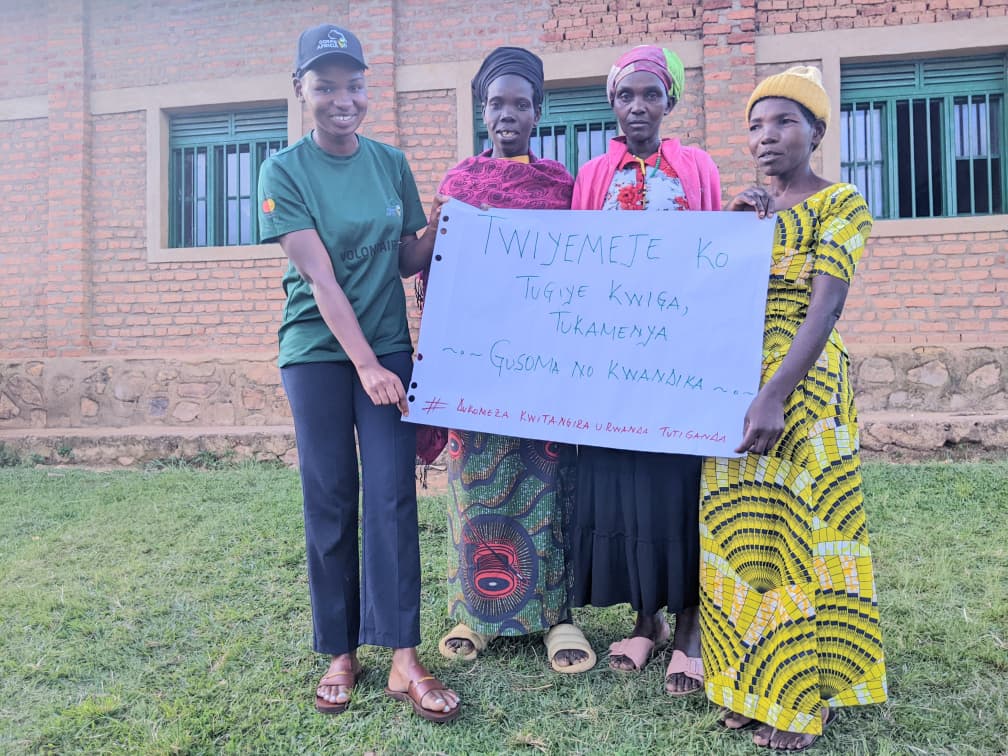
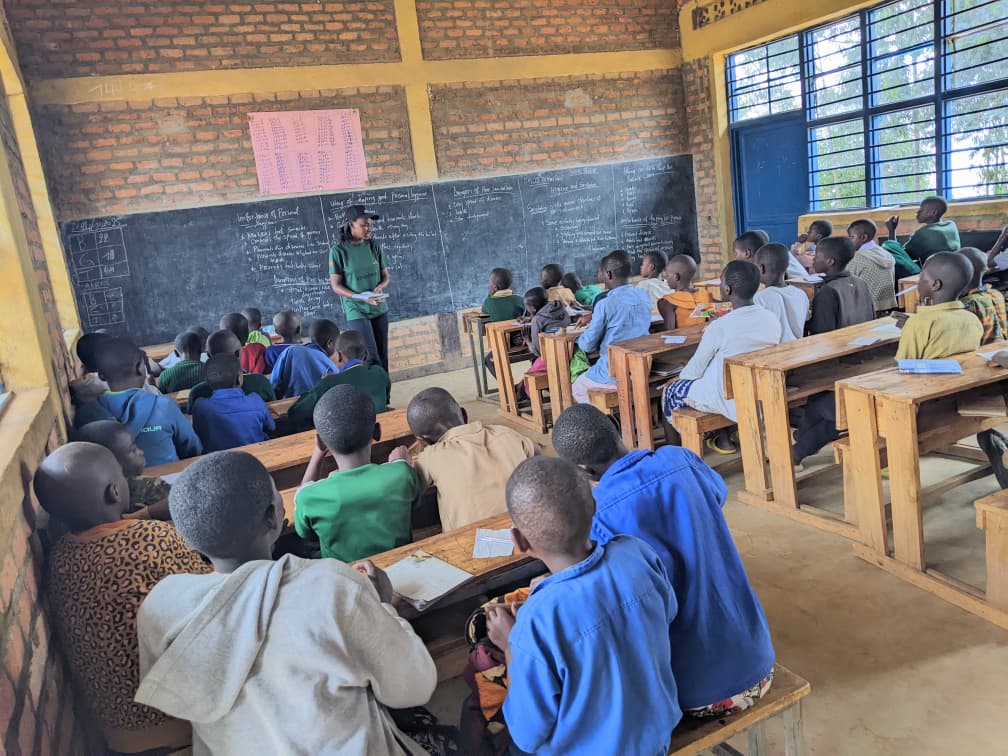
I have now reached a point where I work with all groups within the community, including adults, youth, and children. The entire community and I collaborate in many important activities. Through this partnership, they learn from me, and I also learn a lot from them. In short, my community and I have become one strong and united family, working hand in hand for sustainable development.
Now, looking back, I smile at how nervous I was. What I thought would be the hardest part of my journey turned out to be the most meaningful. Living in the ghetto was not just about surviving a new environment; it was about discovering a new side of myself.
To anyone reading this who may be stepping into the unknown, my advice is: Don’t be afraid. Let the experience change you, let it humble you, and let it teach you. The most valuable life lessons are often found in the most unexpected places.
Nothing was too hard; everything was a lesson. I am deeply grateful for all I’ve learned.