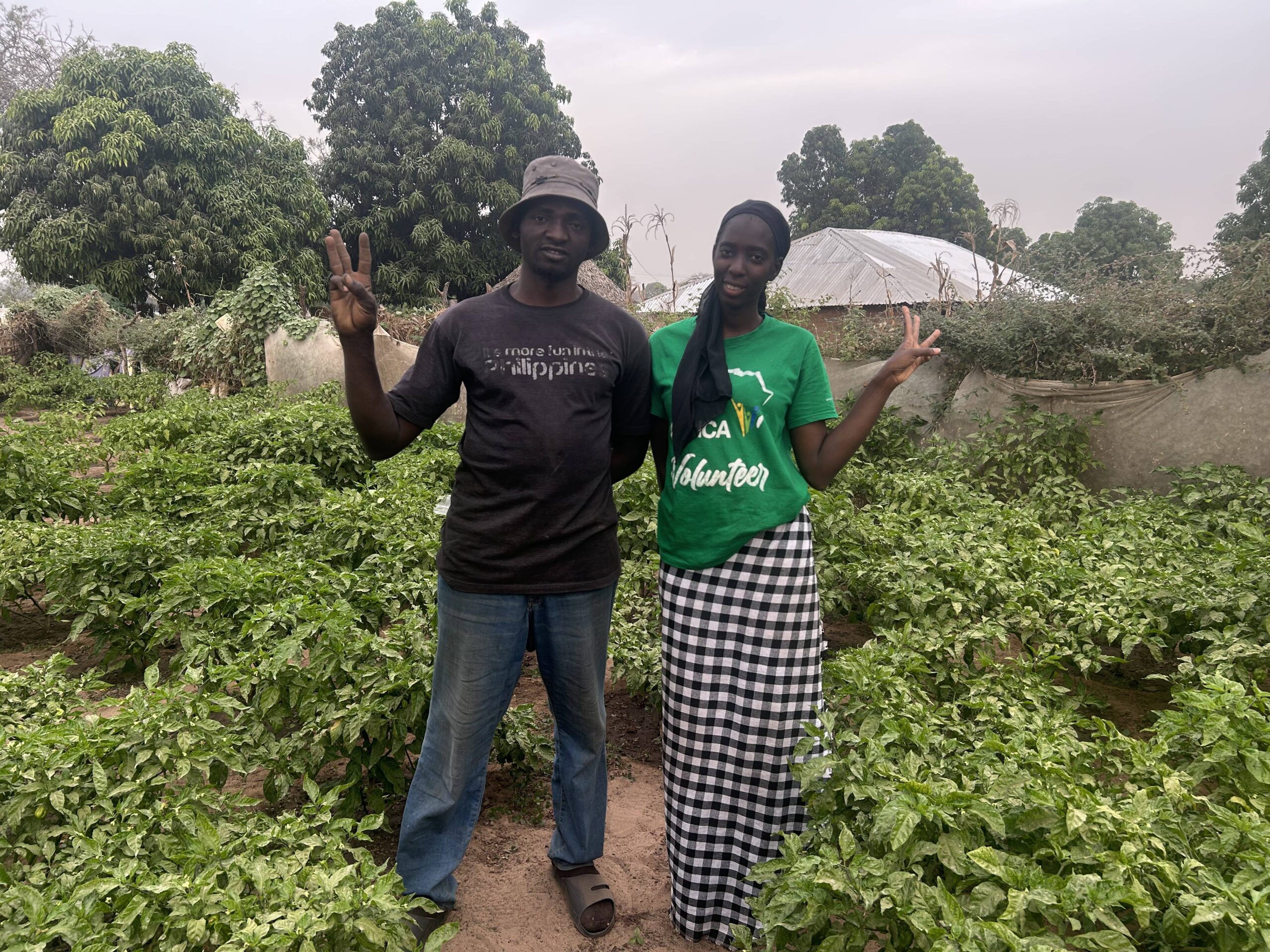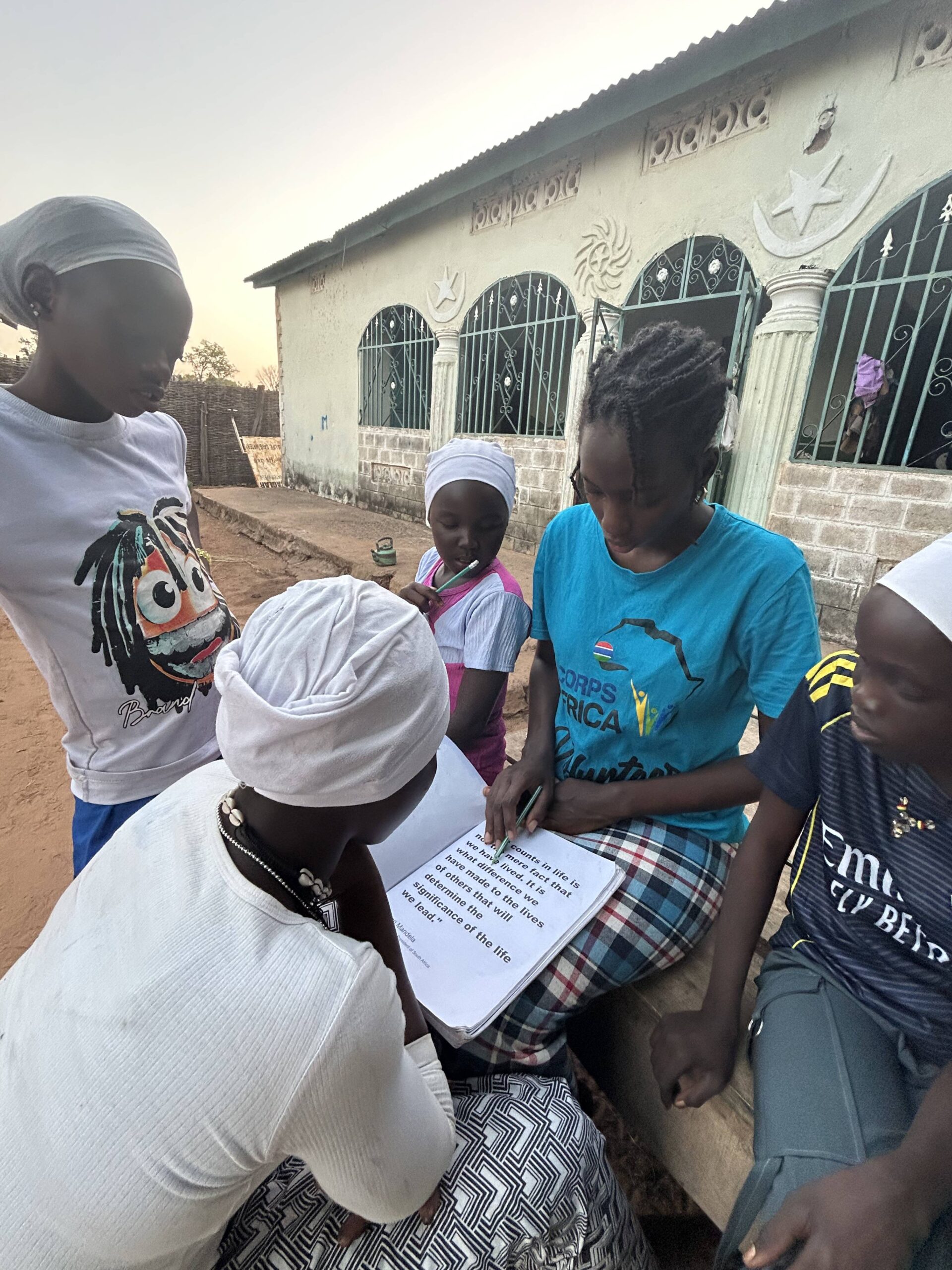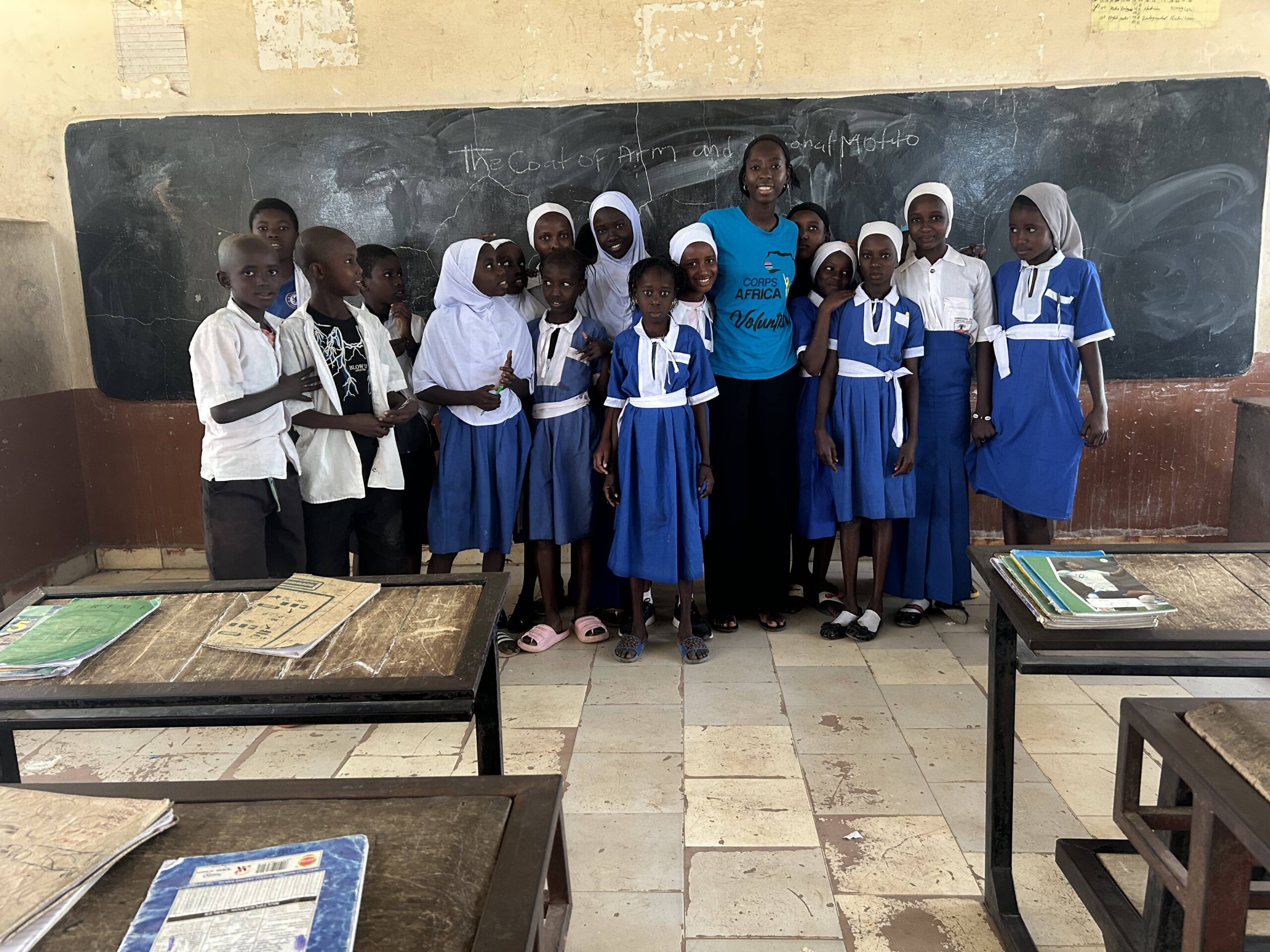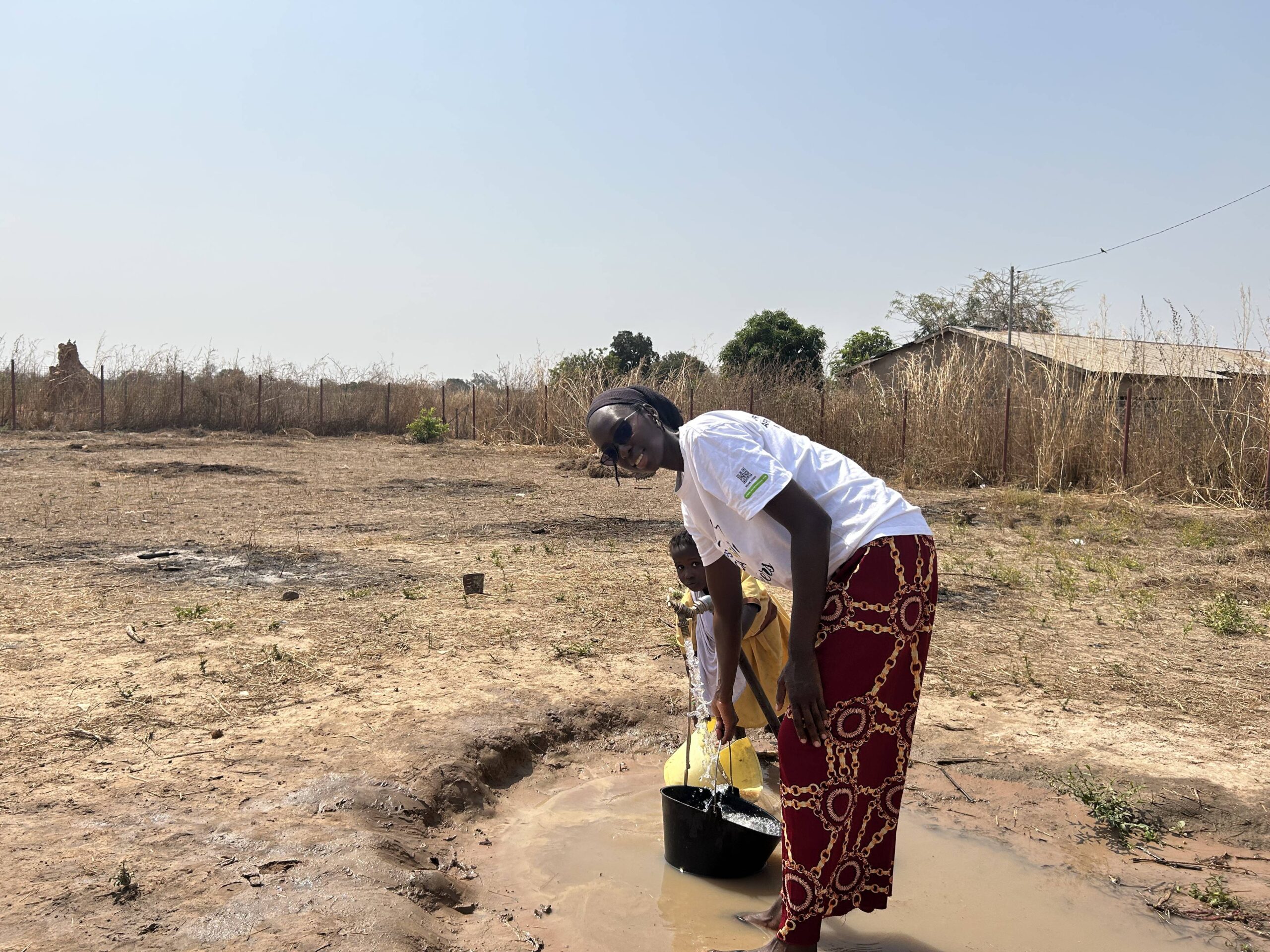
From the first day I arrived in this community, I knew this experience would be different from any I had ever had. From the environment to the people, everything felt new and unfamiliar. As I looked around, my heart felt empty yet excited at the thought of my mission here. The streets were quiet, the sun hit my face gently, and I felt warm and cold at the same time. It felt like a warm embrace, one that carried uncertainty and purpose. At that moment, I knew it was the start of a new chapter.
From a girl who spends most of her time indoors, introverted and shy to now a girl on a mission ready to make a change and impact lifes. During my integration going from house to house, I wore a confident look I knew. I knew how to act and what to say. But after leaving one compound heading to the next, one thing came clear to me, I can’t speak their language.
On the outside, I smiled as someone help translate for me, but on the inside, I felt completely lost. I was sad because I felt myself losing connection with the very people and the community I was meant to serve. A realisation hit me, this is going to be a big challenge. The people were so reserved, and made me feel conflicted. I wondered if it was because I was a stranger, or simply because I couldn’t speak their language, that I felt such distance.
At first,I didn’t know what to do. But one thing I am grateful for is choosing honesty. I told them I didn’t speak the language but that am willing to learn and needed them to teach me. That statement worked wonders. Everytime I said it, I heard laughter and saw smiles on their faces. In those moments, I felt relief and a sense of acceptance.
As days passed and I continued engaging with the community members, I slowly began to feel at ease. They tease me, they speak their language to me and I also begin to catch up on a few words and learned how to respond, especially during greetings . I remember my translator once told me that no matter what they say while greeting, I should just respond with “ jamtam”. It sounded funny at first, but it worked perfectly. My favourite words were “aye” and “ala” meaning yes and no. They giggle anytime I say “aye”, because of how funny it sounded when I say it. Those moments of laughter became small but powerful bridges of connection.
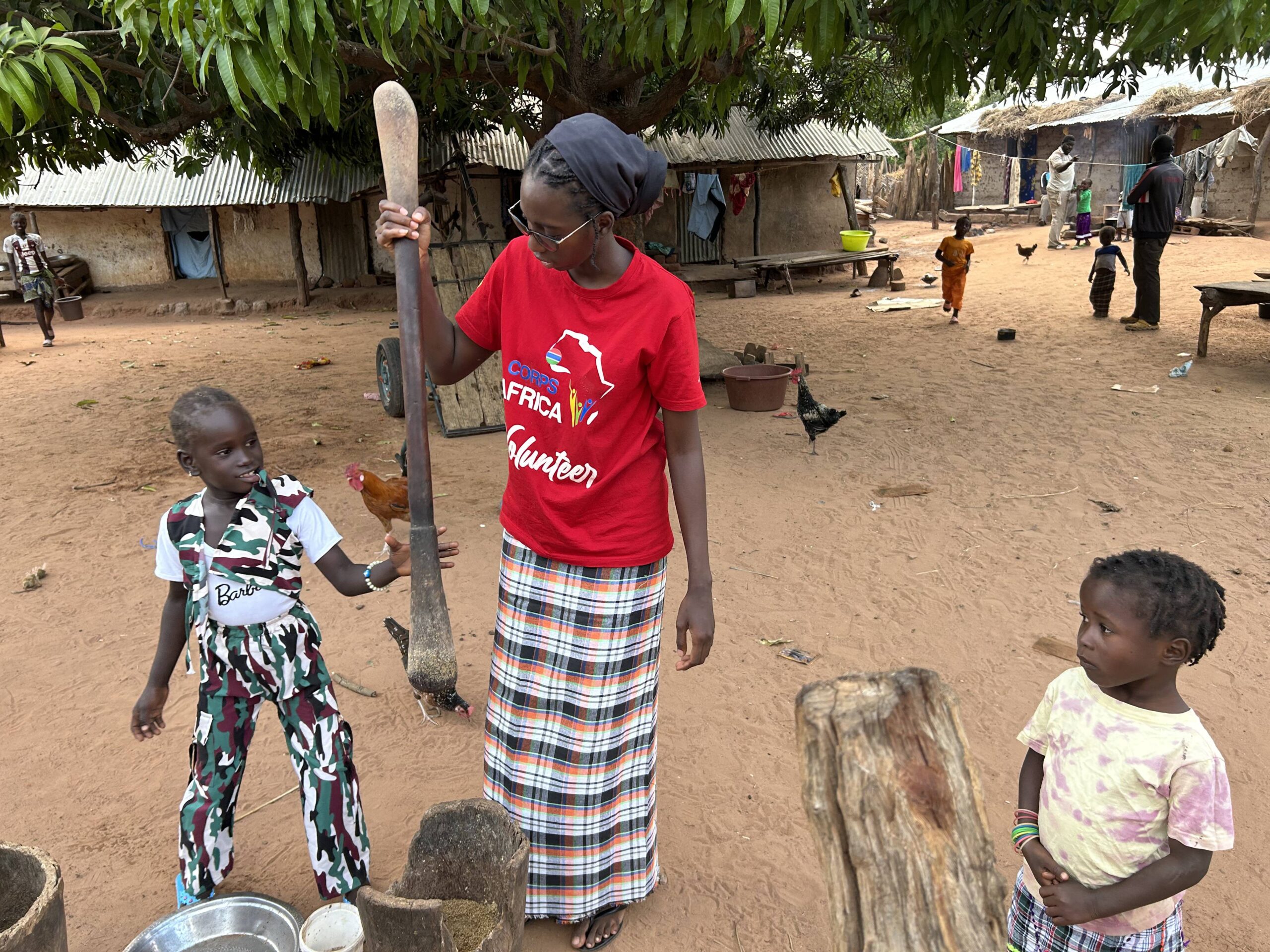
I especially bonded with the children of Sibinding, they are active, incredibly welcoming and very curious. Unfortunately for me they only speak their language “Fula”. Communication with them was difficult at first. But their eagerness never faded. Whenever I said I don’t understand, they would repeat the words slowly, one by one, as if that would suddenly help me comprehend them better. When they noticed the confusion on my face, we would look at each other and laugh.
As I spent more time with them, I began picking up small things, phrases and everyday words. From greeting them “yanwal” ( Good Morning) to saying “arr ga” ( come) each new word gave me confidence. Their patience and excitement to teach me their language encouraged me to speak the little I knew and motivated me to learn more so I could connect with them better.
The women of Sibinding left an even deeper impression on me. They are simple, reserved and incredibly hard-working. Beyond taking care of their family , they take on the responsibility of earning extra income. The community doesn’t have a community garden so these women go deep into the forest to make a “forr“ charcoal production.
Growing up, I knew about charcoal making, but I always thought this work was only meant for men, my whole perspective shifted when I realized that here, women are the ones doing this labor.
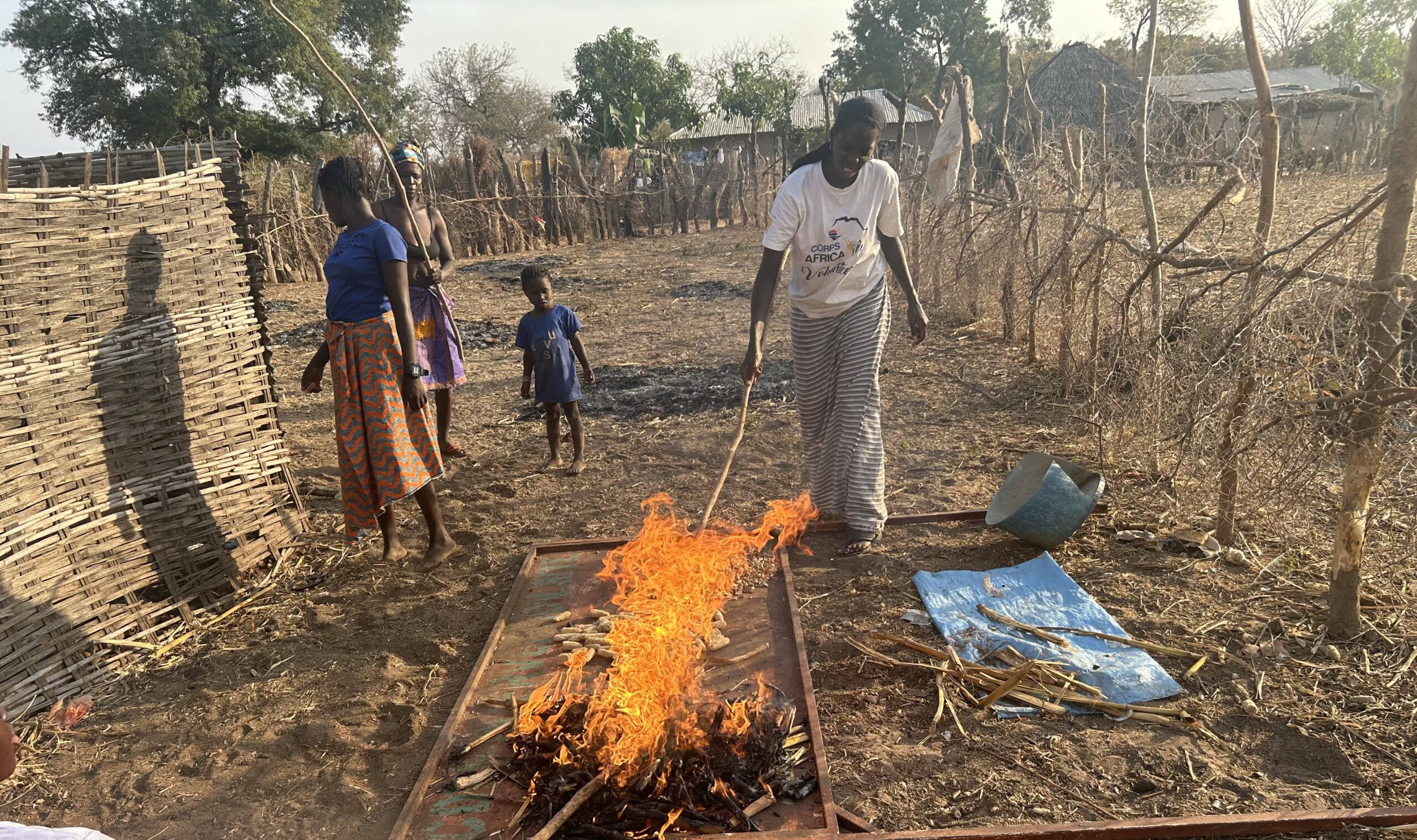
My first day at the “ forr” shocked me. I watched how hard these women worked. From the dust, the heat and the amount of effort it took to produce charcoal was overwhelming. I almost cried. Yet they carried on it normal. I stood their watching amazed at their strength and resilience.
I decided to join them, I picked up the rack and began working. dragging the dirty as instructed. The heat hit my body immediately. At that moment, I felt like screaming, but held it in to appear brave. Deep down, I knew this is no easy job and if I was in their shoe I might have given up easily. Still, I kept on going. The women smiled, encouraged me and seemed happy at my effort.
Feeling bold, I picked up the spade. That decision quickly turned into disaster. As I tried patching up the area where smoking was coming out, suddenly a wave of dust entered my lungs. I immediately started to cough and the women burst out laughing and I laughed too. This was a core memory for me as I knew a deeper connection would come out of this whole experience.
From that day on, my mind was filled with ideas, activities and solutions that could help reduce the burden these women carry, because this work is physically demanding and harmful to their health.
Before arriving, I hoped to impact lives, not knowing that I would be impacted in more ways than I could imagine. I now understand the power of words and language, to understand and to be understood. I had watched videos online where people learned a new language and surprised others by speaking it, witnessing the joy and shock on their faces. Now, I was experiencing those same expressions firsthand, and it filled me with excitement.
Being among people whose language you do not speak, yet making the effort to learn and communicate, creates a deeper connection, not just with them, but within yourself. The journey may seem daunting and challenging from afar, but once you begin learning and connecting, the rewards outweigh the difficulties.
Reflecting on my emotion from the beginning all I know is this is indeed a resolution that marks the beginning of a new Chapter, one I choose and embrace with grace, purpose and commitment to create a lasting impact.