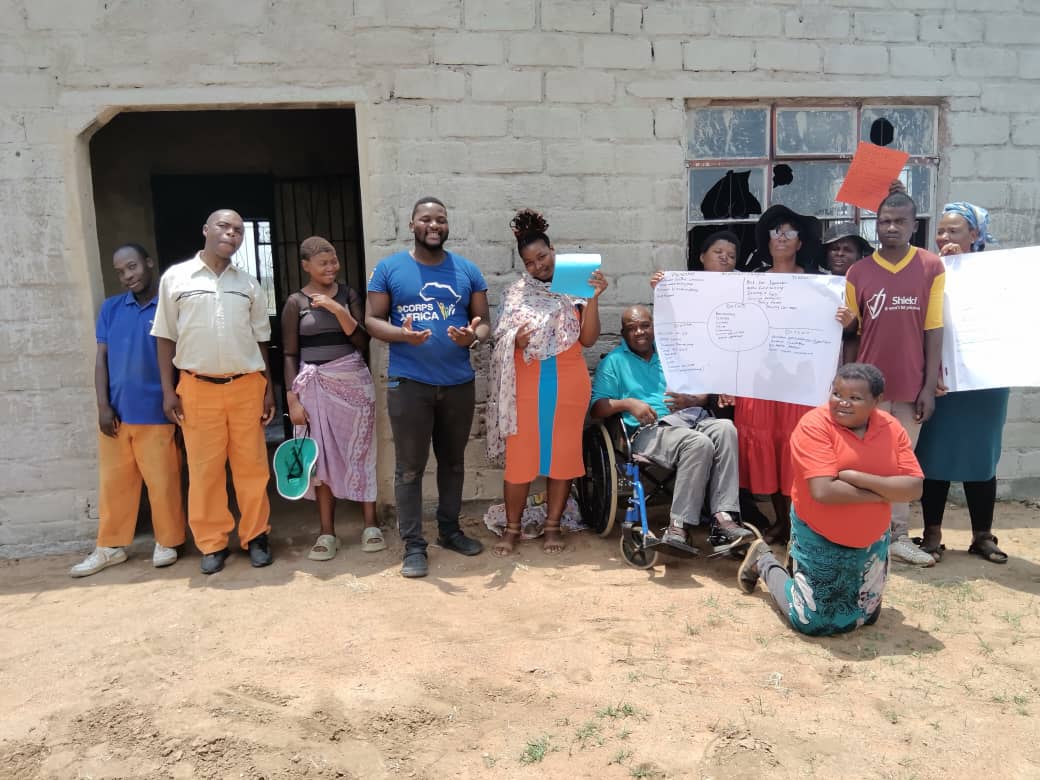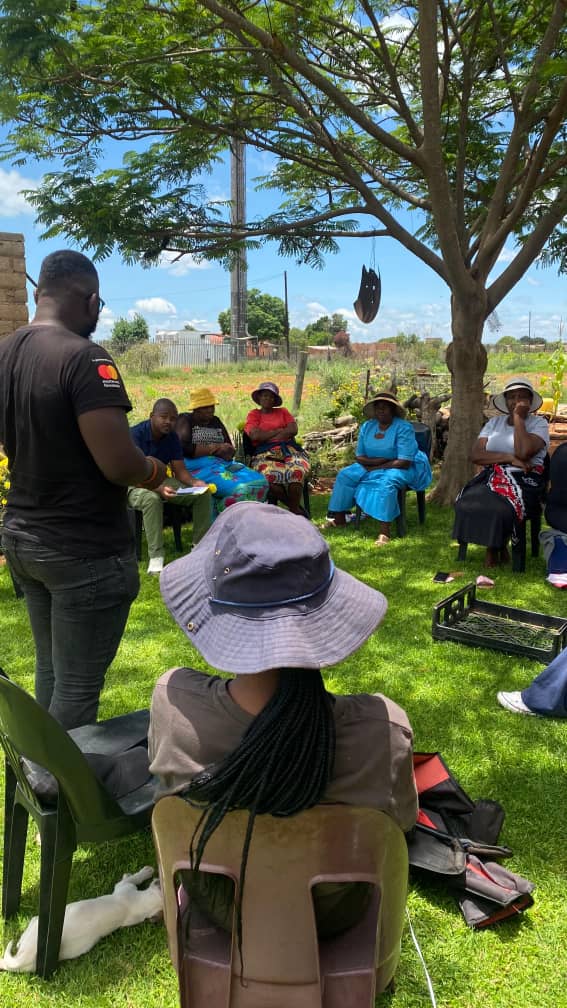
When growing up, I always believed that learning was only confined to the institutionalised system of education, where I had to be within a classroom, study, write examinations, and graduate as the epitome of knowledge. However, my Ga-Semenya experience has painted a broader and more vivid picture, one that shows that knowledge is not limited to walls and classrooms.
When I think about my time in Ga-Semenya, I realise that nothing I have learnt here came from a classroom. Instead, the whole community has quietly become my teacher. Every person, every shared task, every conversation under the shade of the mango trees has shaped me in ways I did not expect. I did not come here to be anyone’s saviour, and Ga-Semenya never asked me to be. What the community offered instead was something far more meaningful, an invitation to learn, to listen, and to grow alongside them.
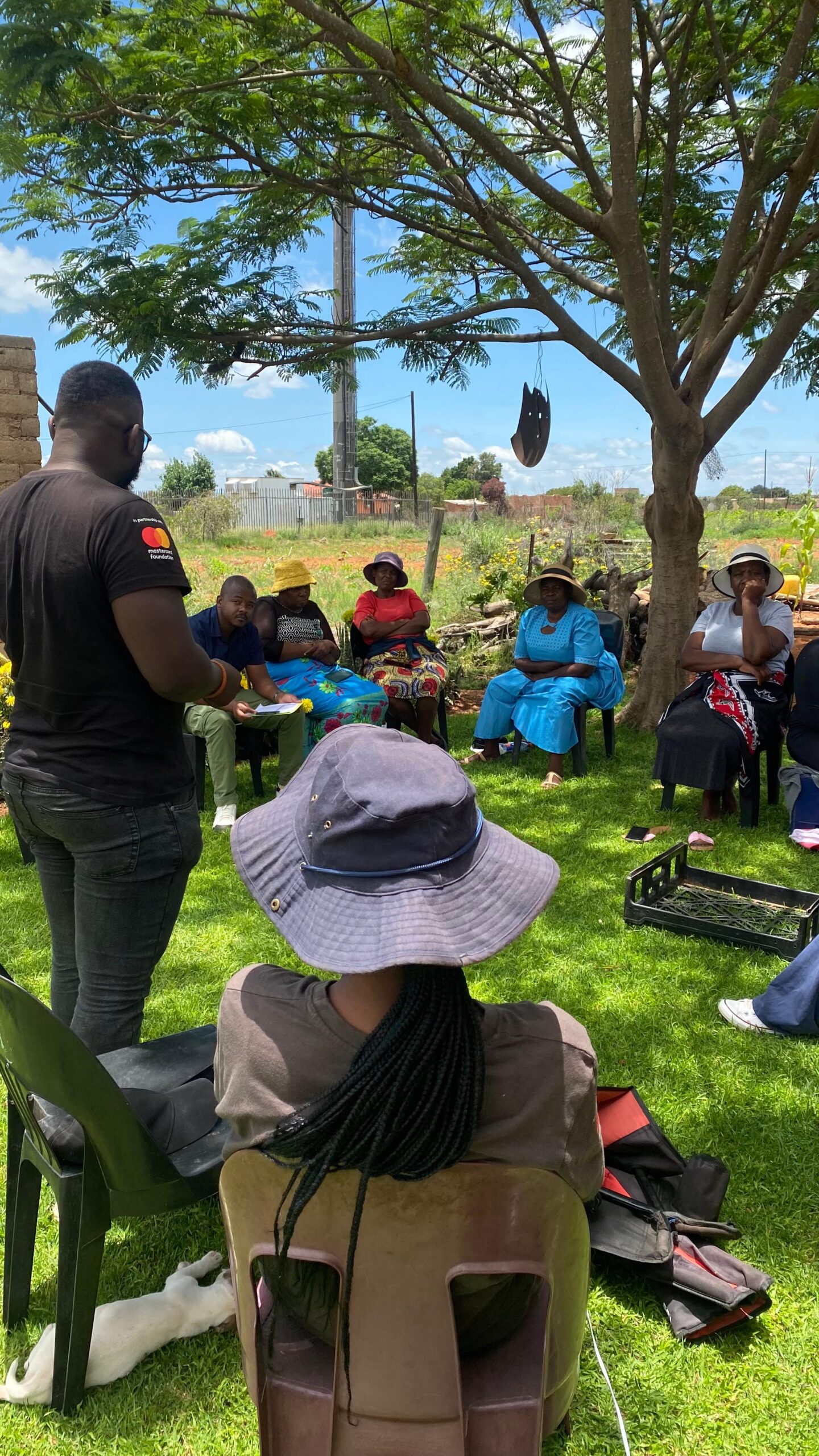
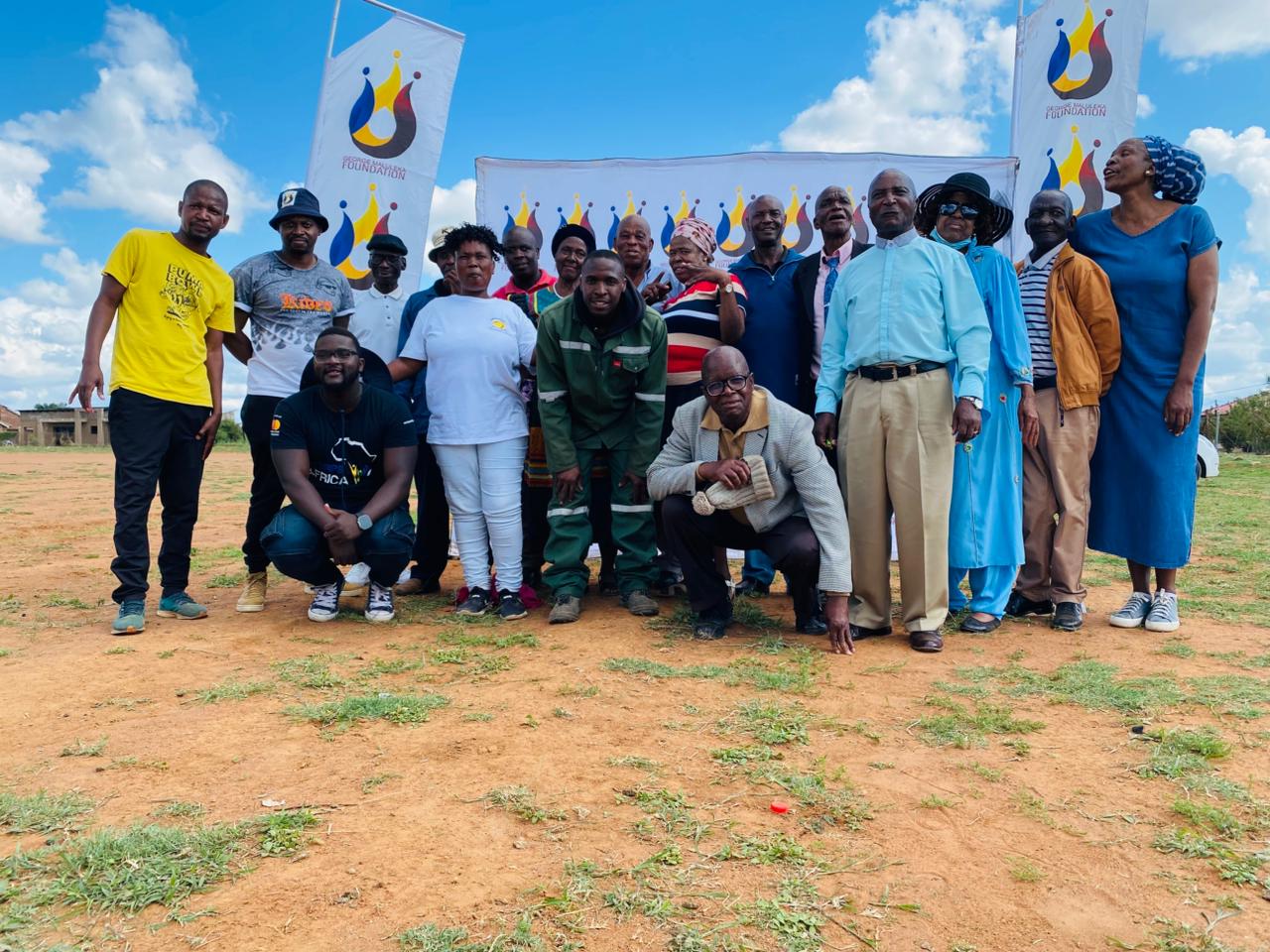
Some of my most powerful lessons came from sitting with the elders. There’s a softness to their wisdom, a slow rhythm in the way they speak about life and their experiences. One afternoon, while peeling potatoes for the community disability awareness event, an elderly woman told me, “Life is like the soil, it teaches you if you’re patient enough to listen to it.” I felt those words settle deep inside me. There, I understood that knowledge is not rushed. It is lived and felt. It is shared in stories, in laughter, in silence, and in the unspoken ways people show up for one another.
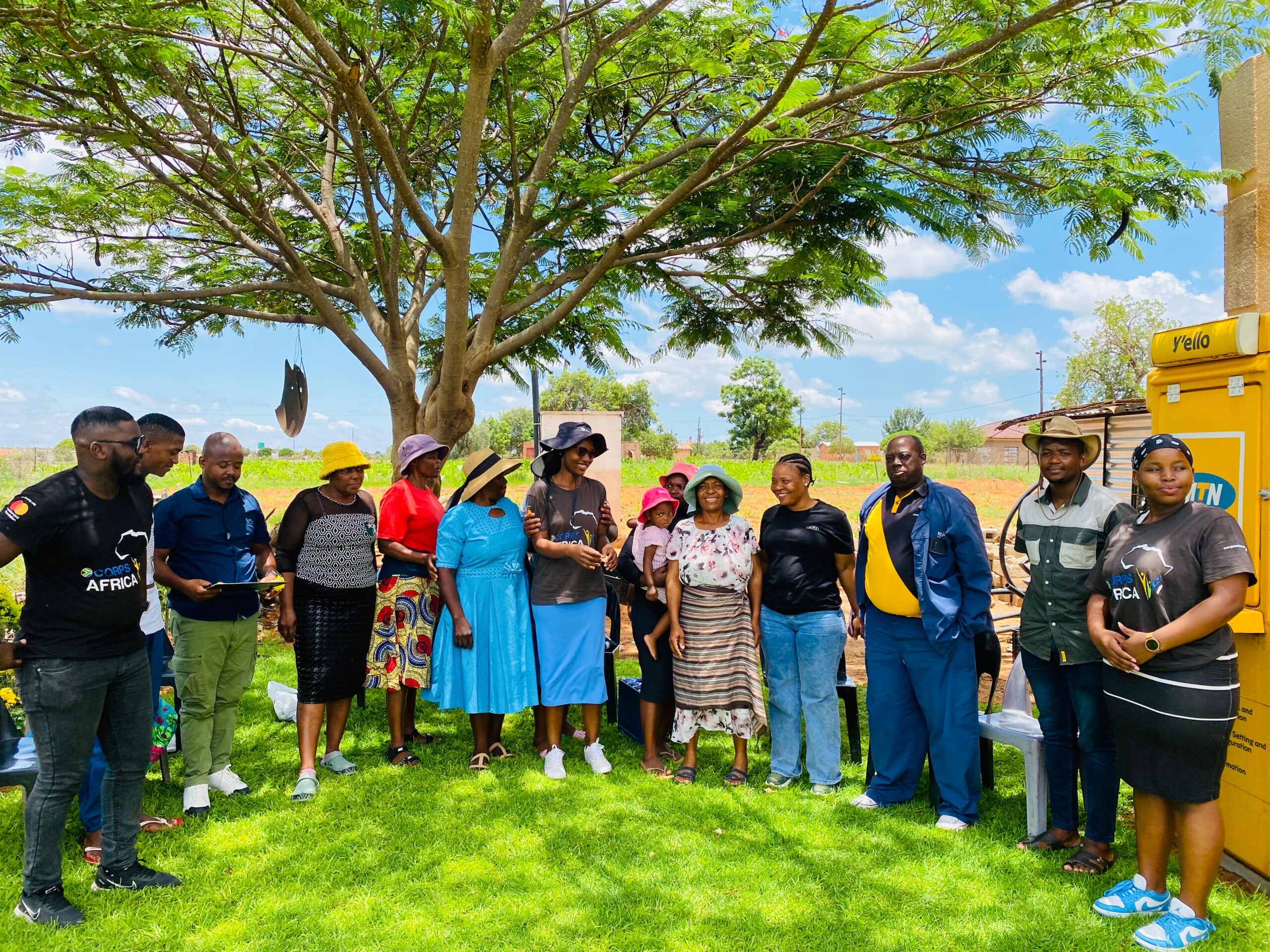
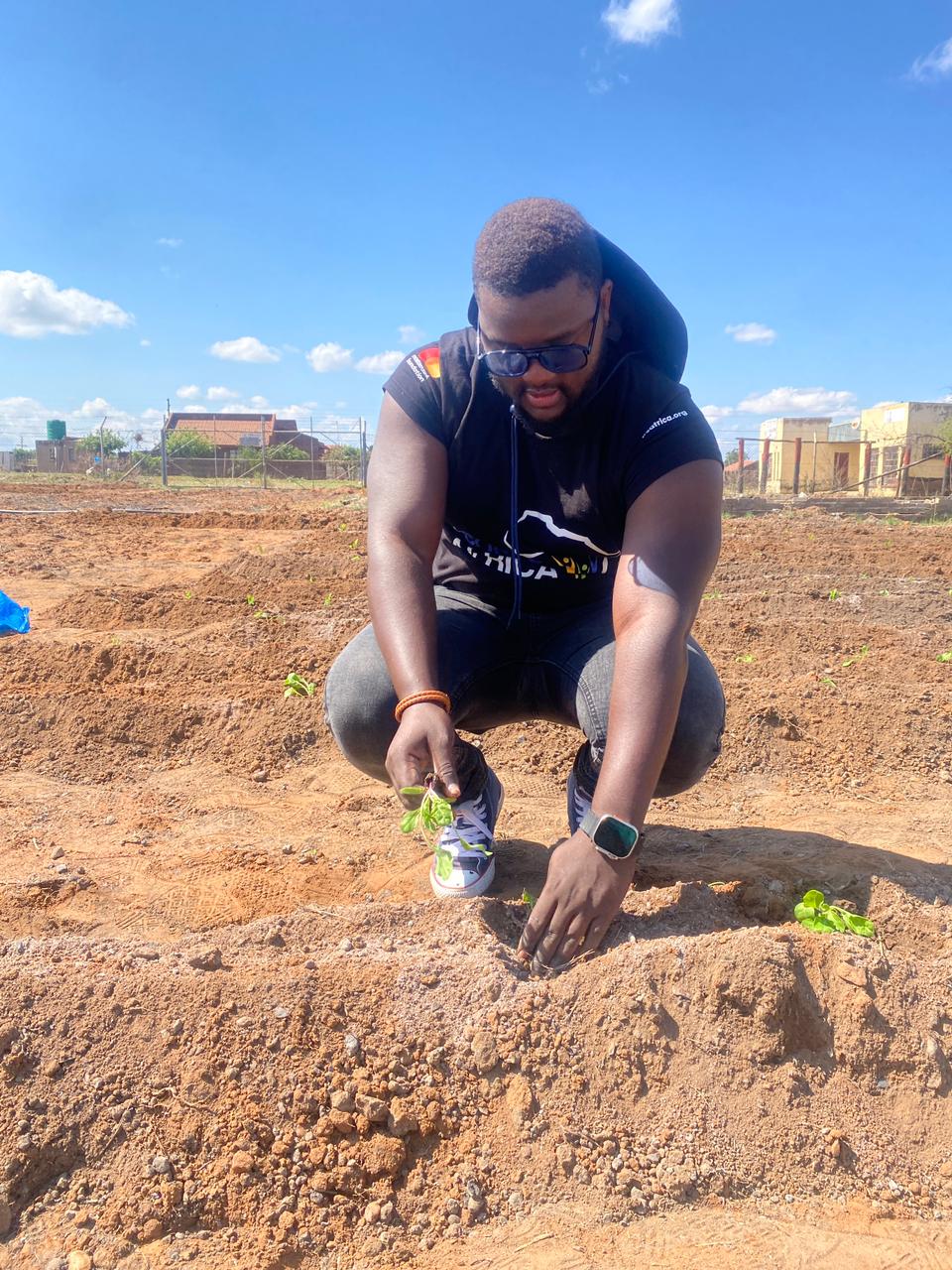
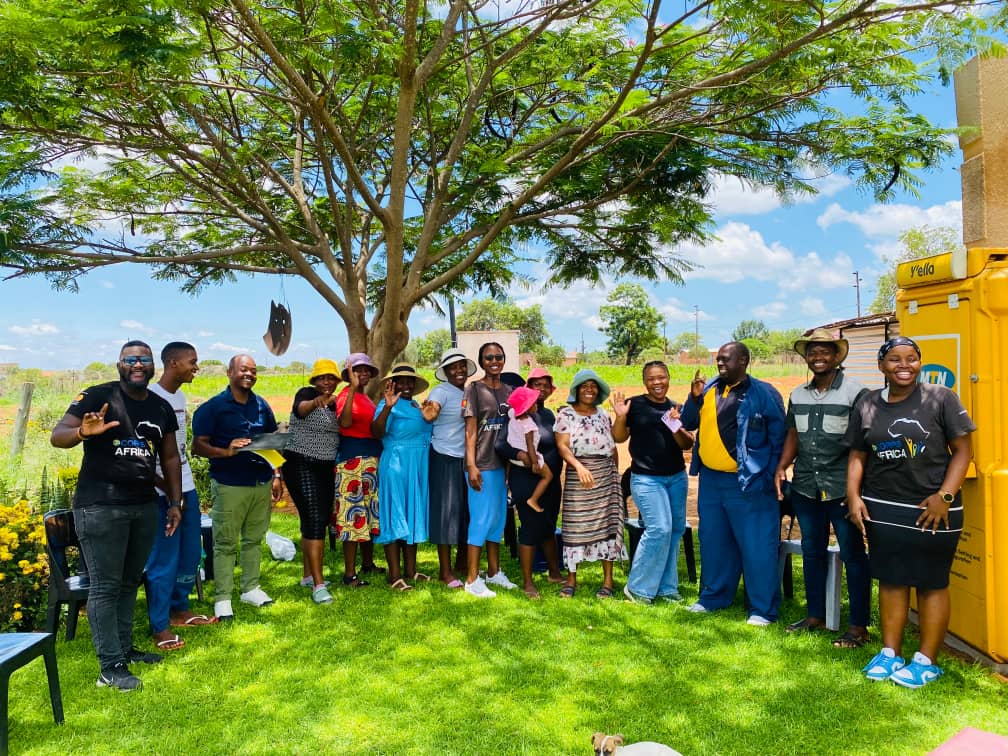
Working alongside the community women taught me a different kind of strength, one that is woven into the daily routines that hold the community together. Whether we were cooking for an event or tending to a small kitchen garden, I saw how much they create with so little, how resourcefulness becomes a form of brilliance often overlooked. Their teamwork humbled me. They reminded me that nothing meaningful is ever done alone. Whenever I asked how they managed everything, they always smiled and said, “We do it together.” That simple statement changed how I understand community power. All this was also coated with great stories and strategies.
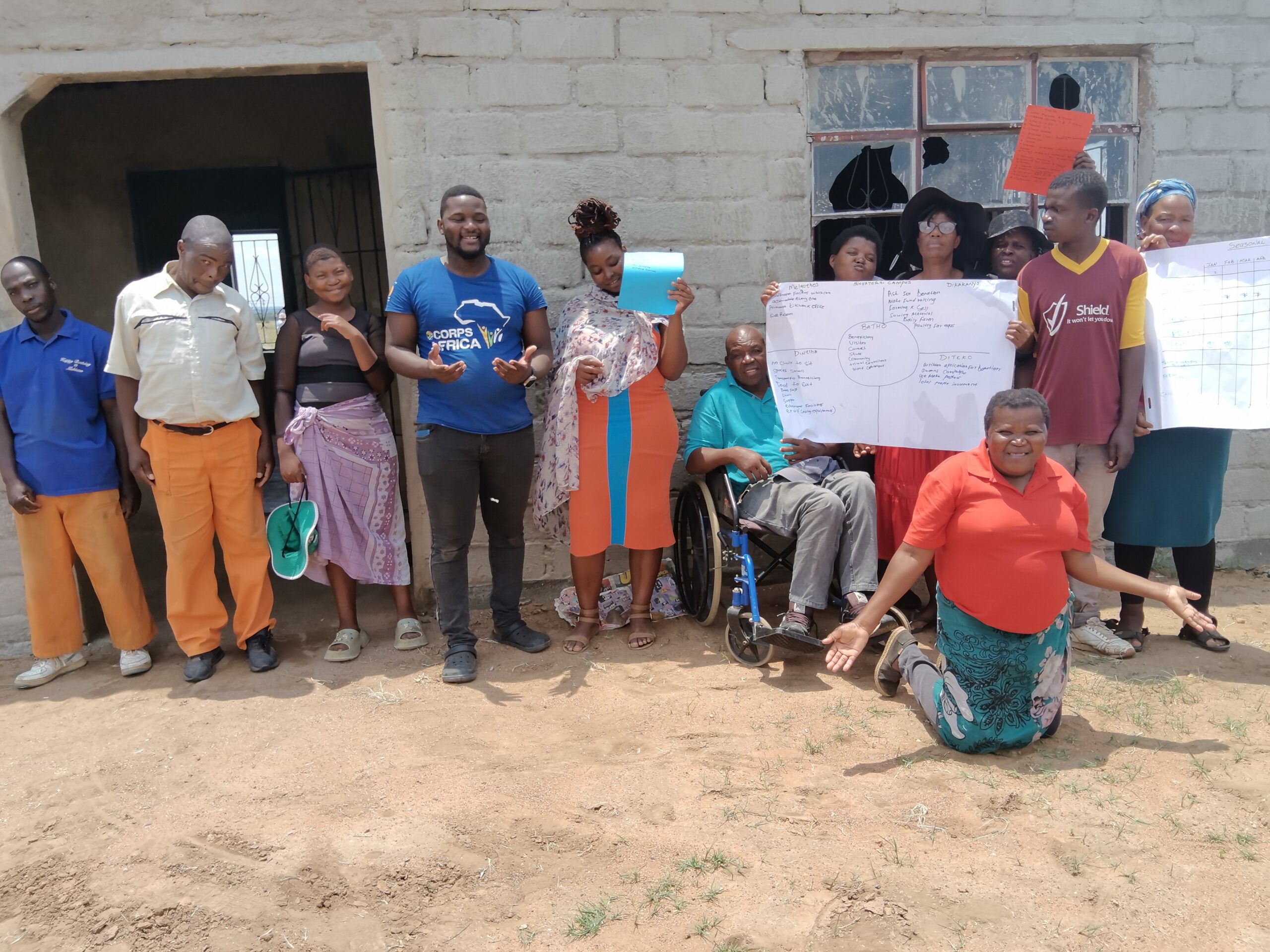
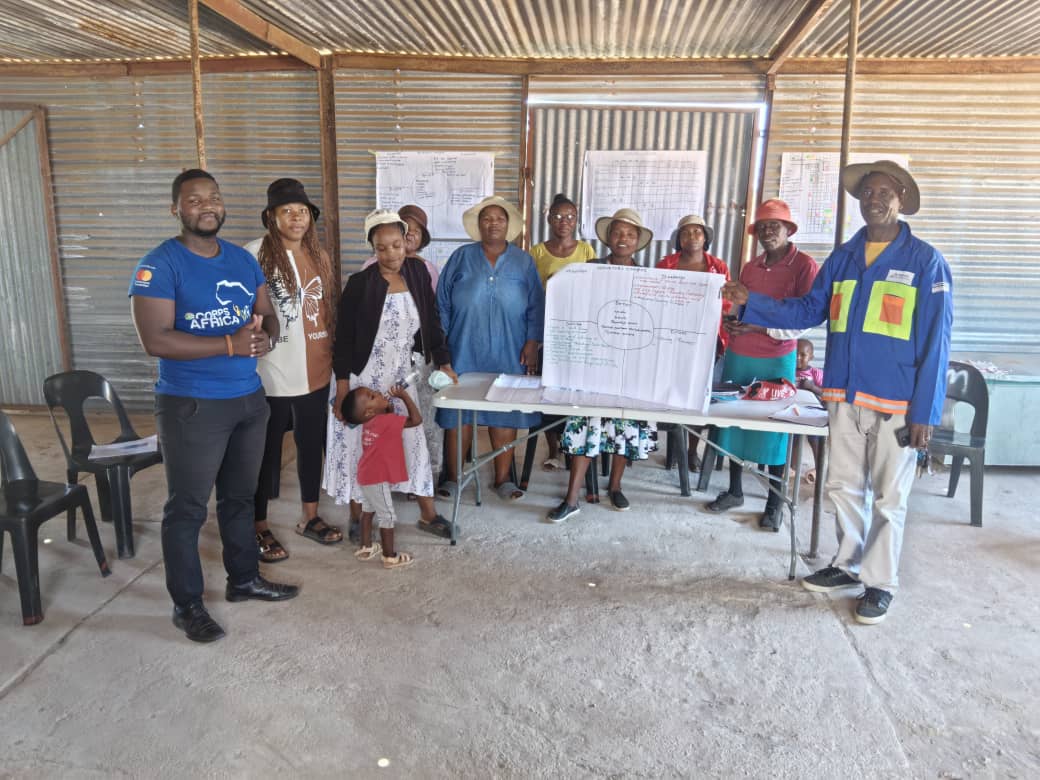
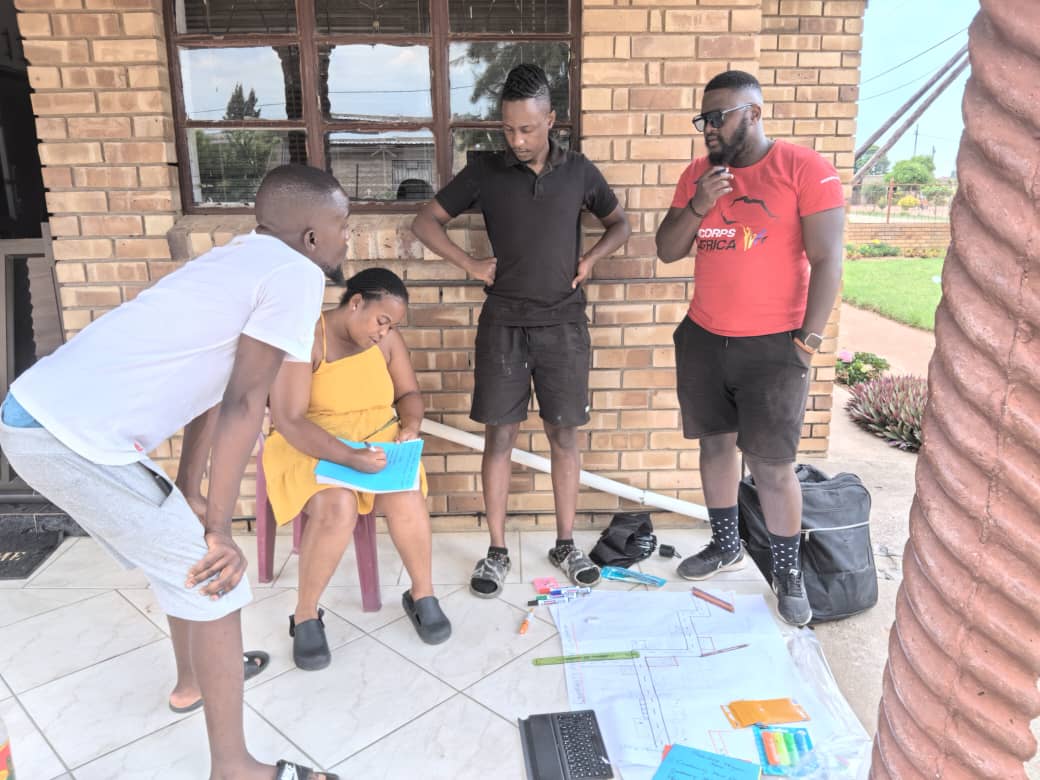
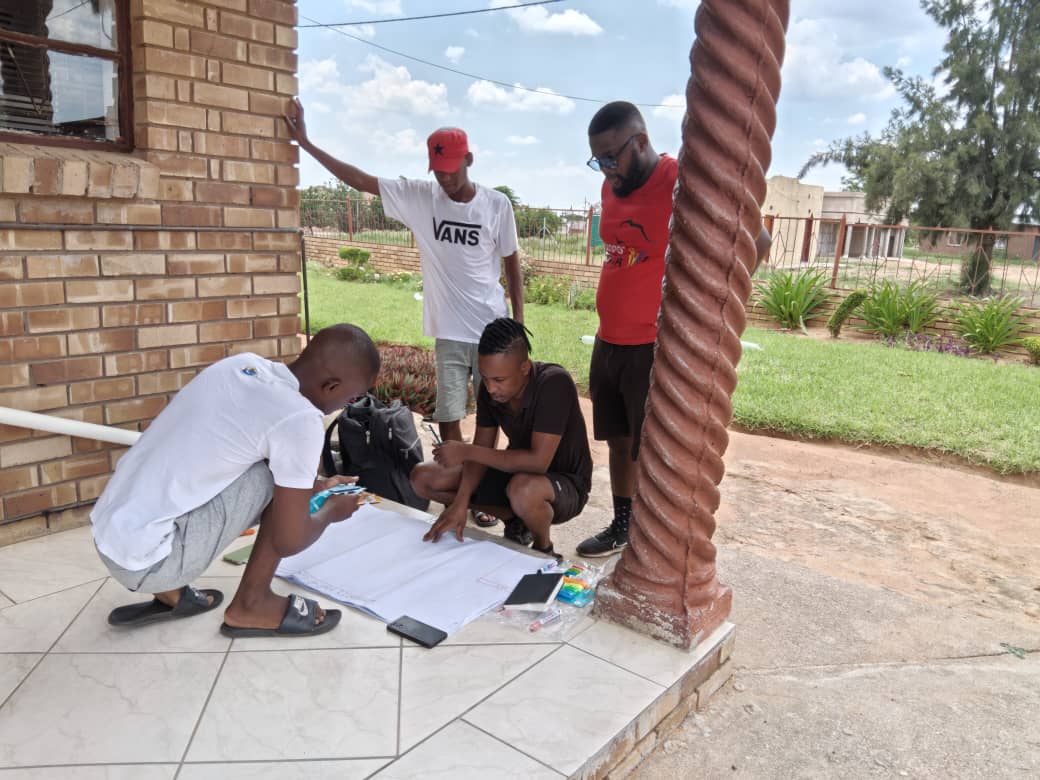
The youth, on the other hand, taught me about possibility. Many of them felt stuck or unheard, yet their ideas overflow with creativity and hope. During our community mapping sessions, I would watch their eyes brighten when they spoke about possible projects, small businesses, digital skills, or turning hobbies into income. It made me realise that potential does not need money or savings; it just needs space, encouragement, and someone willing to listen without prescribing. Being around them rekindled a part of me that believes deeply in second chances and new beginnings.
But it was the children who made me pause and truly feel. Their curiosity followed me around the village like a shadow. They asked questions adults often avoided, like, why are you here? Who are you visiting? What are you doing? At first, I answered quickly, out of habit. But after a while, their innocence forced me to reflect on my intentions, my role, and what I hoped to contribute. Their joy, even in the simplest things, reminded me that life is not only about purpose; it is also about presence.
My real classroom here has been the fields, the kitchens, and the dusty roads we walk together. Through farming, I learned patience. Through cooking, I learned cooperation. Through helping with events, I learned the beauty of shared labour. Through everyday conversations, I learned how rich oral knowledge truly is, how history, pride, and identity flow naturally from one generation to the next.
And through all of this, I learned about myself.
I learned to slow down.
To listen more.
To let the community lead.
To understand that development isn’t a gift that arrives from outside; it grows from within, quietly, like seeds already planted in the soil. Just give it time to grow.
Ga-Semenya has changed me. It has softened me in some places and strengthened me in others. It has made me more patient, more humble, and more aware of how much I still have to learn. I am grateful, not because I feel important, but because I feel included. This community did not just welcome me; it allowed me to witness everyday life that often goes unnoticed.
And so, as I continue walking this journey, I carry with me the lessons of Ga-Semenya: that people learn through living, that knowledge belongs to everyone, and that true growth happens not in isolation, but in connection with land, with community, and with one another, not bounded by walls.