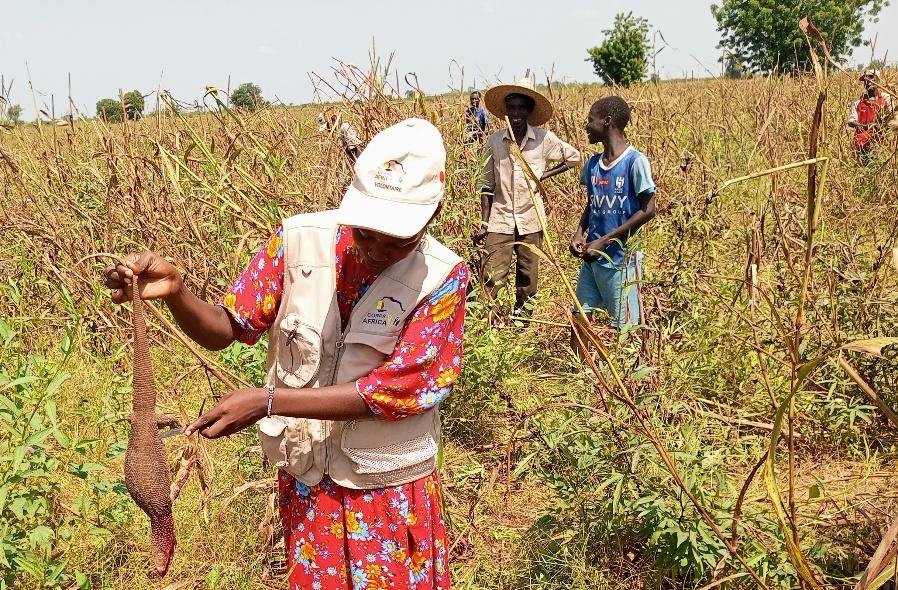
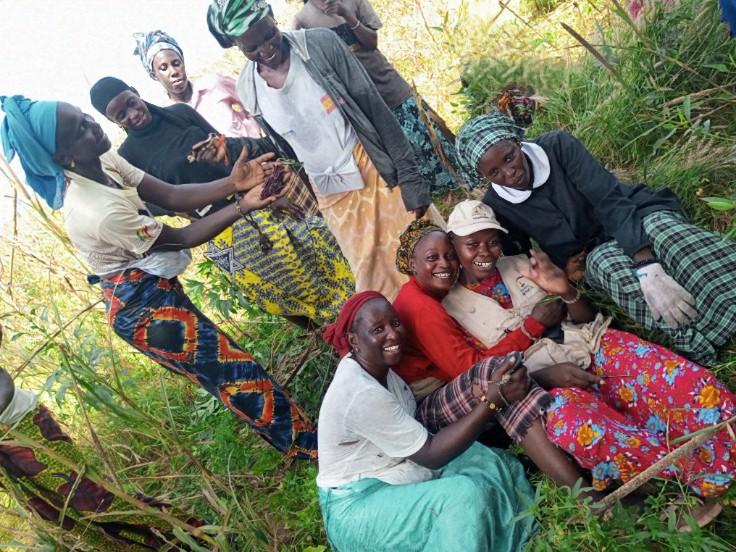
The morning had felt simple enough; the Chief’s farm buzzing with quiet conversations, the soft scrape of tools, and that calm village rhythm that almost makes you forget how hot it’s about to get. I had joined my community for a millet harvest, partly to integrate, partly because everyone else was going, and I didn’t want to be the only one staying behind.
By midday the sun was intense, and people were quietly pushing through the heat. I was trying to look industrious when suddenly, a wave of commotion ripped through the field. Shouts echoed, and in a flash, everyone was running. My basic Wolof left me puzzled; I didn’t understand the words, but I understood the universal language of panic. When in doubt in a new culture, you follow the local lead.
I scrambled away with the rest of them, adrenaline pumping, my imagination conjuring every possible threat. Was it a venomous snake? A local dispute?
The chase was brief but intense. When the commotion died down, the source became clear: a local wild animal, known as mbët in Wolof, had dashed through the field. The community wasn’t running from a threat, they were coordinating a hunt.
They acted immediately, demonstrating a blend of local knowledge, resourcefulness, and cultural norms around food sourcing. Observing this, I realized how deeply intertwined local practices, community vigilance, and traditional diets are in village life.
While the morning was initially chaotic for me, it became a valuable lesson in cultural immersion and understanding local food systems. It also highlighted the delicate balance between community sustenance, wildlife interaction, and conservation awareness; an important context for anyone working in development or community engagement.
For the record, I observed the aftermath but stuck to my vegetarian principles that night.
Key Takeaways:
- Cultural learning often comes from the unexpected. Be prepared to pivot from observer to participant in an instant.
- Observe first, ask questions later. A powerful approach in fast-moving, cross-cultural work environments.
- Sustainable development efforts require sensitivity to both immediate human needs and long-term conservation concerns.
What’s the most unexpected traditional experience you’ve had that taught you something new about a culture or community?