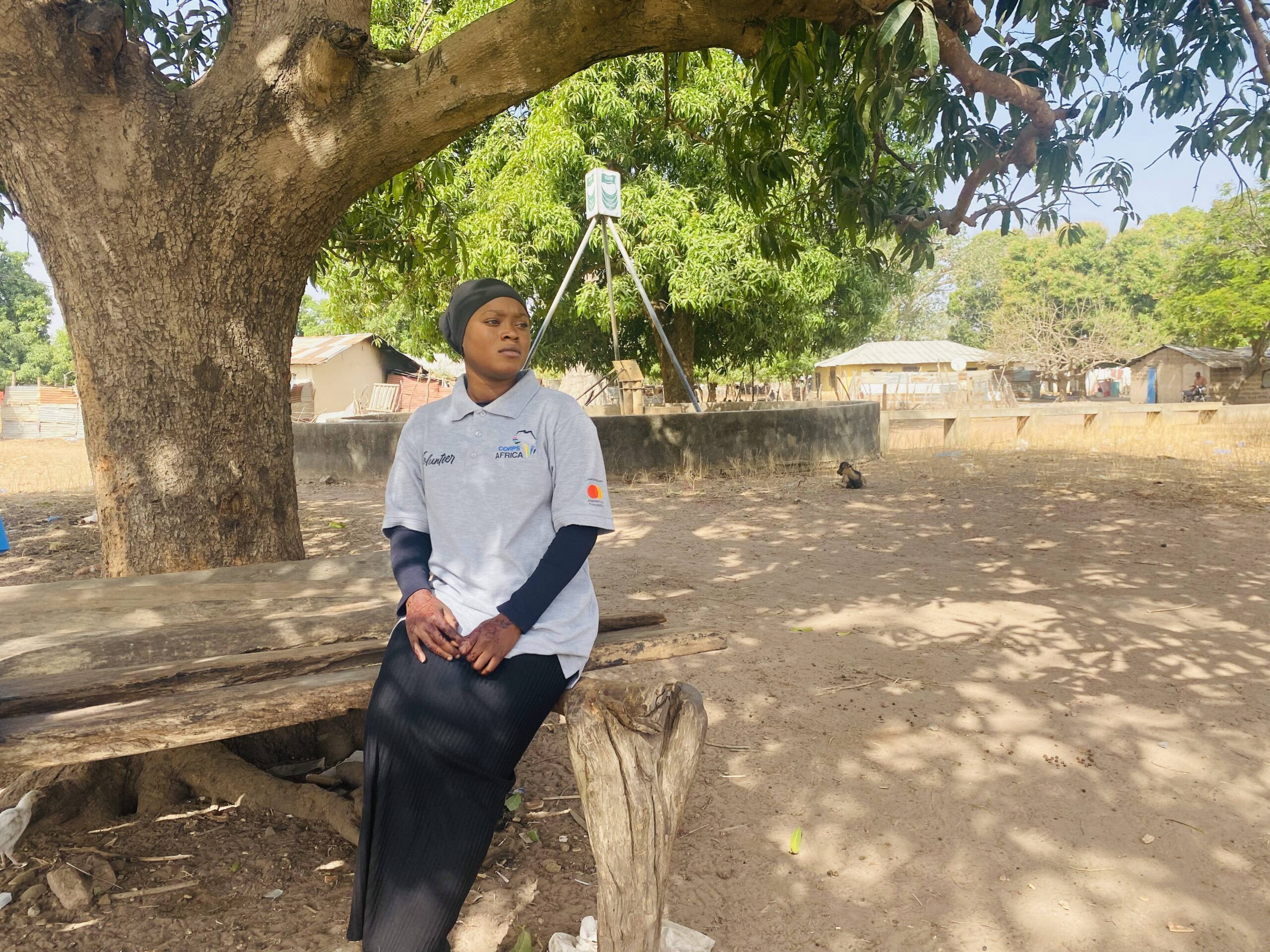
Learning to be more patient in Nema kuta taught me to be more curious and observant . The village Bantaba, its wooden pillars worn smooth by time and its roof offering more symbolism than shade. I heard that bantabas were meant to be places of gathering where elders met, disputes were resolved, and stories were shared across generations. Yet most days, this one sat empty.
At first, the silence unsettled me. I wondered if something was wrong. Had the community stopped using it? Had tradition slowly faded? Coming from outside, it was easy to assume that an empty space meant something had been lost. I found myself returning to the bantaba often, sitting there alone, trying to understand what its loneliness meant.
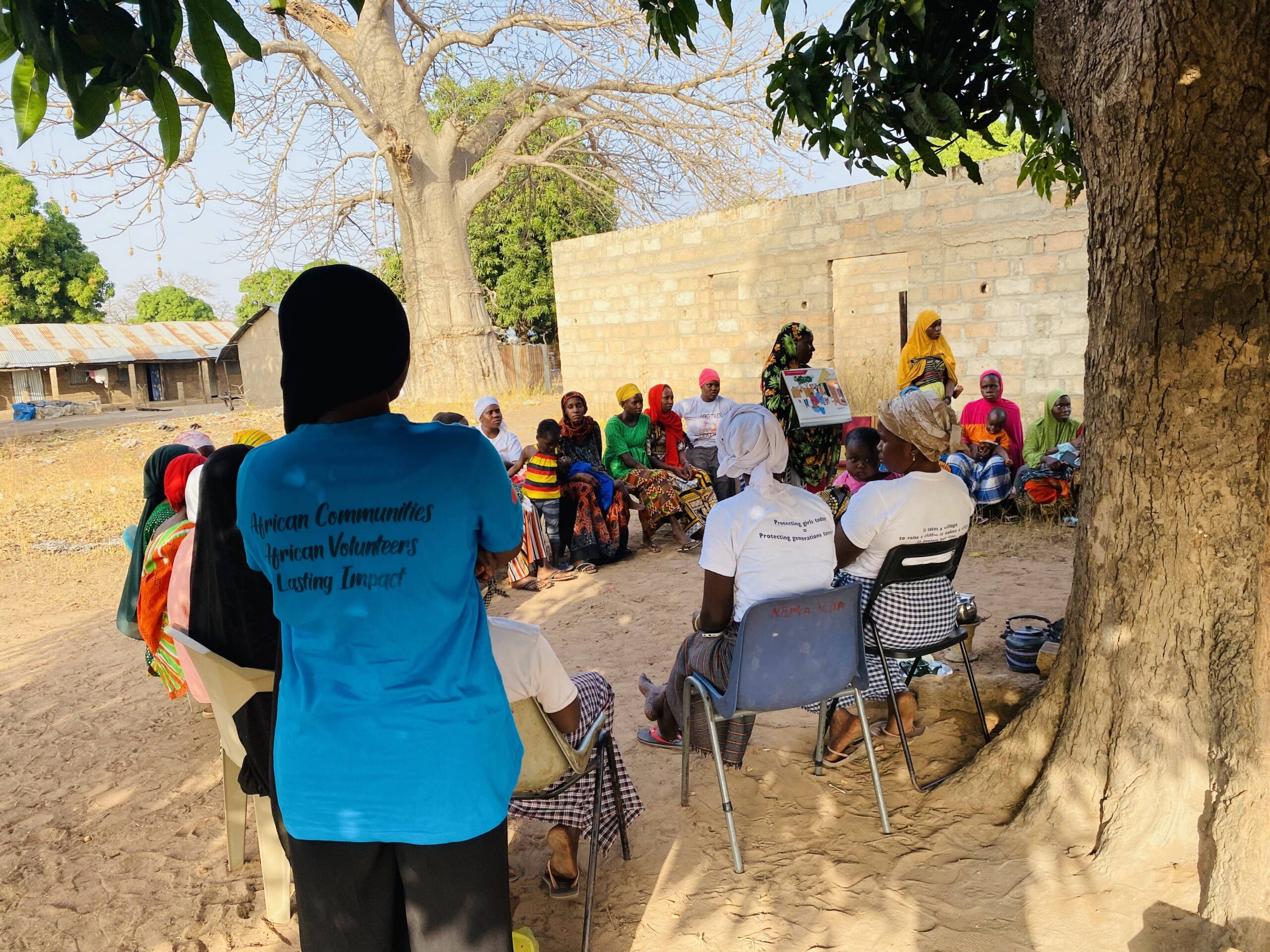
As days turned into weeks, I began to realize that my initial interpretation was shaped more by my expectations than by reality. Life in Nema Kuta moves early and steadily. Before the sun fully rises, women are already awake, sweeping compounds, preparing breakfast, and getting children ready for school, and some men leave for their charcoal production ground and by midmorning, the village is alive with motion. People are busy not absent.
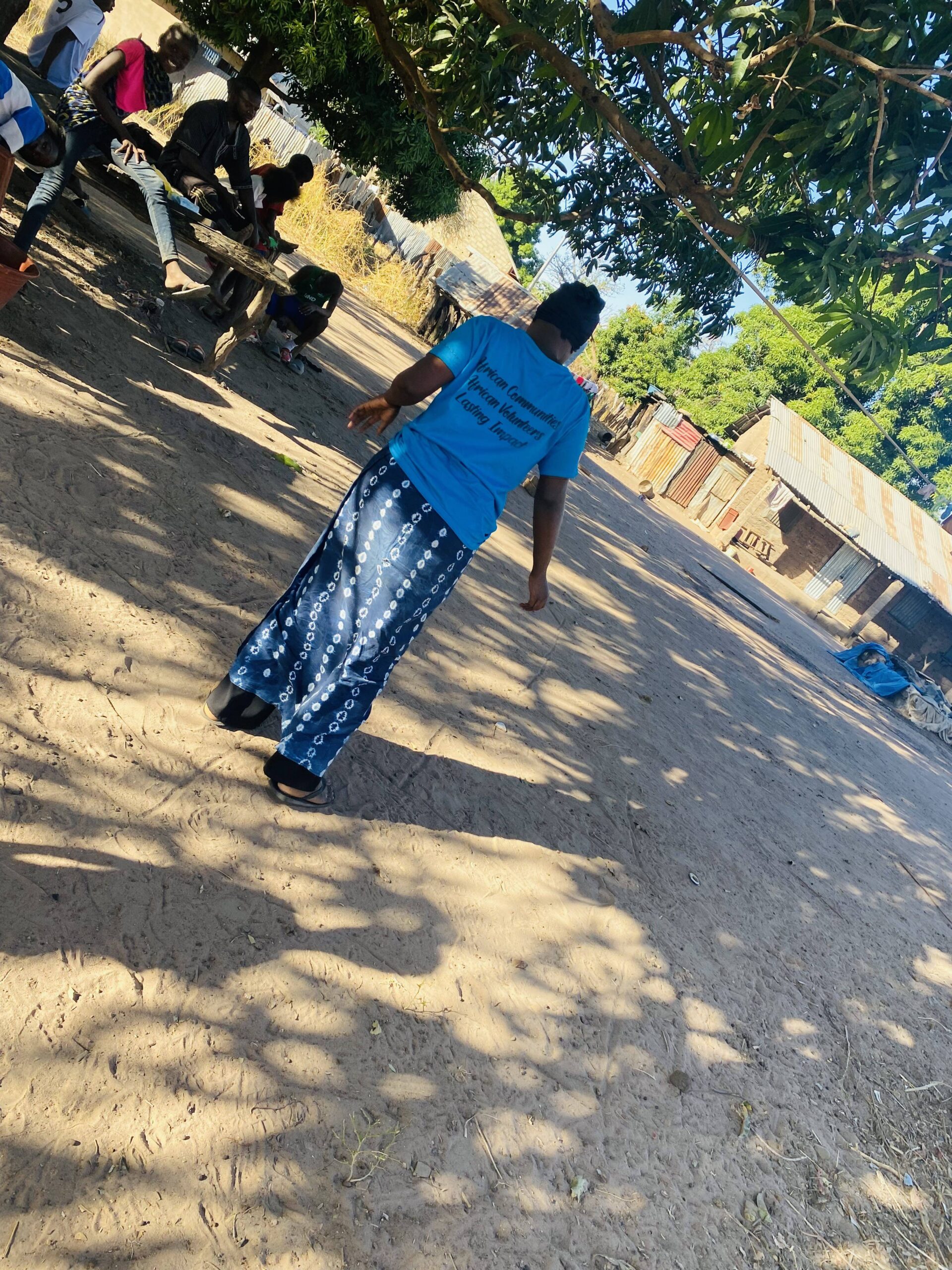
I started to notice that conversations were happening everywhere, just not always at the bantaba. Neighbors talked while drawing water. Elders sat on concrete bantaba in their homes. Laughter spilled out from compounds in the evenings, and advice was exchanged in passing moments rather than formal gatherings. Community, I learned, does not rely on a single structure to survive.
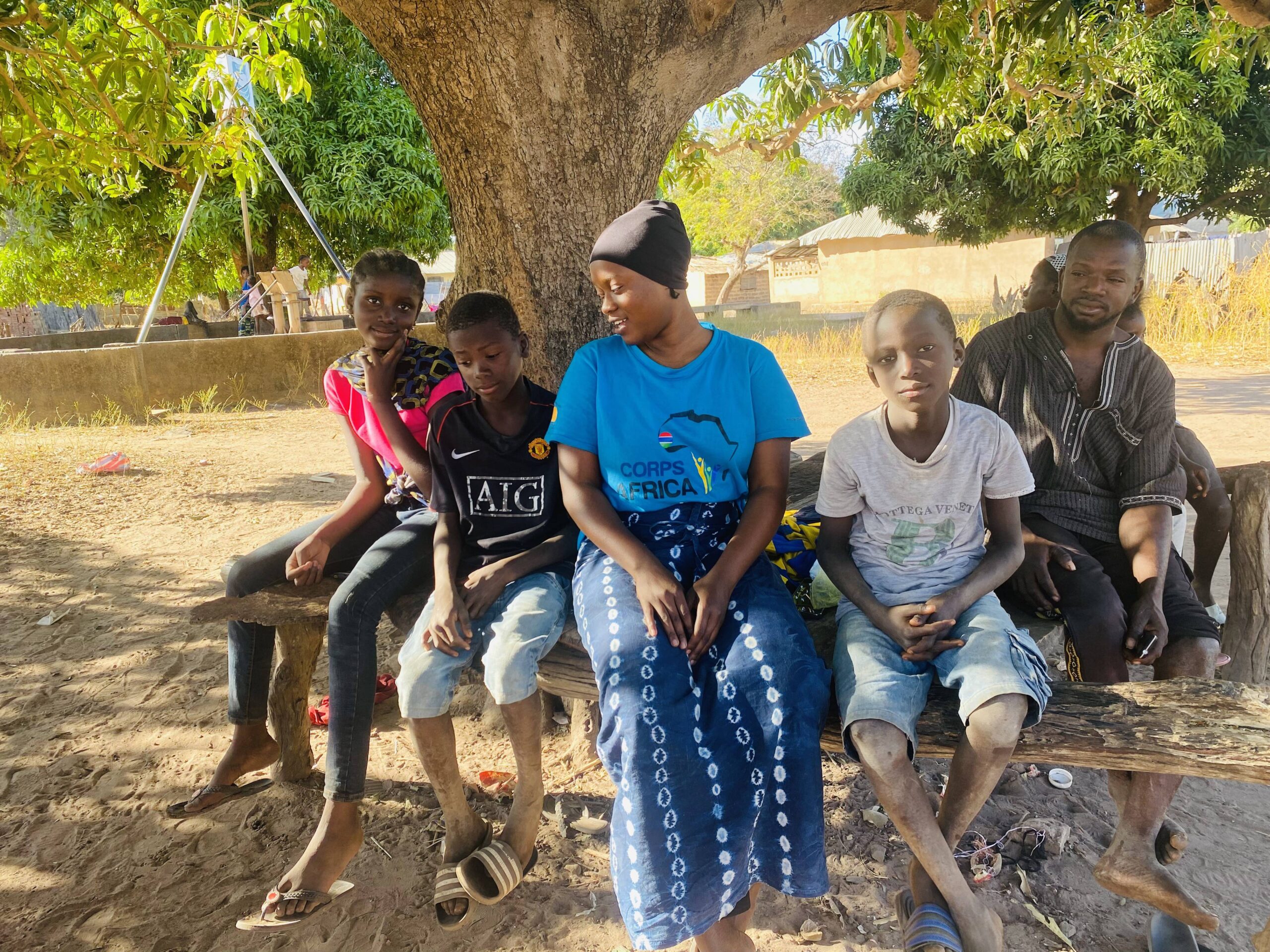
One afternoon, I decided to spend more time at the bantaba, as an observer but simply as someone present. I sat there quietly, unsure if anyone would join me. Slowly, a group of children wandered over, curious about what I was doing. They climbed the benches, asked questions, and laughed freely. For a moment, the bantaba felt alive again not in the way I had imagined, but in a new, unexpected way.
Later that same day, a young man who experienced life differently from many others in the village approached and sat beside me. He rested there briefly before beginning to talk, sharing stories about his Educational experiences and how the bantaba used to be filled every evening. He spoke of long discussions, community decisions, and nights spent listening to one another’s narration. His tone was not sorrowful. It was reflective. Change, he explained, was natural. The village had grown, routines had shifted, and people now gathered differently.
That conversation stayed with me. I realized that the bantaba was not lonely because the community was disconnected. It was lonely because life no longer revolved around one central point. The village had adapted to new responsibilities, and new ways of connecting. Nema kuta youths shifted their own Bantaba to a place called “Digital” a name that was severely used but no clear meaning for it. This is the place that is always crowded and filled with laughter.
For me, the bantaba became a symbol not of abandonment, but of transition. It taught me that development is not always visible through new buildings or busy spaces. Sometimes it shows itself in quieter ways, through how people adjust while holding onto what matters most.
As a volunteer, I came to Nema Kuta thinking that progress meant creating activity, filling spaces, and introducing solutions. The bantaba reminded me that listening is just as important as acting. Before trying to fix something, it’s necessary to understand its story.
The empty bantaba also challenged my idea of community. I learned that togetherness does not always look the same across cultures or generations. In Nema Kuta, community lives in shared labor, mutual support, and everyday interactions. It exists whether or not people gather beneath one roof.
Now, when I pass by the bantaba, I no longer see it as lonely. I see it as patient. It holds history, waits for moments of gathering, and remains a quiet witness to village life. And when people do return whether for meetings, celebrations, or rest ,it is ready, just as it always has been.
Sometimes, understanding a place does not come from constant movement or loud engagement. Sometimes it comes from sitting still, observing quietly, and allowing a space to teach you what it means.
The bantaba taught me that life in Nema Kuta is not defined by what appears empty, but by the resilience, adaptability, and quiet strength of its people.