When I first arrived at my site, the sound of Tumbuka irritated my ears. It felt sharp, fast, and impossible to understand. I remember sitting quietly, overwhelmed, wondering how I would survive in a place where I couldn’t understand even the simplest conversations. At that moment, I felt far from home, lonely, frustrated, and unsure of myself.
In those days, the language made me feel invisible. People laughed, joked, and shared stories around me. I was present but language kept me on the outside . Sometimes I felt embarrassed asking people to repeat themselves. Other times, I stayed silent, pretending not to care when in reality, it hurt.
Then something changed. I started listening more closely. I learned how to greet people properly. Children became my teachers, correcting my pronunciation with laughter. But beyond communication, tumbuka language taught me humility, resilience, and the power of effort.
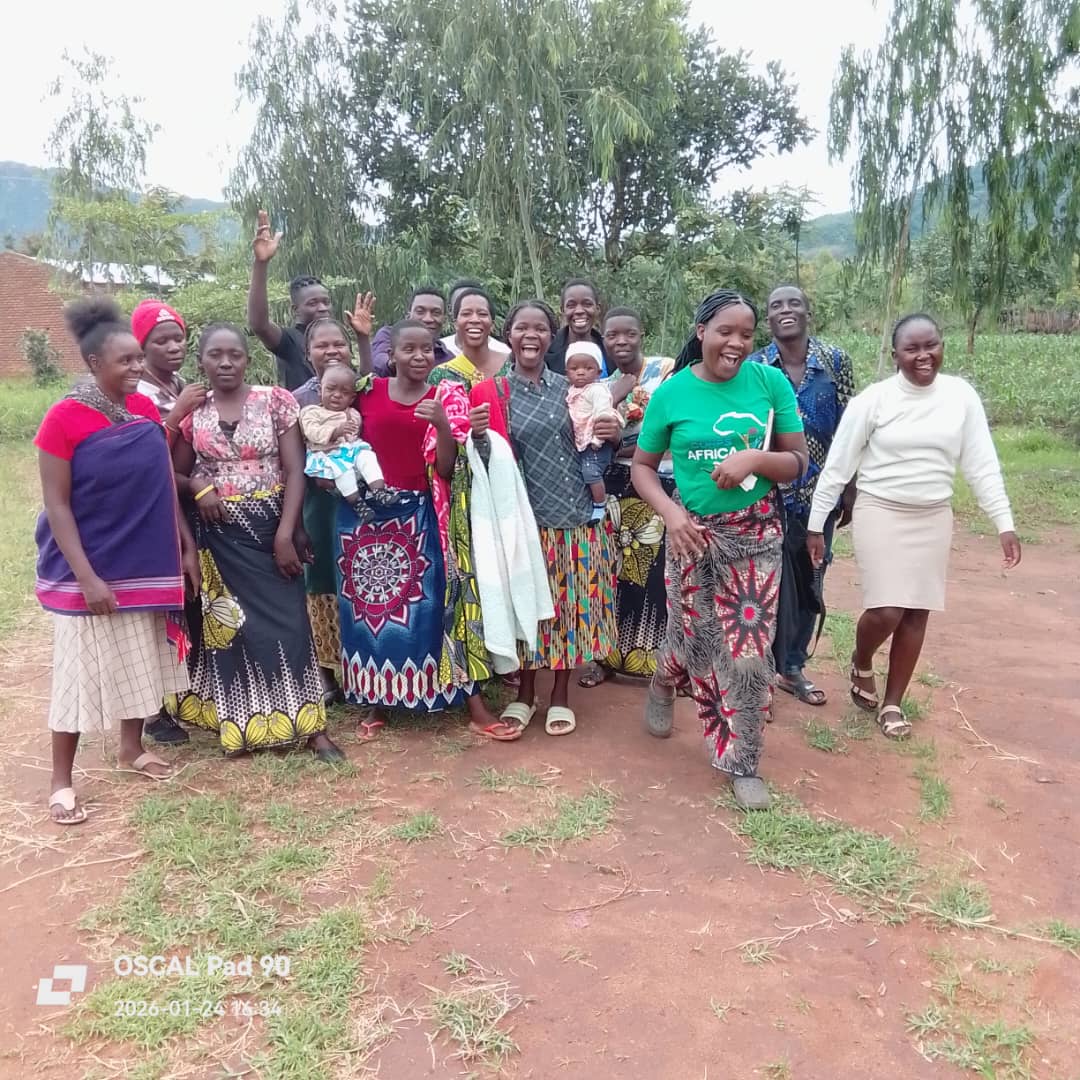
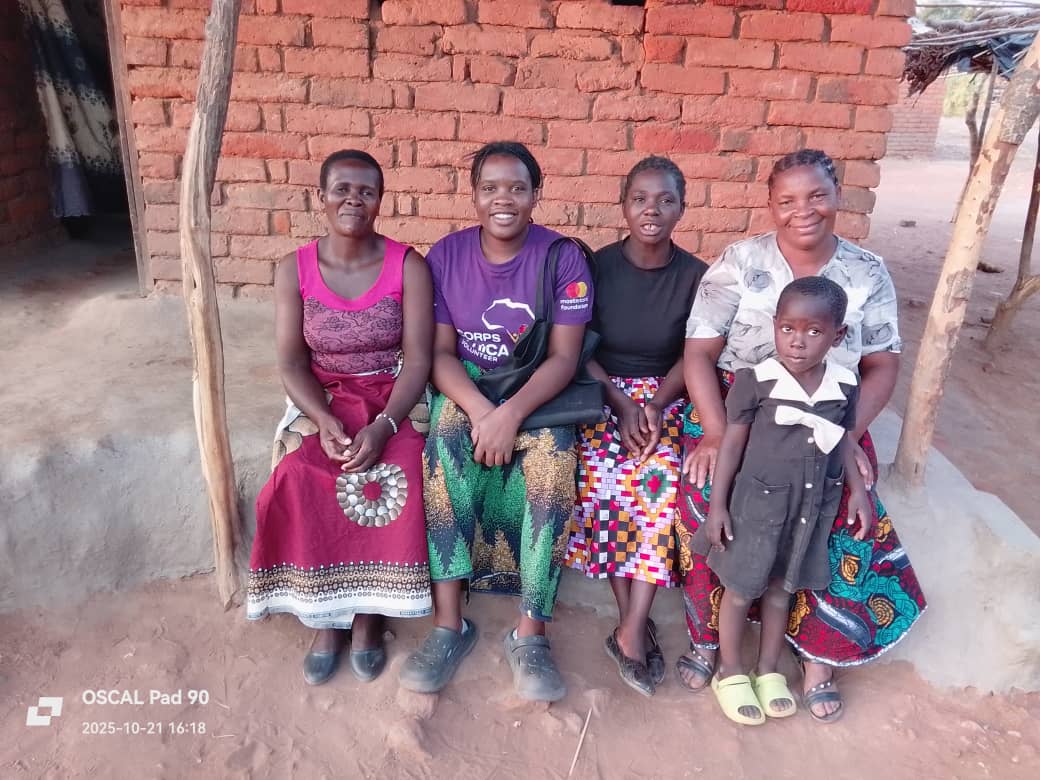
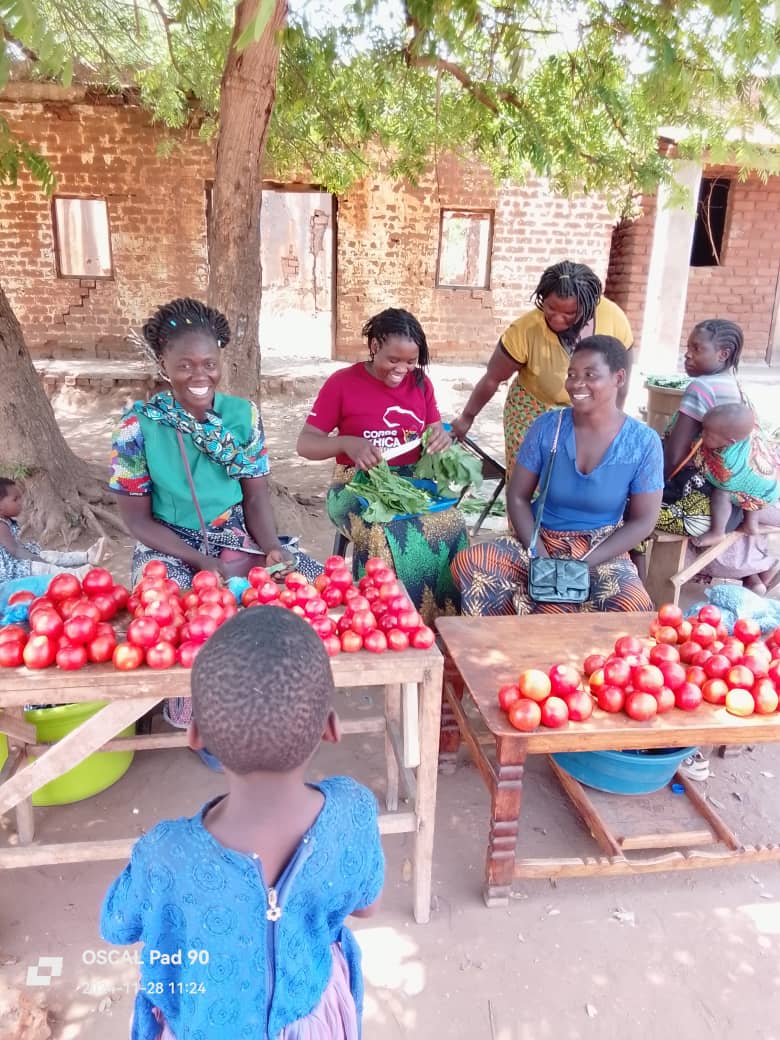
The language gave me connection and trust. It gave me moments where I felt seen and accepted. Speaking the language even imperfectly, told the community that I cared enough to try. In return, they opened their hearts to me. What once felt like noise became music, carrying stories, wisdom, and love.
Learning the language transformed my service from volunteering for the community to working with the community. It reminded me that real impact starts when we are willing to step out of our comfort zones and learn from the people around us.
To every volunteer and dreamer stepping into unfamiliar places, embrace the local language wherever you serve. Learn it, speak it, stumble through it. You might just find that in learning their language, you discover a new version of yourself.