When I first arrived in my host community, Bajonkoto, everything felt new, the language, the food, the rhythms of the day and even the smells carried by the wind. From that moment I knew integration would take time, but I didn’t realize that one of my most meaningful first steps would be surrounded by locust bean processing.
It was on a freezing morning when my host mom invited me to help her prepare netetu, a traditional fermented seasoning deeply woven into daily life. I had eaten meals flavored with it before, but I had never seen how it was made. That morning, I wasn’t just learning a recipe but was being invited into a tradition.
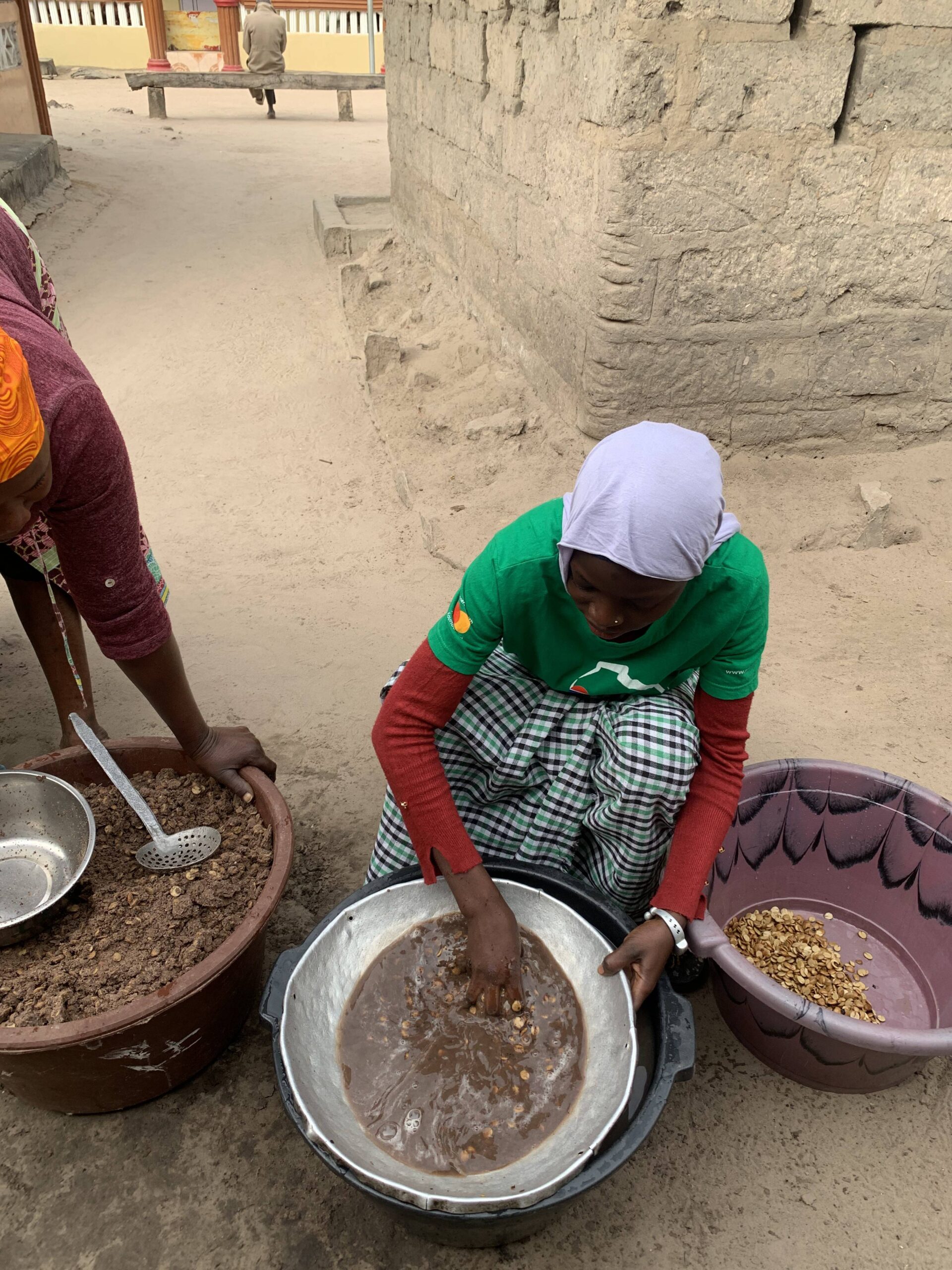
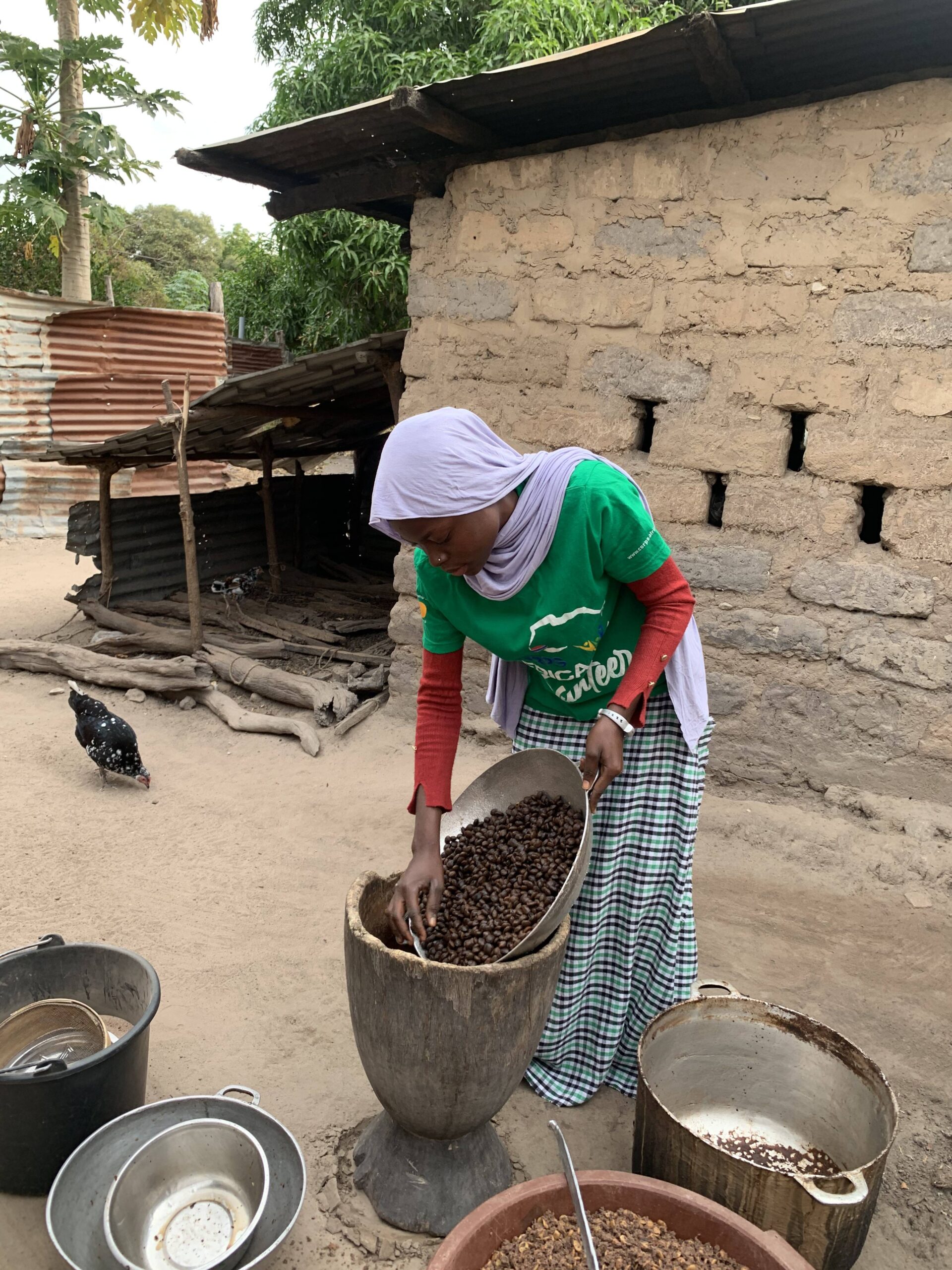
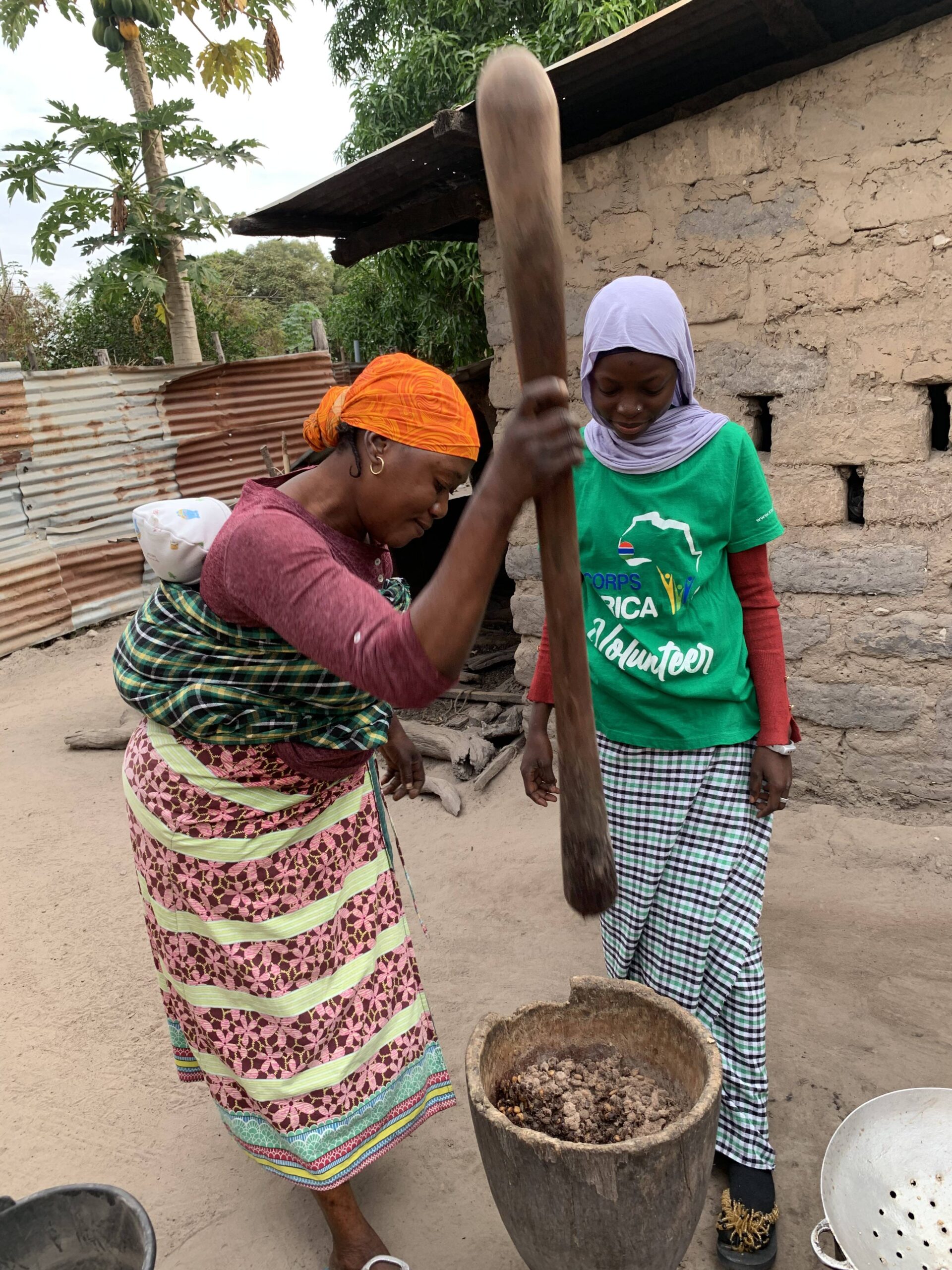
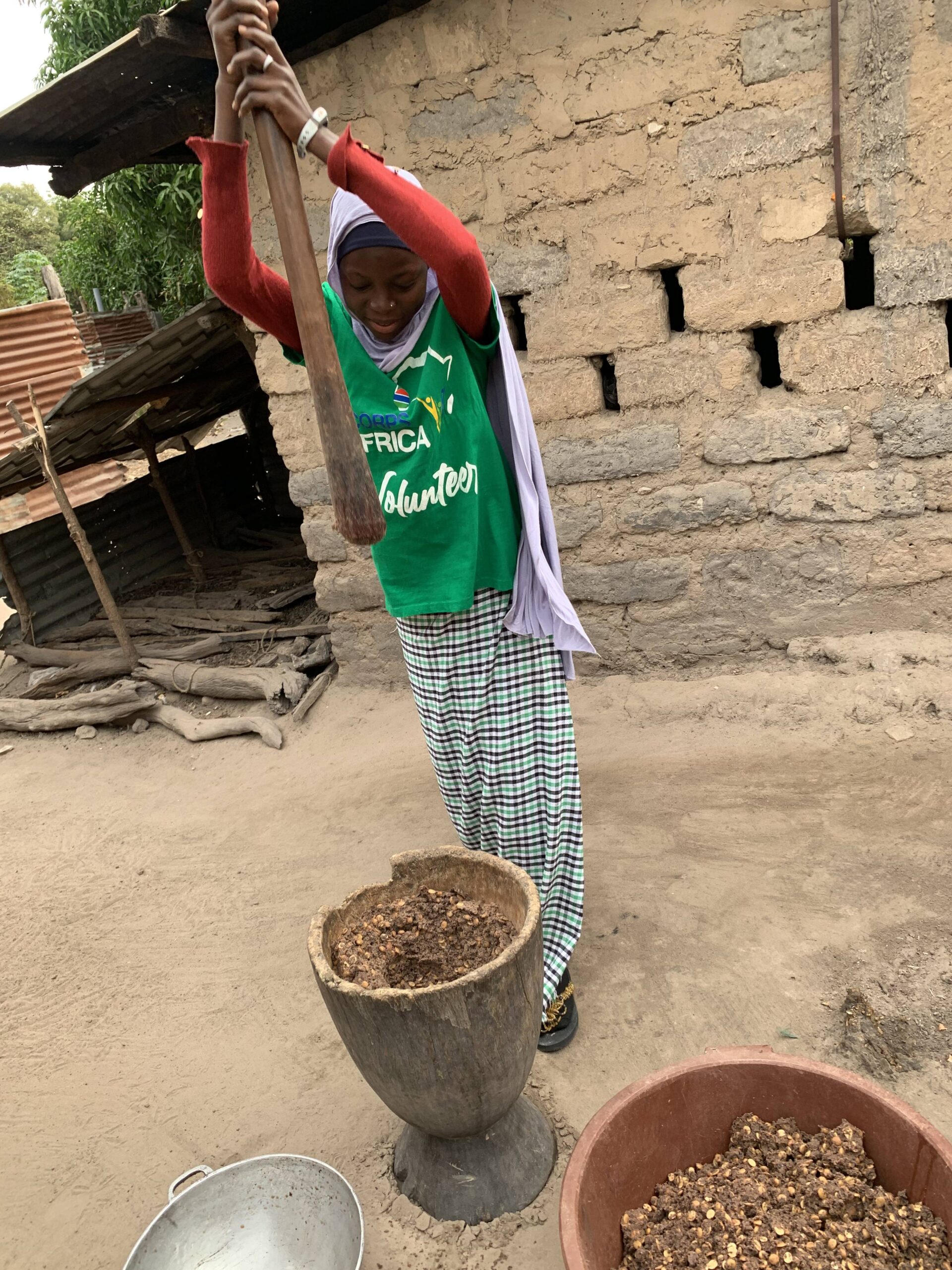
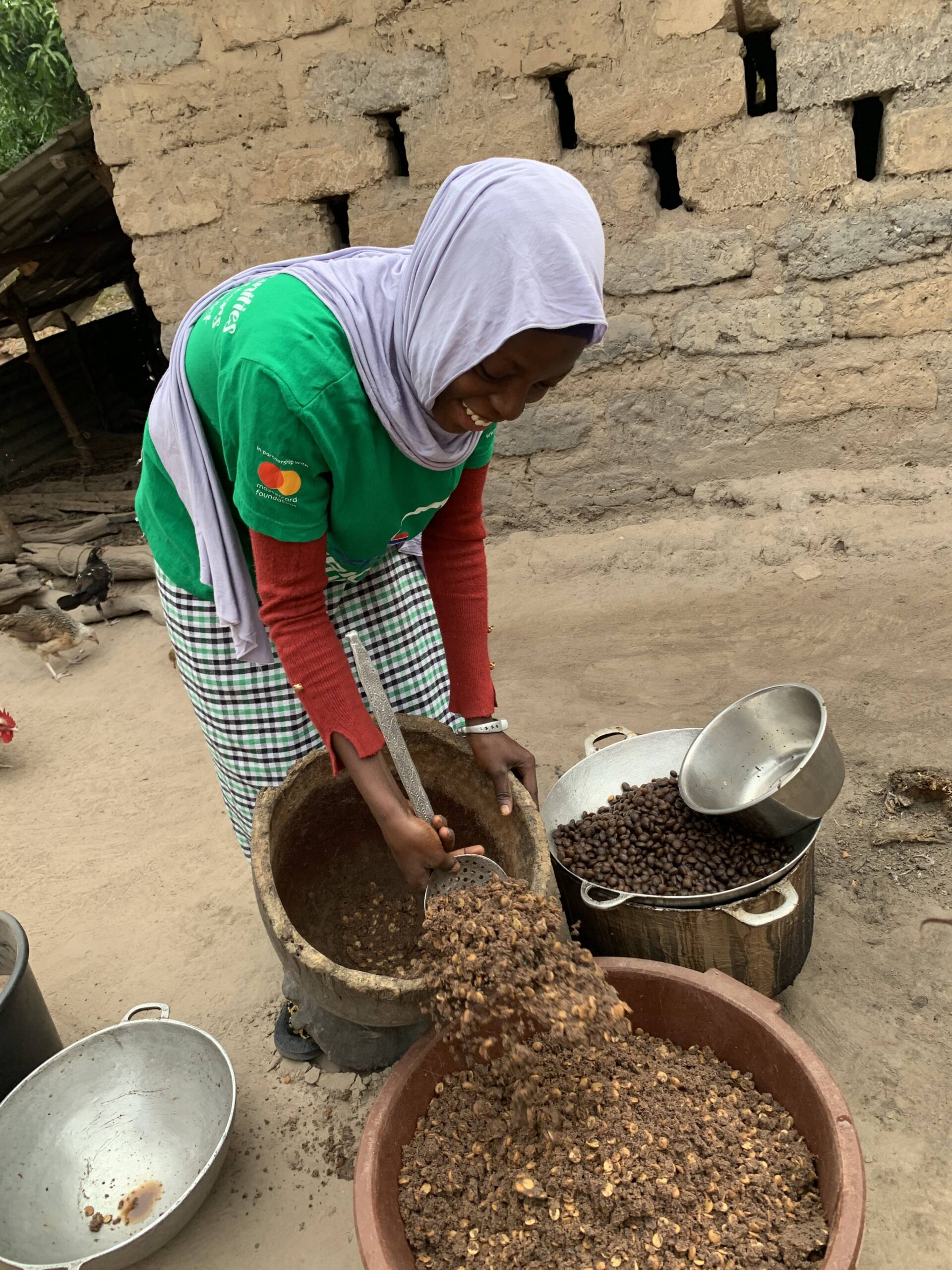
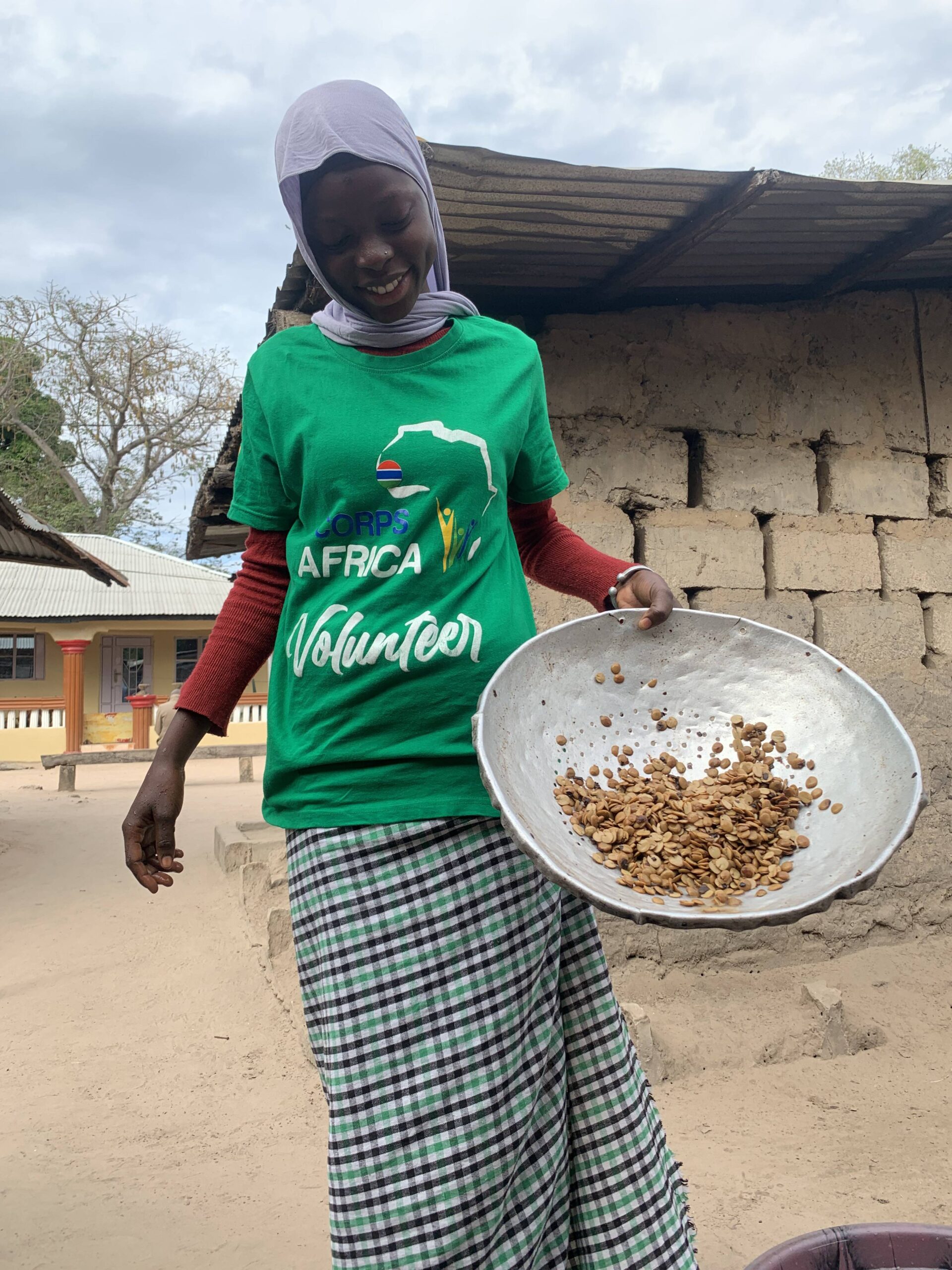
We began boiling dried locust beans over an open fire. The process was long and deliberate, nothing rushed. As the beans softened, my host mom handed me a bowl of freshly boiled locust beans motioned toward a mortar set in the sand beneath our feet. We poured the beans into the mortar, added about 1kg of sand, and began pounding them gently with a pestle. At first, I hesitated. Everything I knew about cooking told me this was wrong. But here, this was tradition. The sand helped loosen the skins, and once we washed the beans thoroughly with clean water and hand-picked them one by one, they emerged cleaner than I expected; smooth, golden, and ready for the next step.
We boiled the beans again for a few minutes while they were still hot, added salt, and then set them aside to ferment. That was it, simple, patient, intentional. Netetu in the making. As the beans rested, I watched, listened, and slowly understood that this process was more than food processing. Neighbors passed through the compound, offering greetings and quiet commentary. Children hovered nearby, curious and amused by my clumsy technique. My host mom worked with calm confidence, her hands carrying knowledge shaped by years of repetition. What struck me most was how natural the sharing felt. There were no formal instructions, no written recipes, just observation, practice, and trust. Even when language failed me, the rhythm of the work filled the gap. I was no longer just watching life in Bajonkoto happen but I was participating in it.
The fermentation of the netetu stayed on my mind long after we finished. Something raw was transformed into something essential, something simple becomes complex. As I watched the process unfold, I couldn’t help but see myself in it. Like the beans, I was undergoing my own quiet transformation, adjusting, absorbing new ways of living, learning when to be patient, when to ask questions, and when to simply follow. Until that day, integration had felt like a distant goal. But sitting there, hands still scented with locust beans, I realized it often happens quietly in shared labor, in laughter over mistakes, in being trusted enough to do things the local way.
Now, every time I taste netetu in a meal, I am transported back to that morning in Bajonkoto, to the mortar, the sand, the heat, the stories, and the gentle lesson that sometimes belonging begins not with words, but with working side by side. Service doesn’t always change you through big moments. Sometimes, it’s the small, ordinary one like learning how to make netetu that leaves the deepest mark.