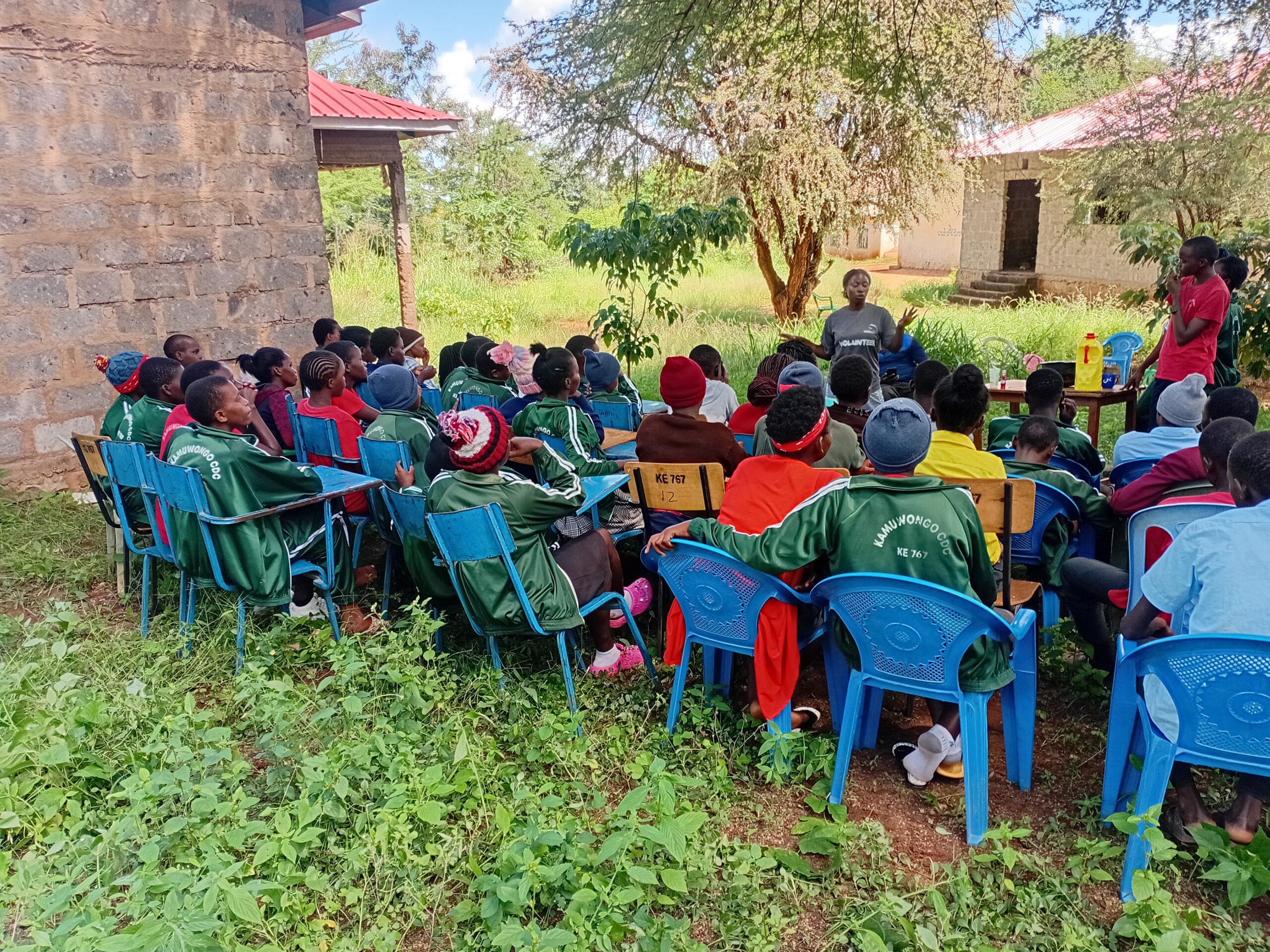
Today I am celebrating how far my voice has come. If you met me two years ago, you probably wouldn’t remember me. I chose the back seats. I kept my thoughts to myself. Speaking in front of people felt like standing in the middle of a storm with no shelter. My voice would shake, my mind would go blank, and silence felt safer than trying.
Life has a way of getting us out of our comfort zones.
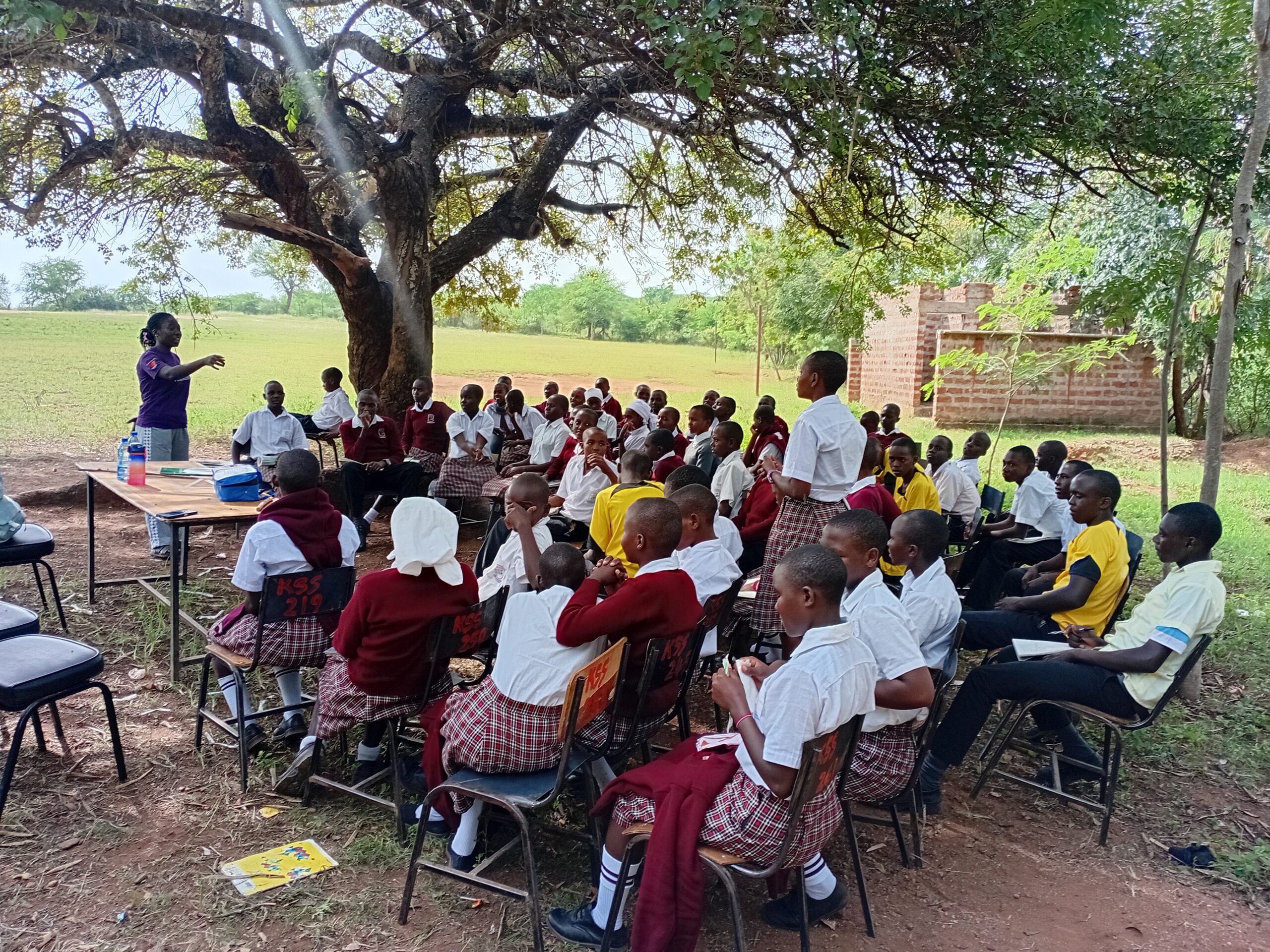
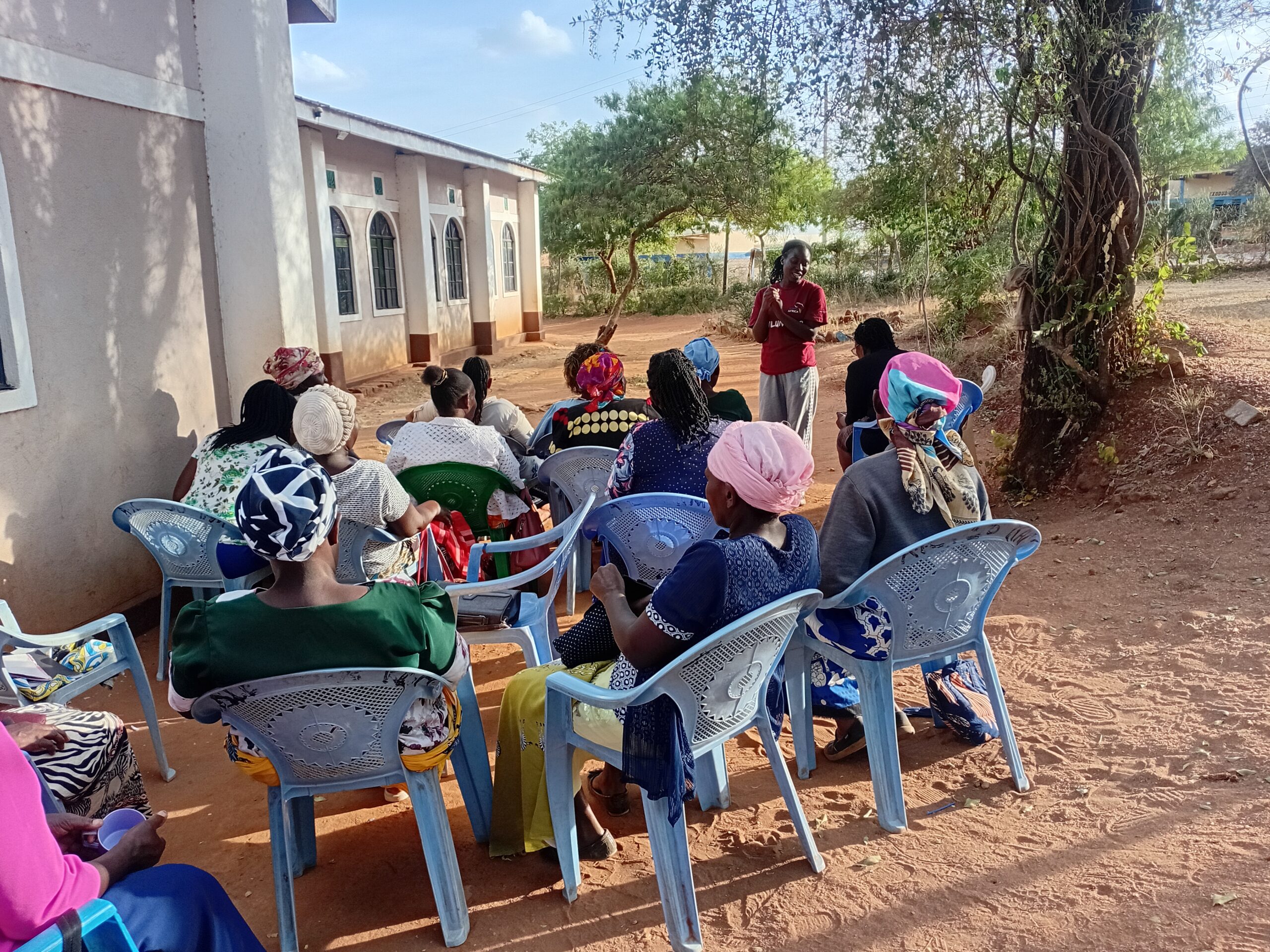
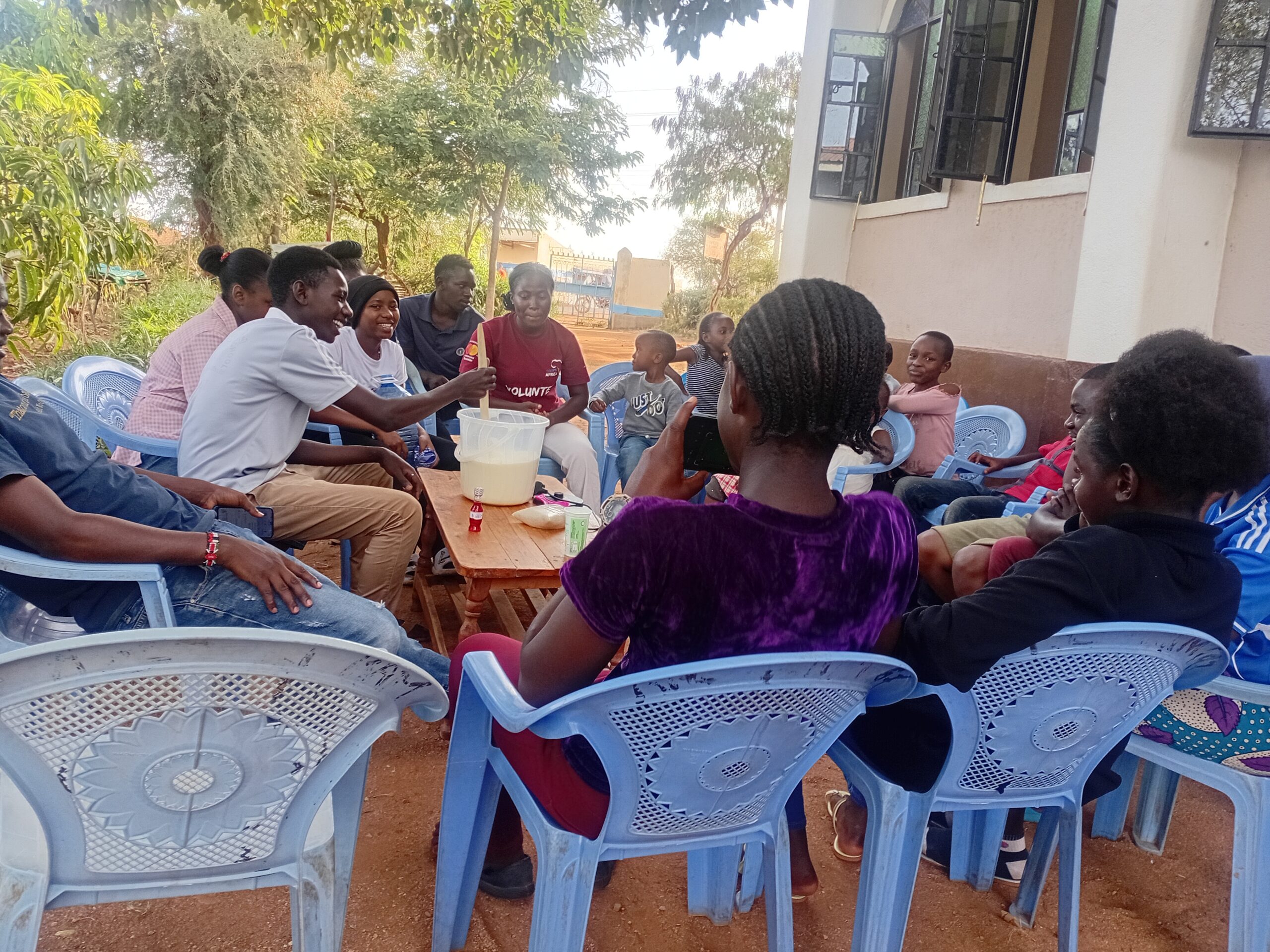
Through my community service as a volunteer with CorpsAfrica, I found myself in spaces where people were not looking for perfection; they were looking for connection. Young people wanted to be heard. Women were thinking through ways to earn. Teachers were trying to stretch what they had.
At first, it was uncomfortable. I stumbled over words. I doubted myself constantly. After every session, I replayed everything in my head, thinking, “Why did I say that?” or “I should have done better.” Before my first community meeting, I spent 2hours speaking before a tree.
But here’s the thing about growth: it doesn’t ask for perfection; it asks for presence. So I kept showing up. Every conversation made the next one easier. Every mistake became a lesson. Every small win built a little more courage.
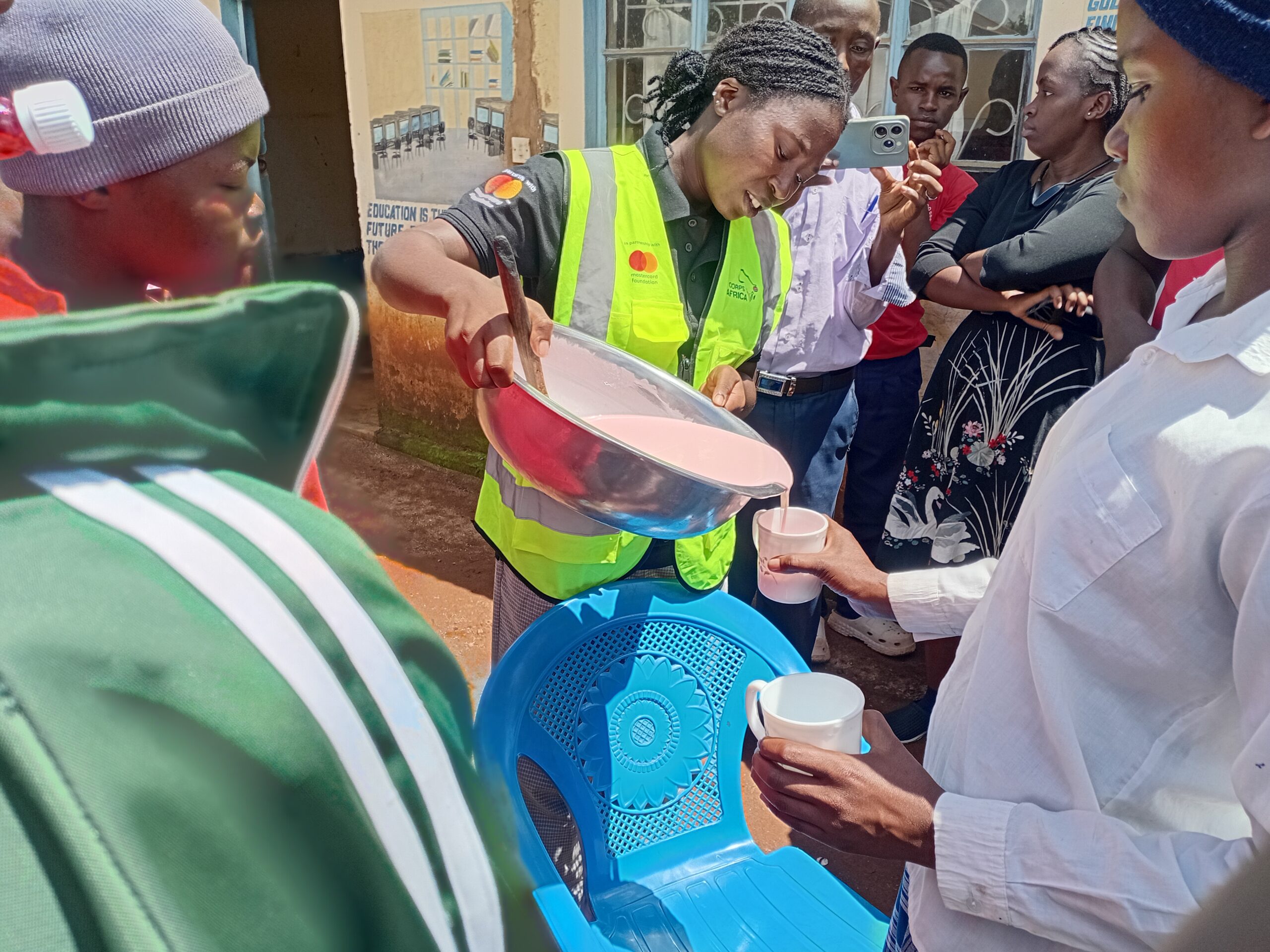
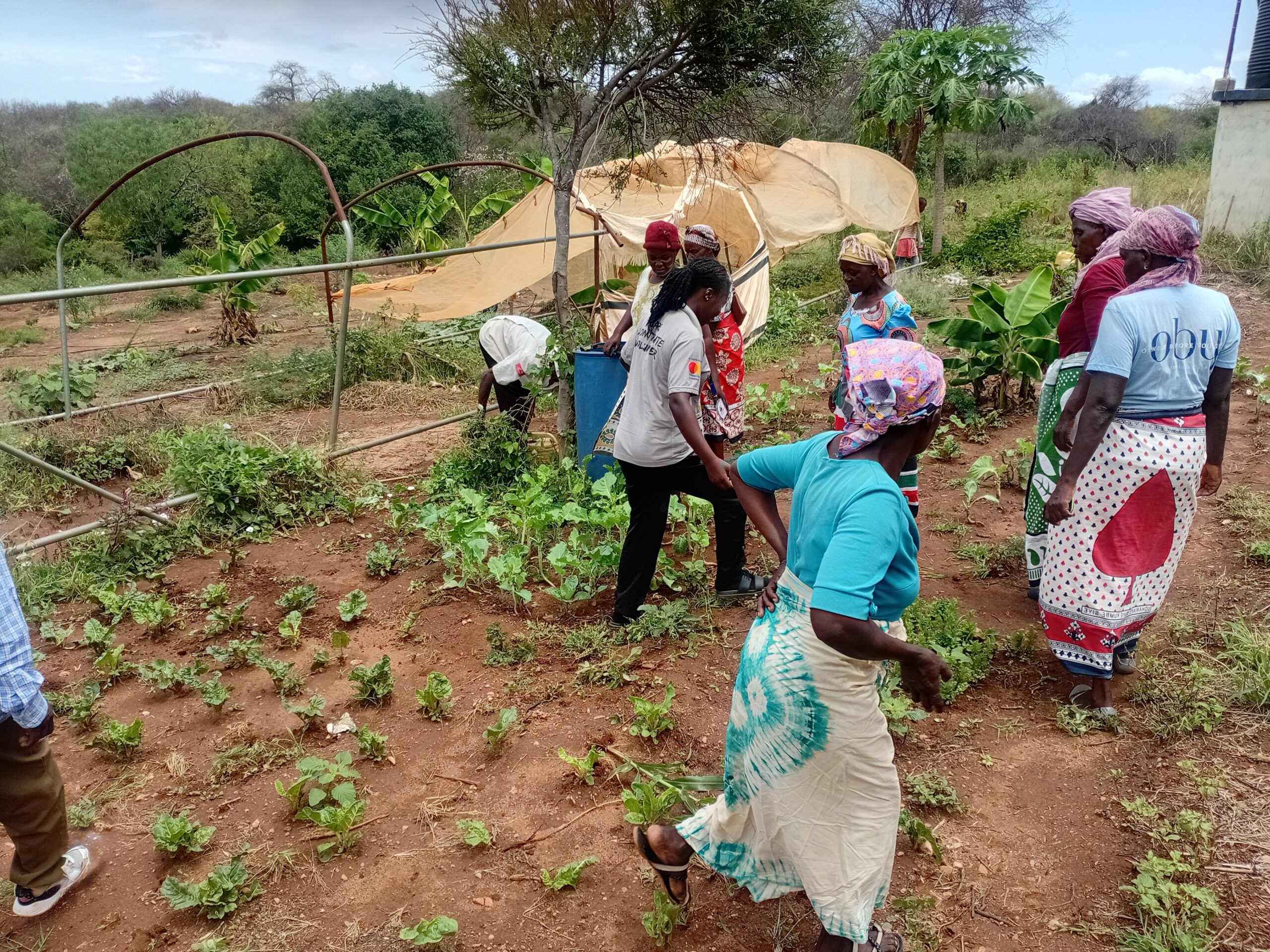
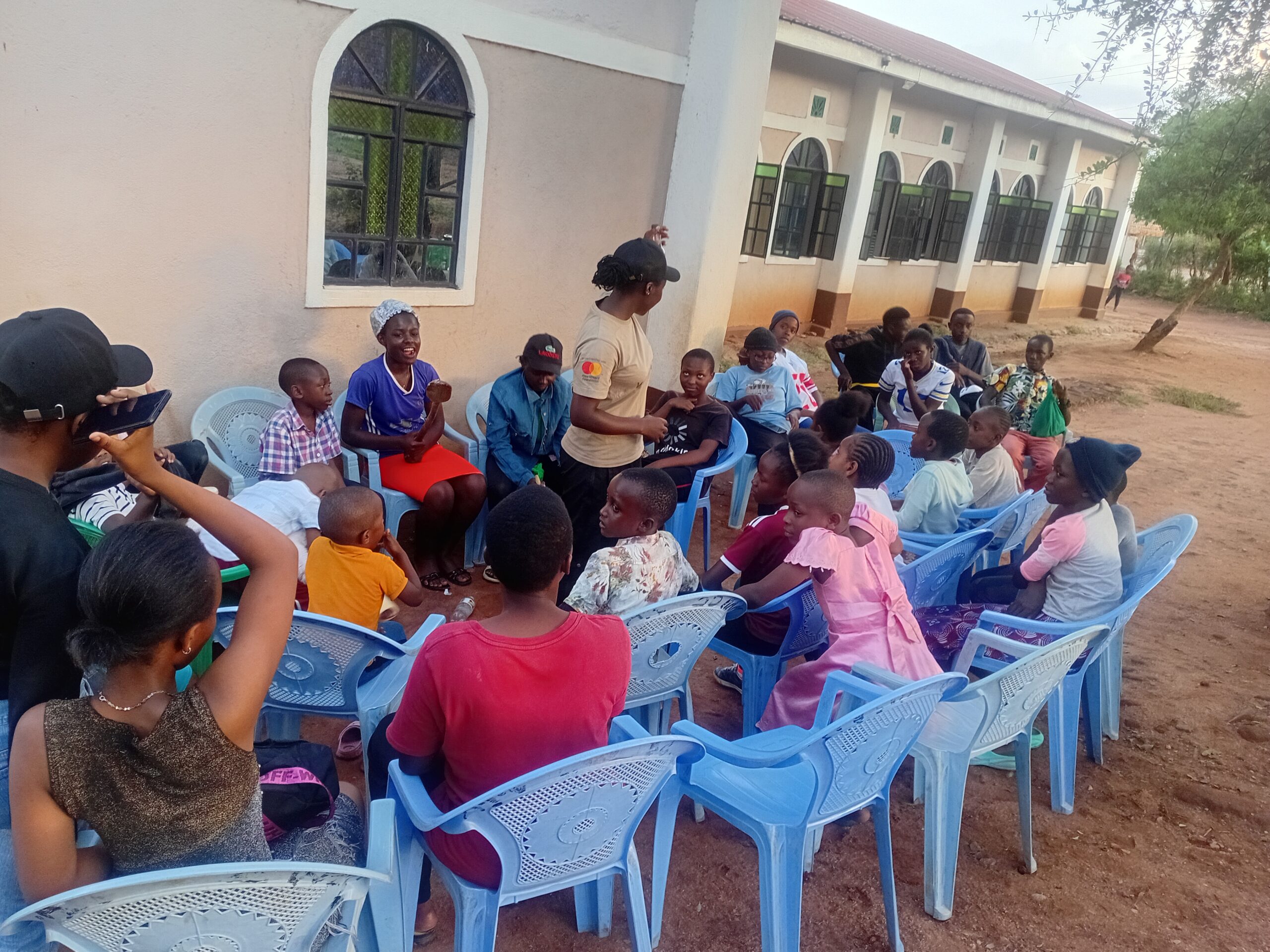
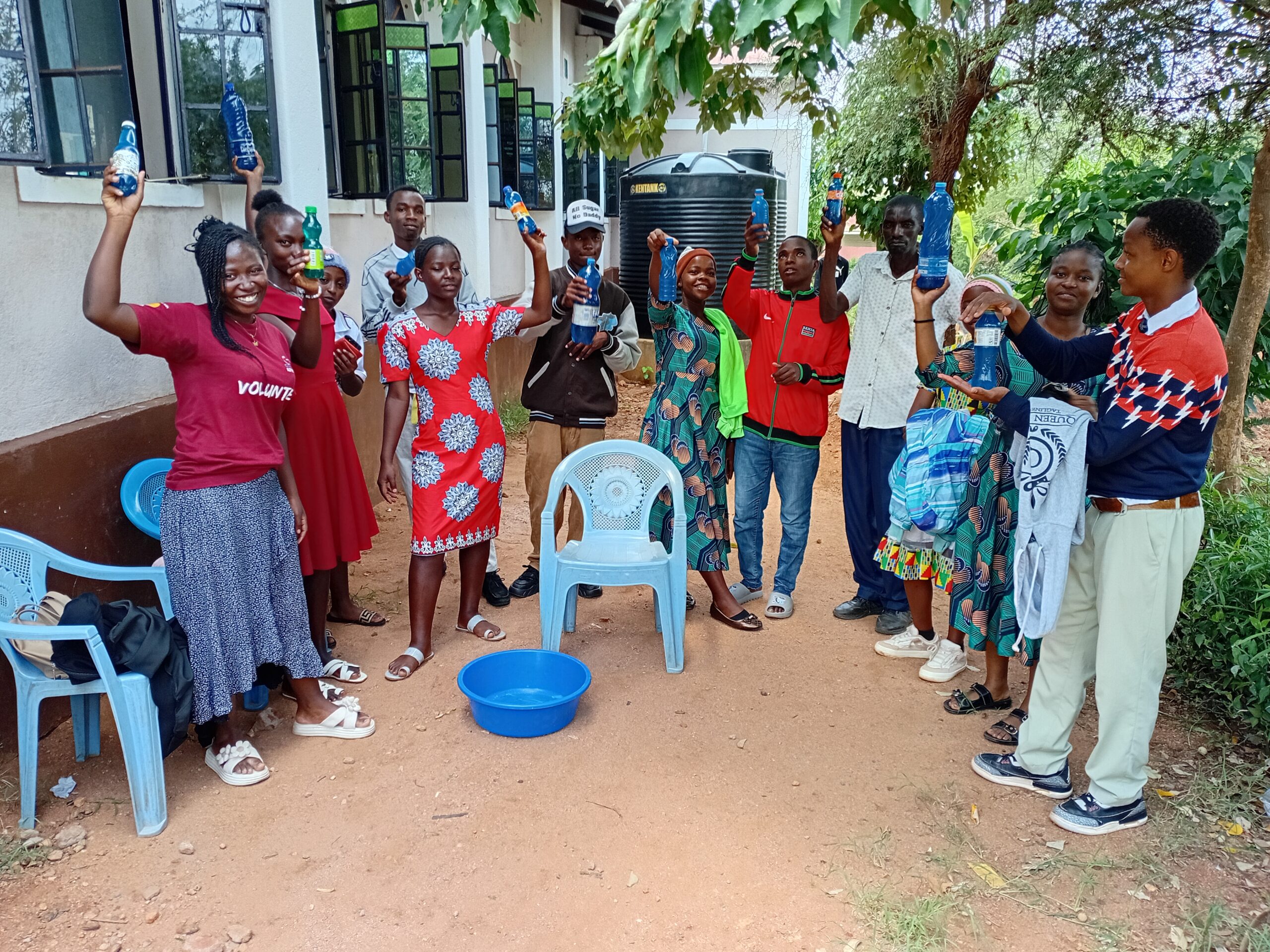
Through my facilitation, I helped create spaces where people could think, speak, and act for themselves. By mentoring students, organizing youth groups, and guiding community conversations, young people grew more confident and began shaping their own ideas into action. Working alongside women in trainings like soap making, baking, and yoghurt production, we explored practical ways to generate income, leading to small but meaningful livelihood opportunities. Engagements with teachers opened up alternative income pathways beyond the classroom. Across these spaces, from gardens to public forums, the impact was not about giving solutions, but about enabling shared learning, sparking initiative, and supporting communities to turn their own ideas into sustainable progress.
As a researcher and policy analyst, I started to connect these everyday experiences to bigger questions. I wasn’t just participating anymore; I was understanding. I was learning how real lives, real challenges, and real solutions should shape the way we think about development and policy.
One day, I will step into global spaces, not to speak over others, but to represent voices like the ones I have learned from. To ensure that policies and decisions are grounded in real experiences, not assumptions.
Leadership is not about being the saviour. It is about being part of the process. You don’t need to have all the answers. You need to be willing to listen, to learn, and to grow with others.
To every young African woman who feels unsure of her voice, start anyway. Speak, even if it’s not perfect. Show up, even if you doubt yourself, because leadership is not about standing above people. It is about standing with them. Sometimes, the quiet girl at the back is not waiting to be called forward. She is learning, observing, and slowly becoming the kind of leader the world truly needs.
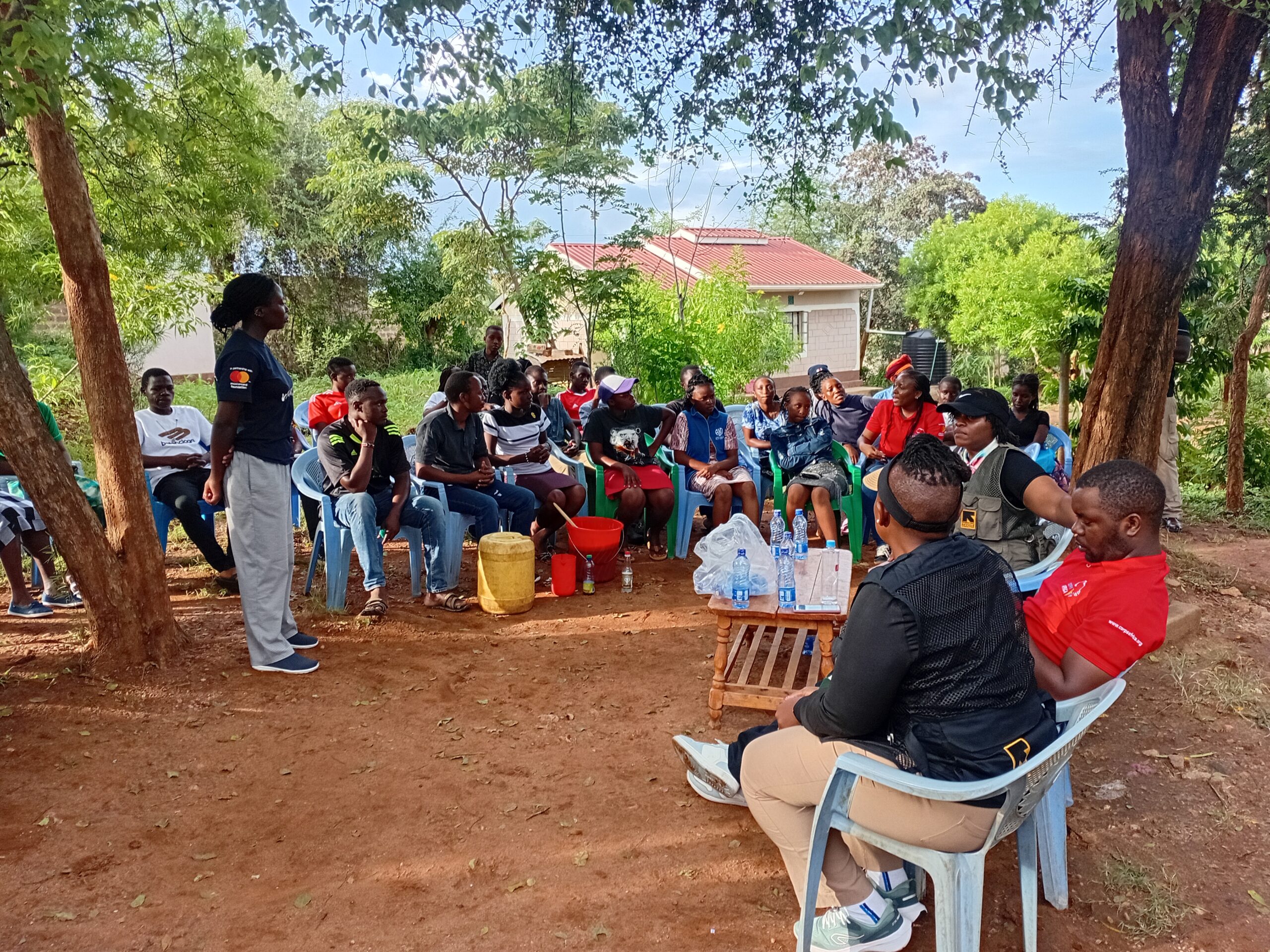
Through it all, I have grown from a quiet observer into a confident facilitator—someone who not only speaks, but creates space for others to find and use their own voice. Today I stand before 20, 50, 170, 200 people not just to speak but to lead conversations, especially with young people.