
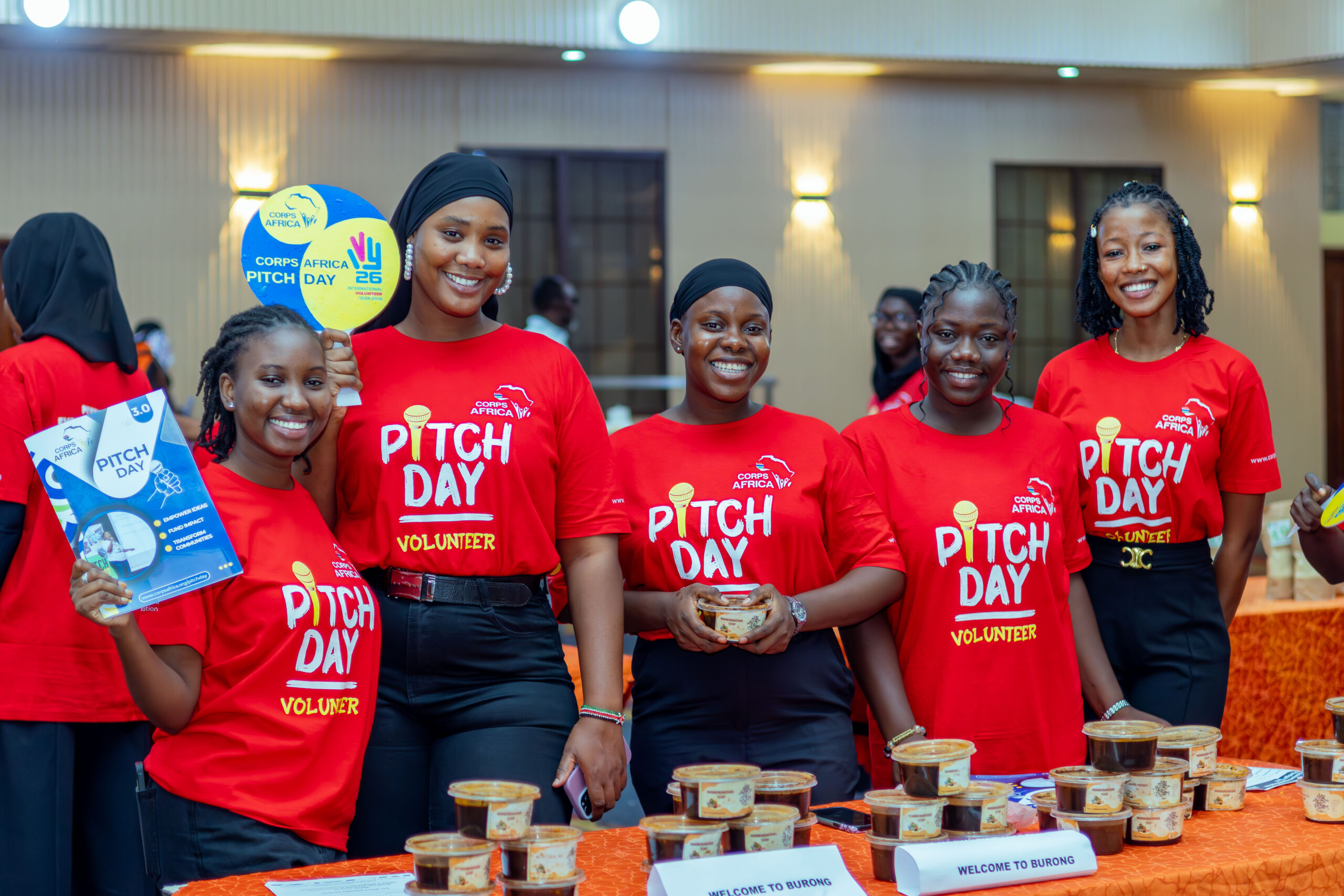

Opinion: CorpsAfrica’s “Pitch Days” are proving that community-led entrepreneurship and local philanthropy can unlock more sustainable, accountable, and scalable development solutions across Africa.
For decades, global development conversations about Africa have largely revolved around financing gaps, donor priorities, and externally designed interventions. Yet across the continent, a quieter transformation is unfolding — one that challenges long-standing assumptions about who drives development, who defines priorities, and where solutions should originate.
That transformation is happening through community-led entrepreneurship.
At a time when international aid budgets are shrinking, development institutions are rethinking funding models, and African governments are under growing pressure to create jobs for rapidly expanding youth populations, one question is becoming increasingly urgent: What happens when communities themselves become the architects, financiers, and drivers of local development?
Local investment in local ideas
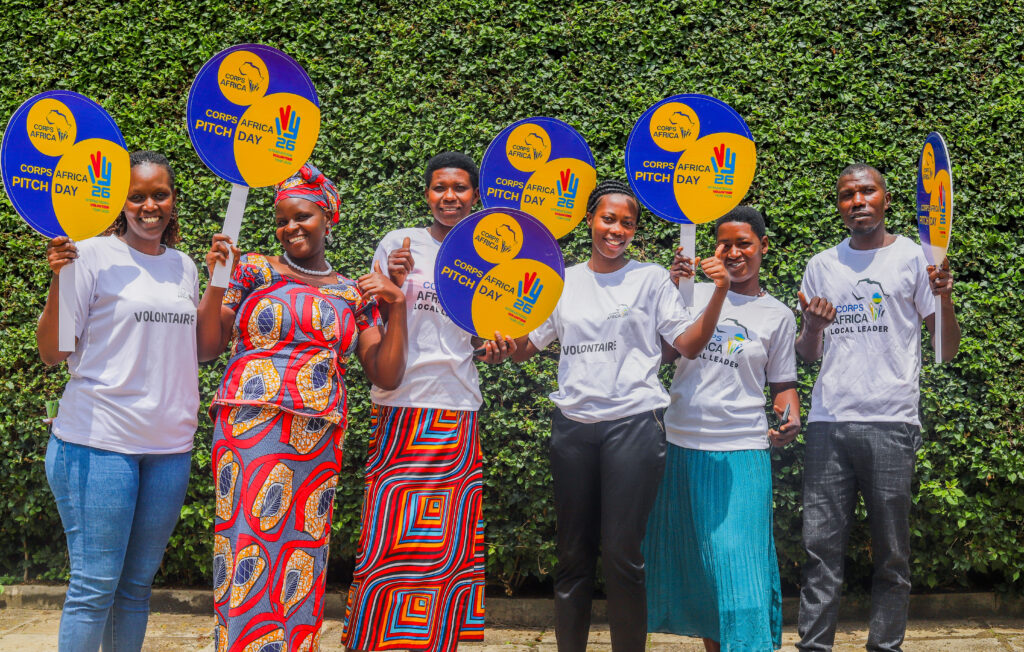
Inspired by “Shark Tank” and deeply rooted in African community-led development, Pitch Day brings together local business leaders, philanthropists, development players, alumni, and community members to invest directly in grassroots ideas designed and led by communities themselves.
The concept is simple but powerful. CorpsAfrica volunteers work alongside local communities for one year, identifying priorities through participatory engagement rather than externally imposed agendas. During Pitch Day events, volunteers and community counterparts present small-scale, high-impact projects to audiences of potential supporters and local investors. The projects range from climate-smart agriculture and livestock production to women-led enterprises and youth employment initiatives.
The audience asks difficult questions. Communities defend their ideas. Local stakeholders choose what they believe is worth funding.
What emerges is far more than a fundraising exercise: Pitch Day assists in reshaping how local philanthropy, entrepreneurship, and development ownership function across African communities.
More importantly, it reveals something the development sector has often underestimated: Communities already know what they need. What they frequently lack is direct access to flexible financing, visibility, and trusted platforms that connect local ideas to local support systems.
Stories of success
At CorpsAfrica/Ghana, one Pitch Day project in the Ashanti region focused on expanding a community piggery initiative. Pig farming already existed within the community, but production remained limited due to poor housing infrastructure, inconsistent feed supply, and lack of investment capital. Rather than introducing an entirely new intervention, the volunteer and community leaders built upon an existing local economic activity with clear market demand.
Their proposal secured support during Pitch Day, allowing the community to improve livestock housing, strengthen animal health management, and train young people in modern production practices. The results extended beyond income generation alone. Youth who had previously considered migrating to urban centers in search of work found opportunities within their own community. Local supply chains strengthened. Household incomes improved. Ownership remained entirely local.
Another CorpsAfrica/Ghana project tackled a challenge many cocoa-growing communities across West Africa understand well: post-harvest losses and low-value market access. A CorpsAfrica volunteer worked alongside farmers to establish a cocoa fermentation and drying center that improved bean quality and increased market competitiveness.
The intervention itself was modest. Its impact was not.
Higher-quality processing enabled farmers to negotiate better prices, while profits generated from improved sales began supporting women’s savings groups and education initiatives within the community. The project demonstrated how relatively small, community-owned infrastructure investments can unlock broader economic resilience.
At CorpsAfrica/Kenya, Pitch Day has similarly highlighted the connection between local innovation and climate adaptation. One women-led cooperative proposed a solar-powered irrigation project designed to reduce dependence on unpredictable rainfall patterns while increasing year-round vegetable production. The proposal succeeded not because it relied on sophisticated technology, but because it addressed an immediate community challenge with a practical, locally managed solution. Today, the initiative supports household incomes, strengthens food production, and offers a replicable example of climate resilience grounded in local ownership.
The benefits of the Pitch Day model
These examples matter because they challenge one of development’s most persistent blind spots: the assumption that transformative solutions must always originate externally or operate at a massive scale to be effective.
Too often, international development systems prioritize large, highly centralized interventions that can satisfy institutional reporting requirements but struggle to adapt to local realities. Community-led initiatives, by contrast, frequently remain underfunded despite being more responsive, trusted, and sustainable.
Pitch Day reverses that dynamic. It creates direct lines between communities and local philanthropy. It democratizes who gets to present ideas, who gets heard, and who receives investment. It also strengthens accountability because communities themselves remain deeply involved in implementation long after funding is secured.
“What Pitch Day demonstrates is that development becomes significantly more effective when communities are treated not as passive recipients of aid, but as capable partners.”
At a broader level, the model also contributes to an important shift within African philanthropy itself. Across the continent, conversations around development financing are evolving. As aid uncertainty grows and donor priorities shift globally, African institutions, businesses, and citizens are increasingly recognizing the importance of mobilizing local capital and local giving ecosystems.
The future of development in Africa
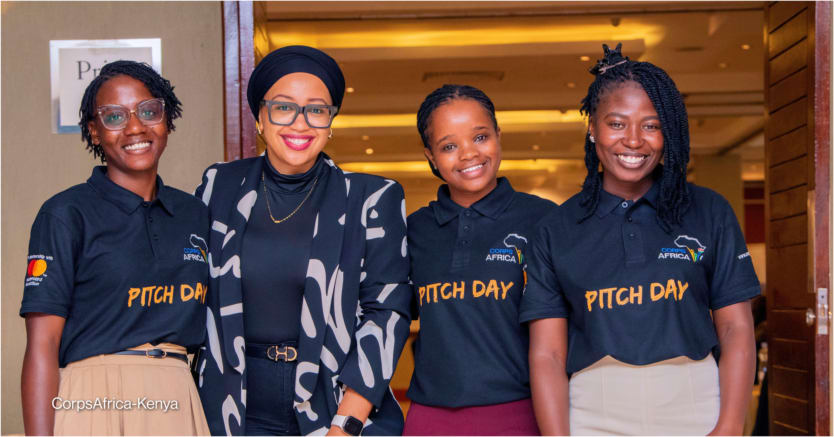
The Pitch Day model also invests heavily in leadership development. For CorpsAfrica volunteers, Pitch Day becomes a practical training ground for public speaking, budgeting, stakeholder management, proposal development, and systems thinking. Volunteers are not simply implementing projects; they are learning how to navigate the realities of development work from the ground up.
That experience is particularly important for Africa’s growing youth population.
According to the United Nations Economic Commission for Africa, by 2050, 1 in 4 people in the world will be African. The continent’s future will depend not only on policy reform and institutional investment, but also on whether young Africans are equipped to lead, innovate, and solve problems within their own communities.
What Pitch Day demonstrates is that development becomes significantly more effective when communities are treated not as passive recipients of aid, but as capable partners with agency, ideas, and solutions of their own.
That distinction is important.
The future of development in Africa will not be built solely in conference rooms, donor summits, or policy frameworks. It will also be built in villages, cooperatives, youth groups, and community halls where local people are already identifying solutions to the challenges they face every day.
CorpsAfrica’s Pitch Day is helping make those solutions visible. And in doing so, Pitch Day is quietly reshaping how Africa builds its future.
Explore www.corpsafrica.org to learn more about our work with volunteers, Pitch Day initiatives, and community-led impact across Africa.