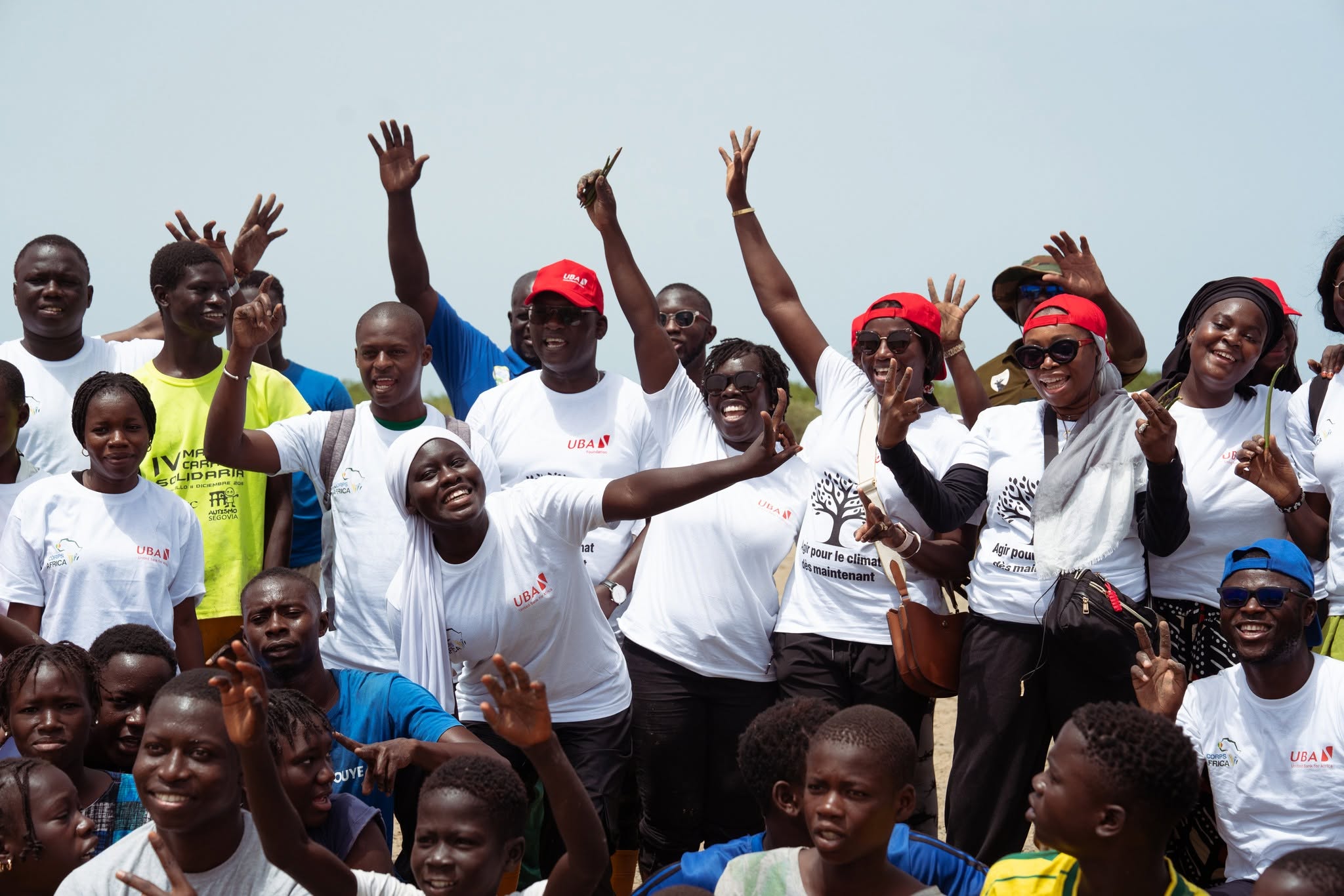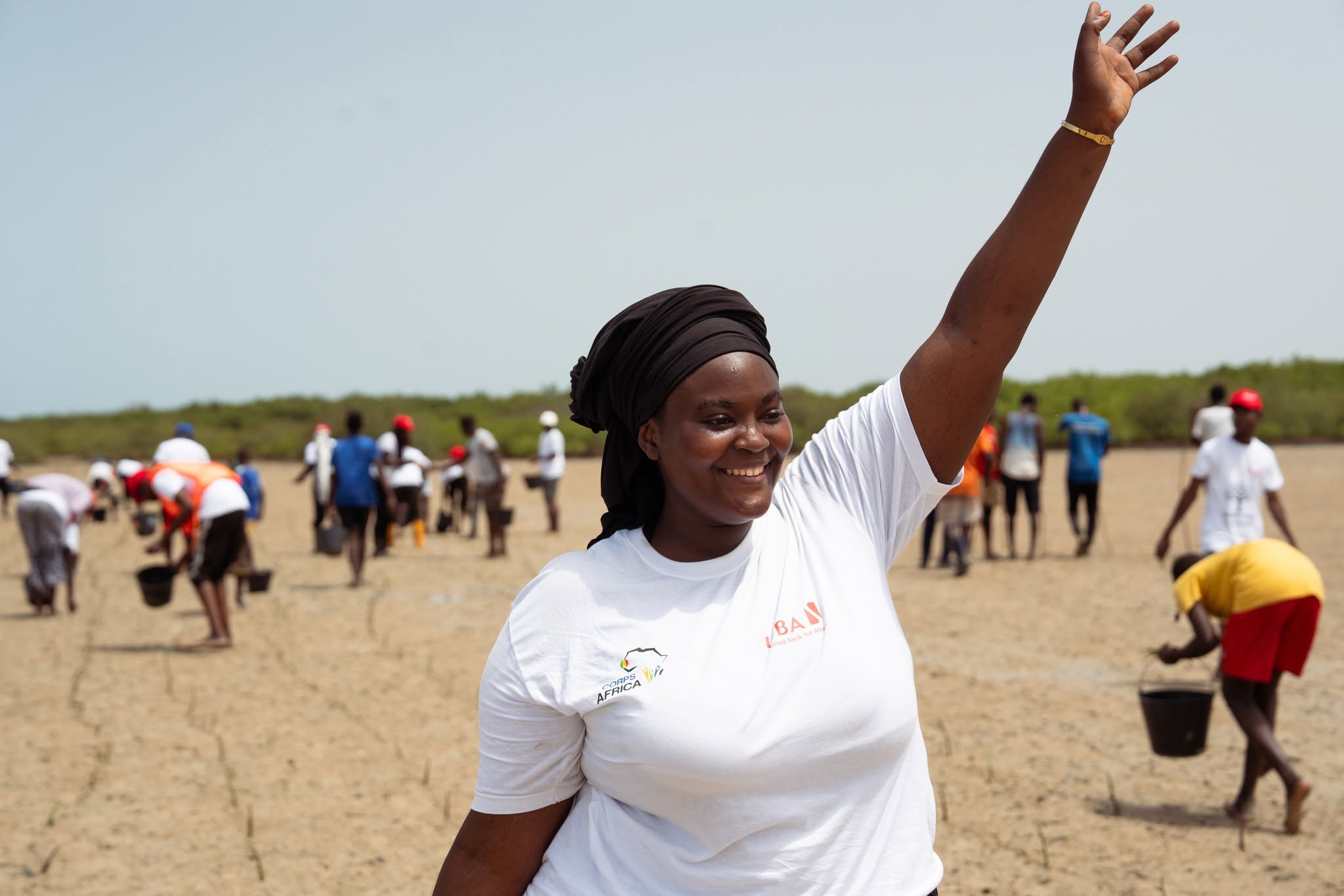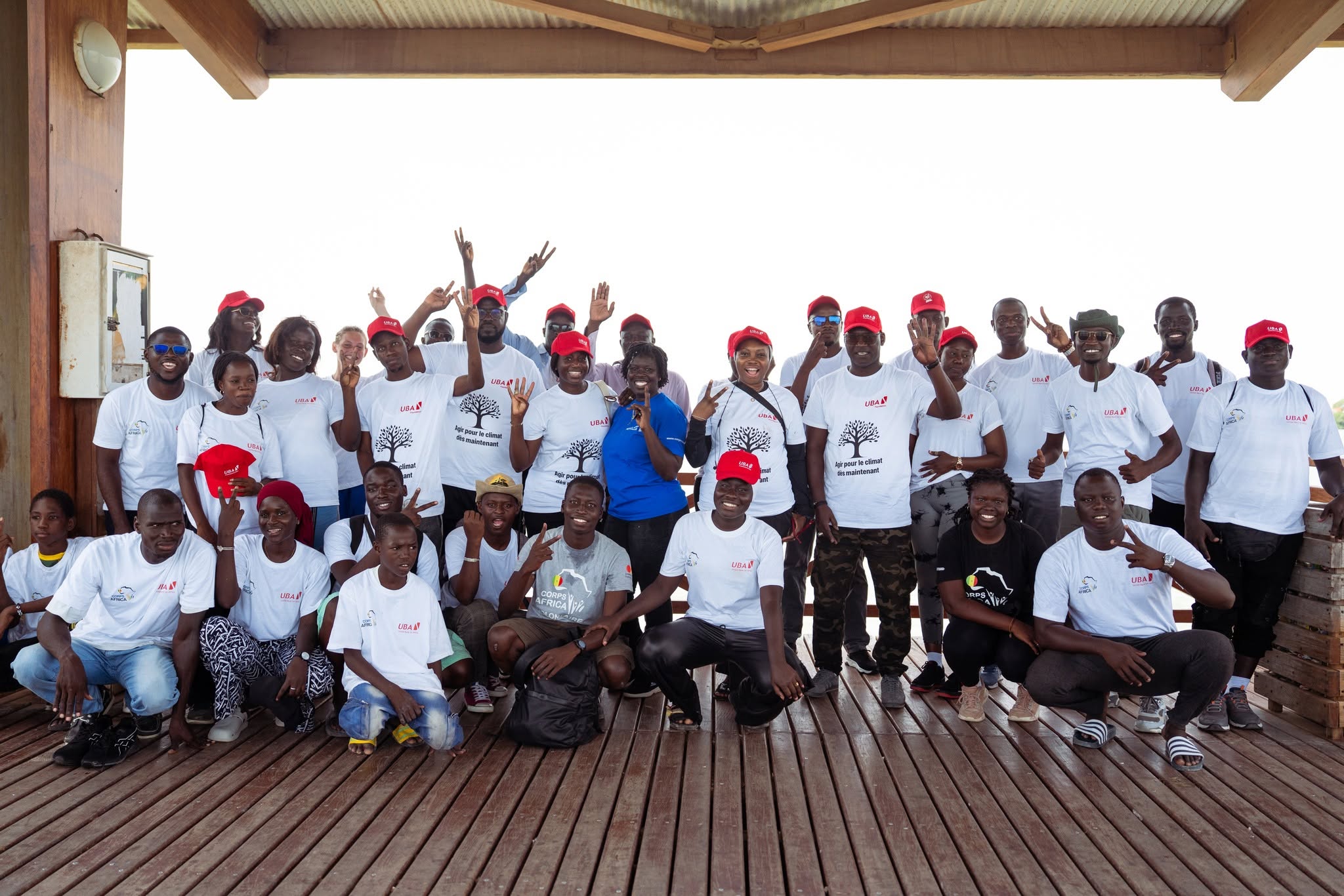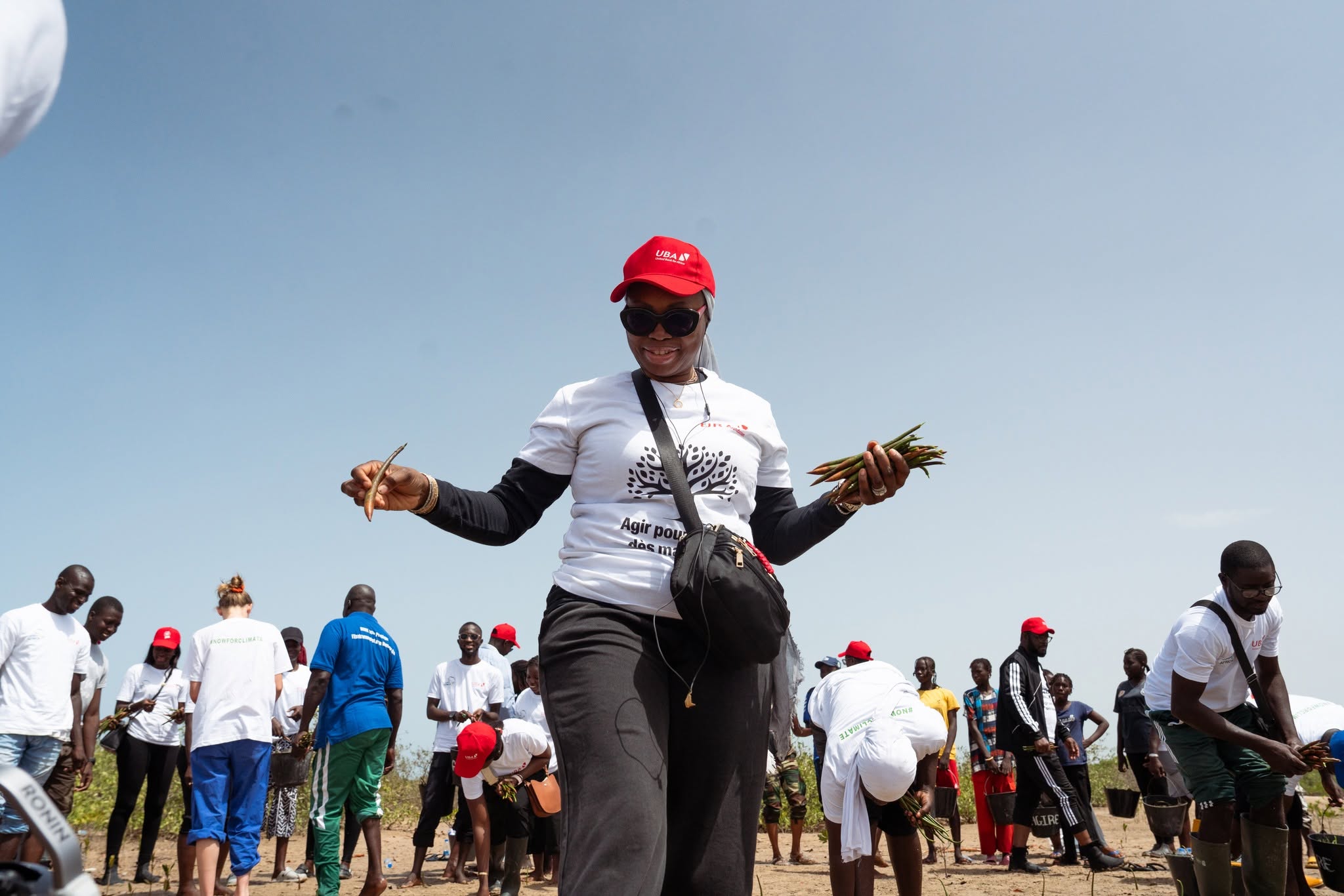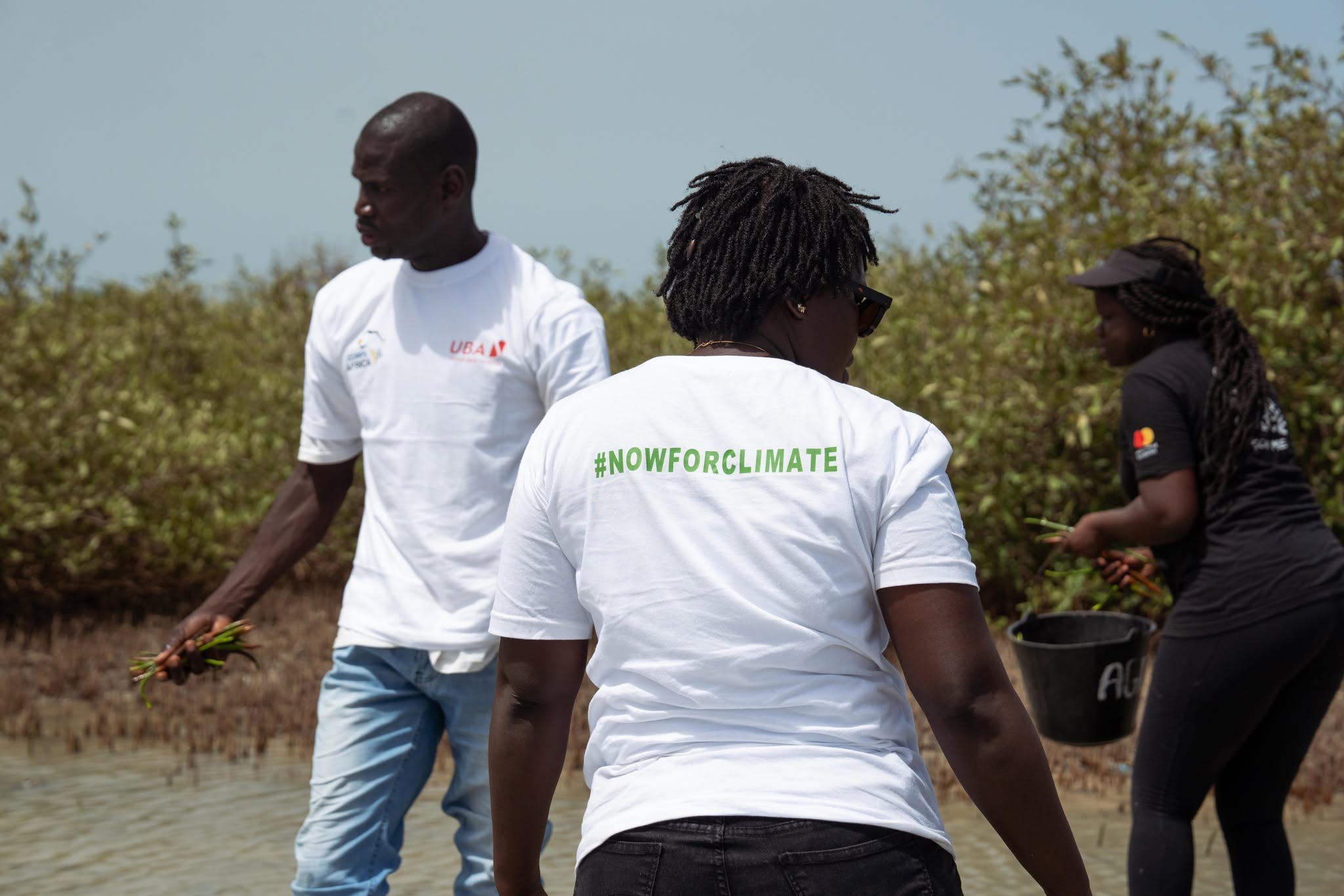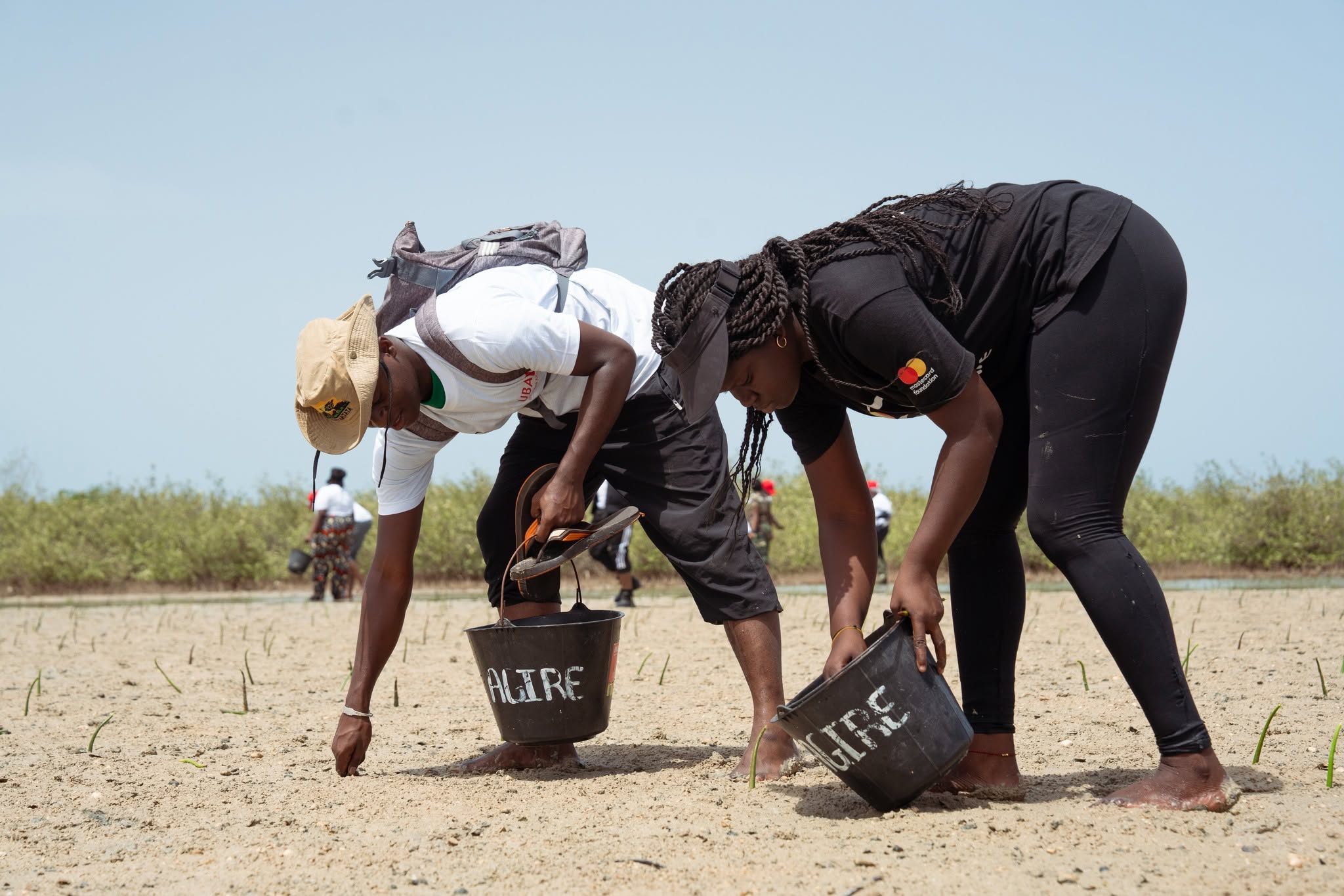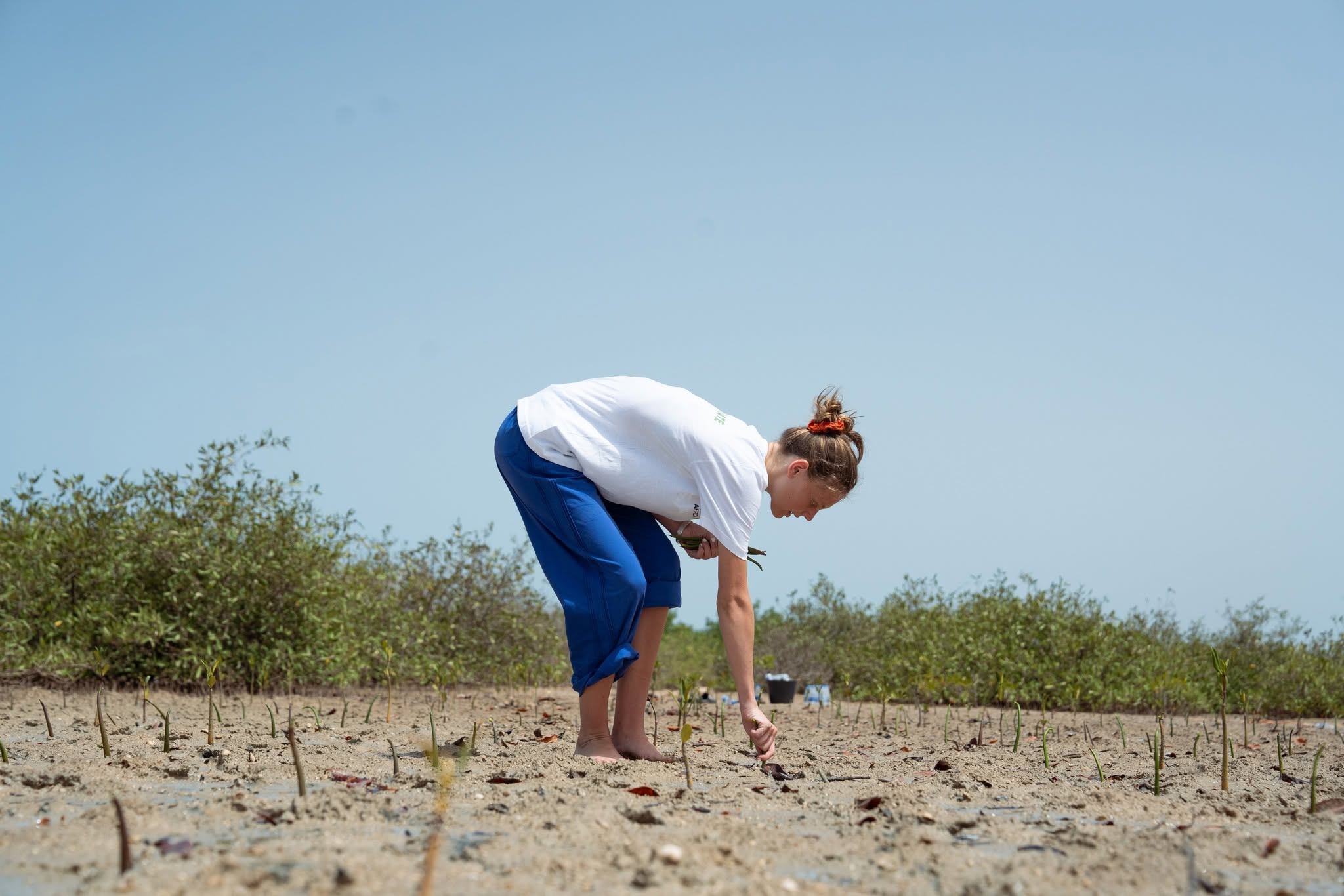
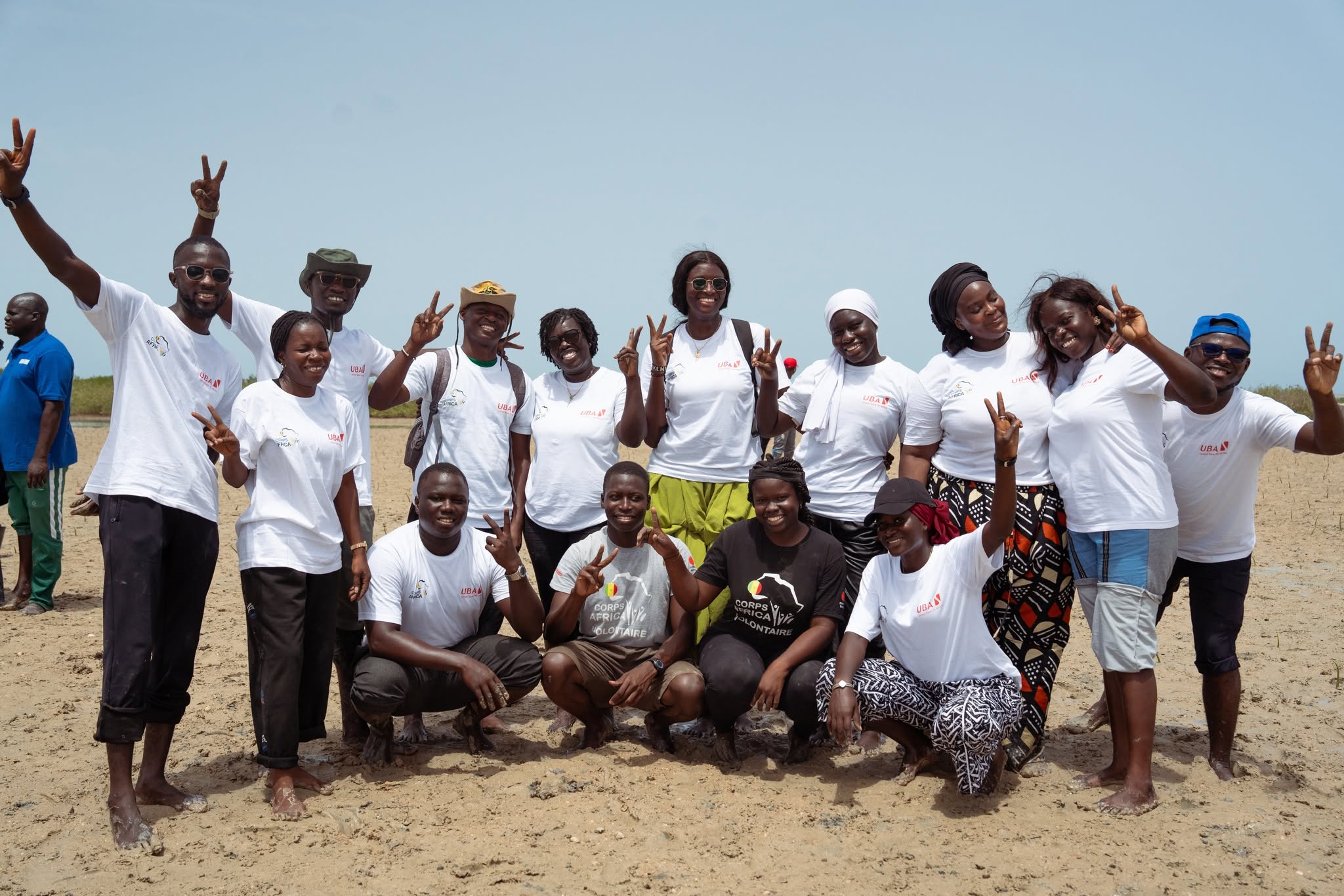
As part of Environment Month initiatives, CorpsAfrica/Senegal, in partnership with UBA Sénégal and local organization AGIRE, organized a mangrove reforestation initiative in the commune of Joal-Fadiouth under the 2026 global theme, “Now for Climate Change.”
The initiative reflects a shared commitment to addressing the growing impacts of climate change through direct, community-led environmental action. By restoring mangrove ecosystems, the project helps protect vulnerable coastal communities from erosion, capture carbon, and strengthen long-term resilience in regions increasingly affected by environmental degradation.
The event was held in the presence of Sarata KONE-THIAM, Regional CEO West Africa at UBA Group, and brought together CorpsAfrica Volunteers, community members, and partners to take meaningful action against the urgent climate challenges facing Senegal’s coastal communities, including coastal erosion, salinization, and ecosystem loss.
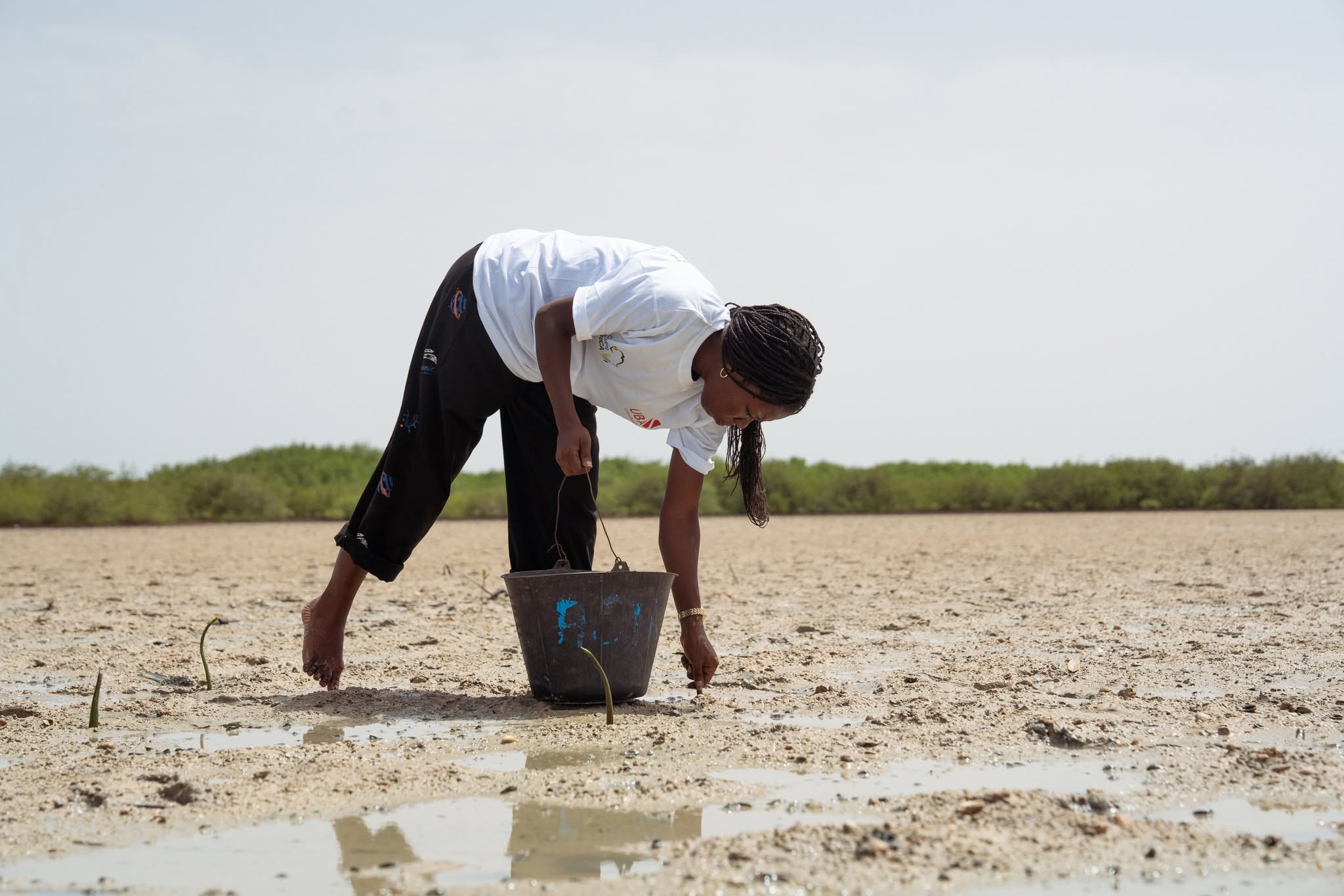
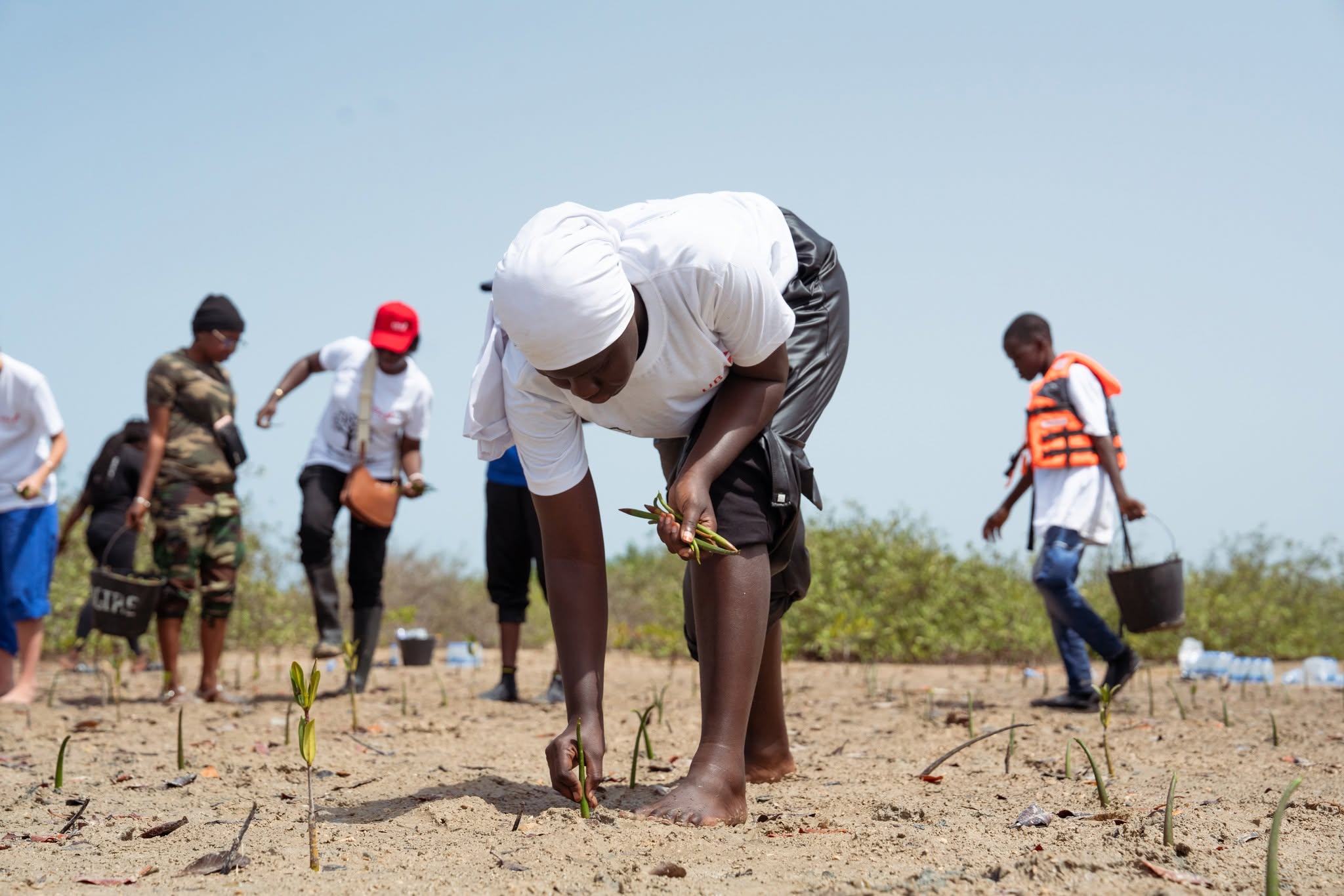
Working together, participants planted more than 2,000 mangrove trees across one hectare of degraded land, contributing to the restoration of a vital ecosystem that serves as a natural barrier against environmental damage while supporting biodiversity and climate adaptation efforts.
Beyond the restoration work itself, the initiative also helped raise awareness about the critical role mangroves play in protecting coastlines, absorbing carbon emissions, and building stronger, more climate-resilient communities.
CorpsAfrica extends its gratitude to all CorpsAfrica Volunteers, the Club des Alumni de CorpsAfrica/Sénégal, AGIRE, and valued program partner UBA Sénégal for coming together in support of environmental stewardship and sustainable community development.
Through partnerships and locally driven action, communities are leading the way in building solutions that create lasting environmental impact for future generations.
Mangrove Restoration and Volunteers in Action
Mangrove restoration plays a critical role in protecting coastal communities and strengthening resilience against climate change. Mangroves act as natural barriers that reduce coastal erosion, protect communities from flooding and rising sea levels, capture significant amounts of carbon from the atmosphere, and provide essential ecosystems that support biodiversity and local livelihoods. In vulnerable coastal regions like Joal-Fadiouth, restoring mangroves is an investment in both environmental sustainability and long-term community resilience.
The involvement of CorpsAfrica Volunteers makes this work even more meaningful in the context of 2026, the Year of the Volunteer. Volunteers represent the power of locally driven action and community leadership in addressing some of the world’s most urgent challenges. By working directly alongside communities to implement sustainable solutions, CorpsAfrica Volunteers demonstrate how service can create lasting impact, proving that young people are not only participants in development but leaders in building a more resilient and sustainable future.