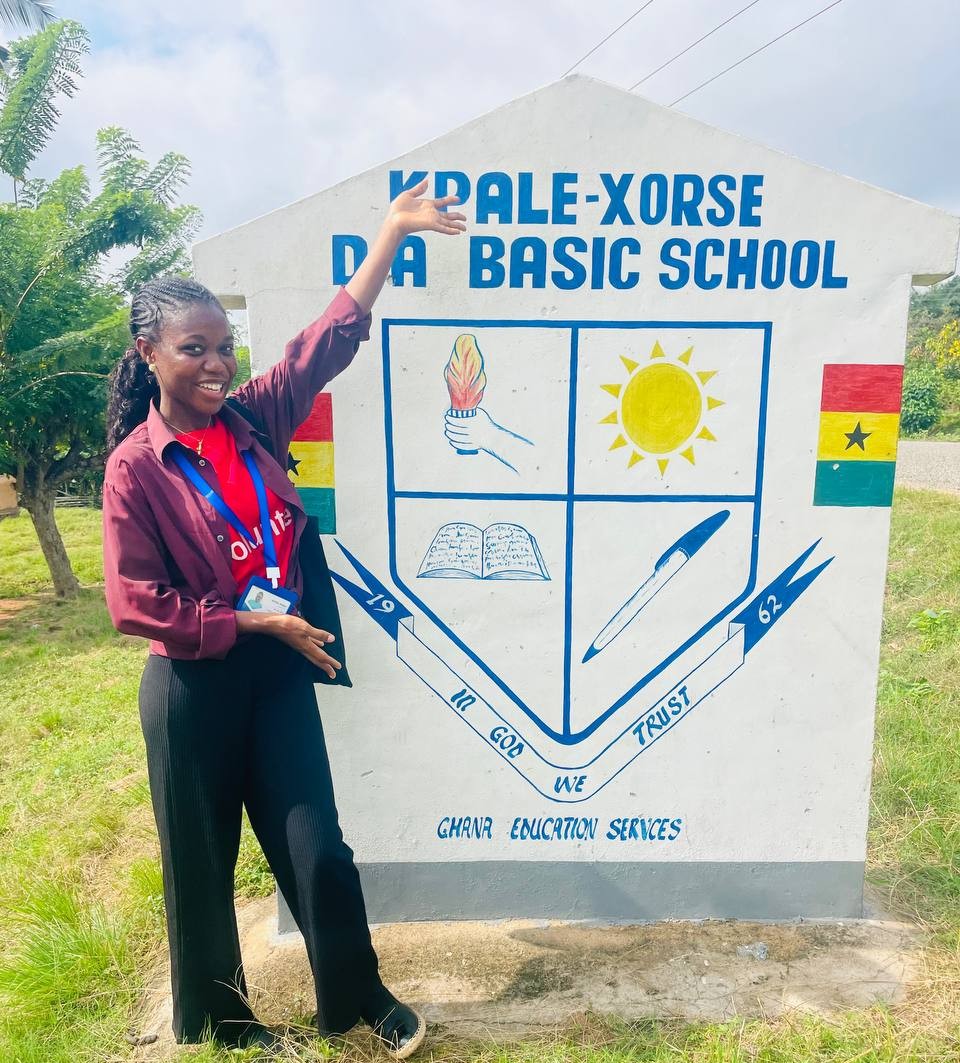
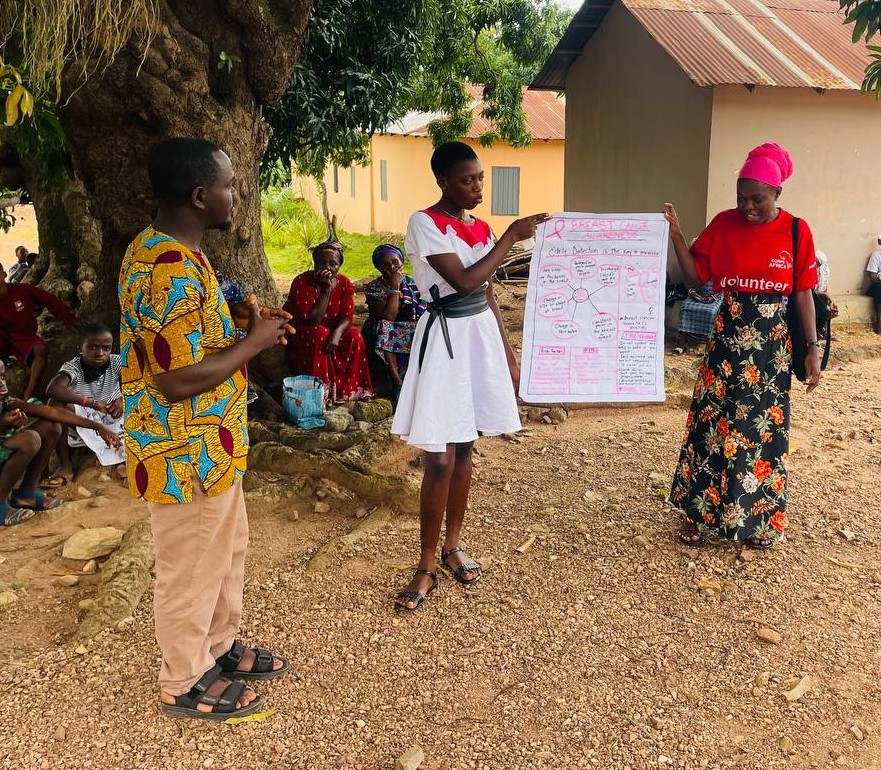
After I arrived in Kpale-Xorse, someone told me about my community. It was a mission community with no hospital, CHPS compound, or health centre. When someone is sick, they are prayed for and then healed. Health outreach and awareness sessions mostly don’t happen here.
I listened, and I believed it.
During training, CorpsAfrica taught us about the danger of a single story, an idea made famous by the Nigerian writer Chimamanda Ngozi Adichie. A single story isn’t always true. It is incomplete. If you hear only one side, you can end up seeing a whole community in only one way. So, we were taught to listen without judging and then to keep listening to the other parts of the story.
I just didn’t know yet how soon I would need that lesson.
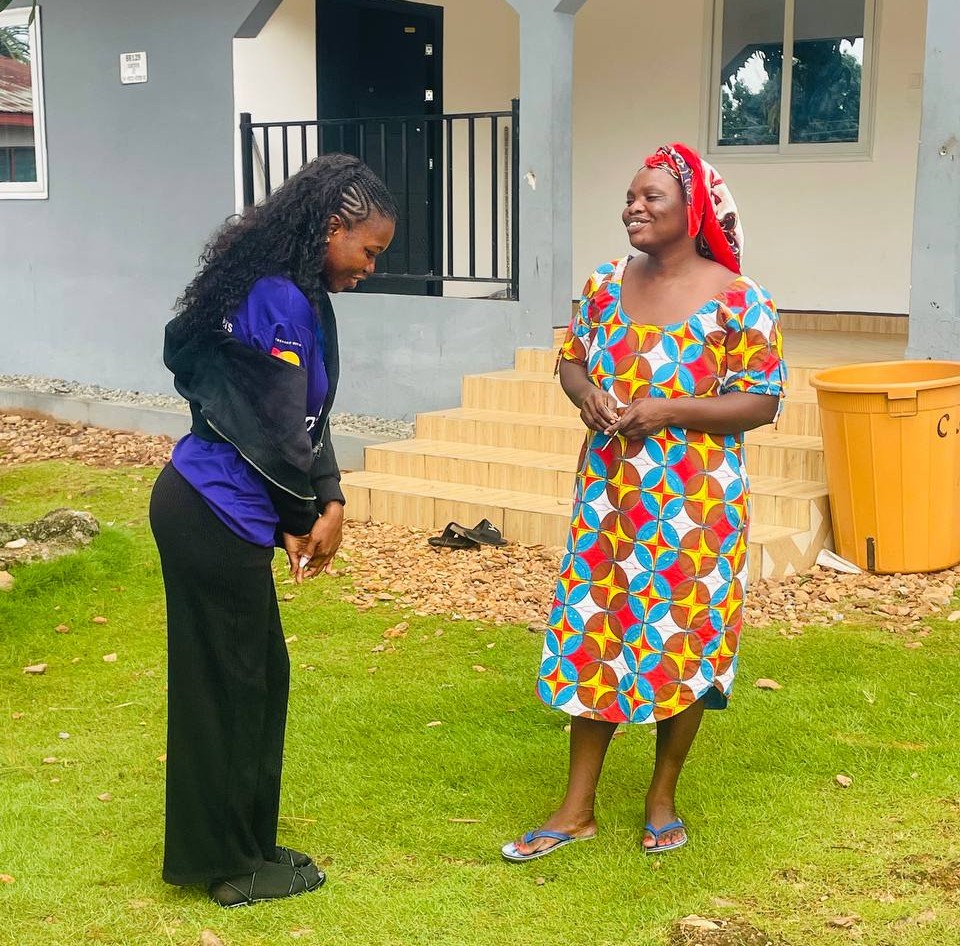
October is Breast Cancer Awareness Month, and I couldn’t stay quiet. I told my host dad that I wanted to conduct breast cancer awareness activities. He shook his head and said, “Anita, I’m not sure this can happen in this community.” He wasn’t being unkind. He was telling me the story he knew. Then he went away to think about it, and when he came back, he said, “Try. Go and talk to the general overseer of the community.”
So, I did. I told the overseer I wanted to educate people about breast cancer, and I expected a polite no. Instead, he said education was really needed. He even explained how what we eat and how we live can lead to the serious illnesses we see around us. It turned into a lovely conversation, and then he gave me his blessing.
That was the moment the single story cracked. I have a background in public health, and my research focus is non-communicable diseases, of which breast cancer is one. I went back to my room, took out my flip charts, and practised my demonstrations until I was ready to carry them around the community.
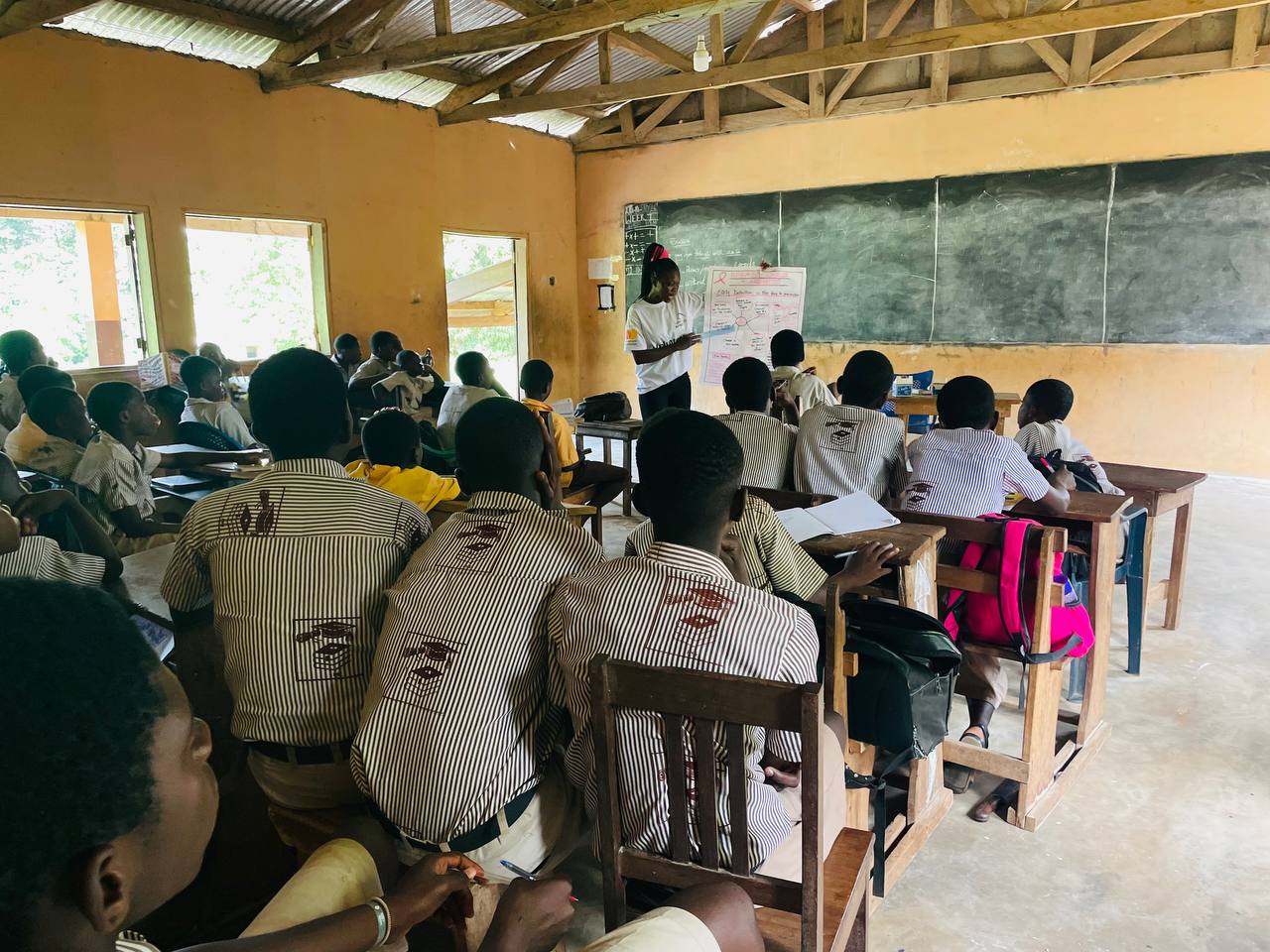
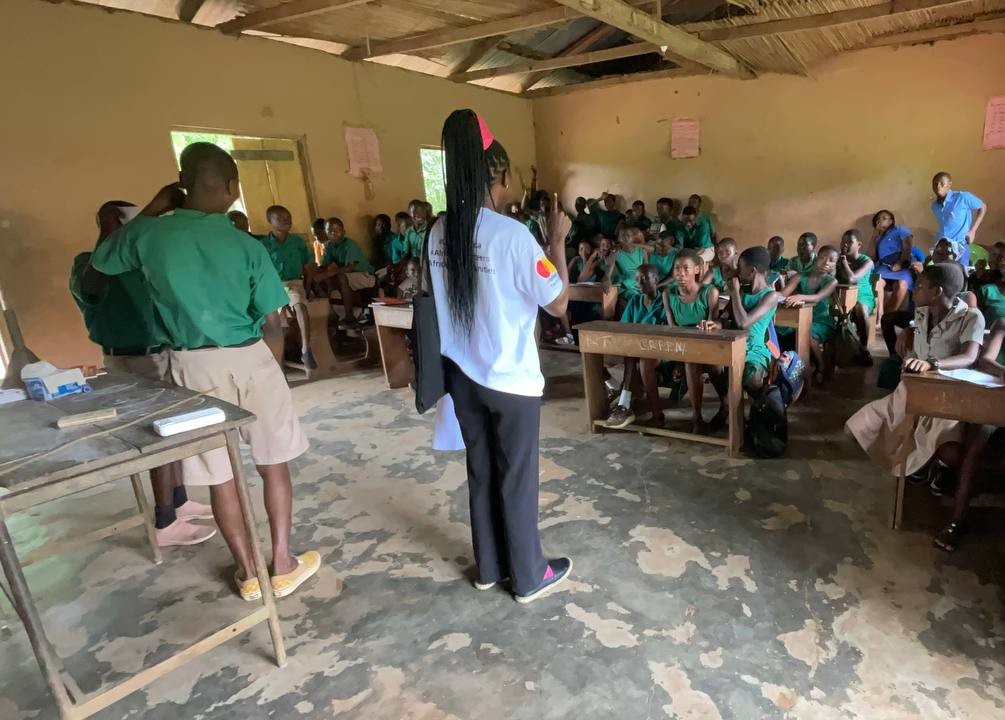
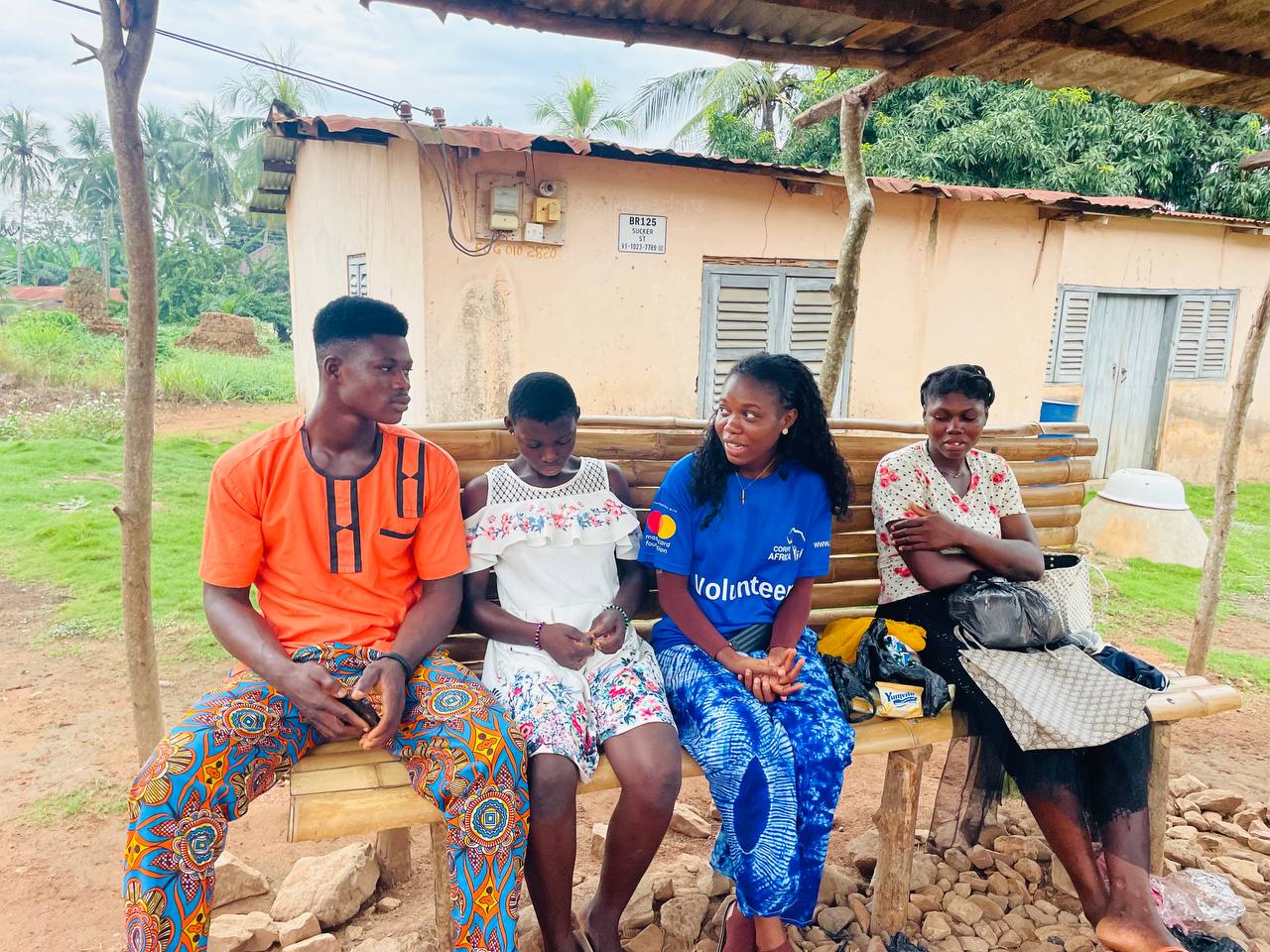
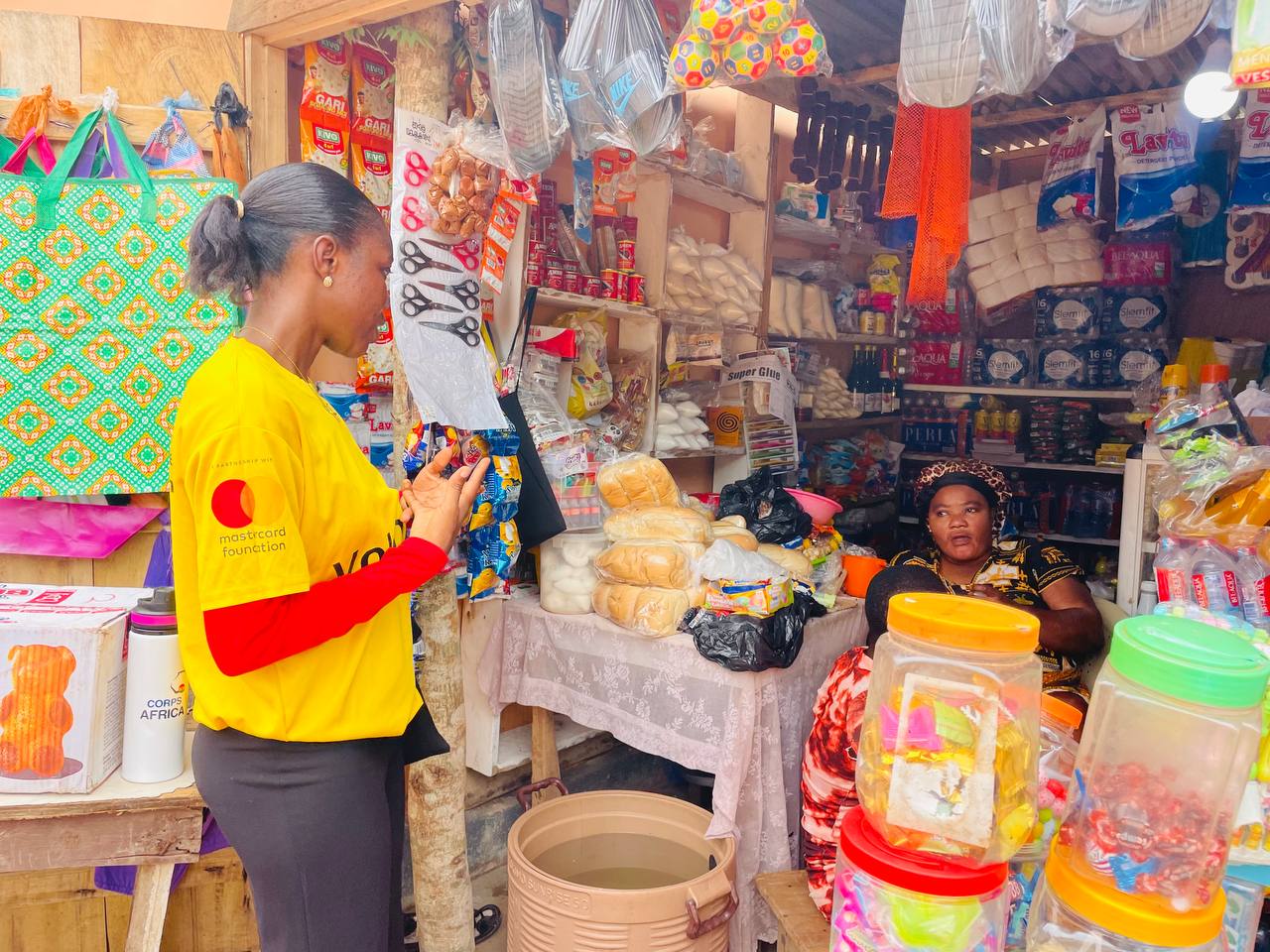
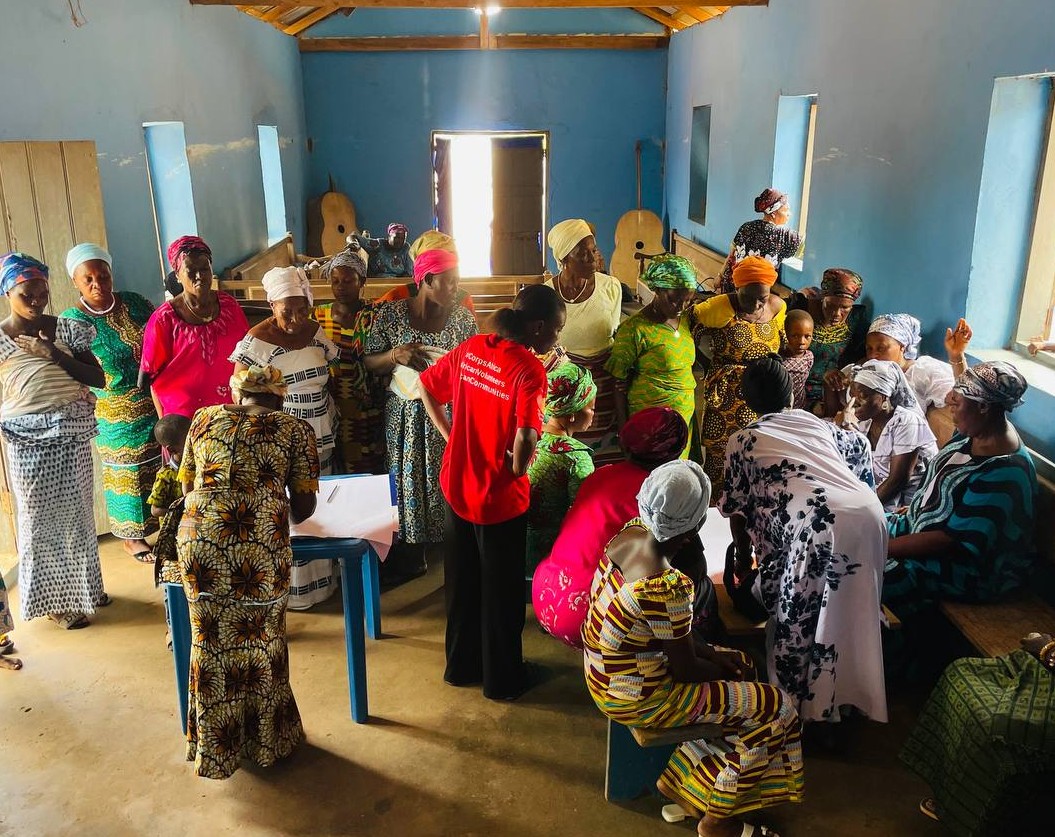
Over the following days, I reached over 50 mothers in my community. I also visited one basic school in my community and another in the neighbouring community. We talked about the signs and risk factors of breast cancer and why early detection saves lives. We talked about prevention through lifestyle choices: less alcohol, no smoking, less salt, regular physical activity, and a balanced diet. I demonstrated, step by step, how to perform a breast self-examination. And I made sure to say one thing clearly: if you notice any signs, go to the hospital as soon as you can, and don’t wait.
The sessions were full of questions, laughter, and “I never knew that.” The mothers were curious and engaged, and they asked more questions than I expected. It was one of the most fulfilling moments of my service so far.
Here is what I took from it. The story I was told wasn’t wrong. It was incomplete. This is a community that values faith, and it is also one that values the health of its people. Faith and health don’t have to compete. Prayer and early medical care can work side by side. When I asked respectfully and listened to the leaders, they said yes, and the community followed.
I came here believing I would be the one teaching. In many ways, I was the one learning.
So, the next time someone tells you a story about a place or a people, listen without judging. Then ask what the story leaves out, and ask anyway.