Written by CorpsAfrica/Malawi Volunteer Mr. Chifundo Chibaka
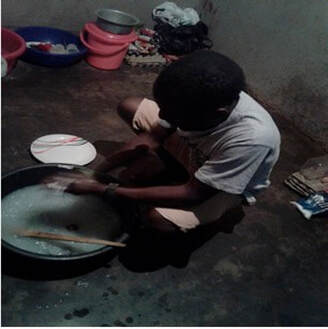
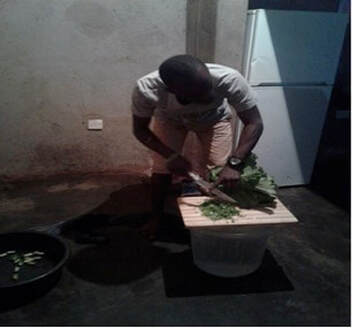
In my upbringing, my parents strived not to dictate gender roles when it came to household chores. It didn’t matter if my female siblings were around, I would still do the dishes, cook, and clean the house. As a result, I have grown up to enjoy doing these chores myself. I do all these chores perceived to be for women and girls only, and because of this, men and my peers in my community have jokingly referred to me as anyaChibaka (anya=Miss and Chibaka=my surname). I always go to the borehole to draw water, clean the house and cook all by myself. Several times people have tried to convince me to find female house help to do these things for me.
I recall one particular day while doing the dishes, a 16-year-old boy came up to me and we started talking:
Him: banalume bakusuka yai mbale, he declared (men do not do the dishes)
Me: Who told you that? I asked him.
Him: banthu (people)
Me: So banalume ntchito yabo nivichi? (So what do men do?)
Him: bakuluta kumunda, kupenja ndalama olo kukhala waka nthe (they go to the farm, look for money or they stay idle)
Me: Amama bako bakulutanga yai kumunda? (Doesn’t your mum go to the farm?)
Him: She does
Me: Kasi amama bako bakugulisya mphangwe? (I thought your mum also sell vegetables)
Him: Enya, na tomatoso (yes, and tomatoes too)
Me: Aren’t you contradicting yourself?
Him: Mbwee nkhani imale (let us just end this issue) he said while laughing.
I went further to explain that men and women can perform similar tasks as long as there aren’t any biological limitations:
Him: I can do anything a women can do, and I can do even better, he challenged.
Me: Can you breastfeed?
He laughed and left. I hope he got it.