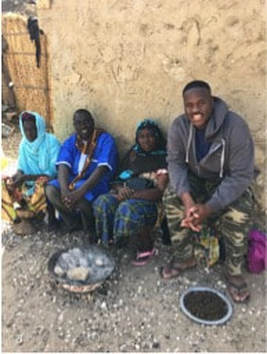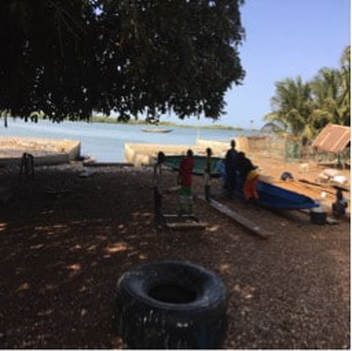
Bettenty Island is located off the coast of mainland Senegal and is part of the Saloum Delta, a UNESCO World Heritage Site. The community is characterized by a predominantly young and female population, where women play a central role in leadership and decision-making. Community decisions are traditionally guided by the Kagnalénes, women who are considered sterile or who have lost children at an early age. These women hold significant cultural, spiritual, and social influence and are highly respected by the village chief and local municipal councilors. As a result, women occupy a vital role in managing community affairs in Bettenty.
The island’s natural environment supports rich economic activity, including mangrove ecosystems, cashew cultivation, and fishing. While cashew nut production is an important source of income, the primary livelihood for most residents is artisanal and foot fishing. The island has limited infrastructure, including two primary schools, one secondary school, and a single healthcare facility. On average, residents earn approximately 2,500 FCFA (about $4.45 USD) per day through fishing-related activities, though this income is highly variable due to changing weather conditions.
This project emerged from a community-led awareness campaign on hygiene and sanitation. While the campaign successfully raised awareness about unsanitary conditions and associated public health risks, it became clear that awareness alone was insufficient. Waste management on the island had relied on temporary solutions such as dumping waste into dikes, which eventually reached capacity. With no formal system in place, waste accumulation posed serious threats to both public health and the surrounding marine environment.
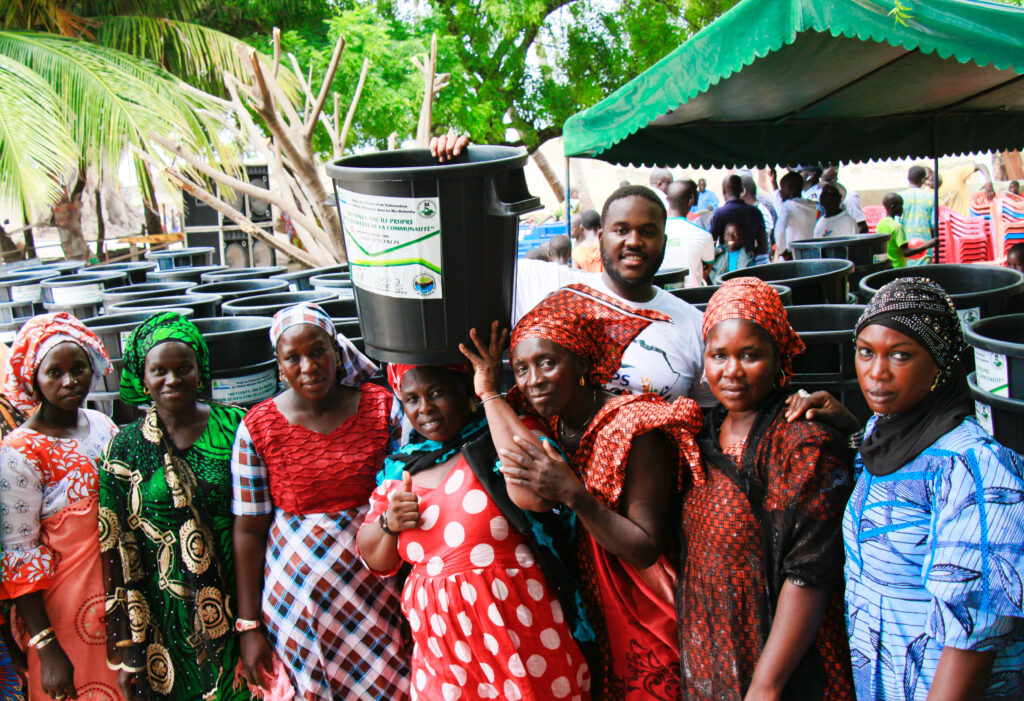
To address this challenge, the community developed a sustainable waste management system. The solution includes household-level waste collection, the distribution of trash and recycling bins, and the establishment of a designated landfill and incineration site. Households contribute financially to the program and, in return, receive regular monthly waste collection services.
While the community was able to fund portions of the initiative, external support was required to procure essential equipment. This initial investment was facilitated by CorpsAfrica. Following this support, the project transitioned into a self-sustaining model through community-based financing mechanisms.
The initiative has been met with strong community support, driven by a shared understanding of the link between waste, illness, and environmental degradation. Protecting the island’s ecosystem is critical, particularly given the community’s reliance on fishing as its primary economic activity. By reducing pollution and improving sanitation, the project aims to safeguard both public health and the local economy.
In the long term, this sanitation initiative is expected to yield measurable improvements in environmental conditions and overall community health, contributing to a more resilient and sustainable future for Bettenty Island.
CorpsAfrica addresses two of Africa’s most difficult challenges: engaging youth and helping rural communities overcome extreme poverty. We recruit and train motivated volunteers to live and work in rural, under-resourced areas in their own countries. They collaborate with the community to design and implement small-scale projects that address their top priorities and, by doing so, gain the skills and experience that lay the foundation for personal and professional success.
CorpsAfrica trusts youth and communities to help each other.