
African universities are producing a growing number of graduates, giving employers access to an increasingly educated pool of young talent. But academic qualifications are only part of what employers need. They also want people who can manage projects, solve problems, work effectively with others, and deliver results. These are skills that are developed through experience, not textbooks.
That’s where CorpsAfrica comes in. Through approximately a year of service in under-resourced, rural communities, college-educated young Africans gain hands-on professional experience while helping residents identify and implement small-scale, high-impact projects. The approach benefits both the communities they serve and the young people preparing for their careers.
Here are four qualities CorpsAfrica Volunteers bring to the workplace.
1. They know how to truly listen
Every CorpsAfrica Volunteer receives training in human-centered design, an approach that emphasizes understanding people’s needs before developing solutions. Volunteers learn to ask questions, build trust, and work collaboratively rather than arrive with predetermined answers.
In Rwanda, Volunteer Philomene Iragena noticed that very few single mothers attended a community meeting she organized. Curious about their absence, she learned that many avoided public gatherings because of social stigma. Philomene decided to reach out to the women individually to better understand their concerns and what might encourage them to participate. Those conversations led to the creation of a support group that grew to 44 members, offering business training and a community savings program.
For employers, having someone like Philomene on your team leads to customers who feel more supported, colleagues who feel more respected, and stakeholders who feel more confidence in a company.
2. They deliver with limited resources
Finding creative ways to accomplish goals is essential in the communities where many CorpsAfrica Volunteers serve. Because of this, they learn to identify assets that already exist, from local skills and materials to businesses and residents willing to contribute.
Just as important, they bring people together to pool resources, develop budgets, pitch ideas to potential partners, and raise funds. And in keeping with CorpsAfrica’s focus on community ownership of projects, Volunteers work with residents to create affordable solutions that communities can maintain long after their service ends.
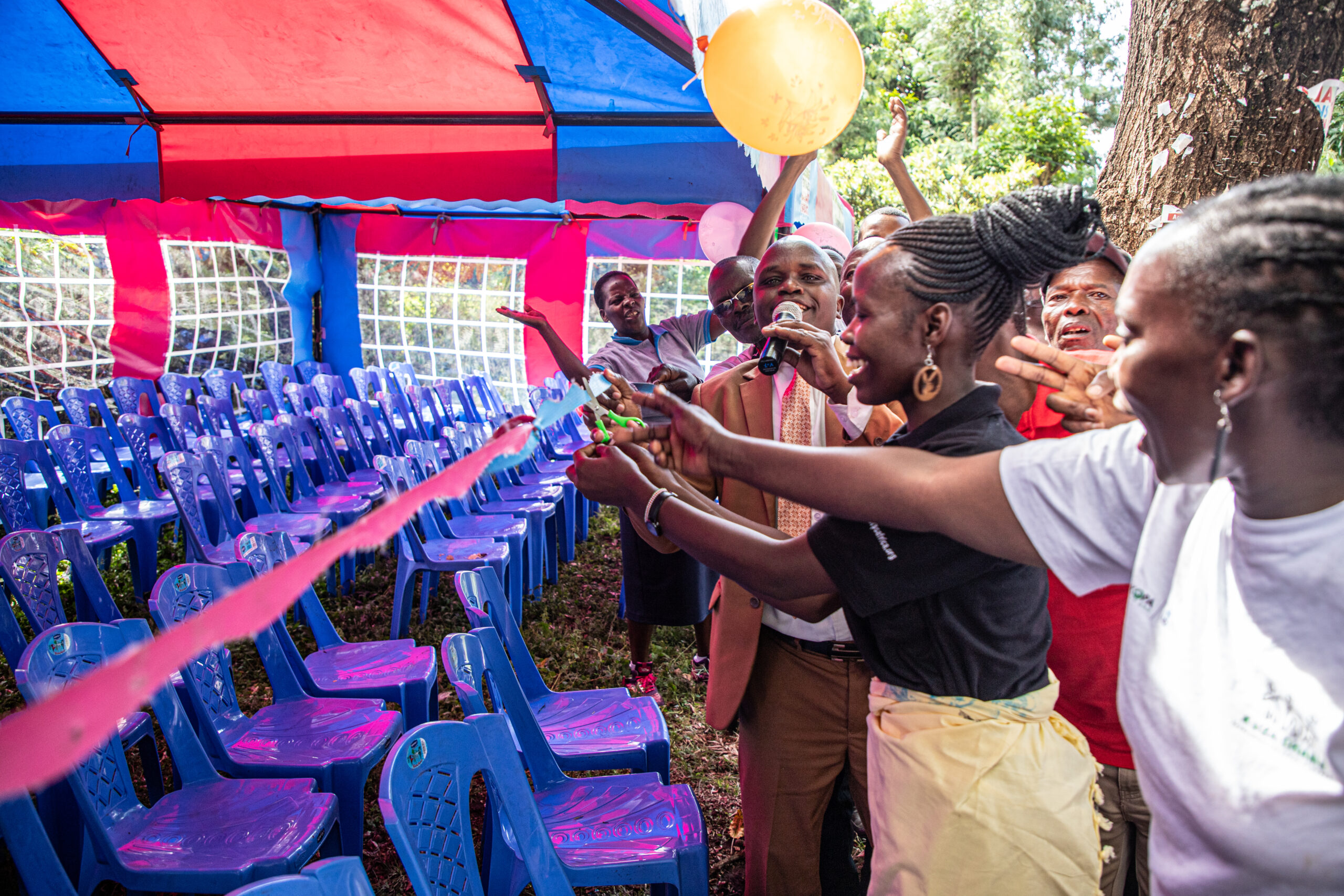
In Kenya, Volunteer Emily Matinde worked with residents of Antuanuu to build a community gathering space. When fundraising efforts fell short of the amount needed for a permanent hall, they came up with a more affordable solution: a large tent and 200 chairs. Through community contributions and the sale of bananas, cassava, fruit, and handmade soap, residents raised more than 25 percent of the project budget; the remaining funds came through donations The new gathering space was officially launched in June 2025.
Emily’s resourcefulness and determination demonstrate the problem-solving skills many employers value.
3. They can communicate and collaborate across cultures
Communication is about more than speaking or writing well. It requires understanding different perspectives, navigating cultural differences, and finding common ground.
CorpsAfrica Volunteers live and work closely with community members and collaborate with local leaders, businesses, and other partners. Many also learn new languages or dialects while adapting to unfamiliar cultural environments.
When Ghanaian Volunteer Rahatu Eliasu Matugamu arrived in her community in the Volta Region, she could barely understand the local Ewe language. Determined to connect with residents, she began learning basic greetings and phrases, using gestures when words failed. Community members gradually helped her improve, and within five months, she was holding conversations in Ewe and facilitating meetings with greater confidence. What initially seemed like an obstacle became an opportunity to strengthen relationships.
Experiences like Rahatu’s help young graduates prepare to work effectively with diverse teams, clients, and communities.
4. They have grit
Living and working in unfamiliar communities can be challenging. Volunteers often navigate limited infrastructure, unexpected setbacks, and situations that require creative thinking.
In Ethiopia, Volunteer Abdurahman Jemal Ali faced numerous obstacles while working to improve access to water in Kelecha, including unreliable electricity, difficult roads, and challenges mobilizing local contributions. When anticipated funding for the original water project fell through, he worked with the community to develop a less expensive alternative. They revised the proposal, secured local support, and successfully completed a hand-pump water well serving hundreds of residents.
Though daunting, managing difficulties as Abdurahman successfully did instils in new graduates the resourcefulness, confidence, and adaptability that employers value.
Connecting with CorpsAfrica Alumni
The Volunteers featured in this article are just a few examples of the talented young leaders who have served in CorpsAfrica. Interested in hiring our alumni or sharing job opportunities? Visit our Alumni Network or LinkedIn page to connect with CorpsAfrica’s Alumni Association Manager, Abderrahim Boualy.