From the outside, service often looks like projects, timelines, and results. But from the inside, from where I stand in Nema Kuta it looks very different. It looks like early mornings when the village is quiet, greetings exchanged before plans are made, and learning to slow down enough to truly see the people around me.
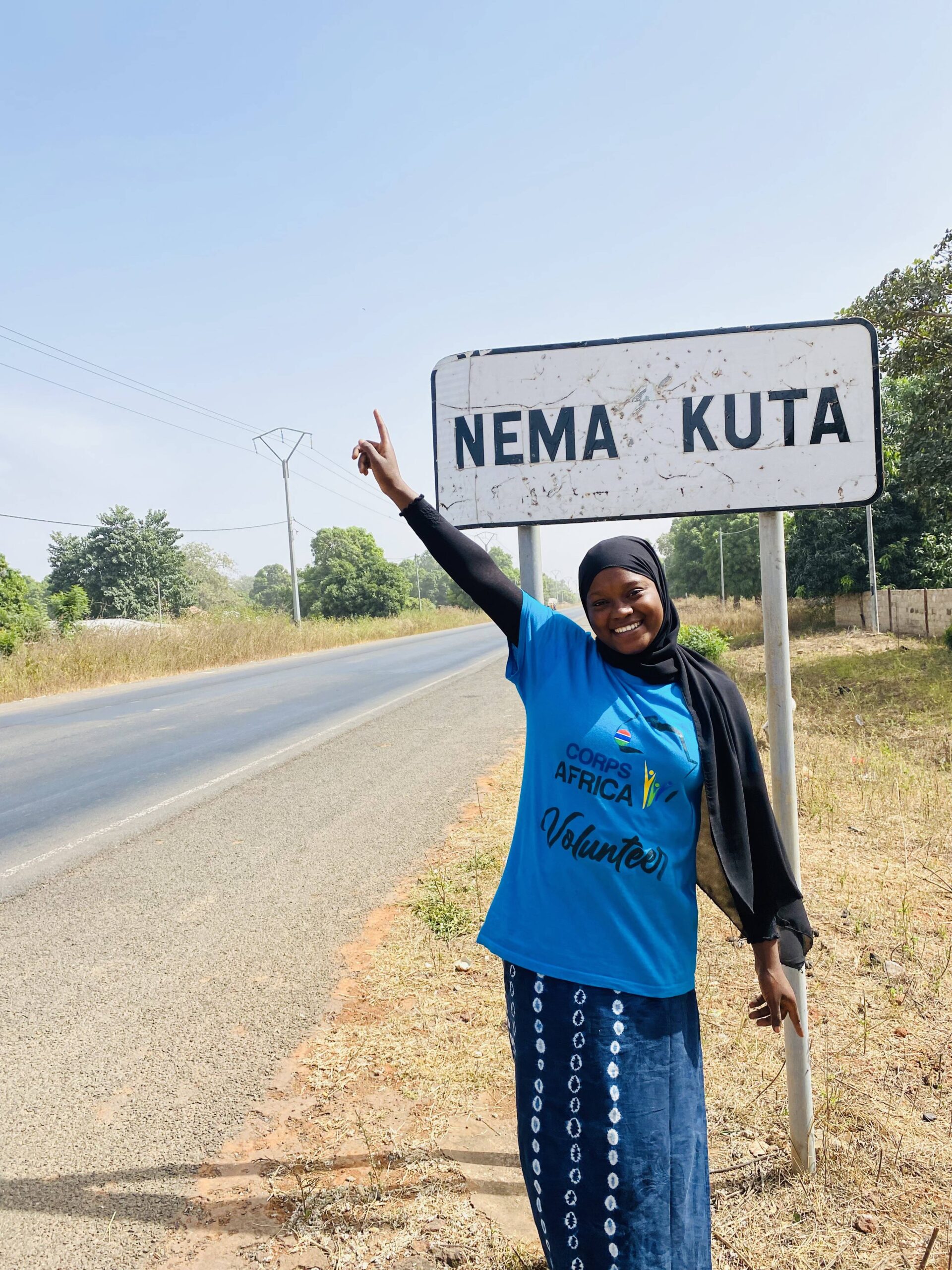
When I first came to Nema Kuta, everything felt unfamiliar. Daily life, the Pulaar language, even my own expectations none of it followed the structure I was used to. I arrived with ideas of what service should look like, shaped by training, readings, and good intentions. But living here taught me quickly that service is not something you impose; it’s something you grow into.
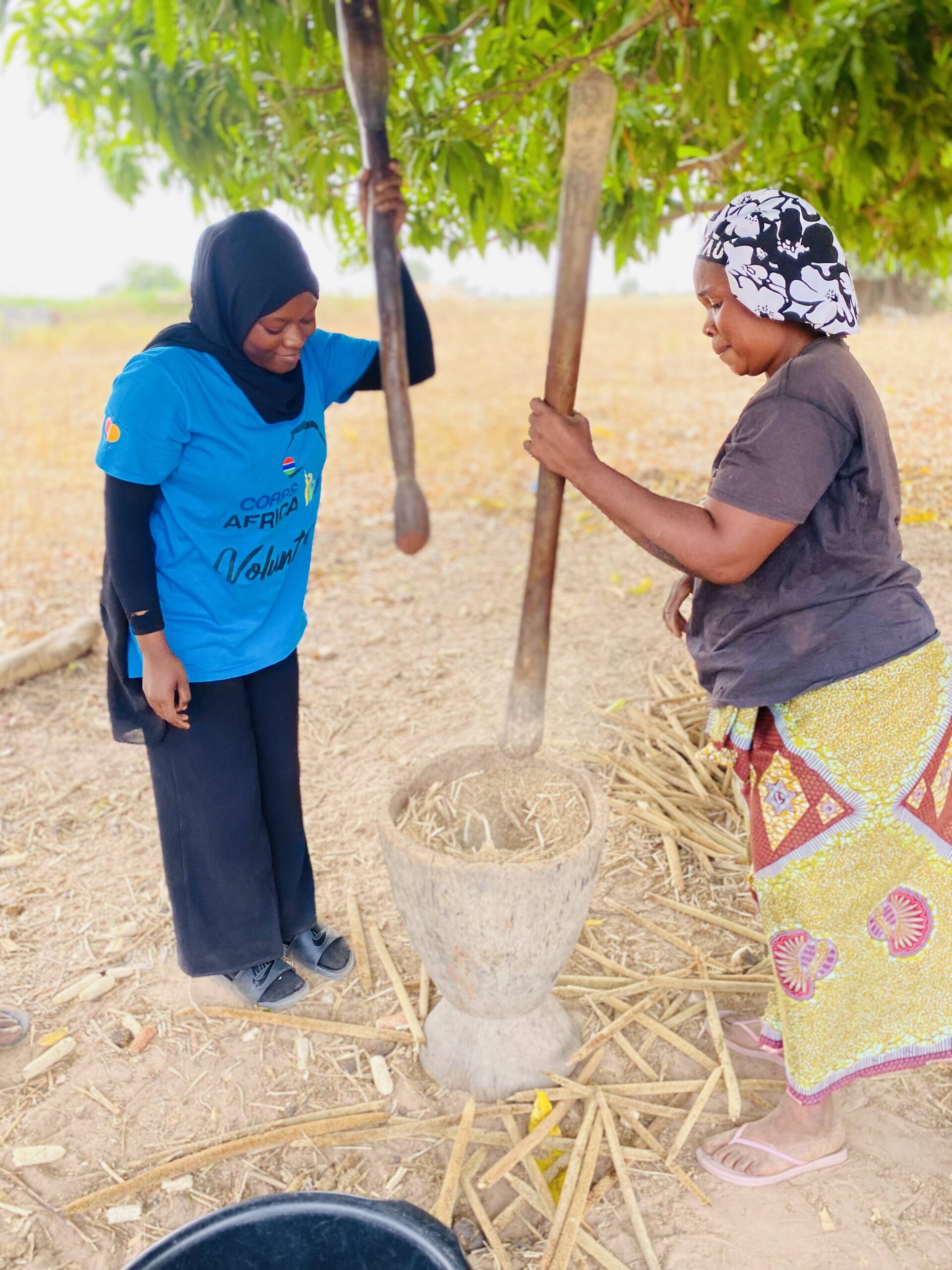
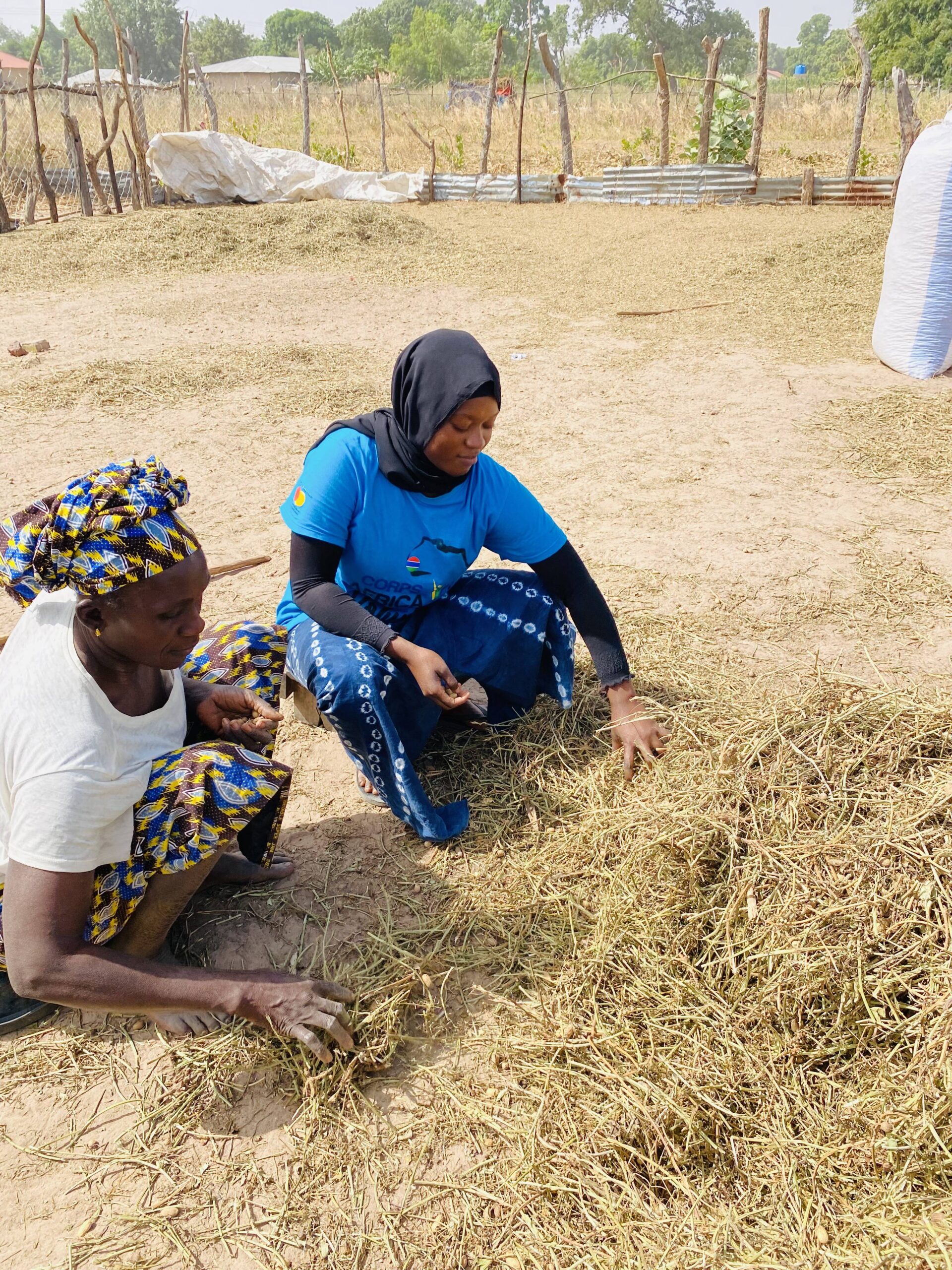
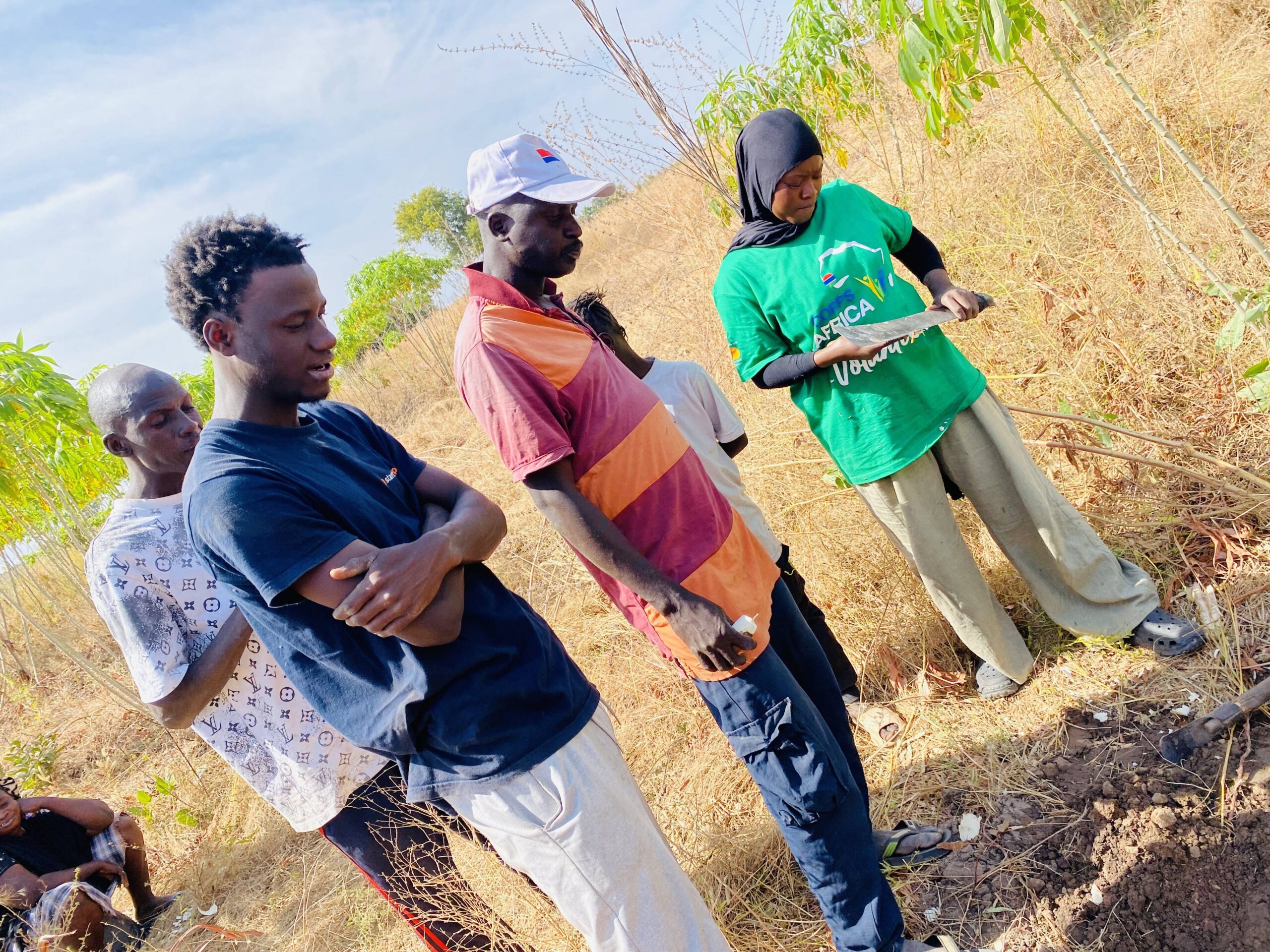
As a CorpsAfrica volunteer, this is what service often looks like from the inside. Not standing in front of a crowd, not leading, but sitting beside community members learning by doing, sharing space without rushing the moment. Often, I am the one being taught, even if no formal lesson is spoken aloud.
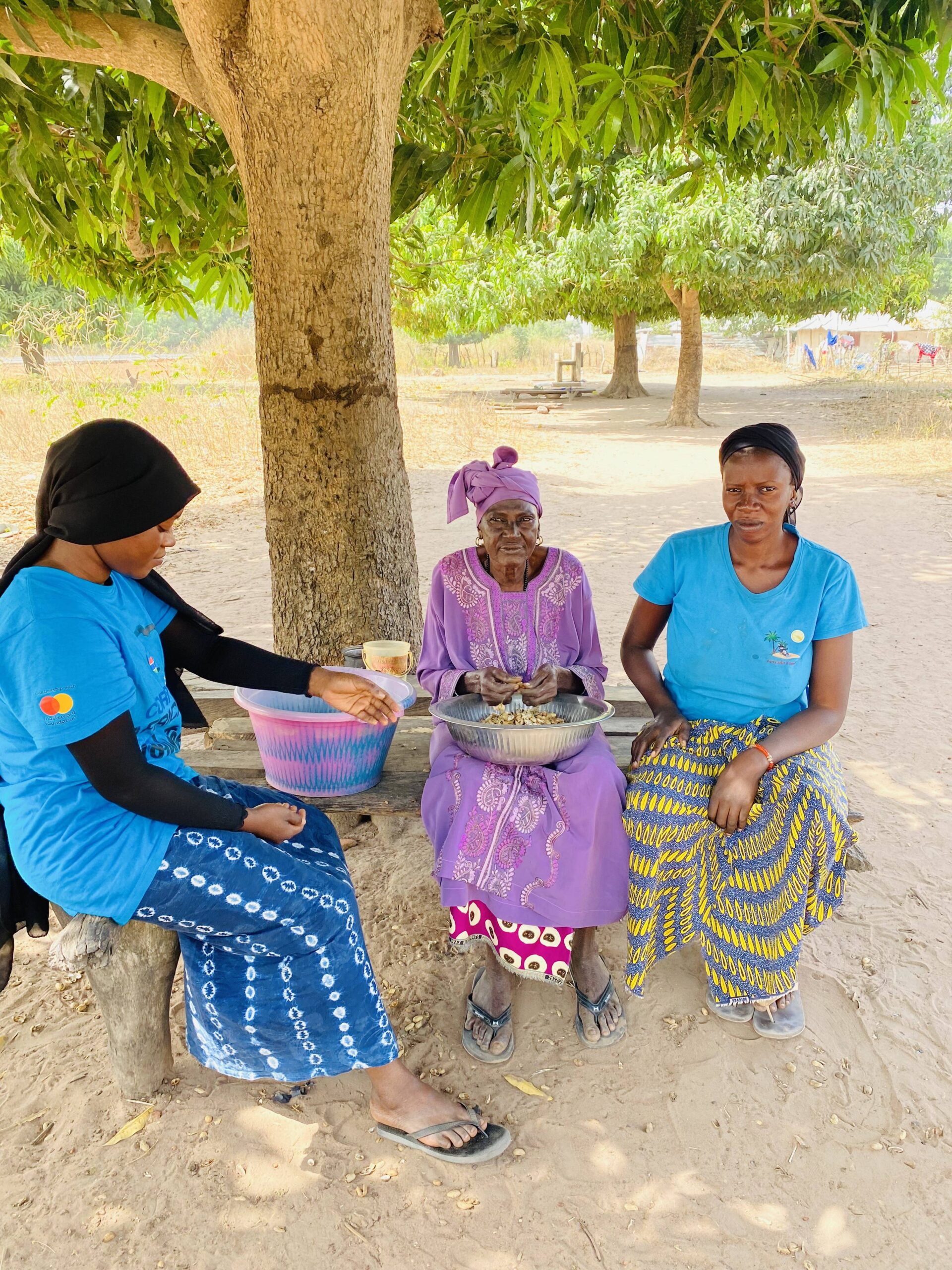
Most of my days don’t begin with work in the way I once understood it. They begin with conversations, sitting with my host family and sometimes other community members, listening more than speaking. Sometimes those conversations are about farming, family, village concerns, or jokes. Often, they are simply about life. At first, I wondered if I was doing enough. Now I understand that this is the work.
There is a quiet comfort here in Nema Kuta, the kind that comes when words are not necessary, when presence is enough. We work side by side, connected not by a project title, but by shared time and mutual respect.
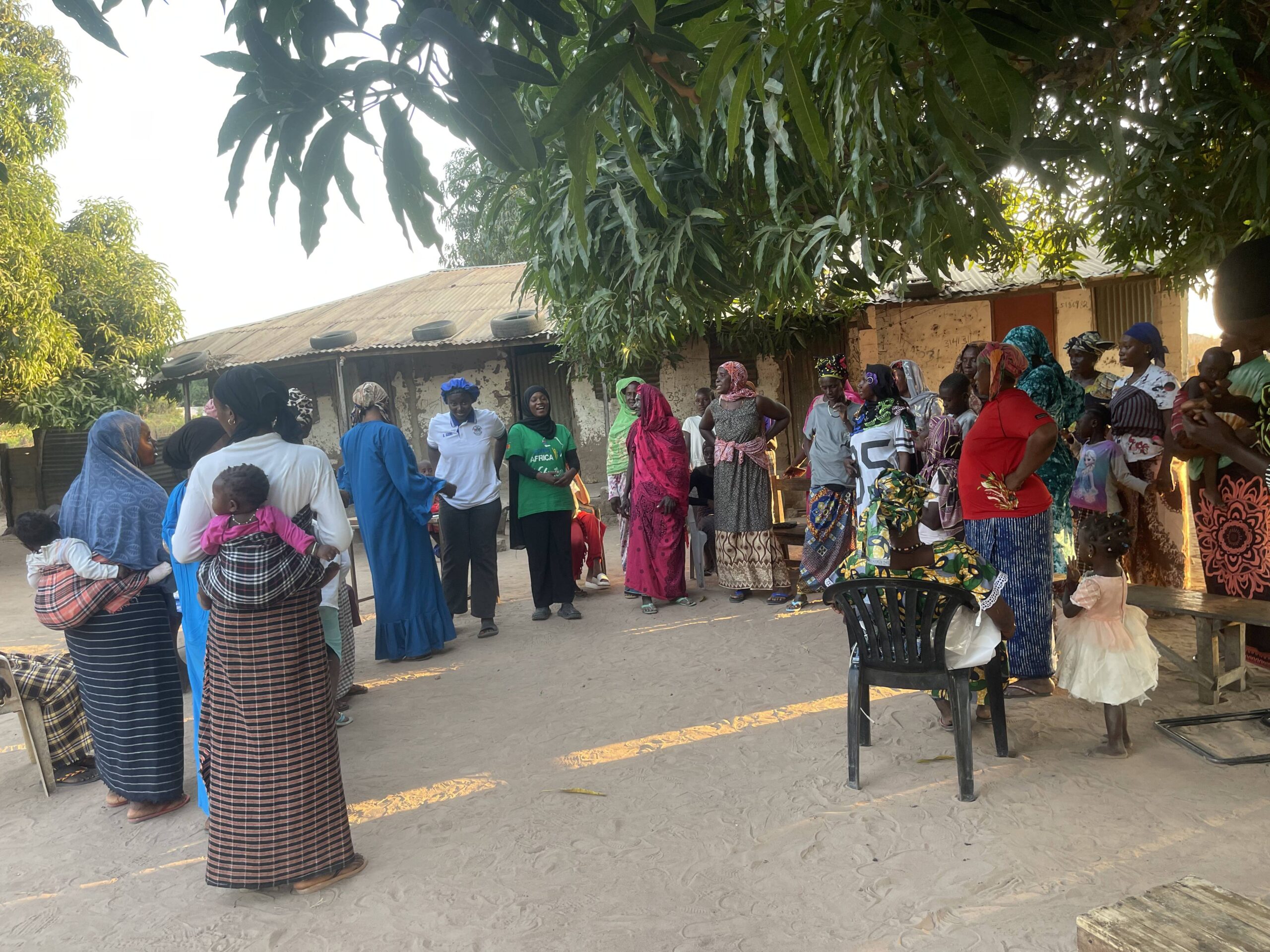
In Nema Kuta, progress does not move according to schedules on paper. It moves according to people’s readiness, seasons, and shared understanding. Meetings happen when everyone can gather. Decisions take time, because every voice matters, and sometimes people must disagree in order to agree. What once felt like delay now feels like respect. These moments reflect cooperation, learning, and care for one another. They show our shared responsibility, our resilience, and the strength we find when we come together to support our families and our community.
There are moments of doubt. Moments when I question whether my presence makes any difference at all, or whether everyone understands the importance of having a volunteer in the village. In those moments, service looks like humility. It looks like asking myself hard questions, crying alone in my dark room, and accepting that I am not here to lead every step, but to walk alongside the community.
And then there are moments that quietly affirm everything. A community member explaining a project idea with confidence, even while fearing it might be let go like other ideas before. A group discussion where youths speak freely, knowing they are being heard. A simple greeting that reminds me I belong here not as an outsider with answers, but as a partner in the process.
Living in Nema Kuta has shown me that service is not about being visible. It’s about being consistent with community members. It’s about showing up even when nothing dramatic happens, but people are able to explain their feelings. It’s about building trust slowly, through shared experiences and everyday presence.
As a CorpsAfrica Volunteer, I am learning that service from the inside is deeply personal. It changes how you see development, leadership, and yourself. It teaches patience, resilience, and respect in ways no classroom ever could.
Service here is not a single project or achievement. It is a daily practice. It is choosing to listen, to learn, and to stand with the community as they define their own path forward. From the inside, service looks less like action and more like commitment and that has made all the difference.