There’s a common assumption I keep hearing:
“Young people just don’t want to show up.”
But after working closely with youth in my Emulama community, I’ve learned something very different.
It’s not that they don’t care.
It’s that they are choosing survival first.
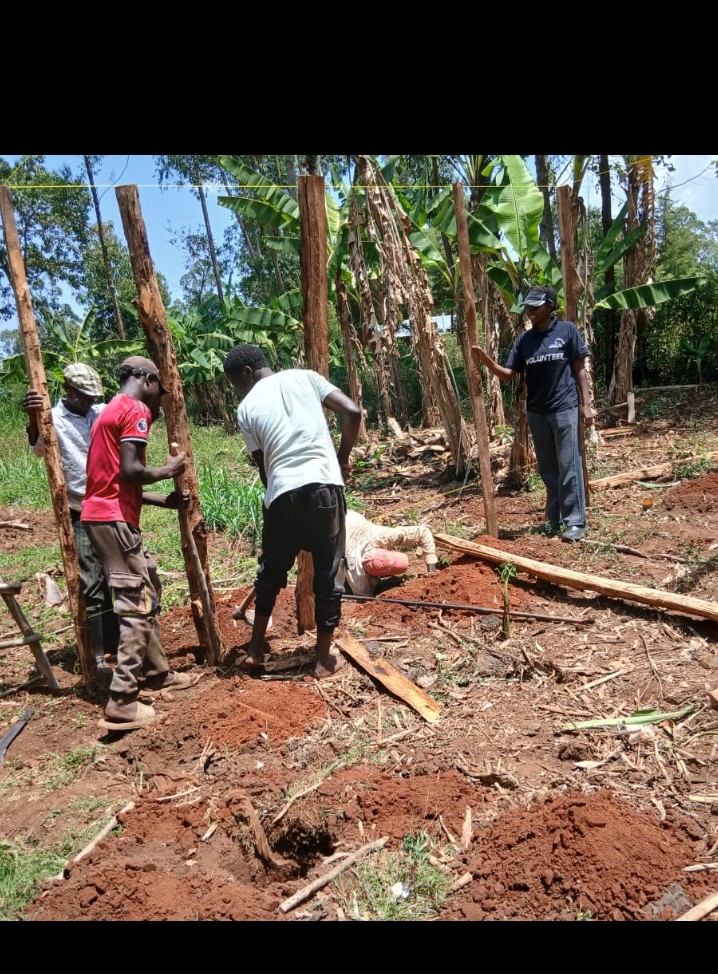
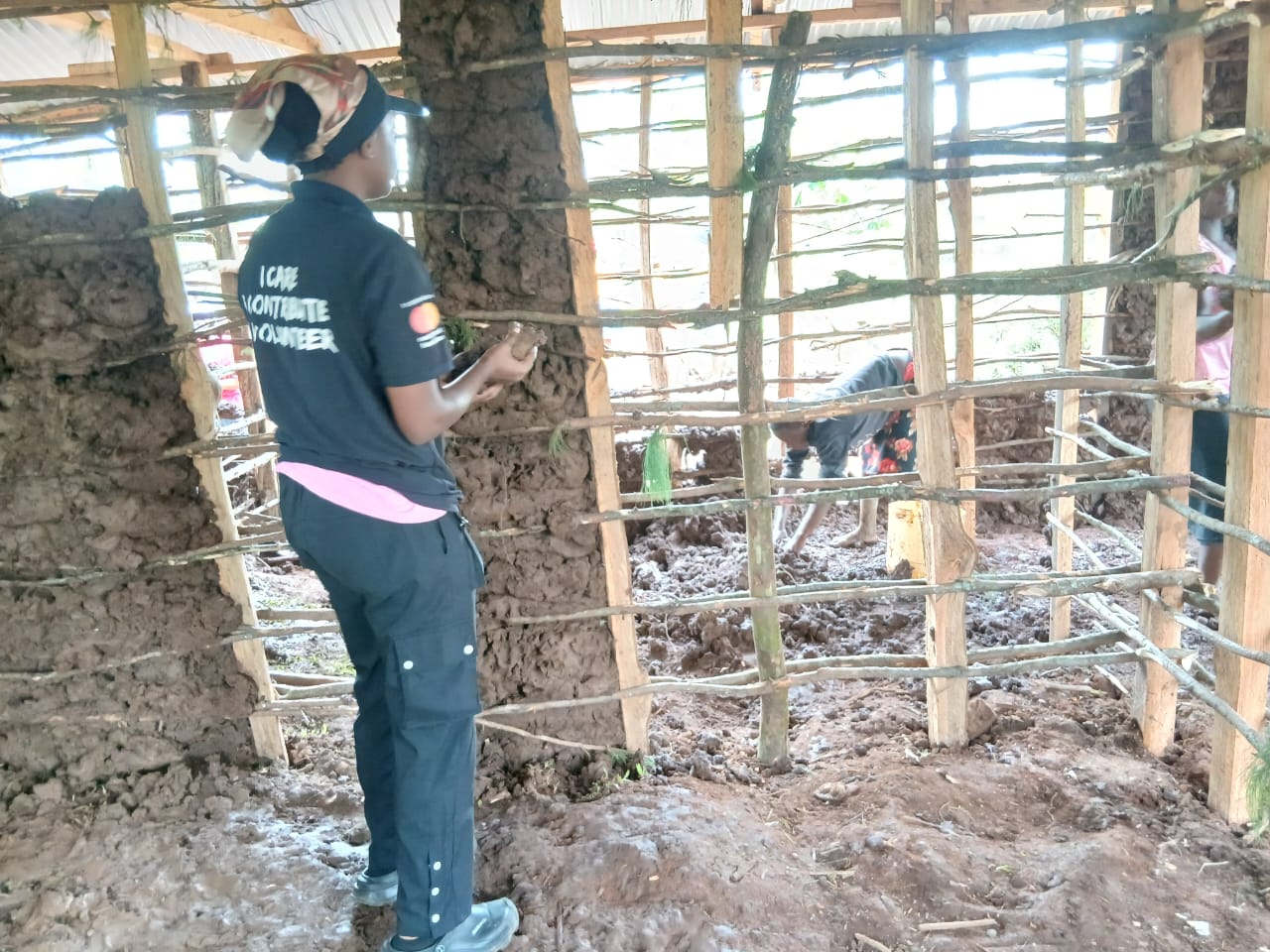
Many of the young people I engage with are not sitting idle. They are at bodaboda stages, in mjengo sites, running small errands, or doing whatever work they can find that day. When you ask them to attend a meeting or training, you are often asking them to give up the few hours they could use to earn something.
So when they don’t show up, it’s not always disinterest. Sometimes, it’s a decision between learning and eating.
There’s also another layer people don’t see.
A lot of youth have sat through conversations, trainings, and meetings before, in discussions that don’t lead anywhere. So when something new is introduced, there is hesitation. Not because they are lazy, but because they are unsure if it will lead to something real.
Trust is not automatic. It is built slowly.
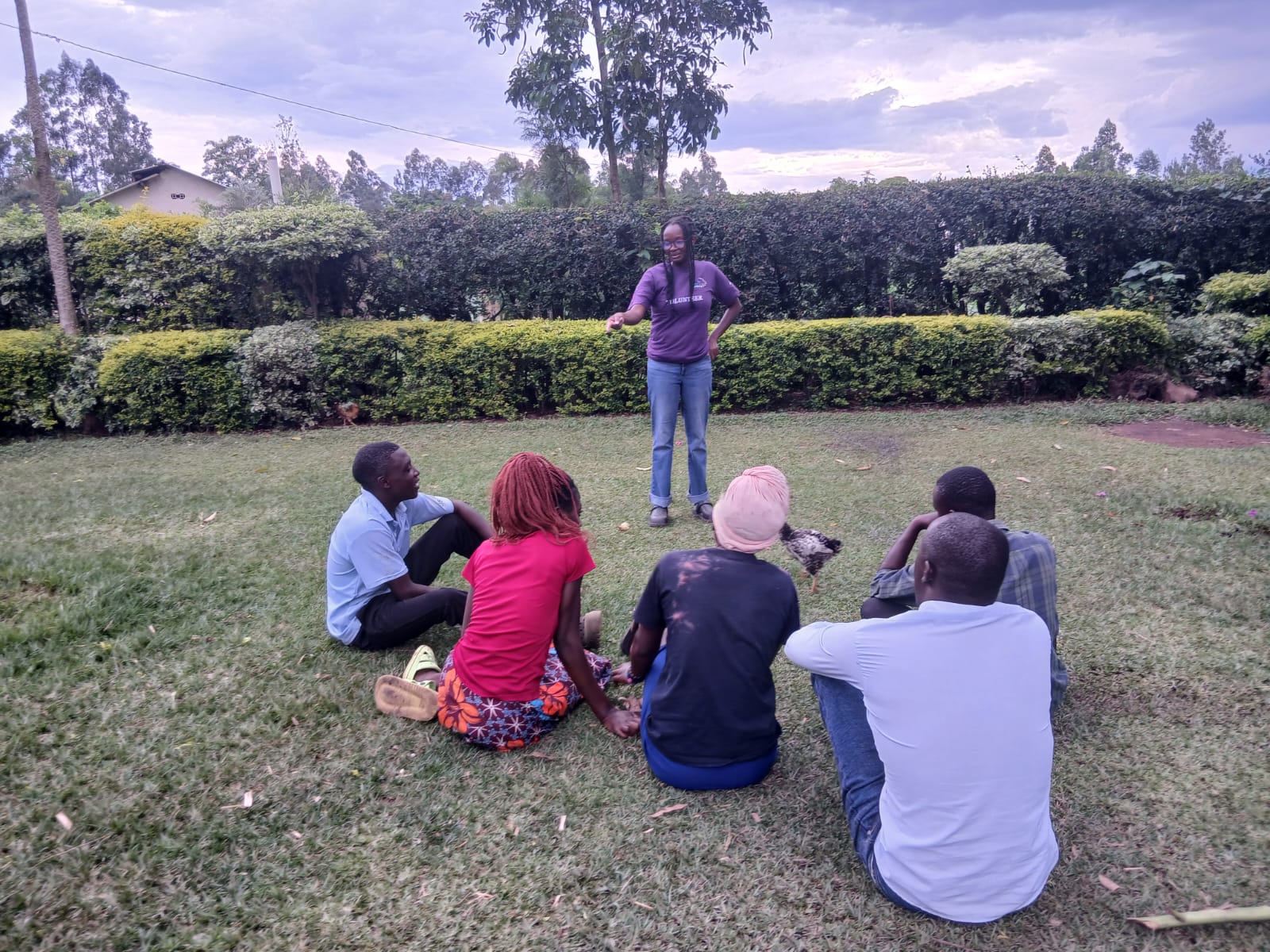
I’ve had the most meaningful conversations not in formal meetings, but at work sites, sitting with a small group, talking about their day, their struggles, and what they would actually want to do if given a chance. That’s where honesty comes out.
And that’s where engagement really begins.
What I’ve learned is this:
If we want youth to show up, we have to meet them where they are: in their time, in their reality, and in their priorities.
Short sessions. Practical ideas. Real conversations. Consistency.
Not pressure.
Because the truth is, the youth are not disengaged. They are navigating difficult choices every day.
And when they start to believe that something is worth their time, they do show up.