September 7, 2025. The date is etched in my memory like a carving in stone.
That afternoon, at 1:30 PM, I arrived in Nyanza District with my fellow CorpsAfrica volunteers, excited and confident, maybe a little too confident. We were ready to serve, ready to make a difference. Within minutes, my colleagues were welcomed by their host families. I watched them settle into homes where Nyanza city lights still twinkled in the distance, close enough to touch the familiar.
Then it was my turn. “We’ll take you to your host family now,” they said, loading my luggage into the vehicle.
Five kilometers passed. Any moment now, I thought. Ten kilometers. My excitement mixed with curiosity. Fifteen kilometers. I started calculating how often I would make this journey to see my colleagues. Twenty kilometers later, we finally stopped. I had arrived at one of the most remote corners of Rwabicuma Sector, Gishike Cell, Karusimbi Village. My new home.
My host family’s welcome was warm, their generosity genuine, and the meals delicious. But as the sun set that first evening, reality introduced itself firmly. There was no electricity, no phone network, no running water, and no roads.
Everything I had planned, working on my laptop, staying connected, scrolling through news, evaporated like morning mist. My fully charged devices died within three hours. My carefully maintained digital life was gone.
If there is one piece of advice I wish I had received before deployment, it is this: buy a power bank.
My dreams became comically small. Maybe next week I would go to the city. I would buy two power banks. I would spend a whole hour reading social media. I would call home.
But something unexpected happened. My entire rhythm changed. The 2:00 AM bedtimes of my previous life gave way to 9:00 PM sleep. I joined my host family for evening conversations after our 7:00 PM dinner, real conversations, the kind that happen when there is nothing competing for your attention. I woke at 6:00 AM to fetch water with my host mother, graze goats, and carry cow feed.
I was not living my old life anymore. I was living theirs. Slowly and imperceptibly, it became ours.
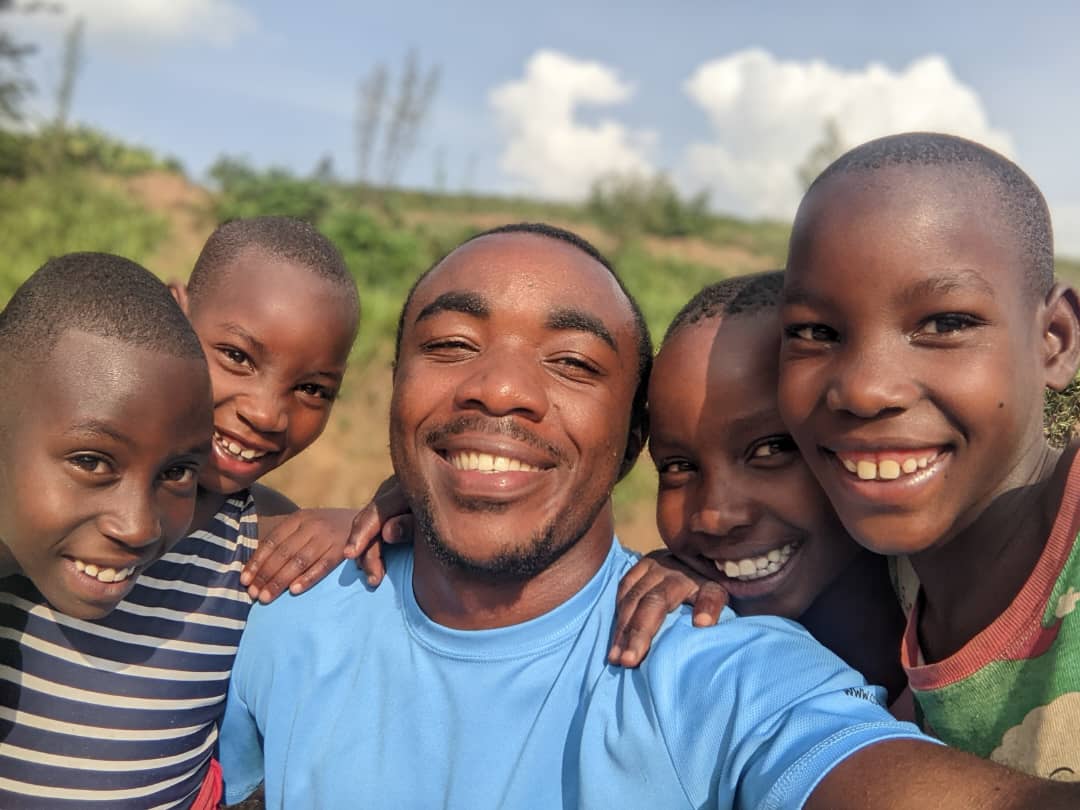
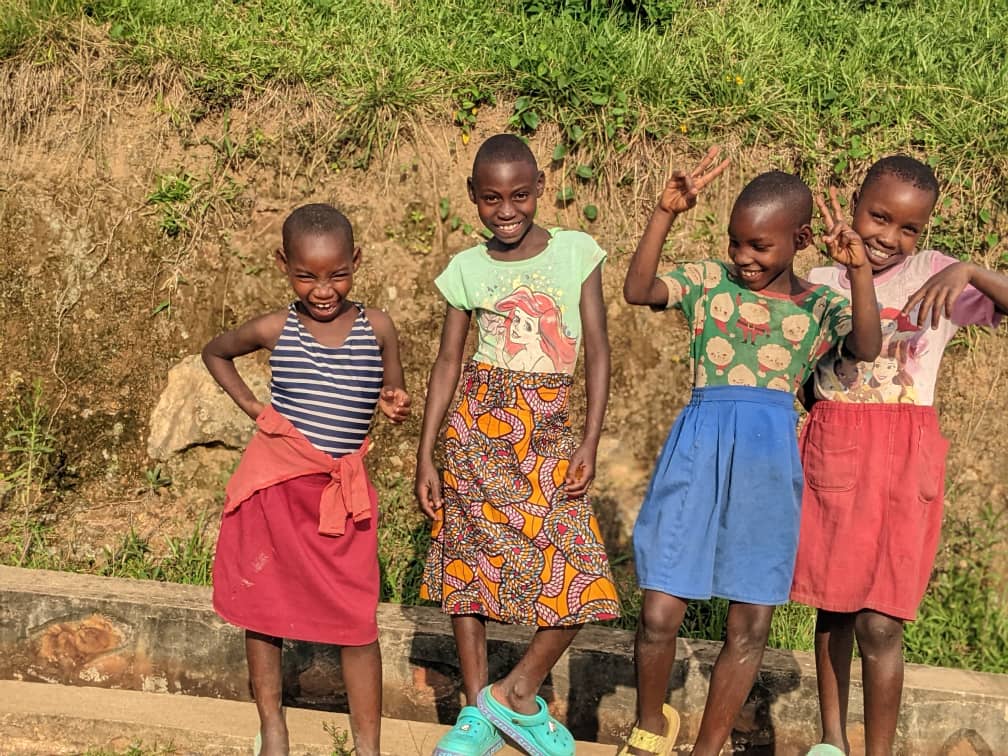
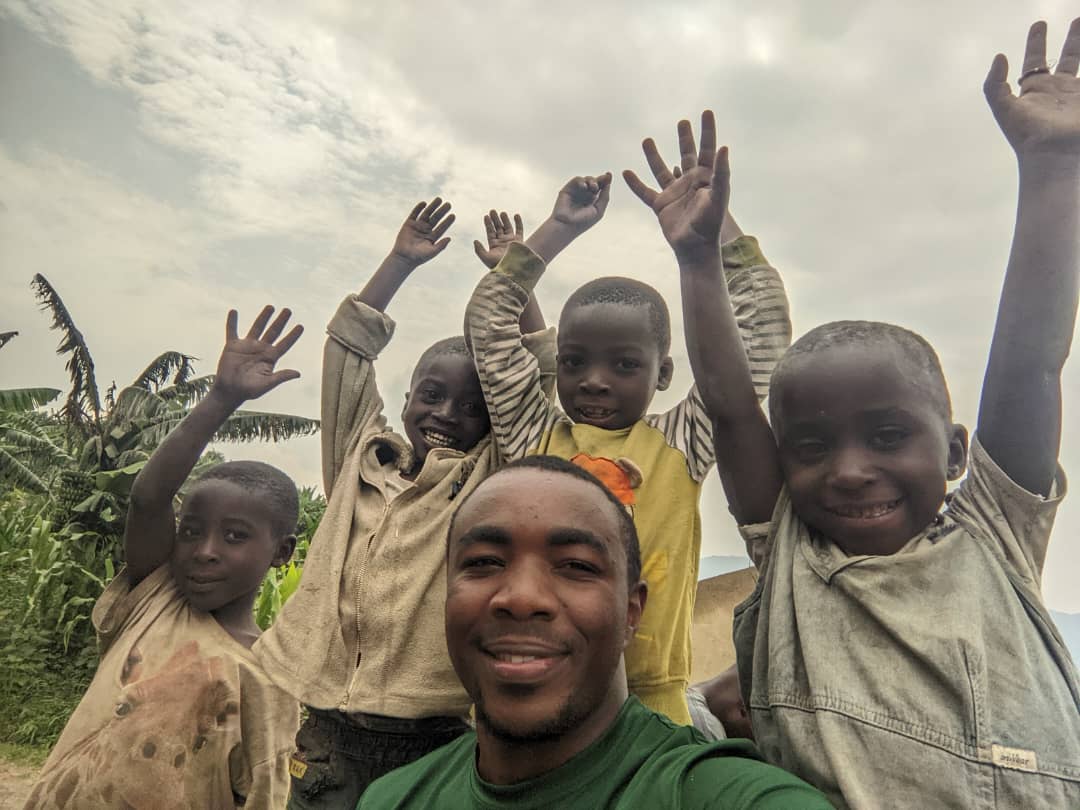
Every afternoon around 4:00 PM, I joined neighborhood kids as they gathered to play. They welcomed me into their world of games, jokes, and laughter. I shared my own games and energy with them, and before I knew it, bonds were formed. They began calling me “Wawundi,” running toward me for hugs whenever they saw me. Later, the name shifted to “Volontaire” or “Coach,” a title I carry with pride. Those moments of joy, simplicity, and connection are memories I will hold forever.
The sound of their laughter and the simplicity of our joy together became the highlights of my days. Not the Wi-Fi I did not have. Not the notifications I could not check. Just children playing and me rediscovering what it meant to be fully present.
Yes, I submitted my first weekly report four hours late because of power challenges. Yes, I could not photograph important service activities. Yes, I could not call my family or close friends.
But here is what I gained. I learned what real community resilience looks like. I discovered adaptability I did not know I possessed. I found parents, brothers, and sisters in people who were strangers just weeks before. I witnessed another dimension of life, one that exists outside the constant hum of connectivity and convenience.
I was not living in 2025 anymore. I was living before the year 2000. And somehow, in that simplicity, I found something our hyperconnected world often loses: genuine human connection.
My two weeks with my host family ended, but the person who left was not the same person who arrived. I used to chase happiness, the next experience, the next achievement, the next notification. Now, I envision something different: a peaceful life. Not one free of challenges, but one rooted in presence, gratitude, and authentic relationships.
The village taught me that growth does not always announce itself with fanfare. Sometimes it comes quietly, in the rhythm of morning chores and evening laughter, in the gaps where technology used to be, and in the faces of children who call you friend.