The most difficult conversations to have always surround finances. I had this assumption with me when I first started my service here in Tharaka-Nithi. I believed most of the community members had little to no knowledge about financial literacy. I thought financial management was something I needed to introduce to them.
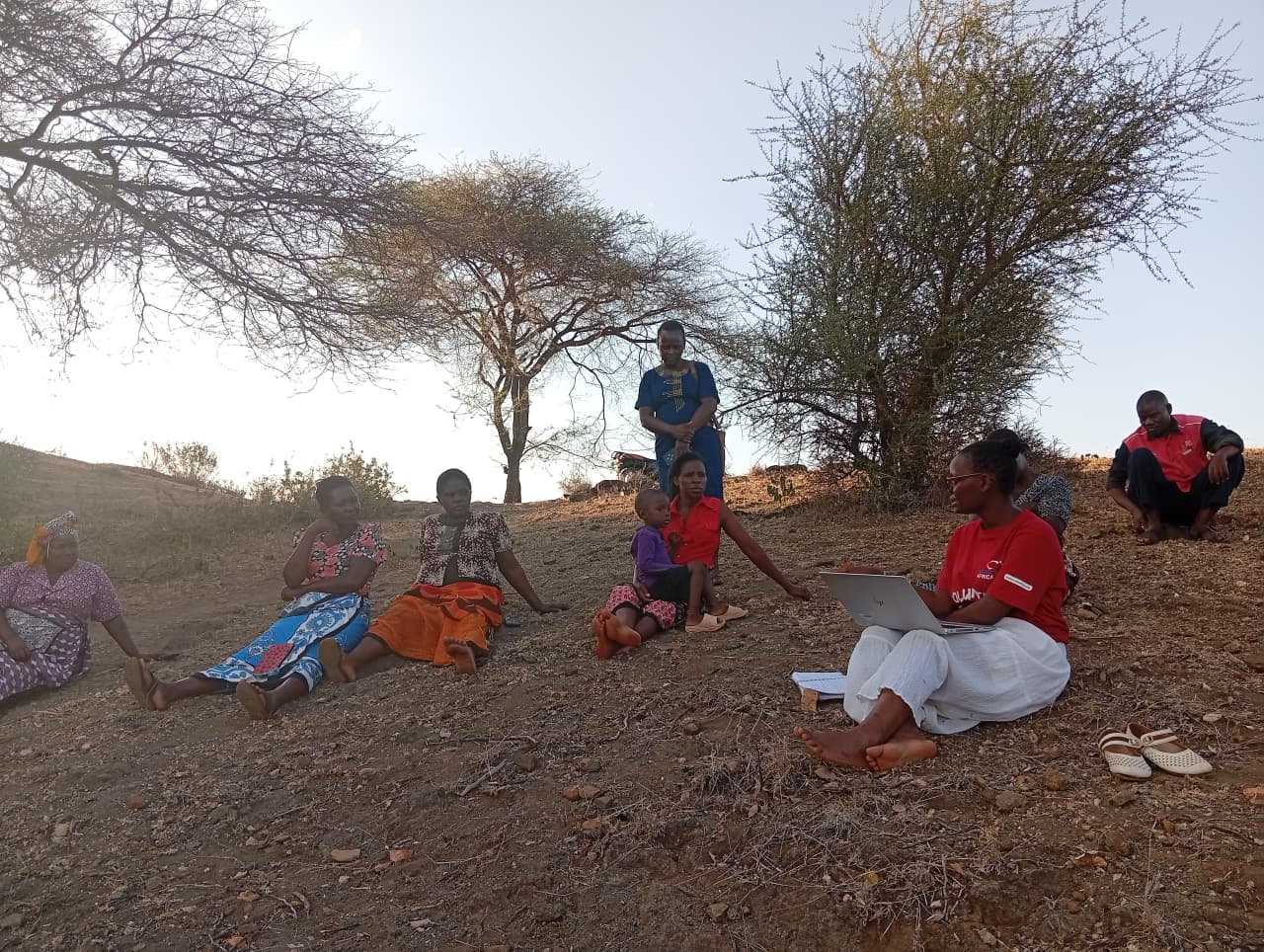
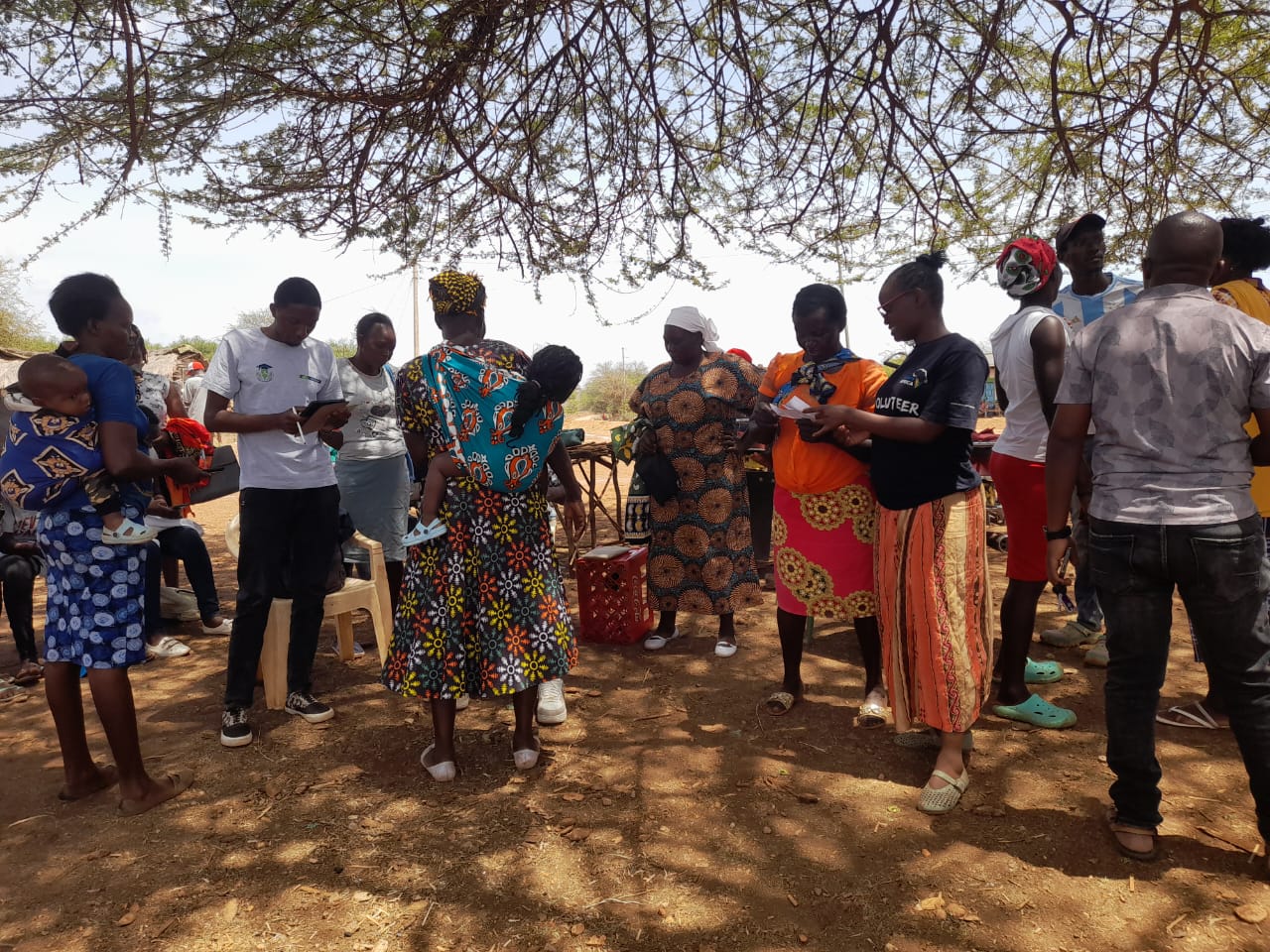
In reality, the community had its own structure when it came to financial management, and I would be the one learning. The first time I was invited to one of the community’s Self-Help Groups, I witnessed something powerful. The community members came together and sat down to discuss openly about their savings and their financial plans. Conversations that I once thought would be difficult or uncomfortable flowed naturally. They discussed their contributions openly and made decisions uniformly. There was discipline, there was accountability, and most importantly, there was vision.
For many days, I was invited to many other self-help groups within my community, and one thing was evident: they each had a deep understanding of how to manage their money. For all of them, each contribution was not small but carried a sense of ownership and responsibility.
What inspired me most was the mindset behind these efforts. Financial literacy here was not defined by formal terminology or technical language. It was expressed through practice, trust, and shared purpose.
This experience reshaped my understanding completely. I came to realize that communities, especially in rural areas, are rich in ways that are often overlooked. They possess knowledge rooted in cooperation, resilience, and long-term thinking, and with guidance, support, and opportunity, these strengths can eventually grow into transformative change.
Today, I no longer see financial literacy as something that must be delivered to communities. I see it as something that already exists, waiting to be recognized, strengthened, and celebrated.