In my community, early outreach efforts met with low turnout. What looked like apathy was actually a practical barrier, many youth believed meetings were only necessary when tied to official requirements such as presenting National Identification cards. Conventional outreach was not reaching them and as a result potential leaders and entrepreneurs remained on the margins.
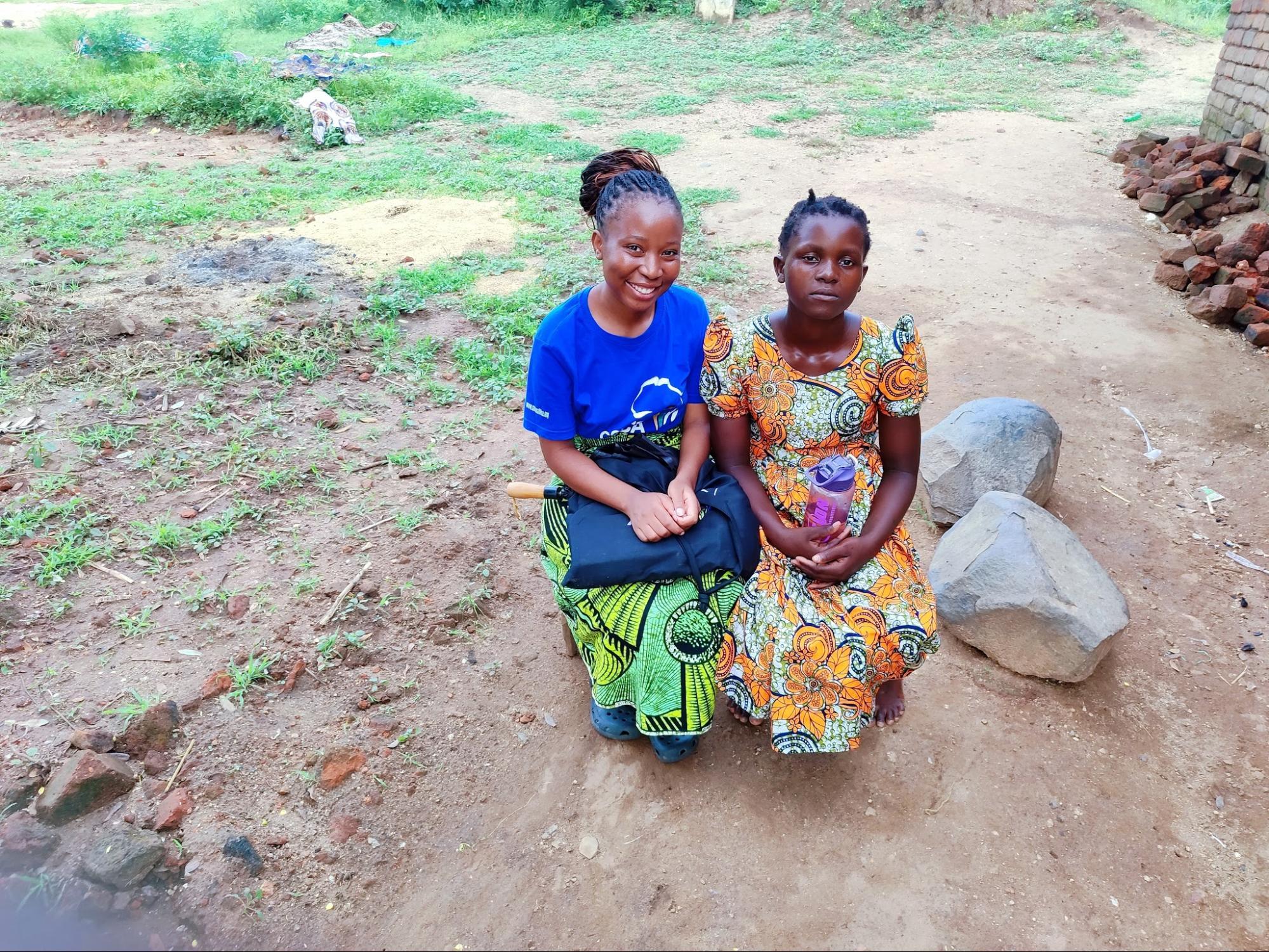
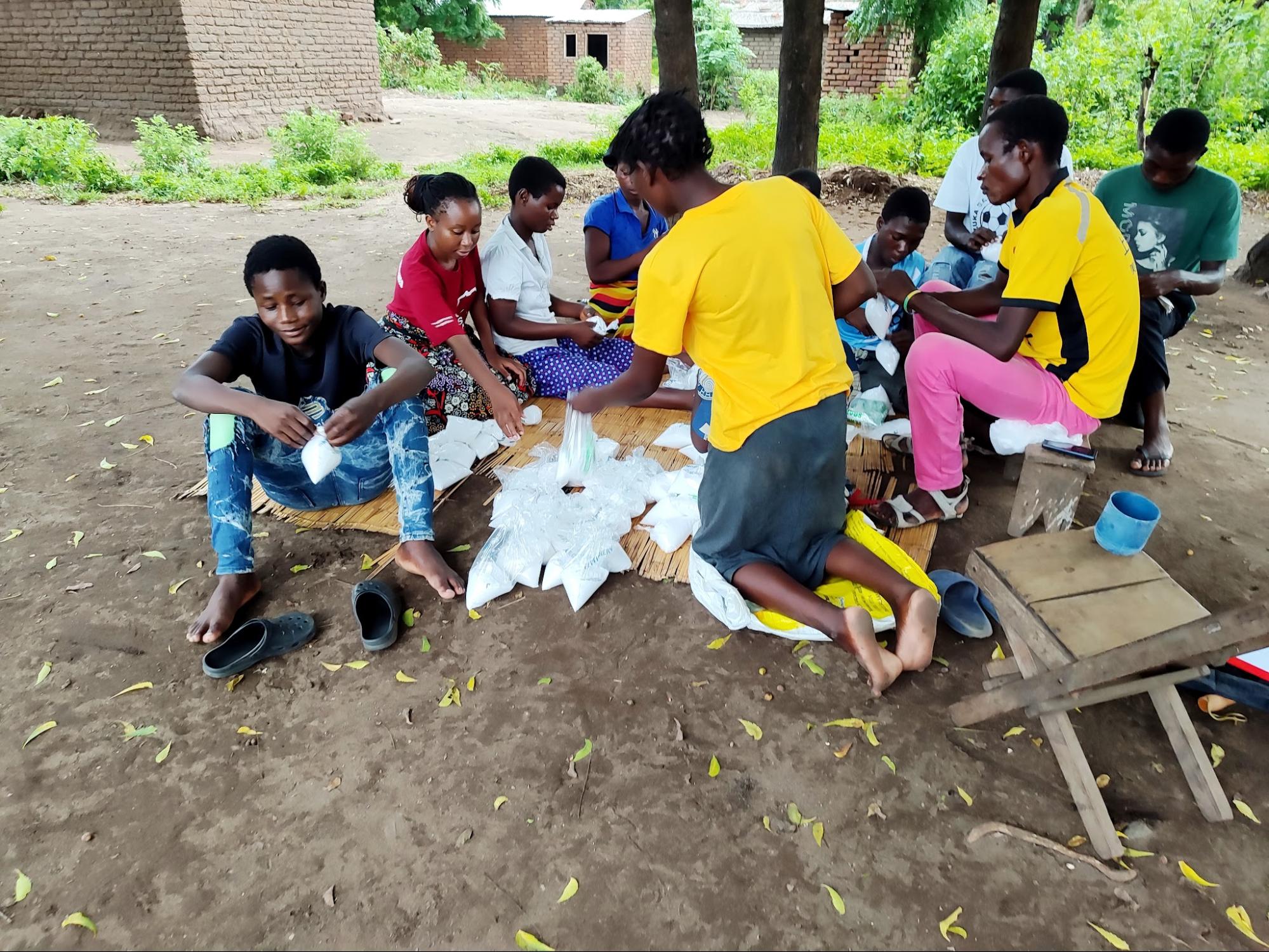
I changed course. Instead of expecting youth to come to formal meetings, I visited them in their homes and informal gathering places. I explained CorpsAfrica’s mission in basic language and invited them to define priorities. From the outset the process was participatory, young people identified activities they wanted to pursue, set their own goals and chose how to organize. Meetings became co‑created spaces where youth led discussions, designed activities, and decided on economic ventures.
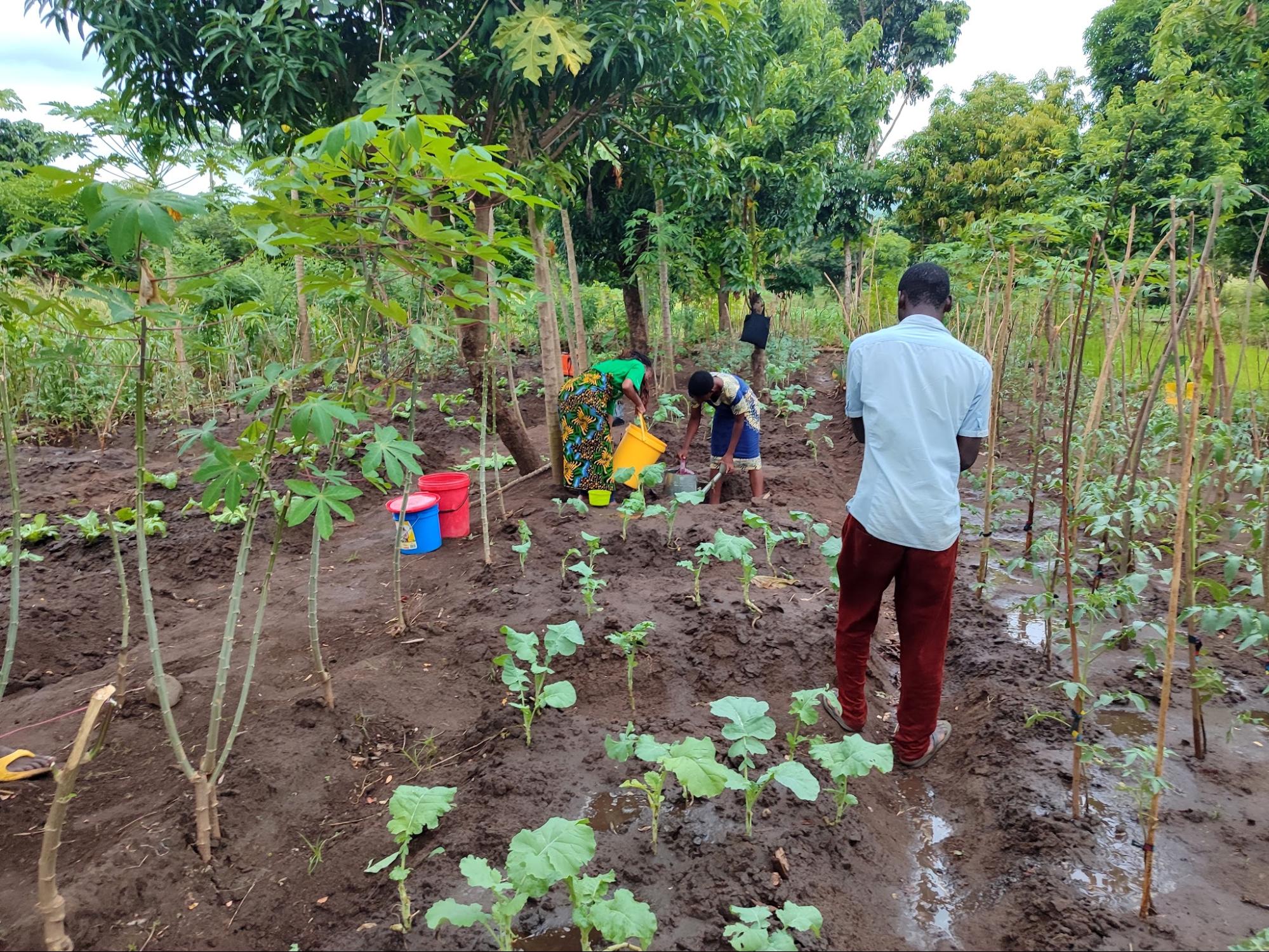
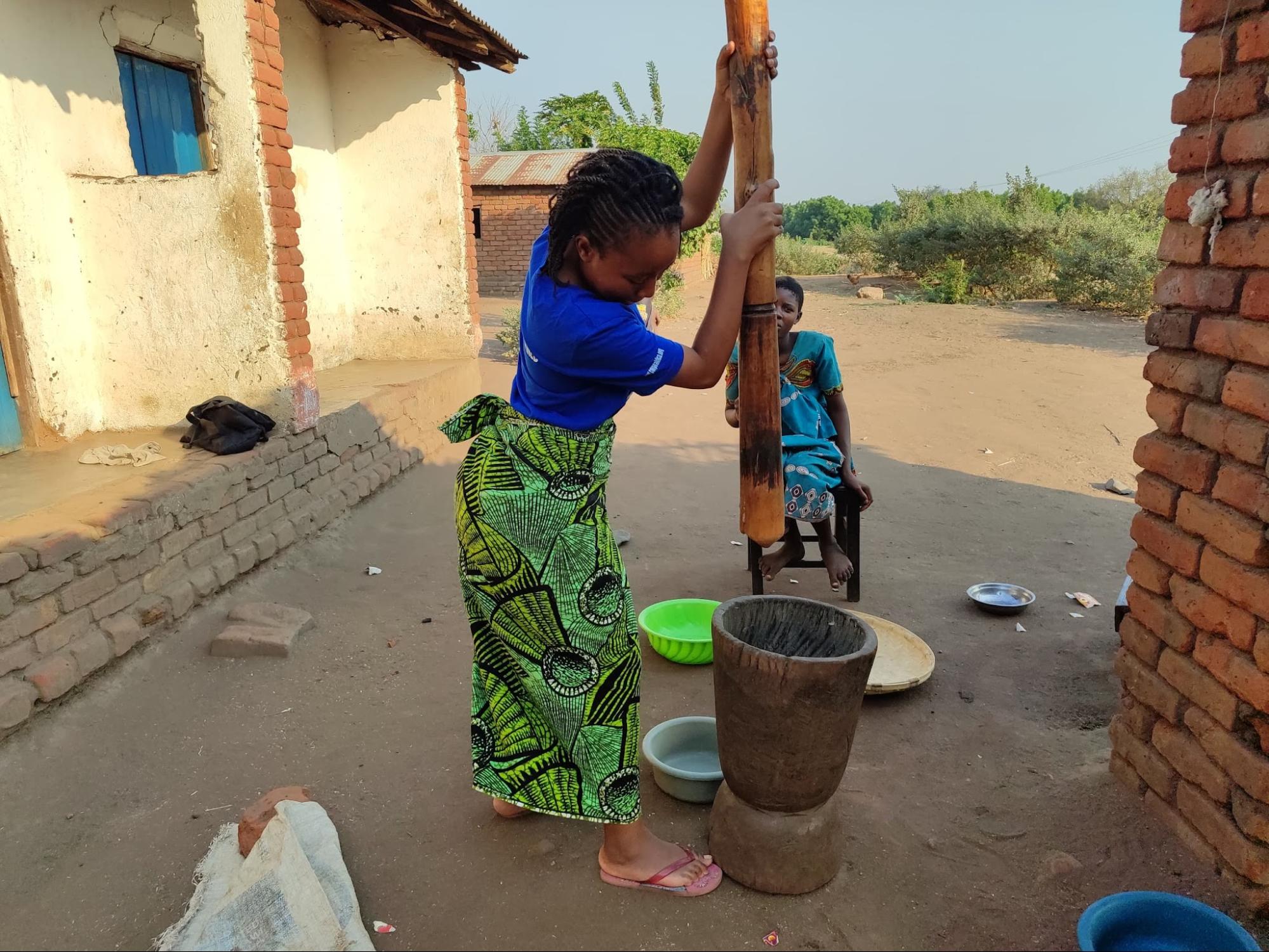
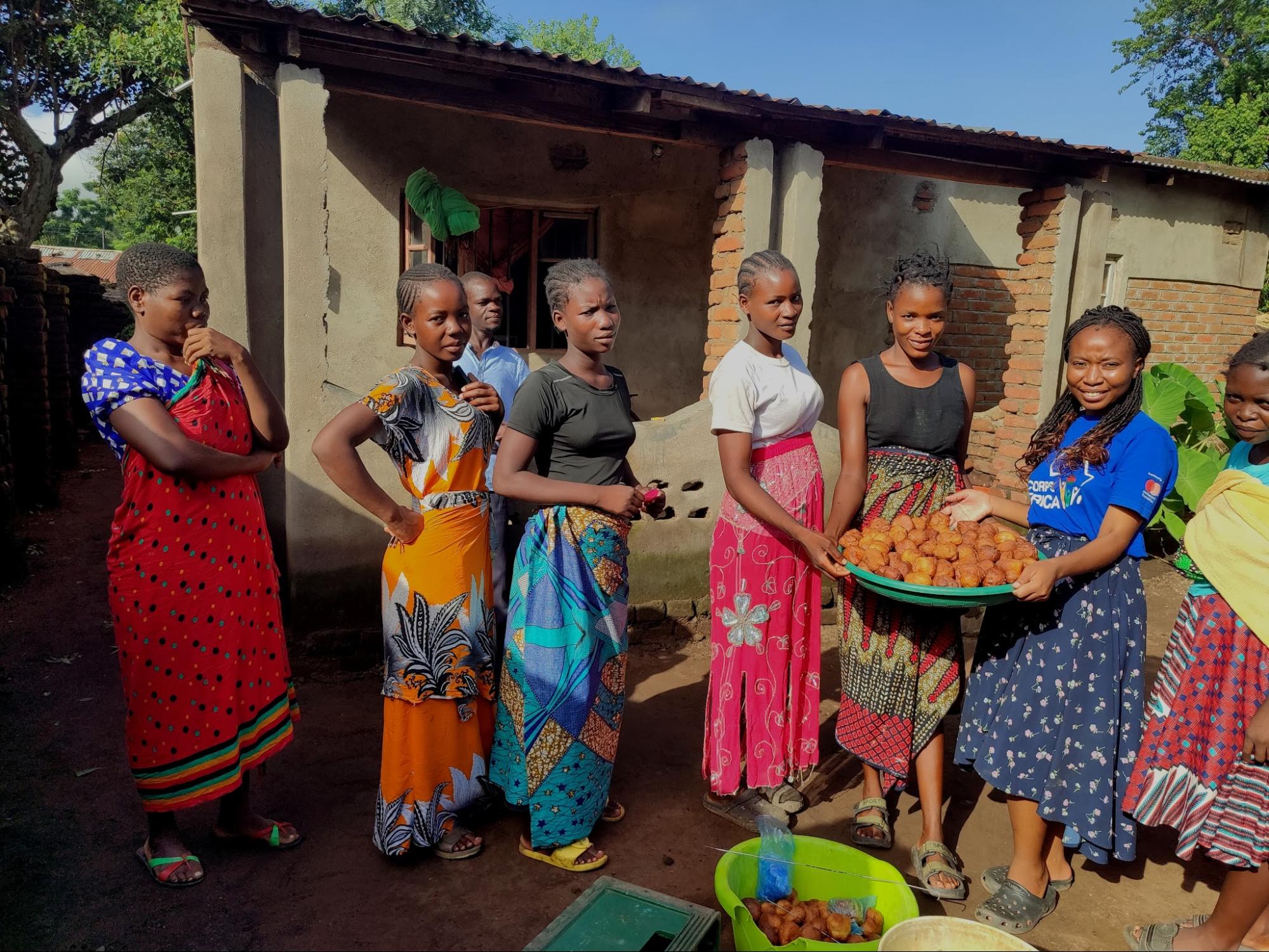
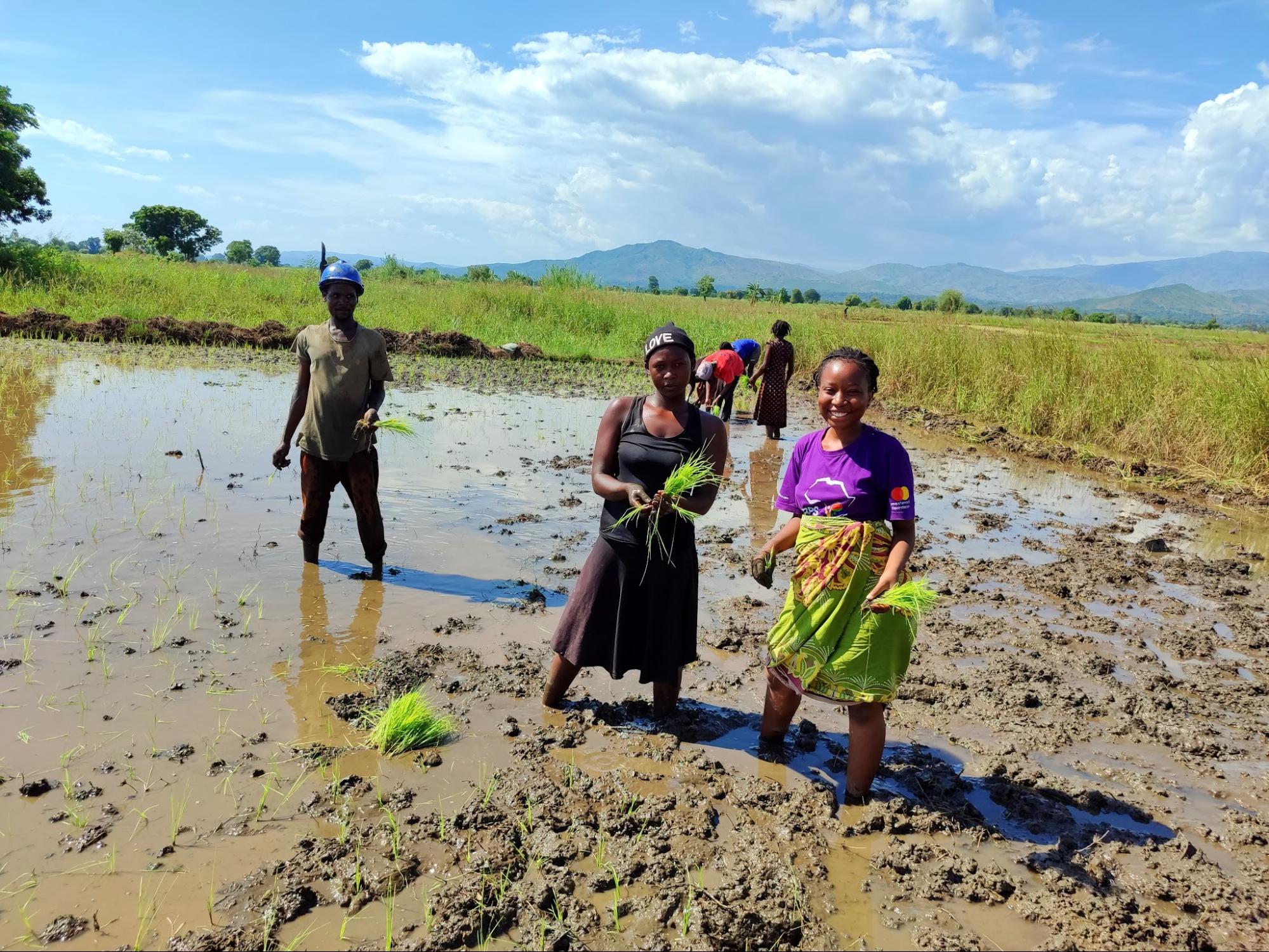
The shift from top‑down outreach to community‑led engagement produced clear outcomes. Youth who had been reluctant to attend formal meetings became regular participants and leaders. They launched small enterprises, diversified income sources through farming and baking and began selling goods that sustain households and local markets. The transformation was not only economic, young people reported greater confidence, stronger social networks and a renewed sense of agency. By taking the lead in planning and implementation, they turned skills and local resources into sustainable micro‑businesses.
Young people in my community are not merely beneficiaries, they are architects of their own development, creating employment, strengthening resilience and lighting the path forward.