
Chikwawa District, in Malawi’s Lower Shire Valley, is a place where resilience is constantly tested. Communities here live with the dual realities of fertile land and recurring floods. Each rainy season, the Shire River swells beyond its banks, disrupting livelihoods, damaging infrastructure and reshaping the landscape. For women and children, the burden is especially heavy long walks to fetch water, fragile food security and limited opportunities for income generation. Yet within these challenges, communities continue to adapt, innovate and find ways to thrive.
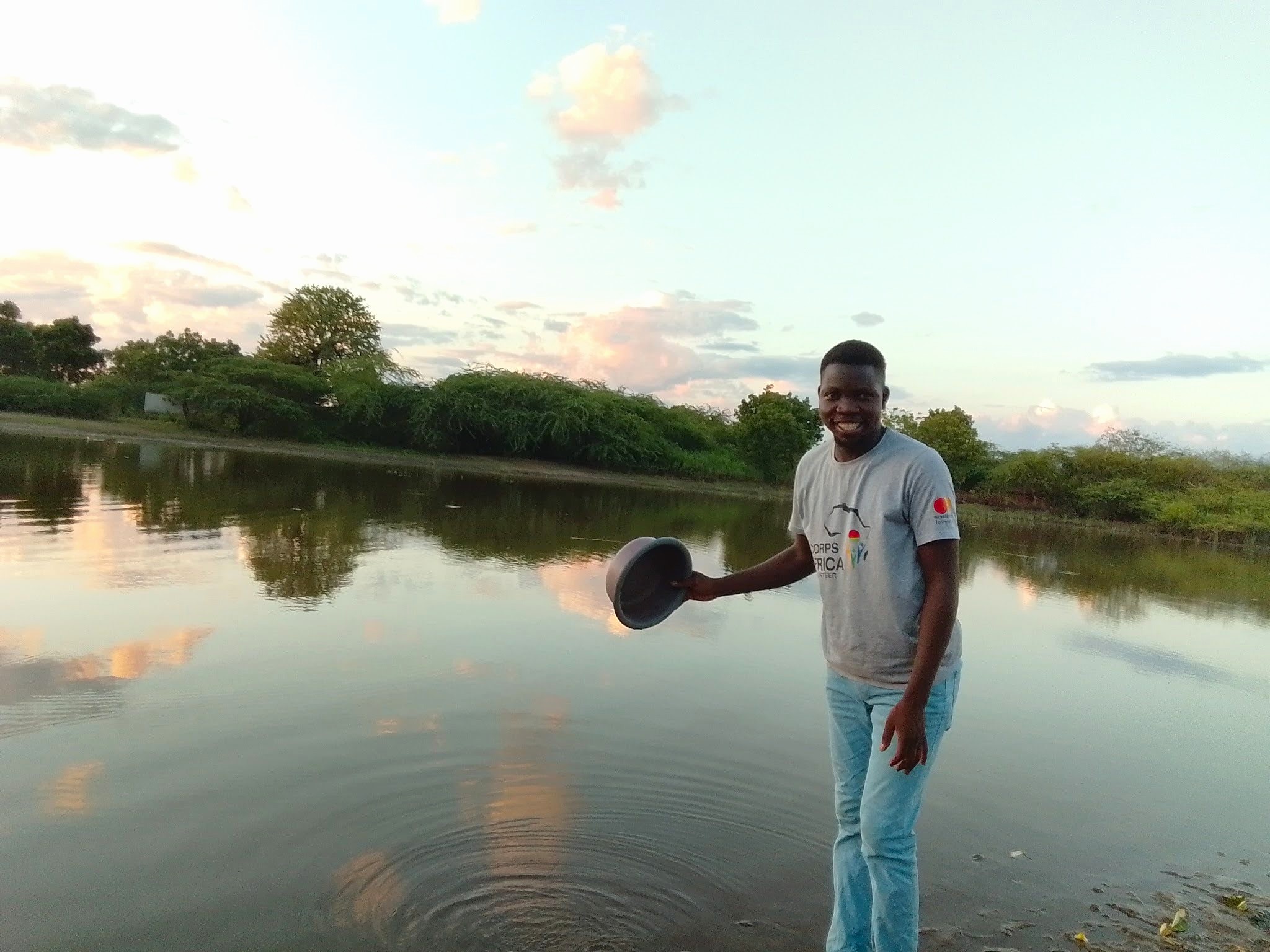
In Chimzimbe, one such transformation tells a powerful story. A football ground once alive with cheers and youthful energy, was submerged when floodwaters redirected into the community. What could have been seen only as loss became something unexpected, a new lake, shining under the sun, offering both disruption and opportunity.
Community members quickly recognized the potential. The flooded pitch became a fishing ground, providing households with fresh protein and, for some, a modest source of income. Women and youth began to collect water for domestic use, saving hours previously spent walking to the Shire River. This shift eased daily burdens, particularly for women, freeing time for other productive activities.
Beyond material benefits, the lake became a hub of social life. Fishing, water collection and shared use of the space fostered cooperation and strengthened community bonds. What began as a disruption evolved into a collective adaptation, an example of how communities can reframe challenges into opportunities for unity and resilience.