I remember sitting alone in my room days before Pitch Day, staring at my notes and trying to imagine myself standing in front of that audience. Every time I pictured it, fear would take over. I kept asking myself, “How am I supposed to stand in front of all of them and speak?” The thought of standing in front of government officials, CEOs, donors, the media, and many others felt too heavy.
I kept thinking, “I am going to be embarrassed in front of the media. My video will be everywhere, and people will make fun of me.” Those thoughts kept running through my mind. I doubted myself deeply and did not think I could do it.
Even during practice, I was tense. My confidence was low, and no matter how much I prepared, I still felt like I was not enough. But behind all that fear was something bigger than me. This was not just a presentation—it was the voice of my community. We needed people to believe in our idea and help make it happen.
Then Pitch Day came.
When the host was about to call me on stage, my heart started racing so fast I could almost hear it. I had woken up at 4 a.m., long before my alarm, fully alert as though my mind had decided there would be no more sleep. I even laughed to myself—“so this is how serious this is?” But deep down, I was stressed and outside my comfort zone, feeling nervous and doubtful when facing “big people”—the minister, media, CEOs, and other stakeholders.
A part of me kept whispering, “You are not good enough. What are you even doing here?”
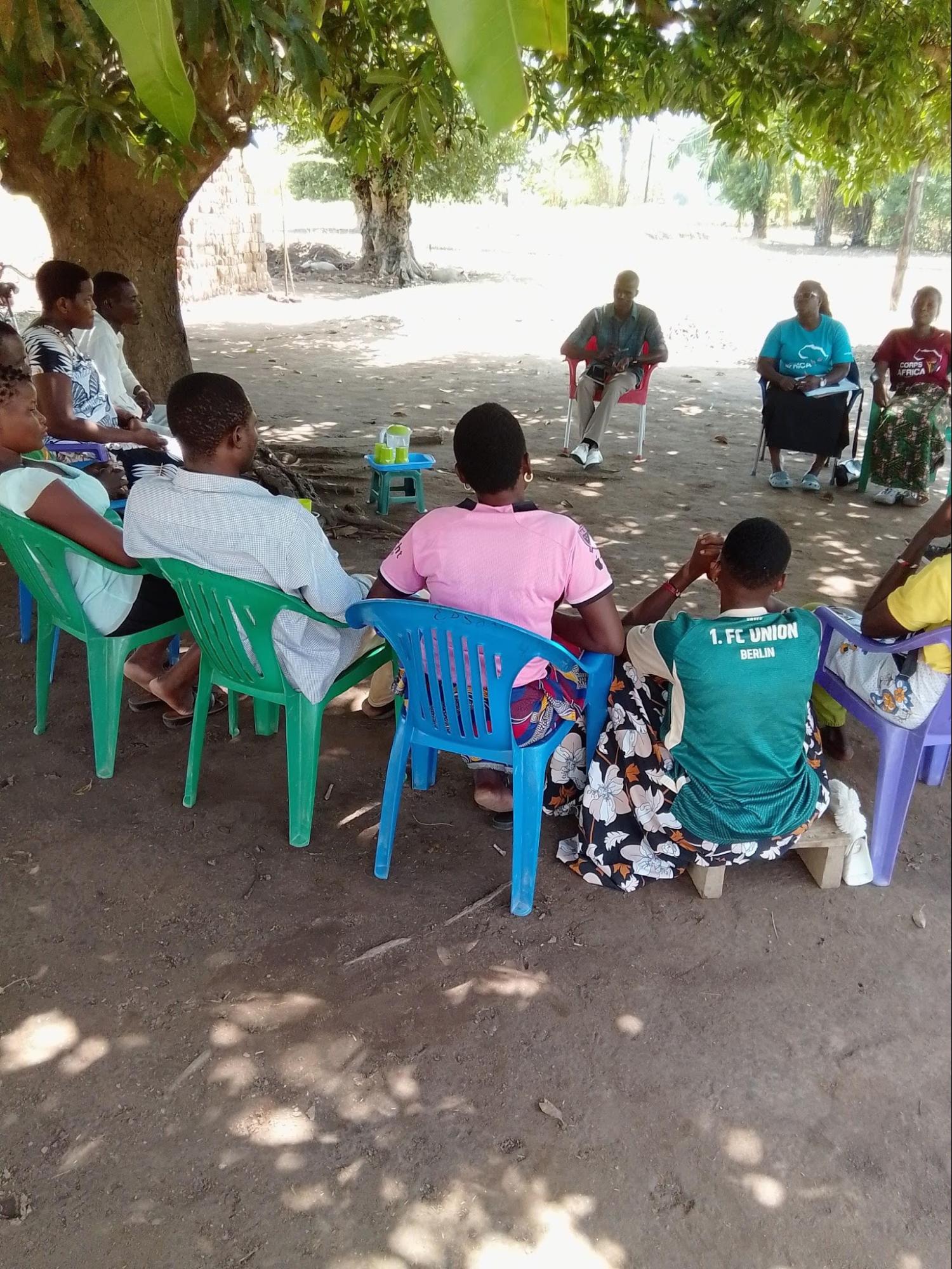
I serve in Msomba Community under TA Kilipula in Karonga District, Malawi. What I saw there changed me. Many young people have potential, but very limited opportunities. Because of school dropout and lack of income-generating activities, many struggle to find work. Being in a remote area, there are few job opportunities.
What stayed with me most is how young people are forced to survive. Many cross into Tanzania for farm work in Mapogolo. There, they face exploitation, low pay, and sometimes abuse, yet they return because they have no alternative.
That reality stayed with me deeply. It is painful to see young people leave home knowing they may suffer, but still go because survival leaves them no choice.
The idea we pitched came from the community—from conversations and shared frustrations. While discussing with the youth group, we explored goat farming and small businesses, but poultry kept coming back.
Then someone suggested an incubator. That changed everything. Many people are interested in poultry farming but struggle to access chicks in sufficient numbers. Some walk up to 20 kilometers to Karonga Boma for chicks. Transport is costly, and eggs often break.
So we asked ourselves: what if we bring this service closer?
That is how the incubator project was born—an idea meant not only for our youth group but for the wider community. It became more than a project; it became a business that could generate income throughout the year.
The journey to Pitch Day was not easy. Language was one challenge. Most people speak Kyangonde while I mainly speak Chichewa. It was my first time there, so translating ideas took time.
Participation was another challenge. It was farming season, so many people were busy in their fields, and meetings were inconsistent.
Then came doubt.
At one point, we even considered changing the project because we were unsure about the budget. Poultry farming felt overwhelming because of vaccination, feeding, and management.
When I learned our project had been selected, fear hit me immediately. I told myself, “I cannot do this.” Speaking in front of leaders, donors, and media felt impossible.
But I kept going.
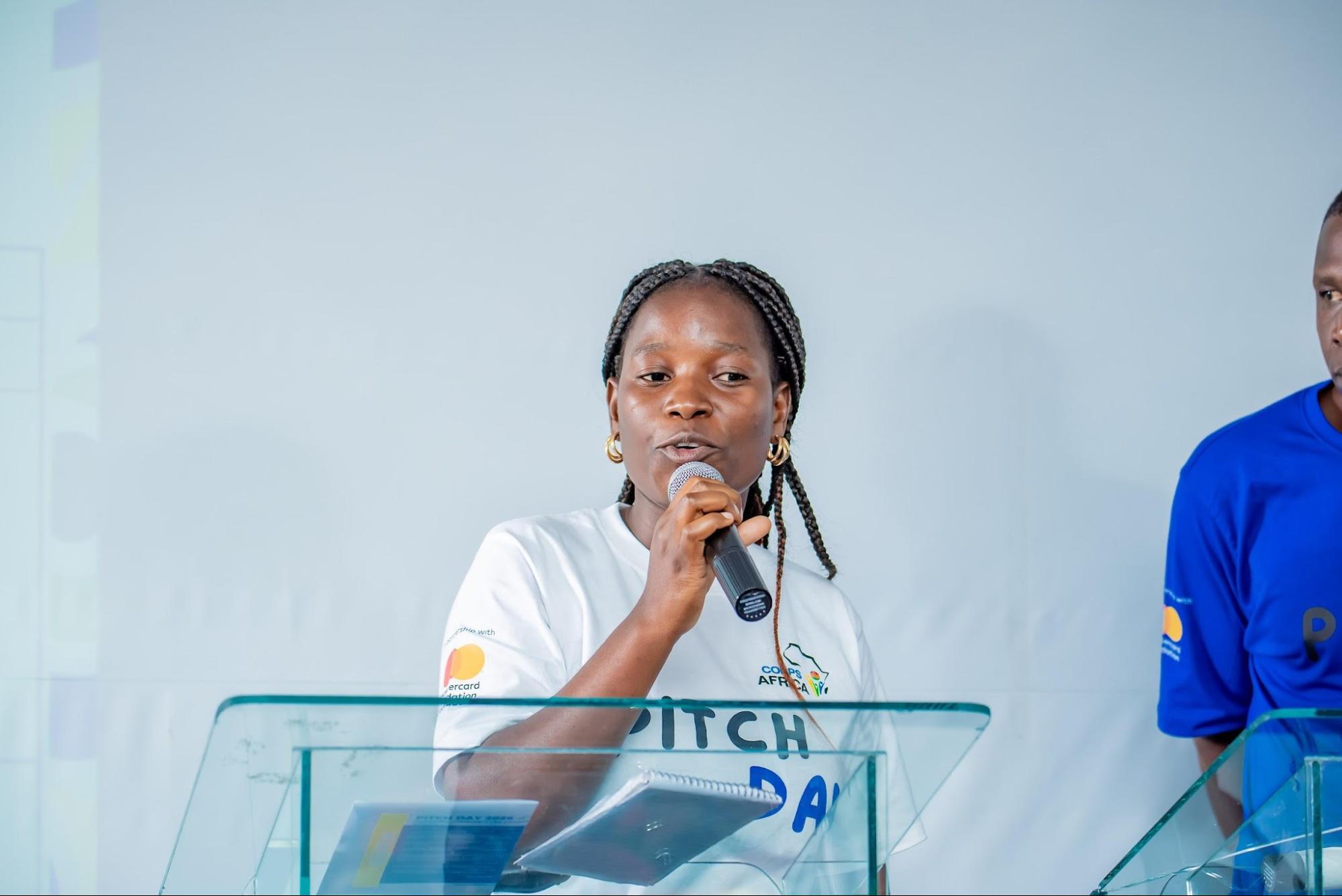
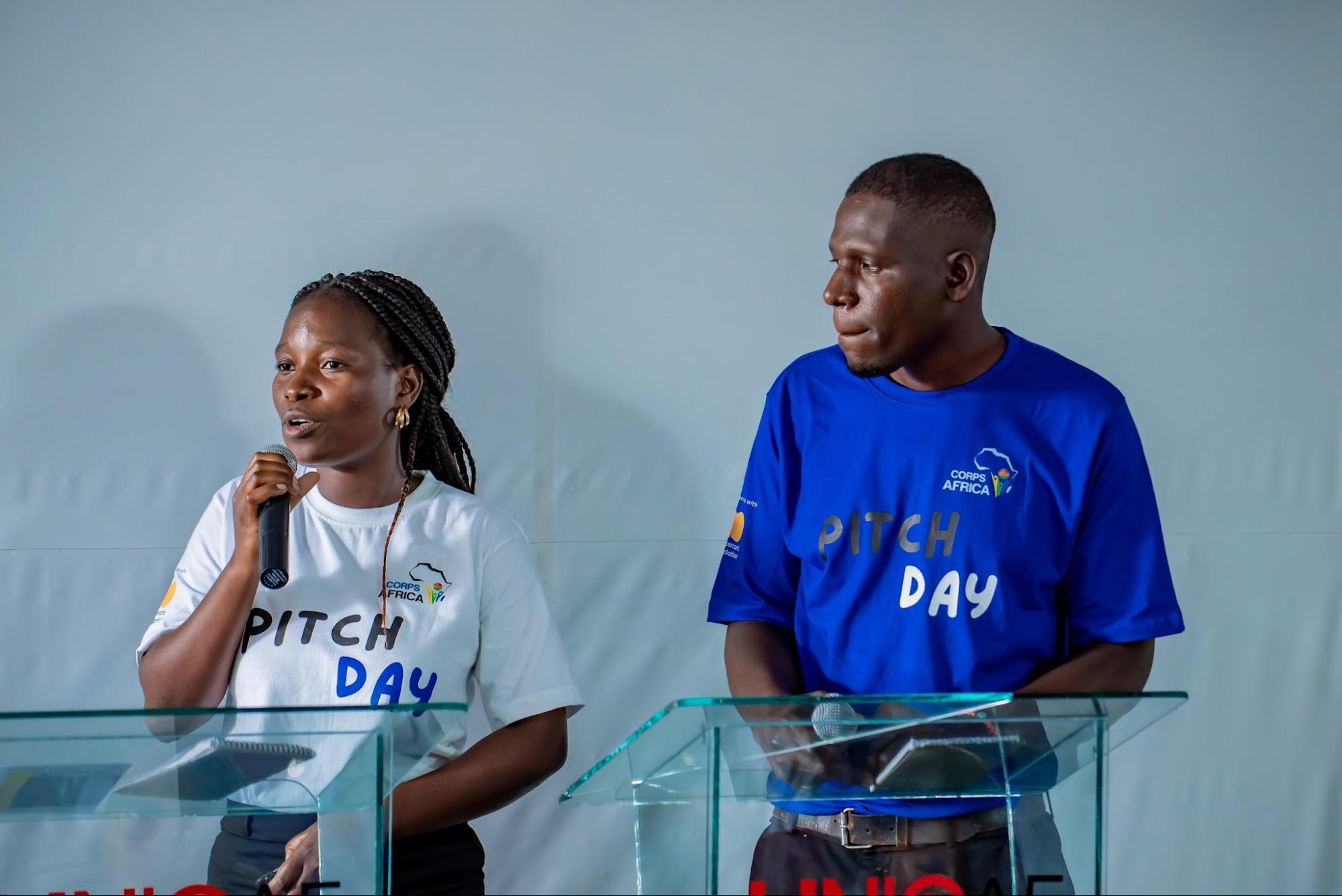
On Pitch Day, as I stepped onto the stage, something changed. I reminded myself this was not about perfection—it was about representing my community.
One moment that stood out was seeing the audience actually listening. Some were nodding, and I felt our story mattered.
My favourite moment was when I began presenting. I expected to shake and show fear, but something unexpected happened—I delivered smoothly. I did not shake. My voice stayed steady. I was fully present.
That moment changed something in me.
My community counterpart once said, “This project is not just an idea. It is our hope. If this works, it will change how young people in this community survive.” That stayed with me.
This experience taught me that I am far more capable than I believed. I used to underestimate myself, but I have learned I can adapt and grow.
After the presentation, I sent the video to my brother, and he said, “You are very capable—you just doubt yourself too much.” He was right.
Looking at where I come from, I never thought I would experience something like this. My family struggled financially. When my mother saw the pictures, she said, “You do not even look like you come from this family.” That reminded me how far I have come.
Looking ahead, I see a different future for young people in Msomba. I see a time when crossing to Mapogolo is a choice, not survival.
Our project offers hope, dignity, and opportunity.
To make this possible, we need financial support, skills, mentorship, and belief in community-led solutions.
Youth are at the center of change—energetic, innovative, and the majority of the population. By investing in youth-led solutions, we build ownership, sustainability, and a future they are ready to shape and carry forward.