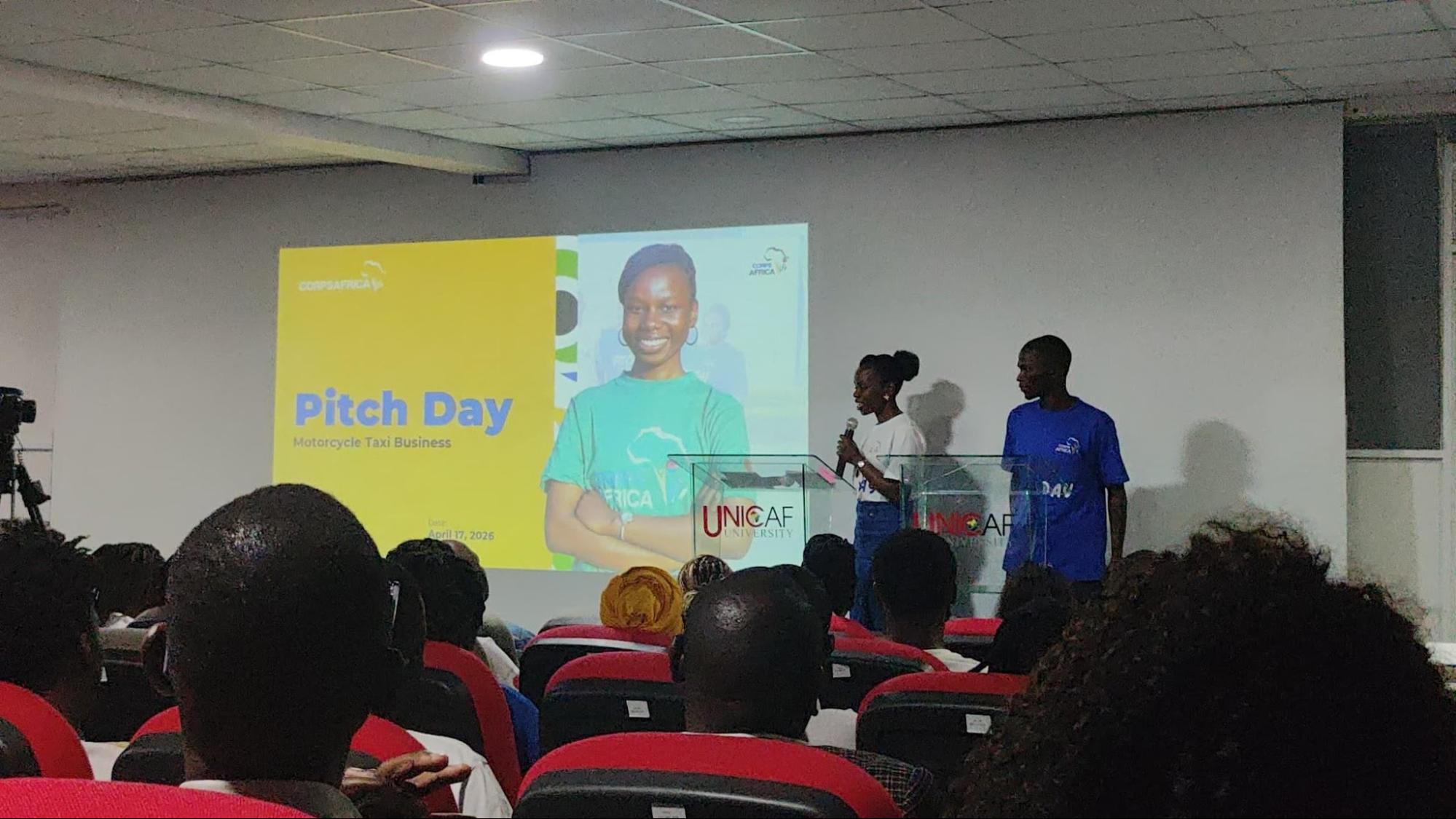
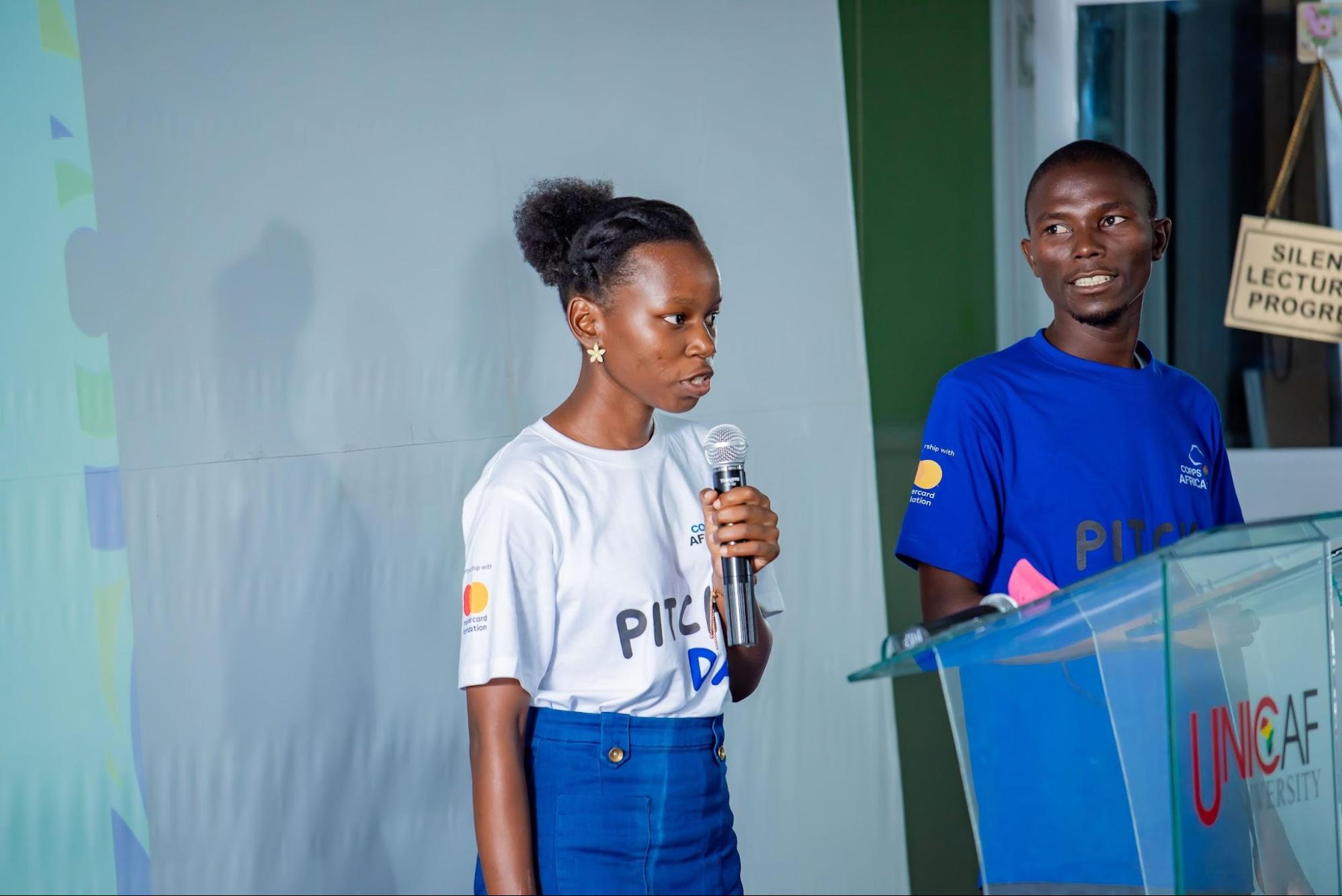
I remember gripping the microphone, the room suddenly too quiet, my heartbeat louder than the applause that had just faded. In that moment, it wasn’t just a pitch; it was everything. If I failed to communicate our story, it meant more than losing an opportunity; it meant delaying access to reliable transportation for my community, limiting income for young people, and stalling jobs that could change lives. I stood there, carrying not just my own expectations, but the weight of a community that believed in this idea.
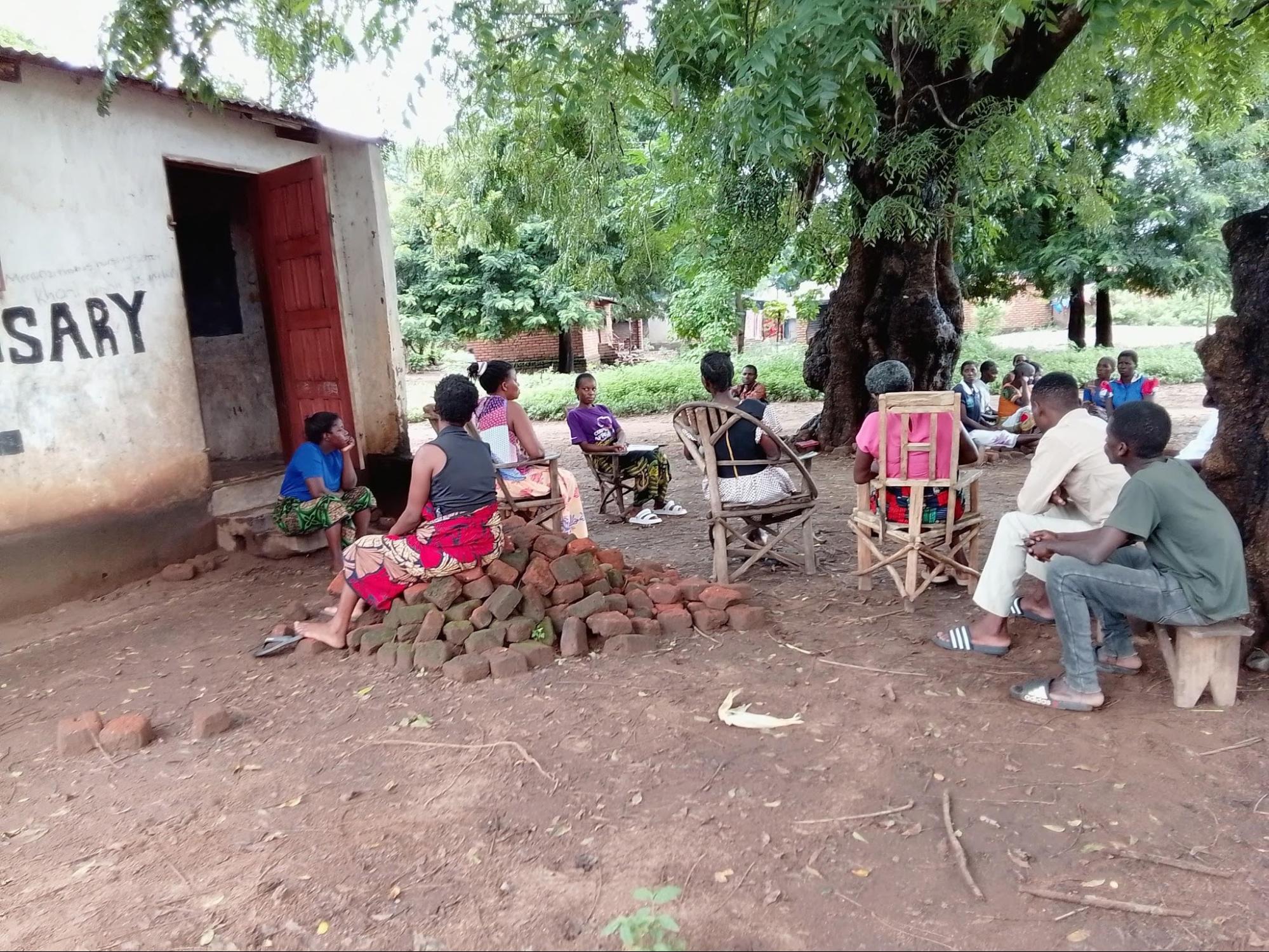
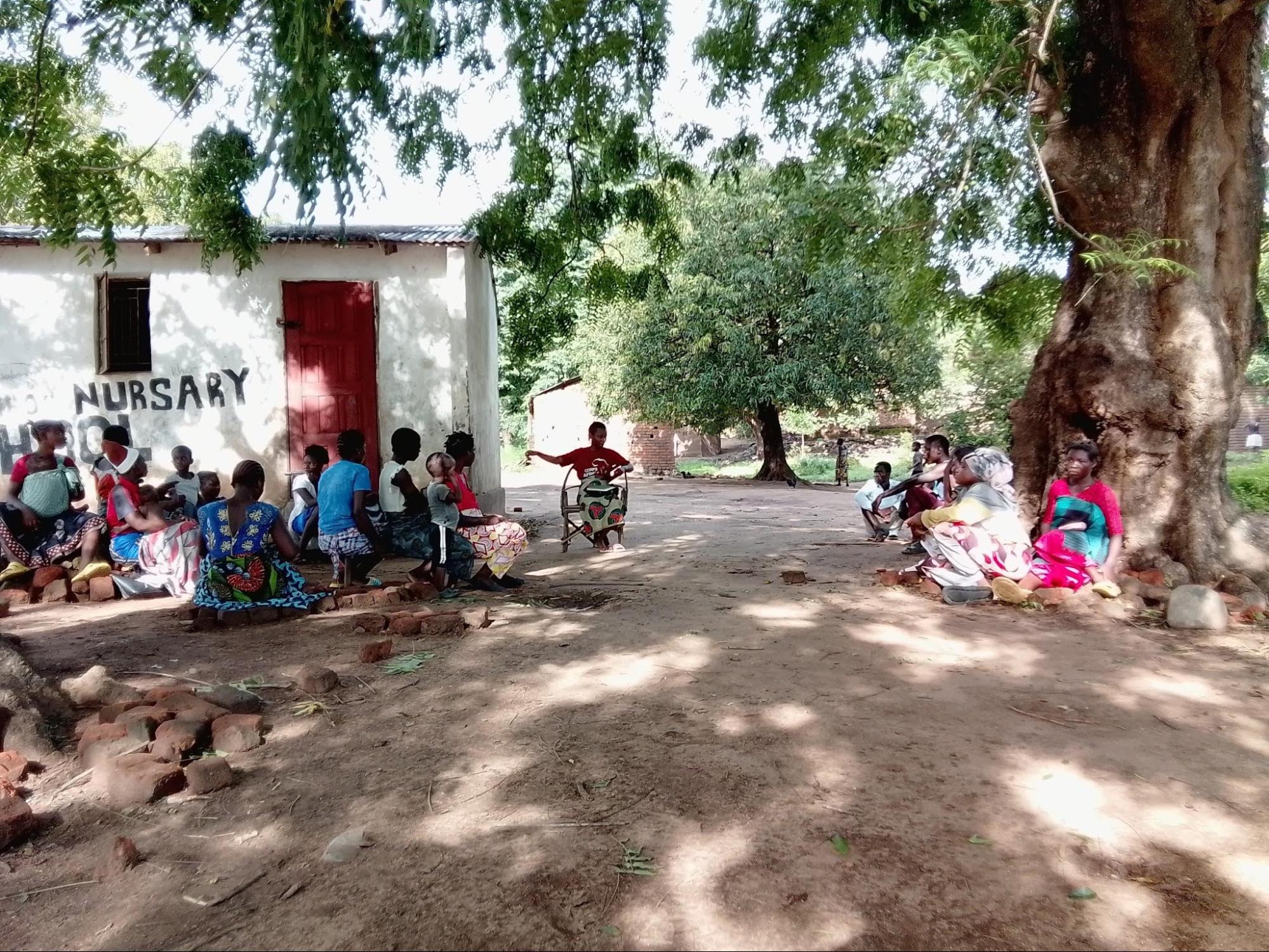
My journey to that stage began in the M’modzi community, where I served as a CorpsAfrica volunteer. What I saw stayed with me long after each day ended; young people, especially women, struggling to find meaningful economic opportunities. With few options, some turned to risky ways of surviving, leading to challenges like increased teenage pregnancies. What pained me most was seeing children grow up without adequate parental support, their futures uncertain before they even had a chance.
The idea we eventually pitched didn’t come from a single moment of inspiration, it was built through observations, conversations and trust. Together with the Umodzi group, we used the Innovator’s Compass to unpack the root causes of these challenges. There were many ideas, each one debated, refined, and sometimes let go. It wasn’t easy agreeing on one solution, but through that process, we arrived at a motorcycle taxi business; an initiative designed not only to generate income for group members but to improve mobility, connect local businesses to markets, and uplift the wider community.
Reaching that clarity, however, was just the beginning. The real test came in translating the idea into a proposal, within a week. What initially felt like relief quickly turned into pressure. We moved from weekly meetings to daily sessions, determined to meet the deadline. Then came the announcement: we would pitch our project in just three minutes. I remember the disbelief in my counterpart’s voice,“Alangizi, zimenezi sizingatheke, sitingalongosole zinthu zimene tachitambo kuvutika kwa week kuti timalize mu three minutes.” (“This is almost, we can’t present something we struggled with for a whole week in just three minutes.”)
I smiled and told him, “It is possible, it might be difficult now but with practice we will get there.” I reassured him, even as I wrestled with the same doubt internally. Still, we practiced, every chance I got, I found myself pitching, refining each word until it carried meaning and purpose.
Two days before the pitch, I walked into a rehearsal room, confident ,only to freeze mid-presentation. In a room full of familiar faces, I faltered. That moment forced me to confront my fear. The feedback I received was simple but transformative: slow down, breathe, trust yourself. I realized preparation wasn’t just about memorizing words; it was about believing in them. A conversation with a staff member later deepened that understanding. When he asked, “Why does this project matter?” it shifted everything. I understood then that pitching wasn’t about presenting; it was about making others feel the urgency of the problem and inviting them into the solution.
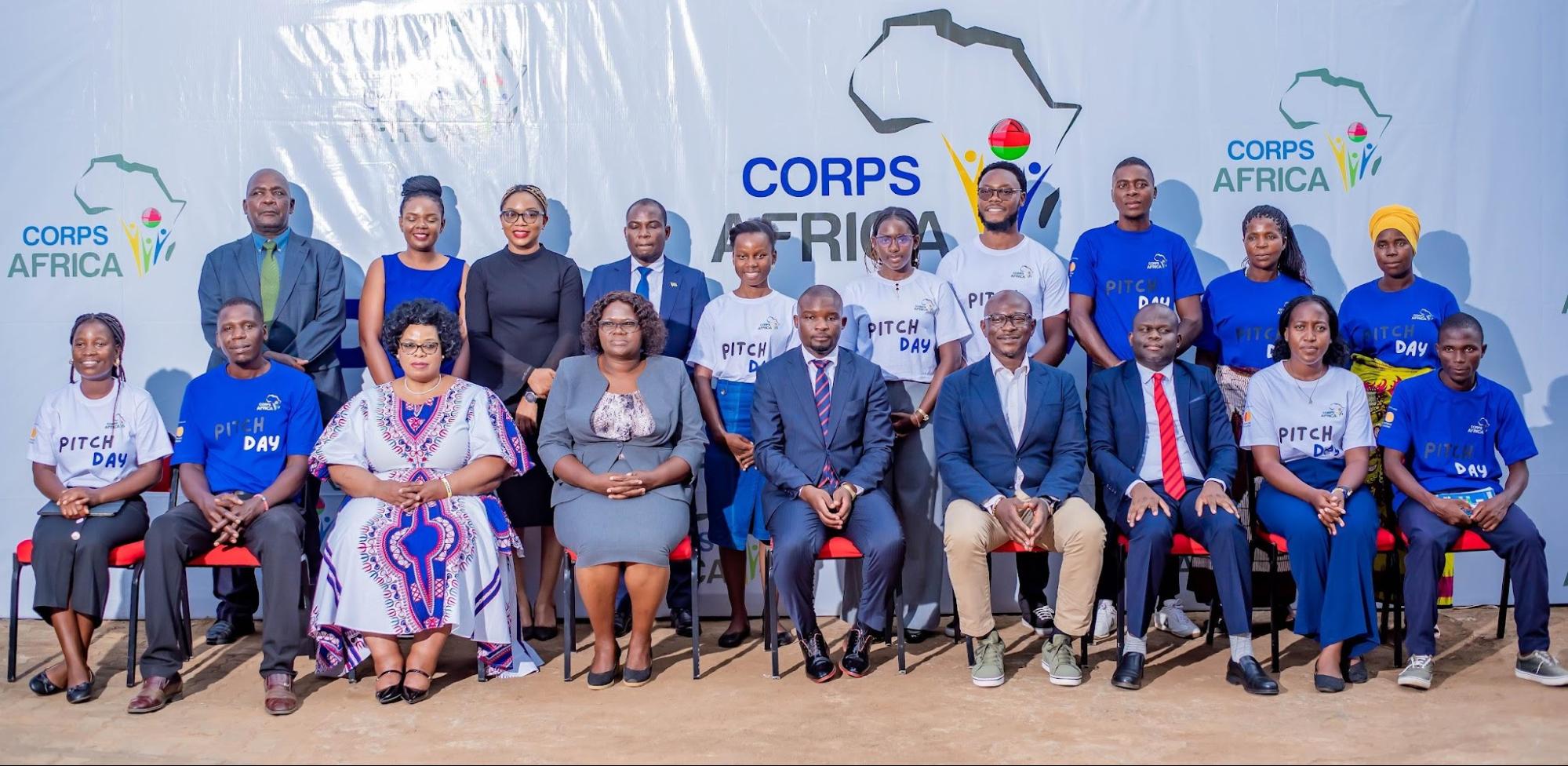
On pitch day, as I sat in a room filled with stakeholders, donors, and even the Minister of Youth, I felt both nervous and proud. The space was alive with anticipation. When my name was called, I stood up, no longer just as an individual, but as a representative of my community. I looked at the audience, and made sure I secretly smiled at the cameras capturing the moment, and began.
What stood out most wasn’t just delivering the pitch; it was the connection in the room. The nods, the smiles and the quiet engagement. It reminded me that change doesn’t happen alone; it happens when people choose to listen, to believe and to act. And at that moment, I knew we had already begun turning belief into action and transforming a shared challenge into a shared solution.
I remember how powerful it felt to hear my counterpart speak about what this moment meant to him. He said, “I’m more than happy for the opportunity to present my community, because this is a transformation coming into our lives and the community. With this project, we will be able to earn money to support our families and meet our daily needs. We will also venture into other businesses, and the whole community will benefit from easier mobility.” What stayed with me was the hope in his voice, it reminded me this was something real.
My favourite moment came just before I stood up to speak. My counterpart leaned in and whispered, “I know you are confident, and I trust that we are going to do this.” At that same moment, a message came through our WhatsApp group: “We are praying for you, you will pitch successfully.” I didn’t expect that. It stood out because I felt the community with me, and that gave me a different kind of confidence.
This experience taught me more than how to pitch; I learned that confidence is not something that you wait to feel but it is built through preparation, practice, and showing up. I learned that communication is not about perfection, but connection. Each time I practiced, I gained new insights that strengthened my message which taught me that learning is a continuous process and growth comes from openness to feedback. If I were to do this again, I would trust the process earlier and doubt myself less, because I realized that constant self-questioning can take away from the confidence needed to fully show up and recognizing progress helps to build clarity.
This project will create 32 jobs for youth and women in the Umodzi group, increasing their average monthly income by MK35,000. Beyond that, the profits will become a stepping stone into a rice business, expanding their opportunities. For the wider community, it means better access to markets and essential services like hospitals through improved transportation. This is why youth-led solutions matter; we understand the challenges because we live them and because of that, the solutions we create are practical and directly respond to real needs, not assumptions. When we are supported with financial resources and skills we can turn those lived experiences into actions that create meaningful and lasting change in our communities.