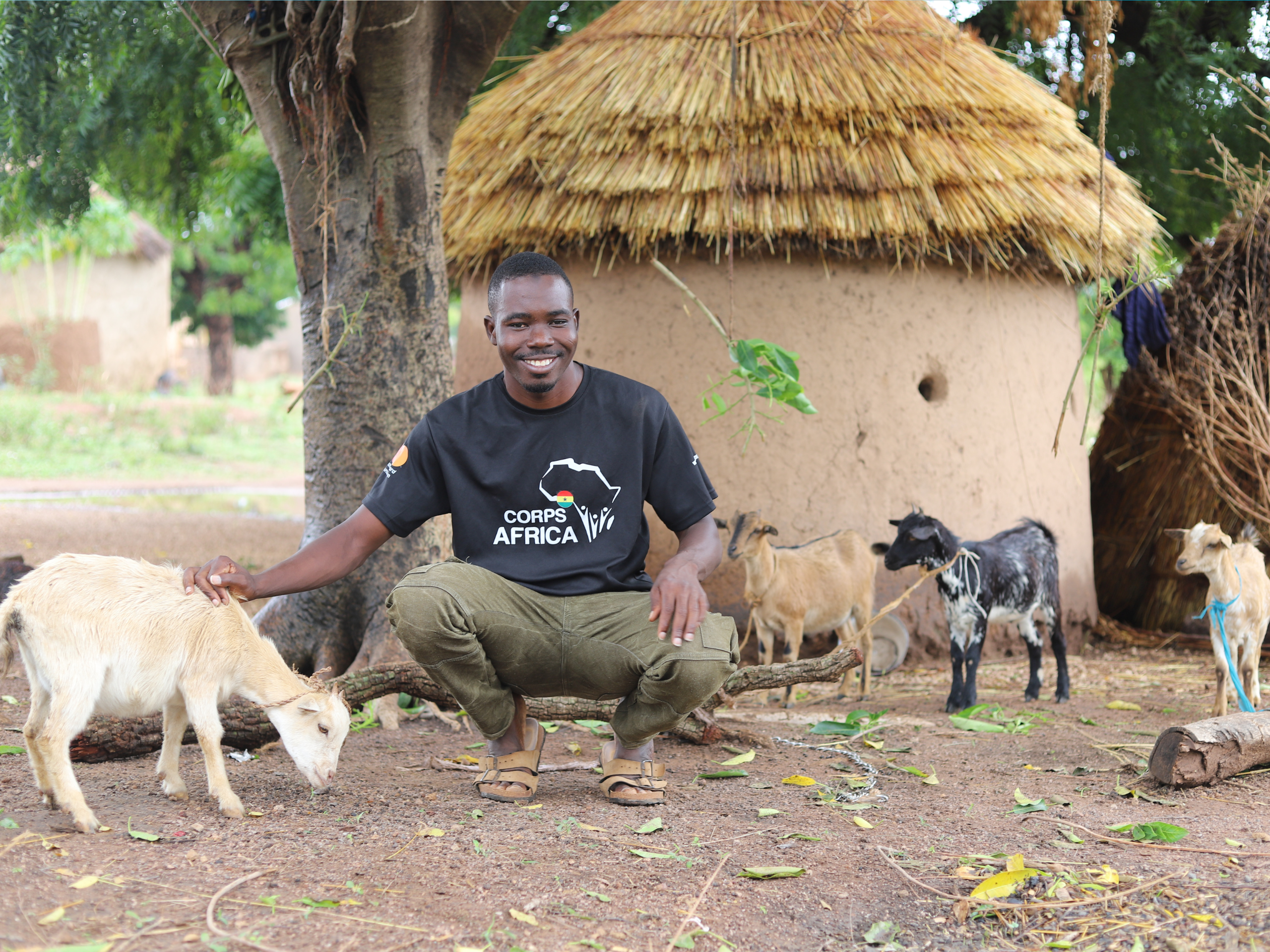
Bogupaligu is a rural farming community where agriculture remains the backbone of the local economy. However, over the years, farming as the primary source of livelihood has become increasingly unsustainable due to several interrelated challenges. Climate change has disrupted rainfall patterns, leading to low crop yields, while rapid urbanization has resulted in the sale and loss of farmlands to developers. Additionally, low household incomes had made it difficult for families to meet basic needs, especially covering children’s educational expenses.
These challenges had had broader social implications. Many children, particularly girls, were forced to drop out of school to support their families or migrate to urban centers in search of work, sometimes ending up in early marriages. Recognizing the need for a sustainable livelihood intervention, the Bogupaligu community, with technical and financial support from CorpsAfrica/Ghana, decided to build upon their existing skills and resources in livestock farming by implementing a Goat Rearing Project.
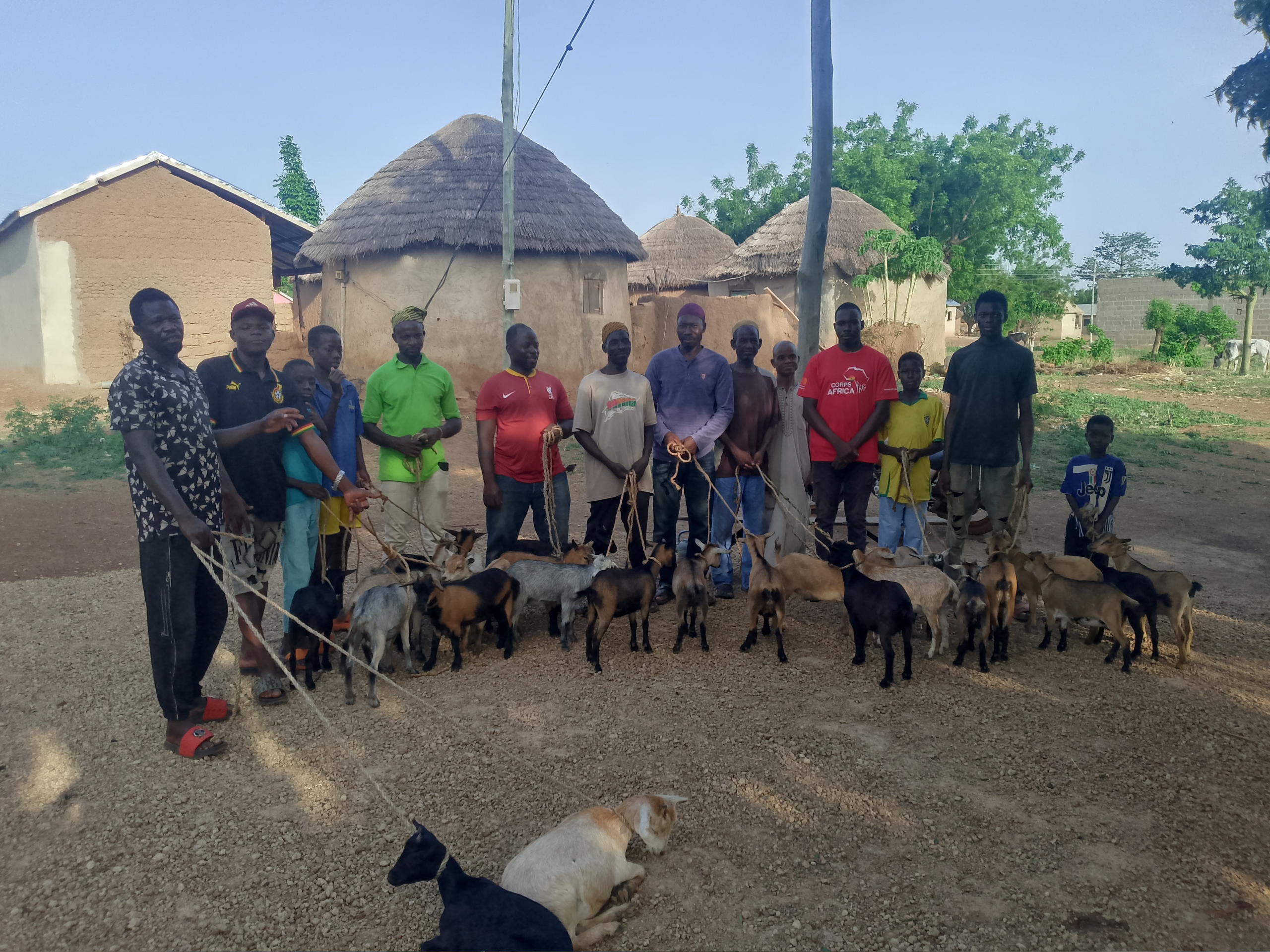
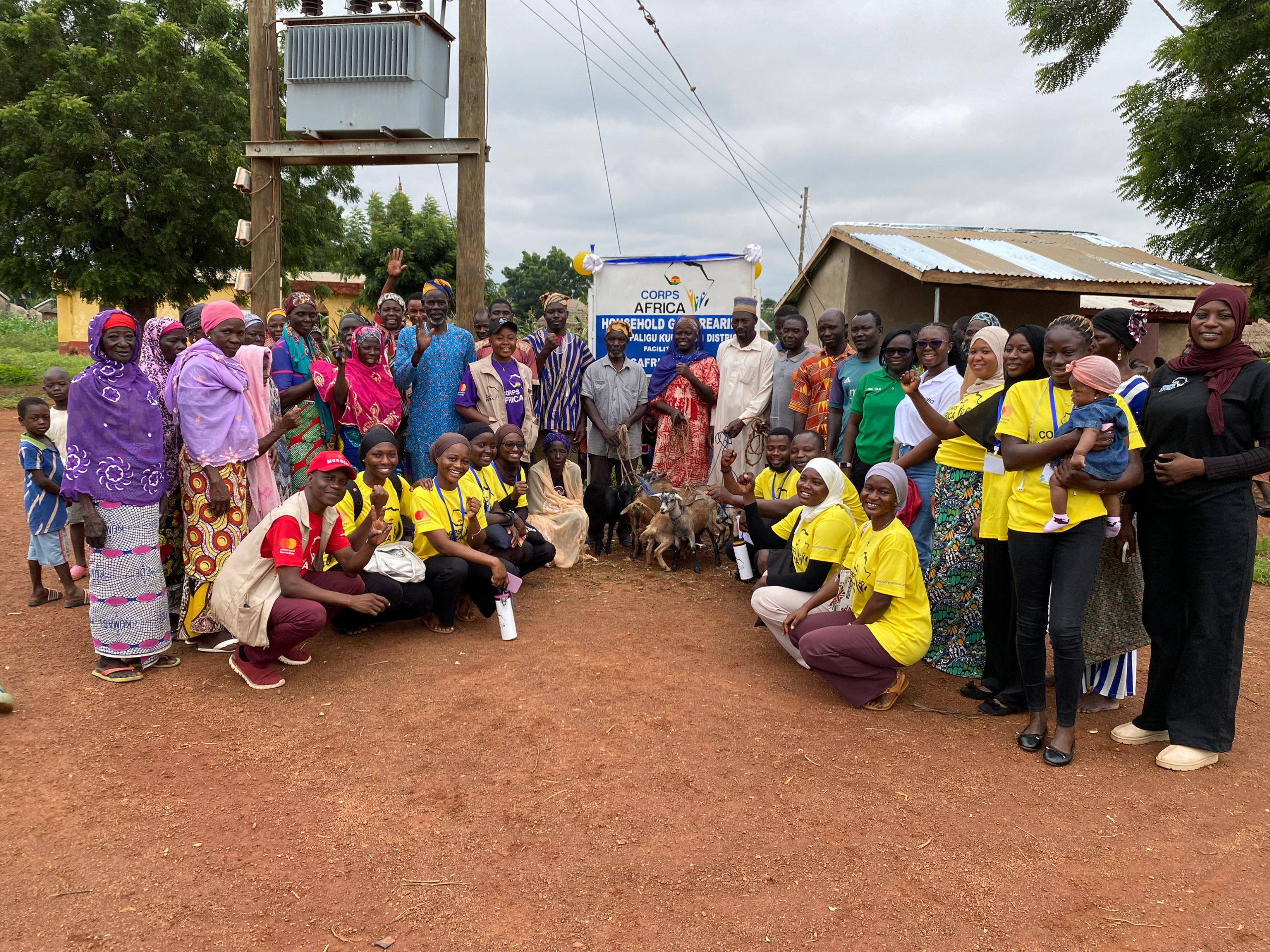
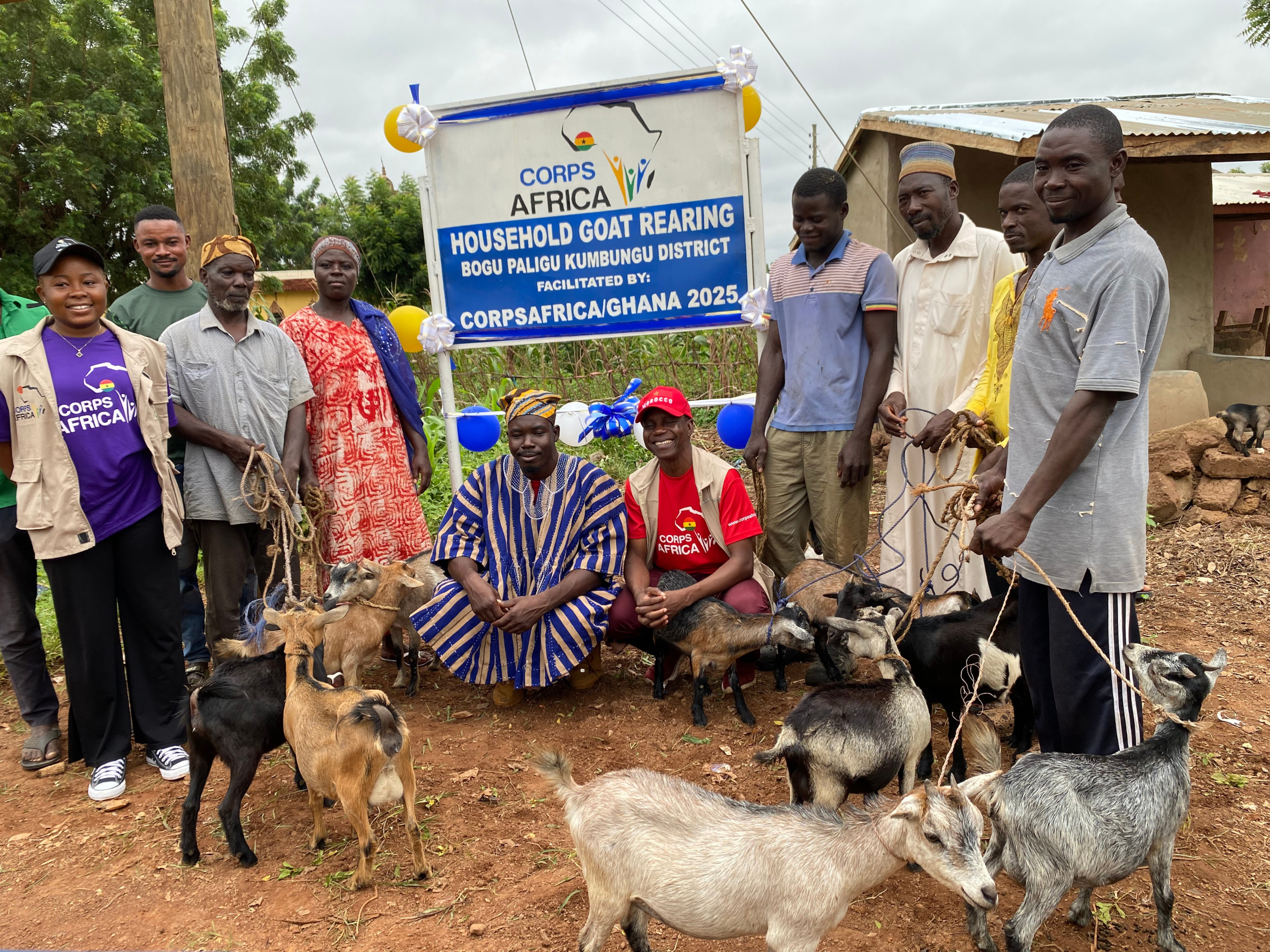
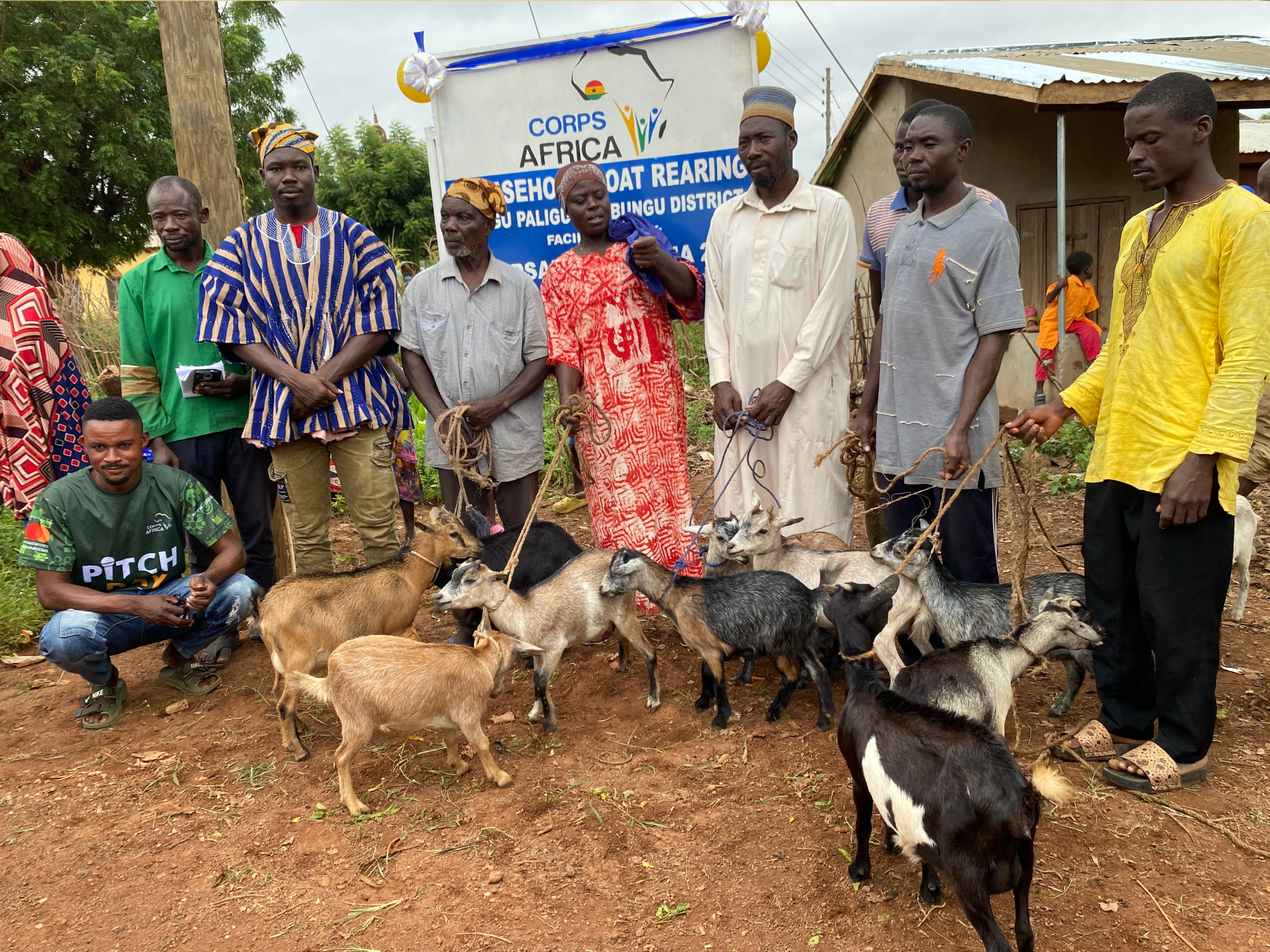
The project aimed to diversify income sources, improve household resilience, and strengthen the community’s capacity to manage climate-related economic risks. A total of 63 female goats were purchased, vaccinated, and distributed to 32 households, with each beneficiary receiving two goats, except one who received one. Alongside the distribution, beneficiaries received comprehensive training on proper goat care, feeding, breeding, and vaccination schedules to ensure long-term livestock health and productivity.
The total cost of the project amounted to GHS 40,925, with the community contributing GHS 10,125 (25%) and CorpsAfrica/Ghana providing GHS 30,800 (75%). This strong community contribution demonstrated local ownership and commitment to sustaining the initiative.
The project has already shown tangible results. Beneficiaries, mostly crop farmers now have an additional source of income through livestock rearing. This diversification reduces their economic vulnerability to climate and market shocks that often affect crop farming. Indirectly, the project has boosted local economic activity, benefiting butchers, food vendors, and traders who rely on animal produce and by-products.
In total, 32 individuals were directly impacted by the goat distribution, while approximately 293 people have been indirectly affected through economic and social benefits. The project has also inspired a renewed sense of community cooperation and resilience, as households have seen first-hand how collaboration and local resource utilization can drive sustainable change.
By improving livelihoods, reducing rural-urban migration, and helping families keep children in school, the Bogupaligu Goat Rearing Project has become a model for practical, community-led solutions to poverty and climate challenges in rural Ghana.