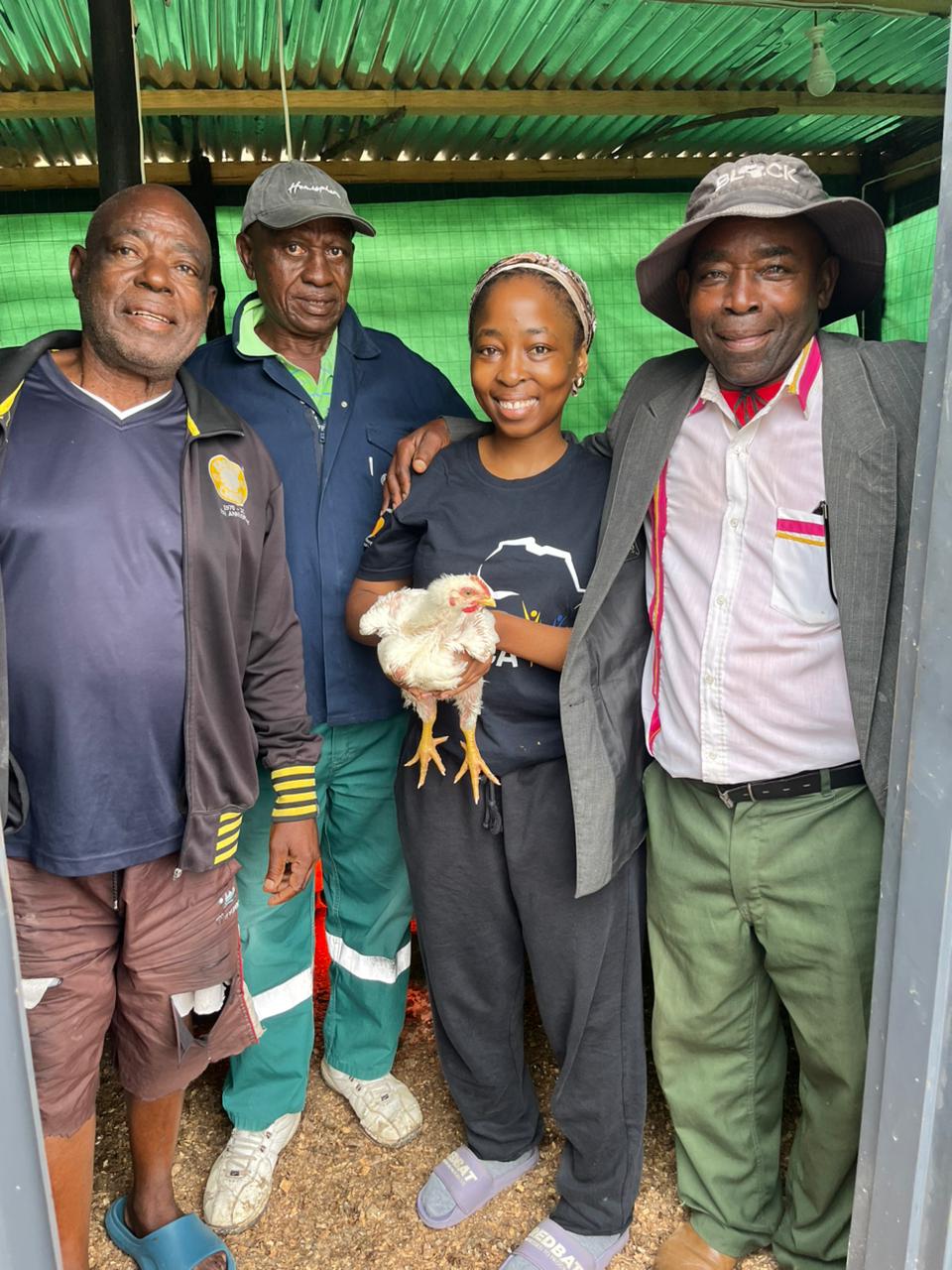
My service began in November 2025 in a village called Jele, Limpopo. As anyone would be, coming into a new environment and living with complete strangers, I was nervous. Although I was not far from home, it felt like a completely new world.
I worried about how well I would integrate into the community, especially because of the language barrier and how that might affect my ability to truly become part of the community. I was unsure how to begin connecting with people.
My worries were eased when I arrived. My host family was welcoming and patient as I learned the language. They kindly switched between Sepedi and isiZulu, my home language, which made me feel more comfortable. They also introduced me to their extended family, helping me begin building relationships. I knew, however, that connecting with the broader community would require more effort. I would need to step out on my own, often without direct support, while still learning the language.
For me, integration has meant showing up with intention, not just to be seen, but to genuinely get to know the people I am learning from. It means taking time to understand what matters to community members, their hopes, and their daily realities.
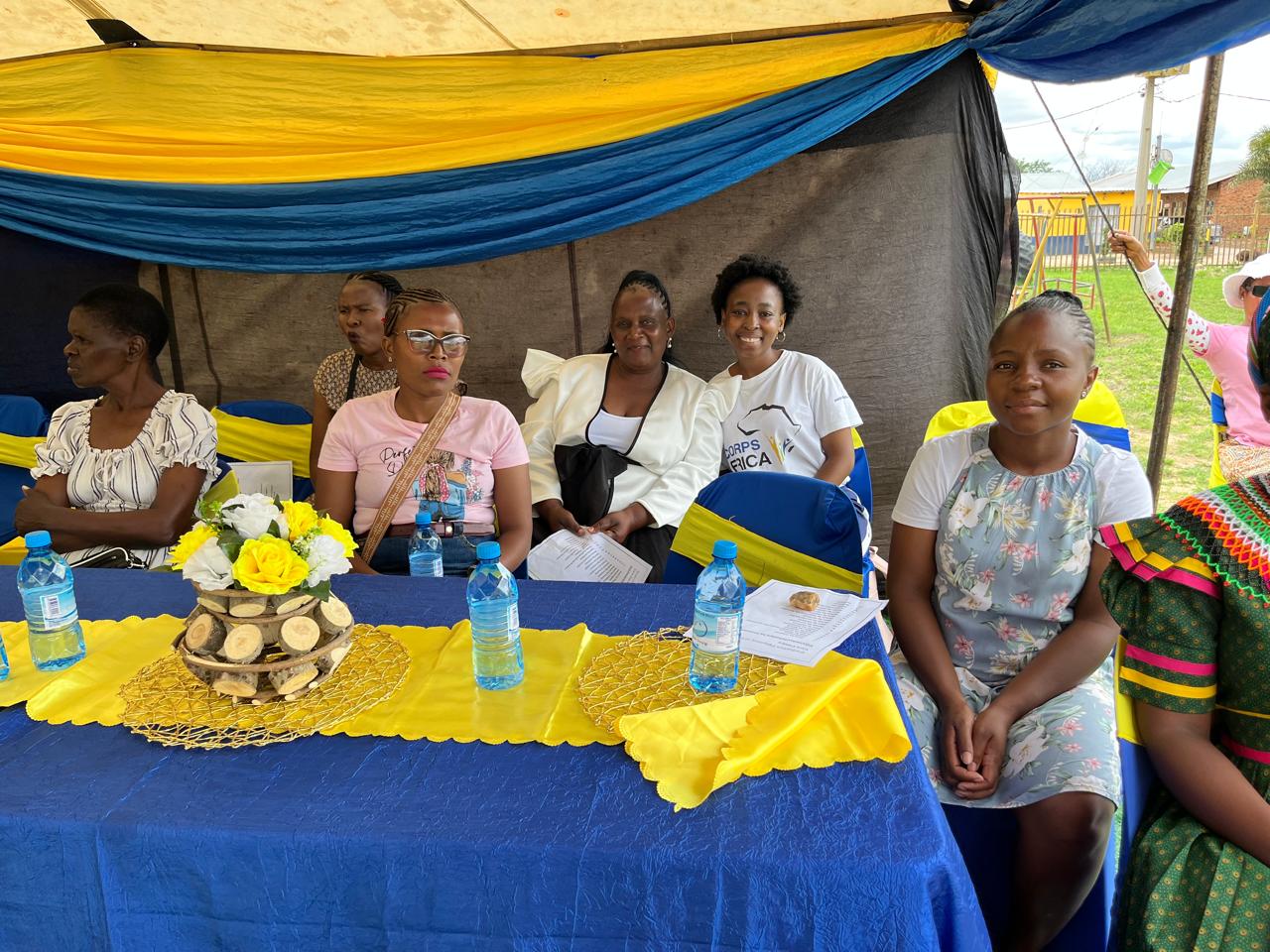
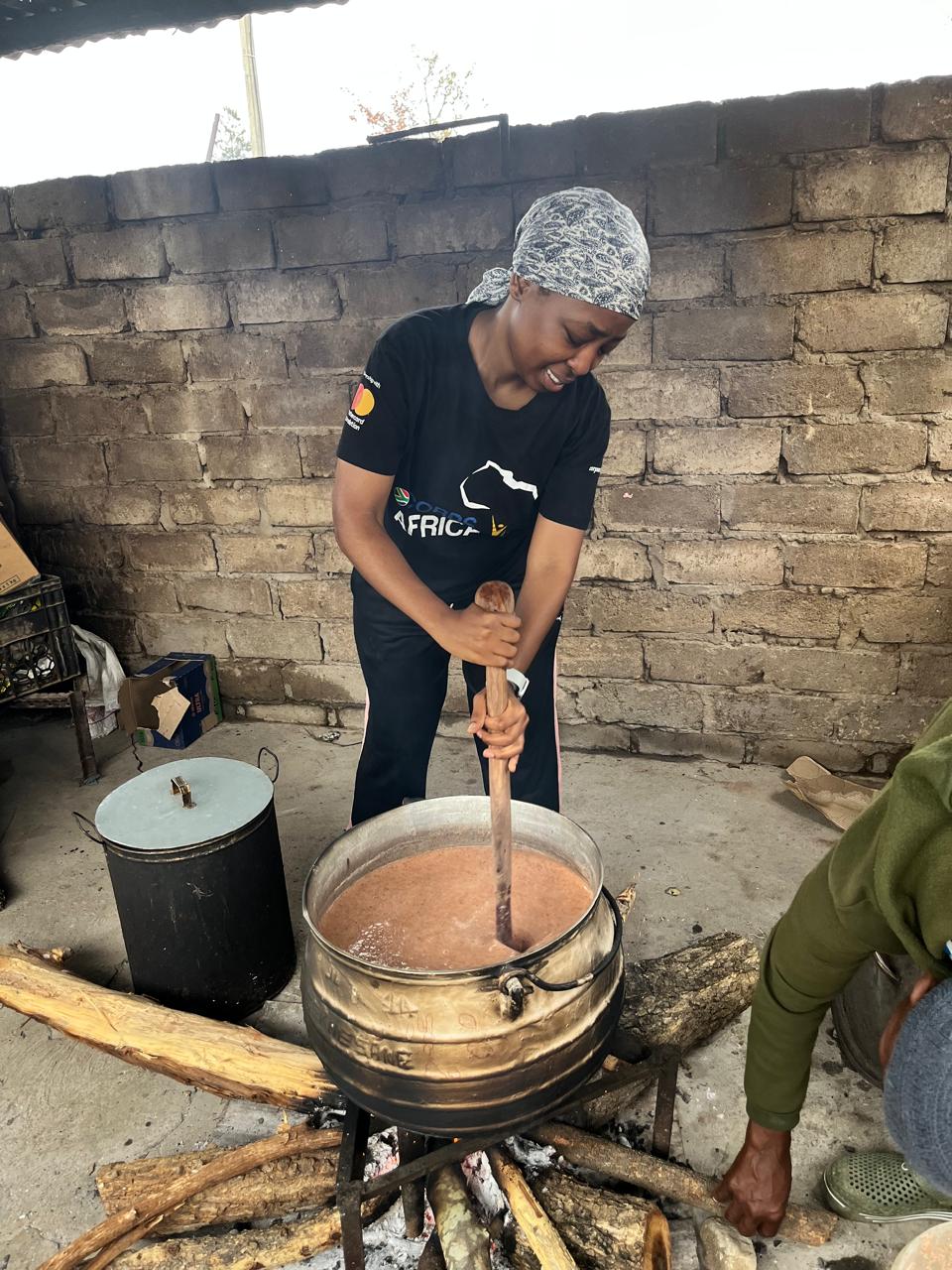
In my first weeks, much of my integration happened through helping at funerals and weddings. These were spaces where I met many community members and witnessed the importance of presence, support, and togetherness. The people of Jele truly show up for one another, and I have adopted that practice. No matter how small the event, I make it a point to show up, sometimes even uninvited.
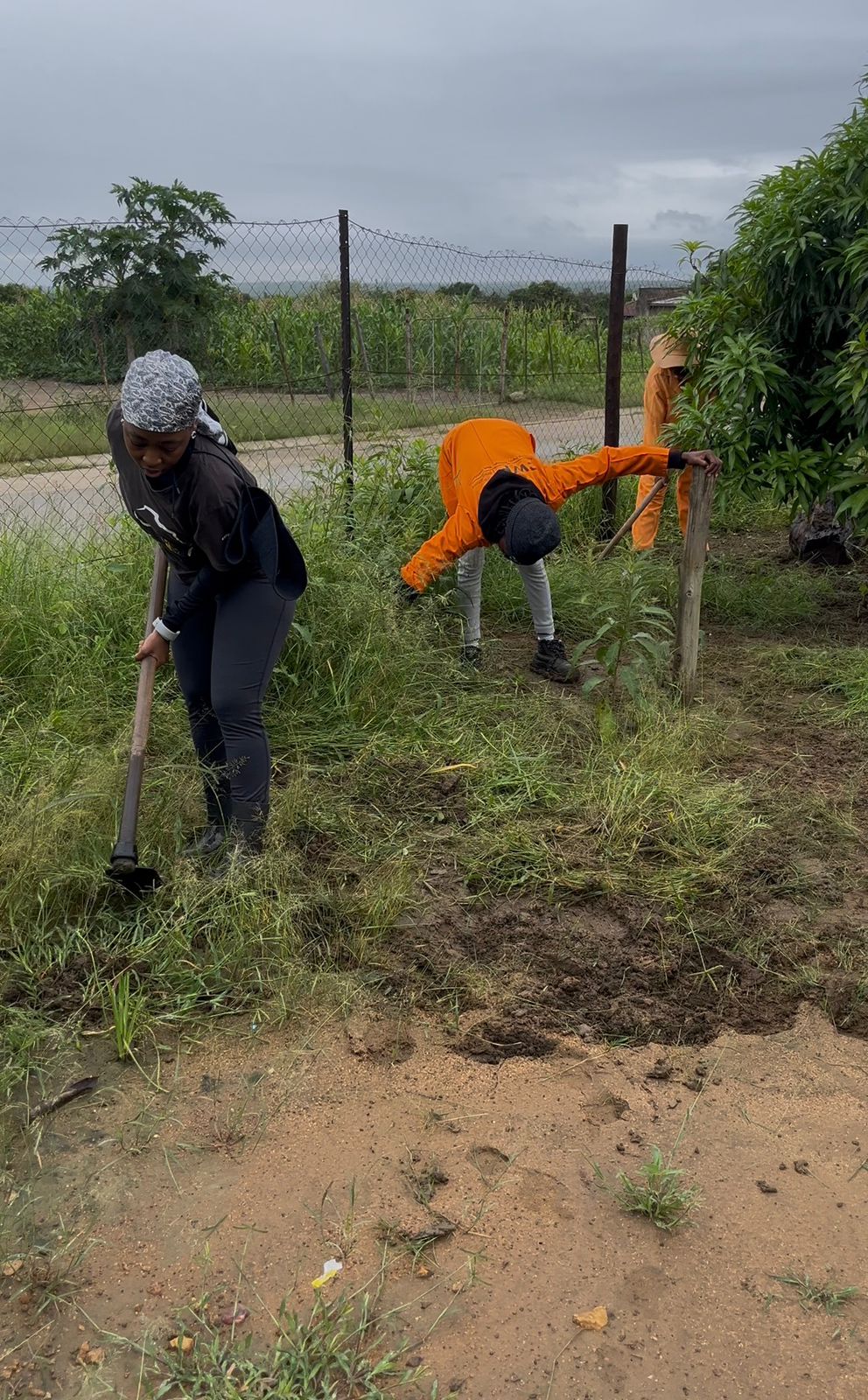
Integration has also meant showing up without expectation. I have learned that consistency matters more than big gestures. Even the simplest acts, being present, helping my host mother plant, or sharing meals, build trust over time. Community members can sense when support is driven by personal gain, so I have tried to engage with sincerity.
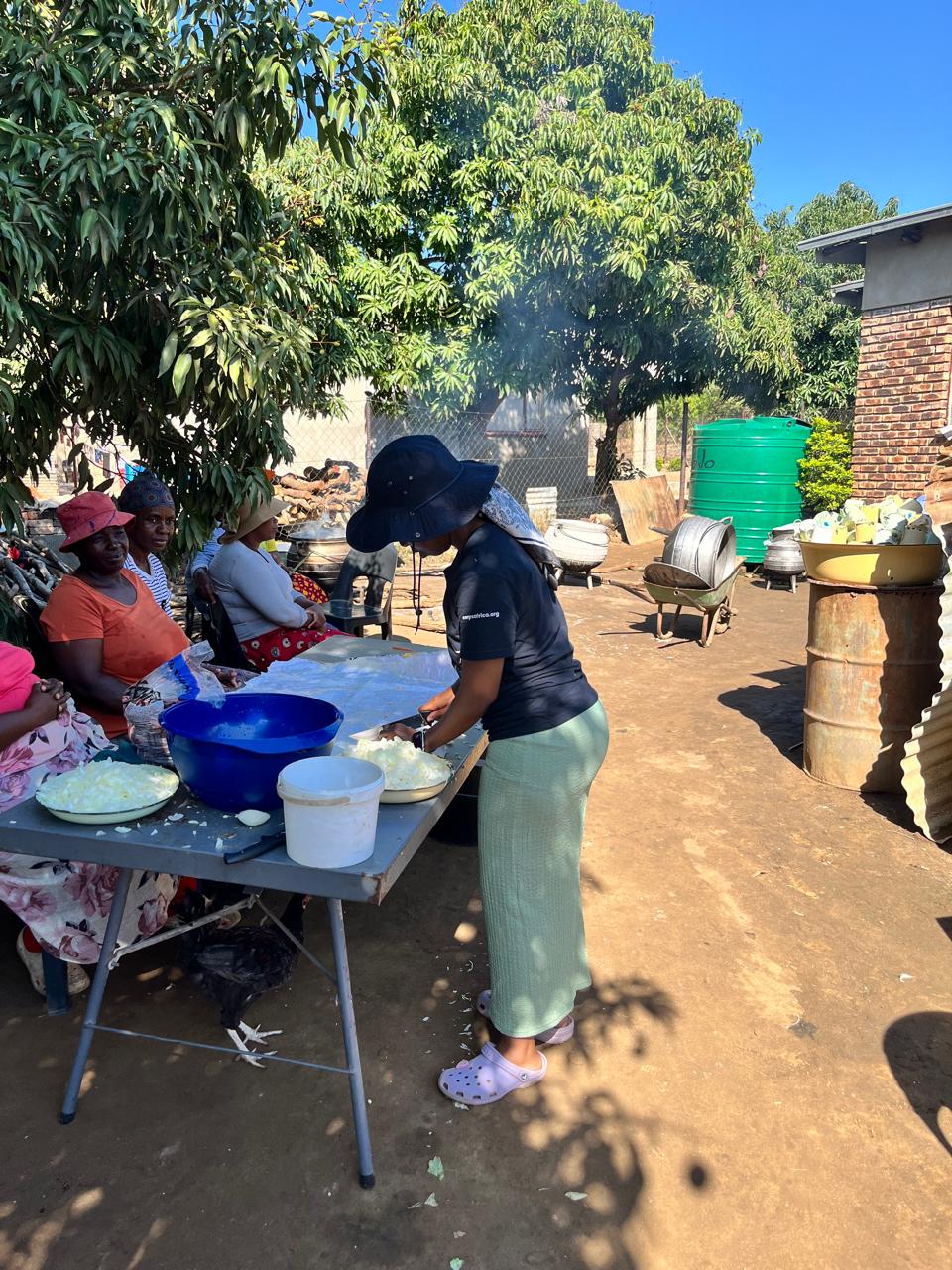
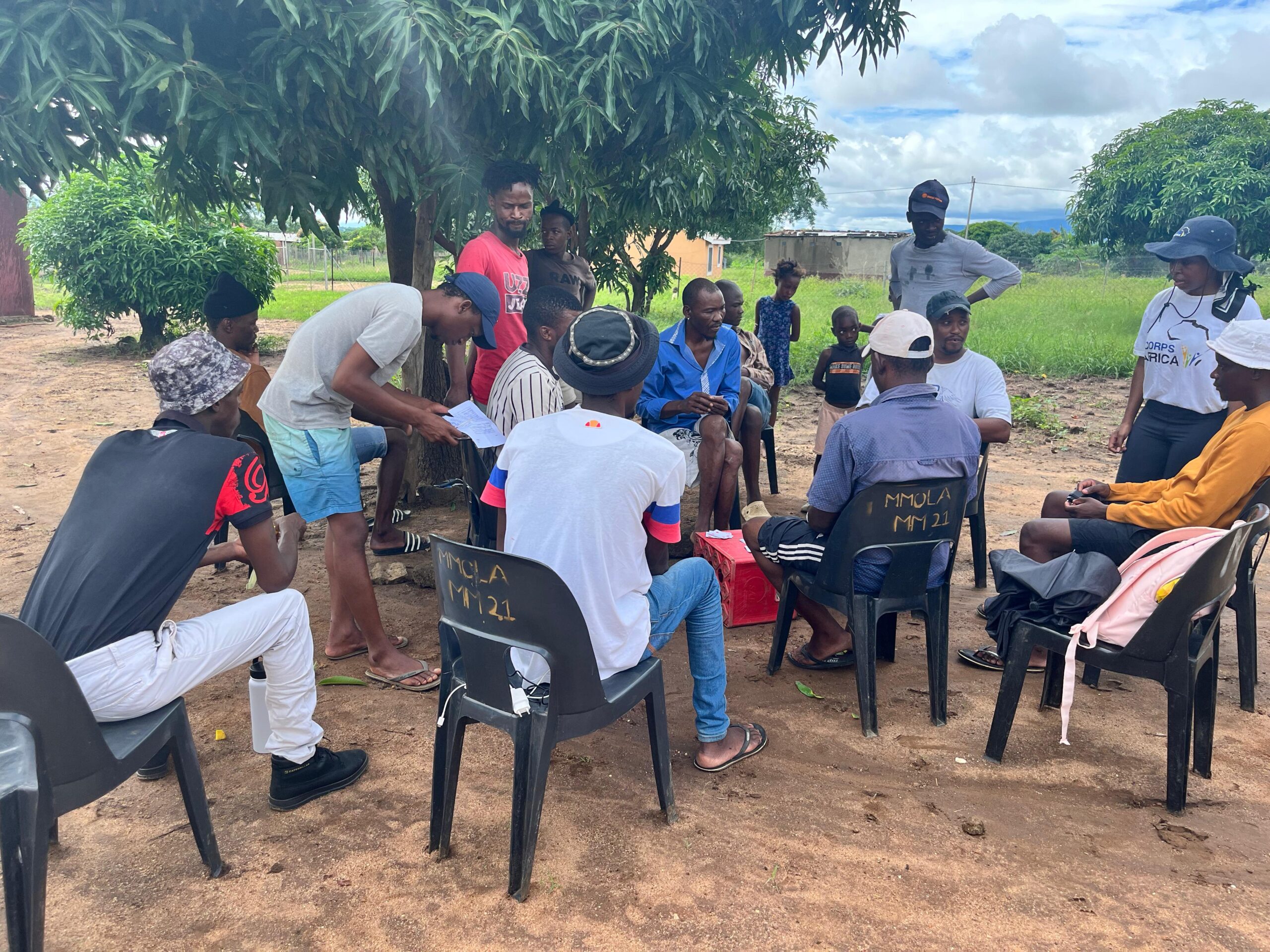
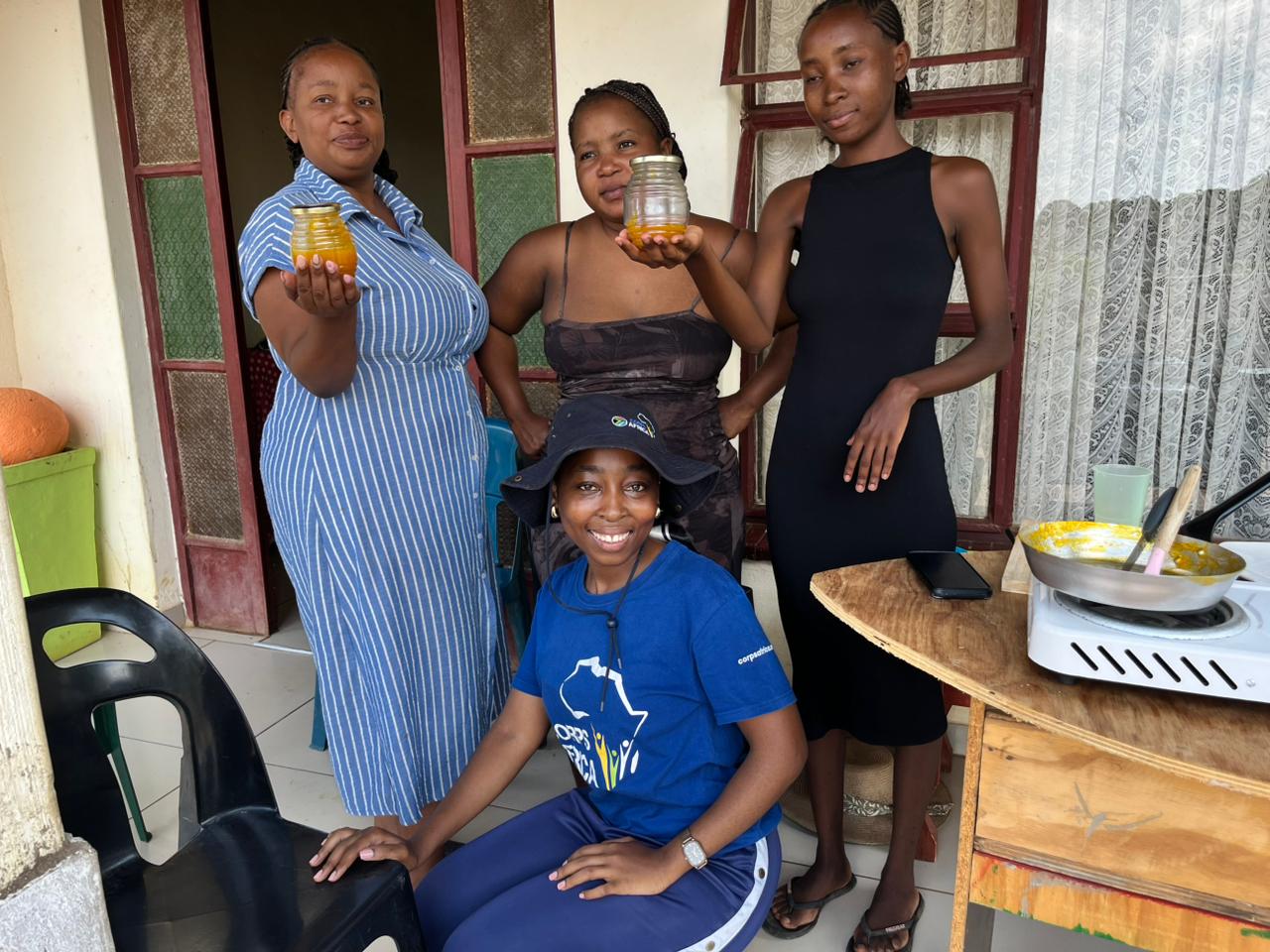
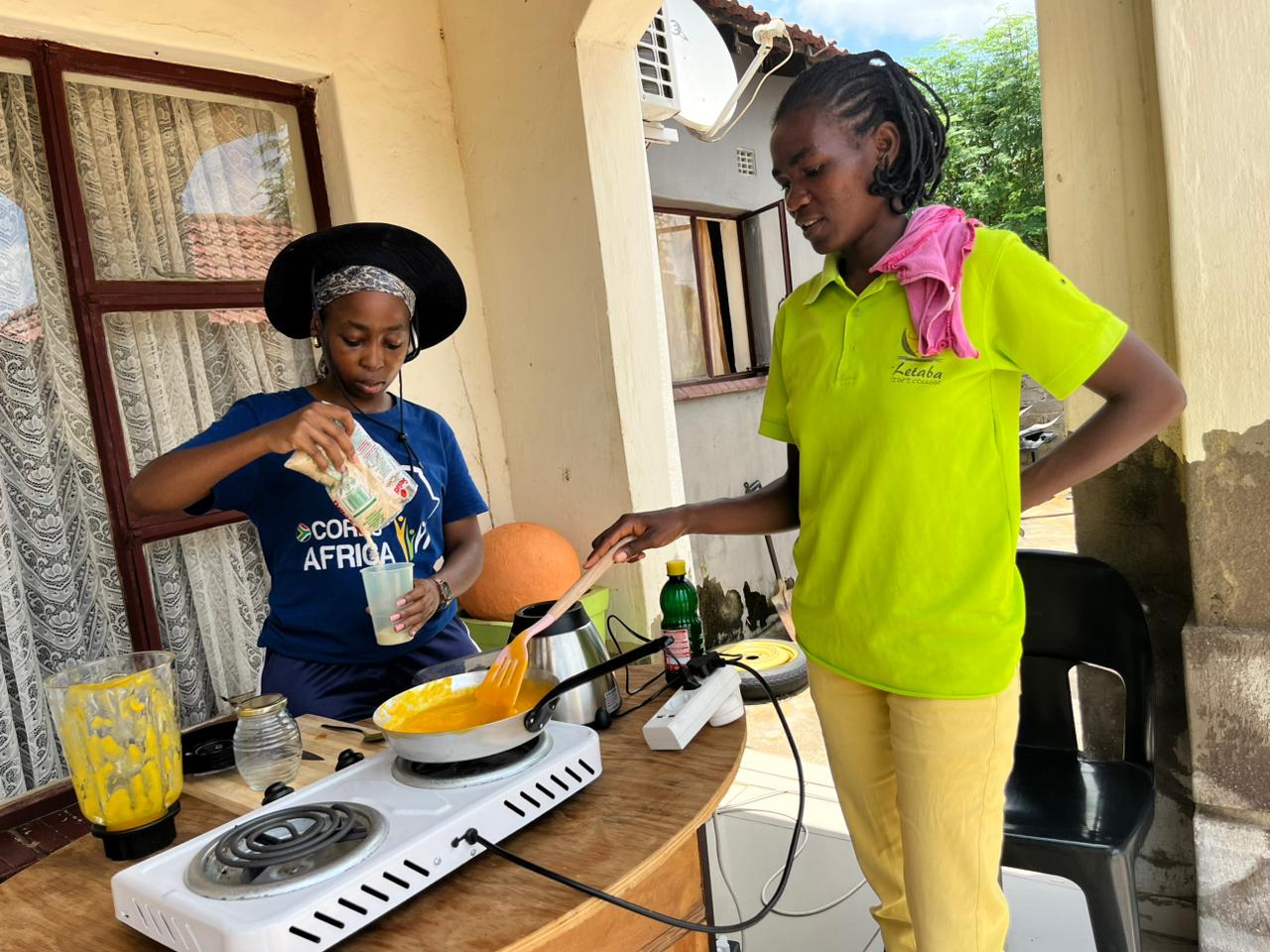
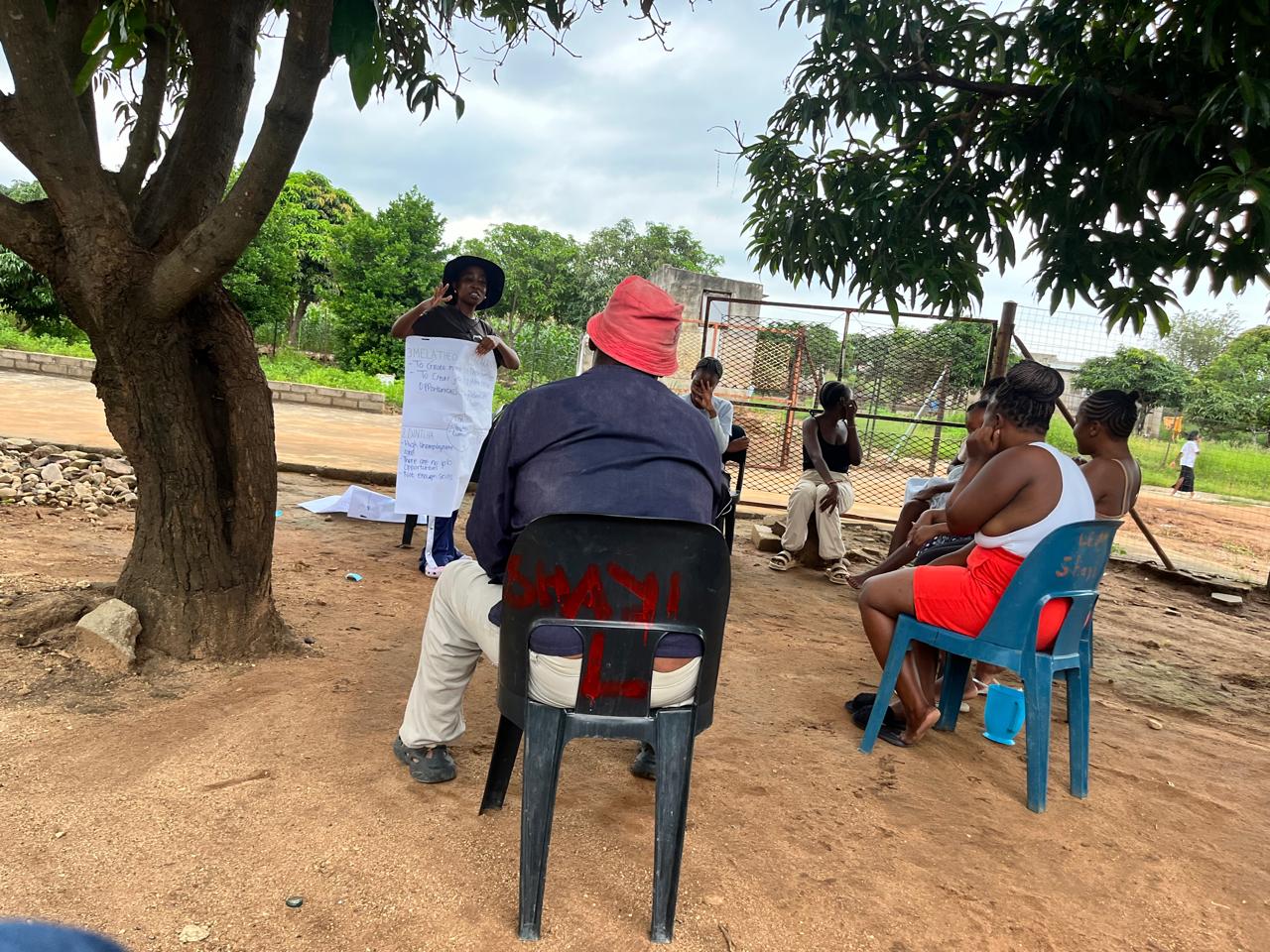
I began showing up to assist the Community Workers Programme group, initially at random. Even though I had my own struggles adjusting, they welcomed my presence. I may not have gained something material, but I gained something meaningful: conversation, inclusion, and connection.
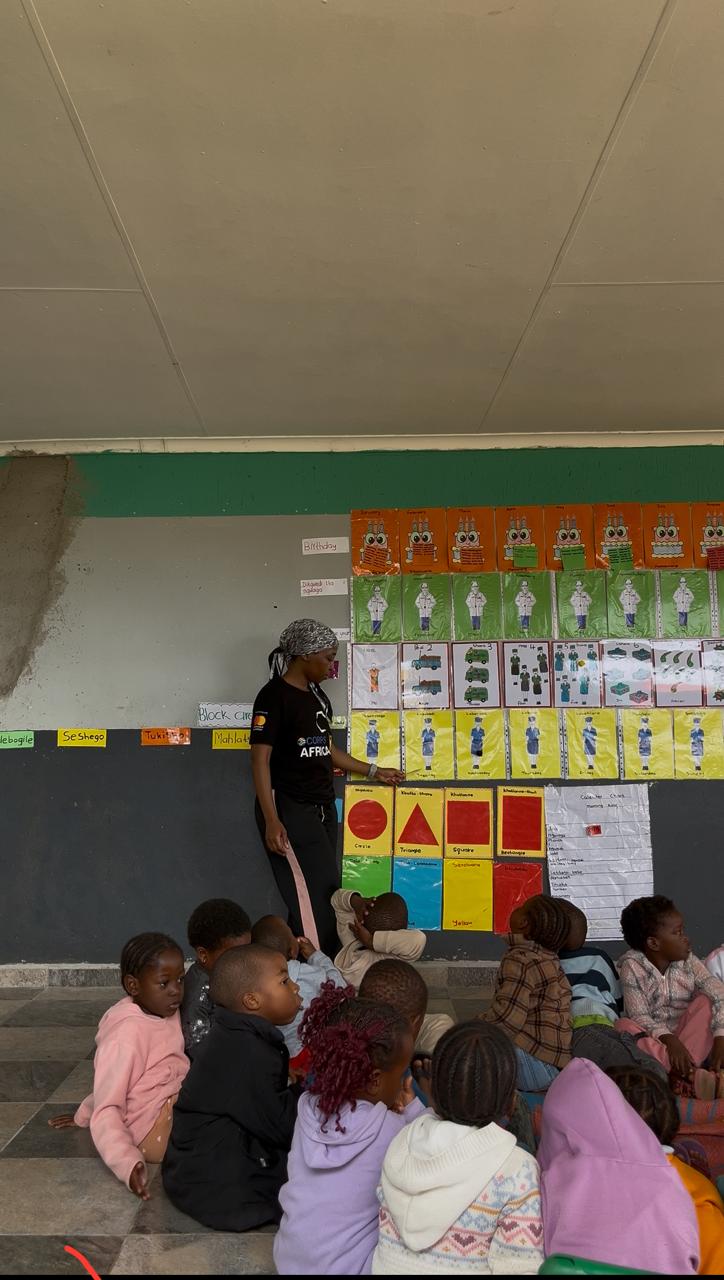
At other times, I volunteered at the local pre-school, helping supervise children, prepare meals, and clean. Sometimes, simply listening to community members and holding space for their challenges is enough.
In the early weeks, I struggled to find a balance between being present and not becoming a nuisance. I wanted to connect, but I also wanted to respect people’s time and space.
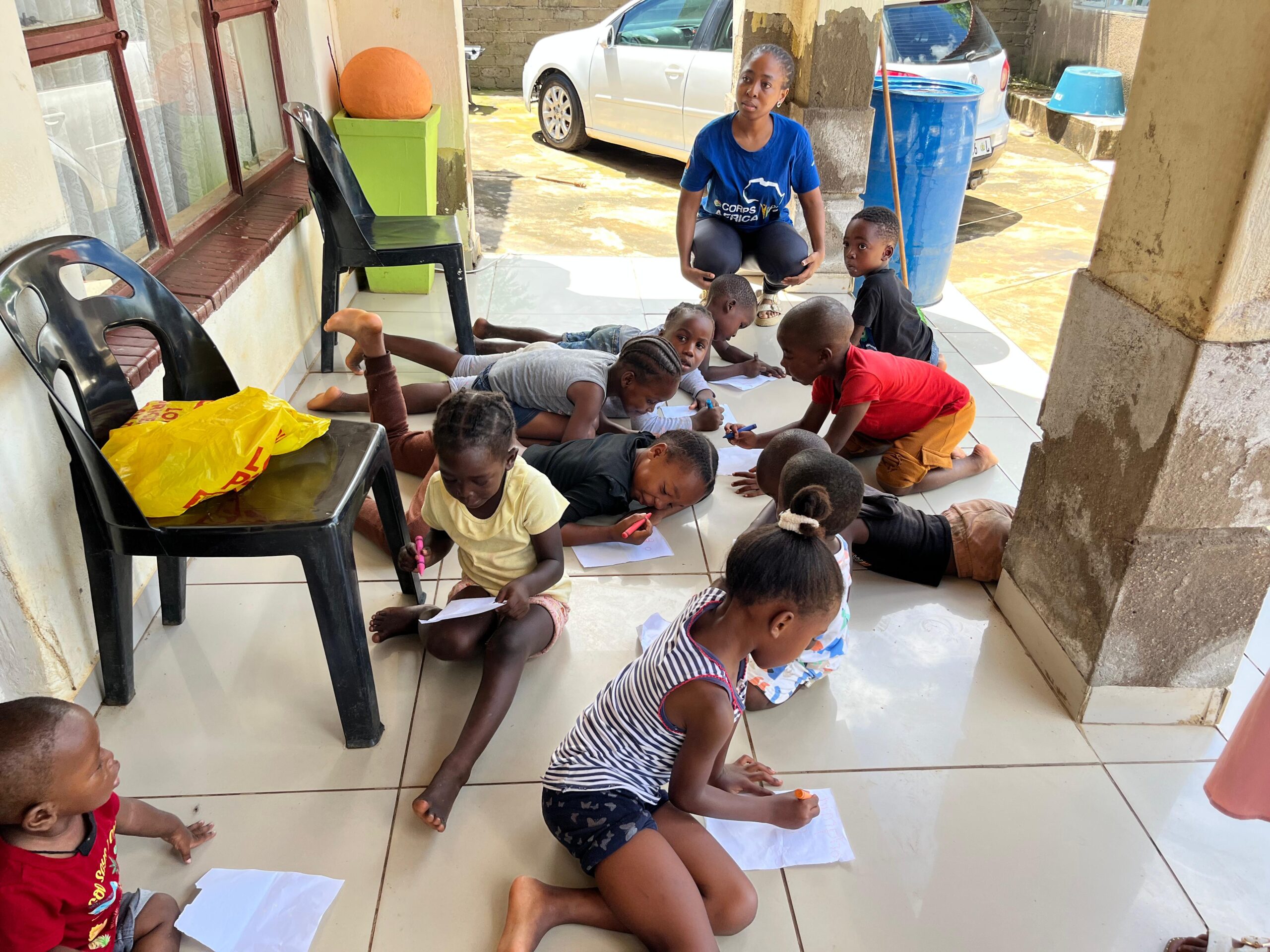
Interestingly, the children became my natural bridge to the broader community. They would come to play at my host family’s home, and I joined in their games. Eventually, we began drawing together with whatever materials we had. Now, they visit weekly for drawing sessions. I met the children before I met their parents. When they greet me excitedly in the streets, it opens opportunities to introduce myself to their families. Those small, organic moments have created meaningful connections.
I believe I have built strong relationships so far, but I understand that integration never truly ends. It is an ongoing process. I will continue showing up, whether at funerals, weddings, or community gatherings.
If Jele has taught me anything, it is that integration is not a single moment where you suddenly feel like you belong. It is built slowly through patience, humility, and consistency. It lives in small actions: greeting people, sitting and listening, offering help, and being willing to learn even when you feel uncertain.
I am still learning. I am still finding my way. But I am grateful for the kindness and openness I have been met with. Every day, I understand more deeply that integration is not about doing the most, it is about showing up consistently, with genuine respect, and allowing relationships to grow naturally over time.