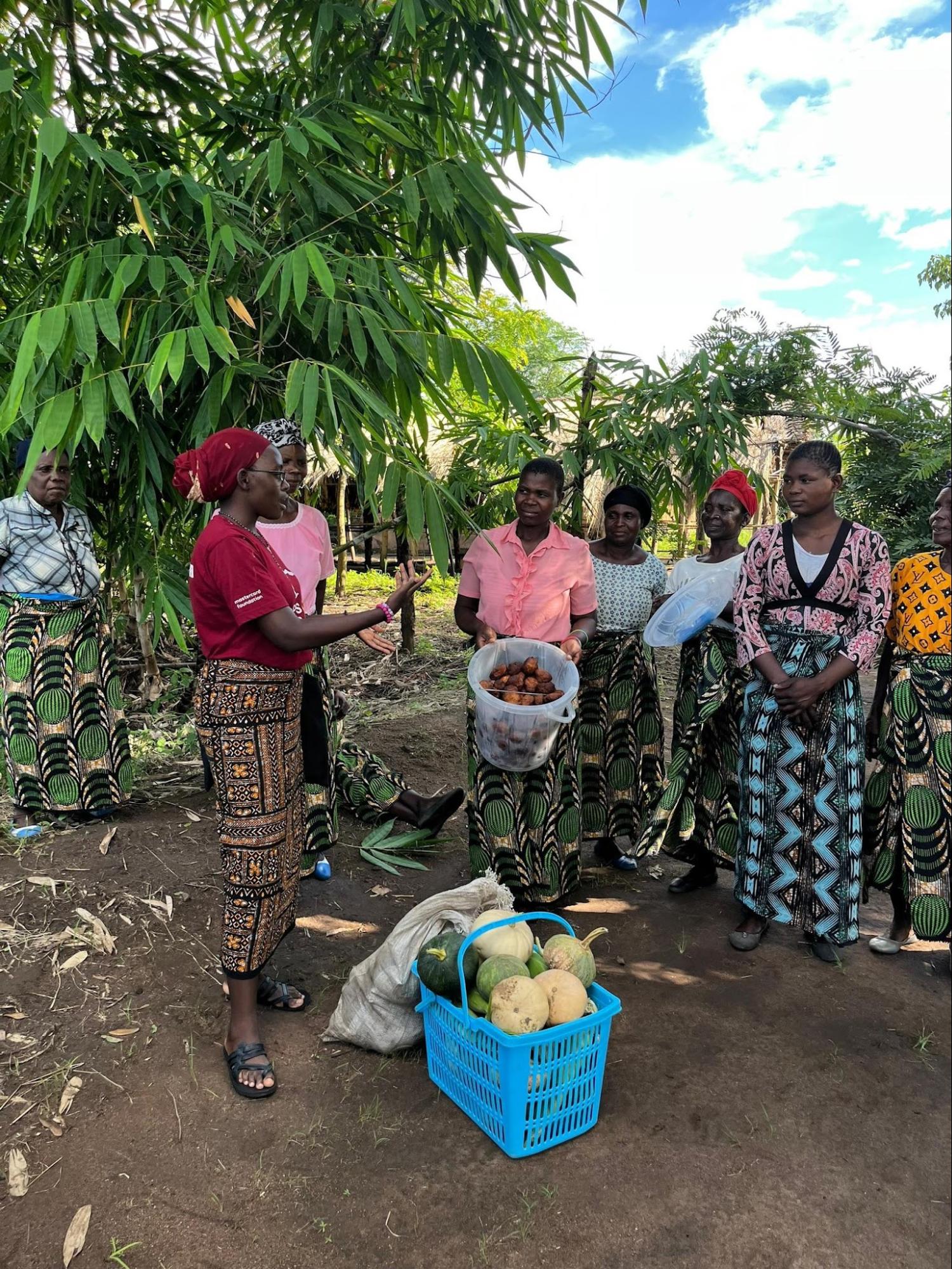
That question stayed with me throughout my time in Kachekula. Every day, I watched women wake up early, work hard, and do everything they could to support their families. They sold vegetables by the roadside, did seasonal ganyu labor, ran small businesses, and worked in their fields. Yet despite all that effort, many still struggled with low and unpredictable income.
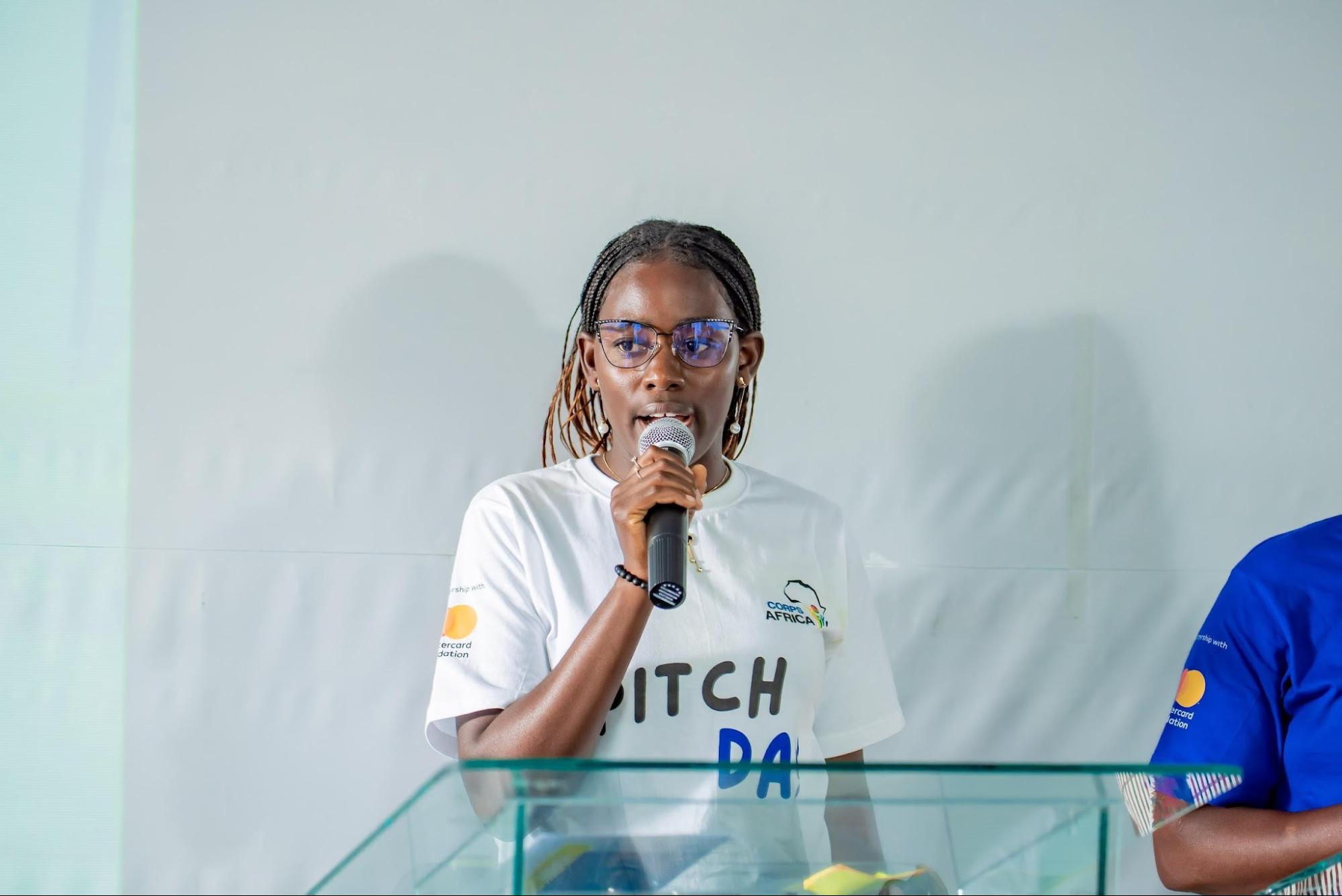
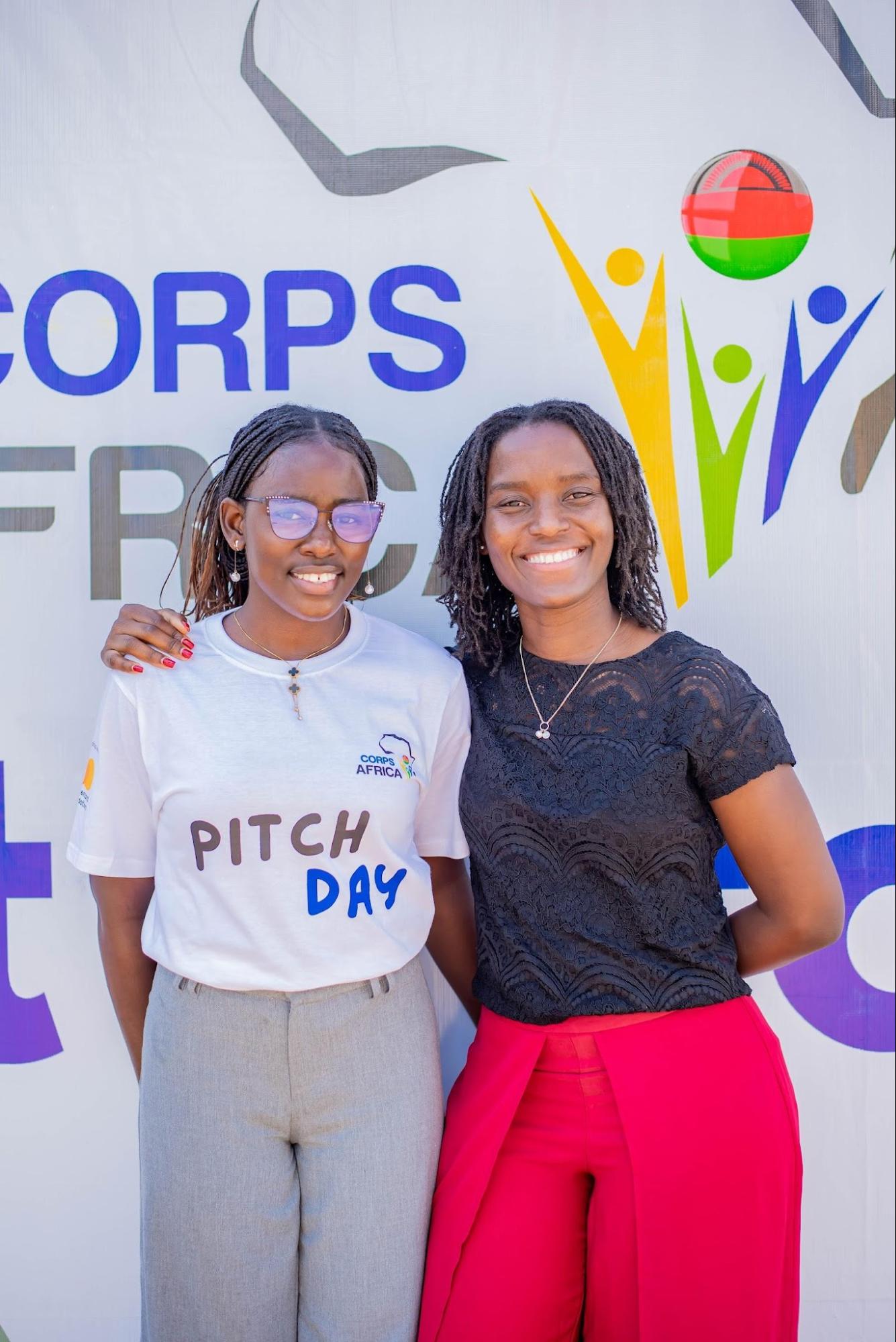
When my name was called on Pitch Day, that was the thought I carried with me as I walked toward the stage. I was not standing there to present a project alone. I was standing there to share the story, resilience, and hopes of women in Kachekula.
Serving in Kachekula changed the way I understand resilience. When I first arrived, I quickly saw that the women in the community were not lacking determination or willingness to work. What they lacked were stable opportunities to turn their effort into something more secure and sustainable.
One thing that stayed with me was how many women spoke about income in terms of survival. The focus was often on managing today, finding money for food, school needs, or household expenses. There was very little room to think beyond that. It was not because they lacked ideas or ambition. The challenge was limited access to opportunities that could create consistent income and long-term growth.
The idea for sunflower oil production came from the community itself.
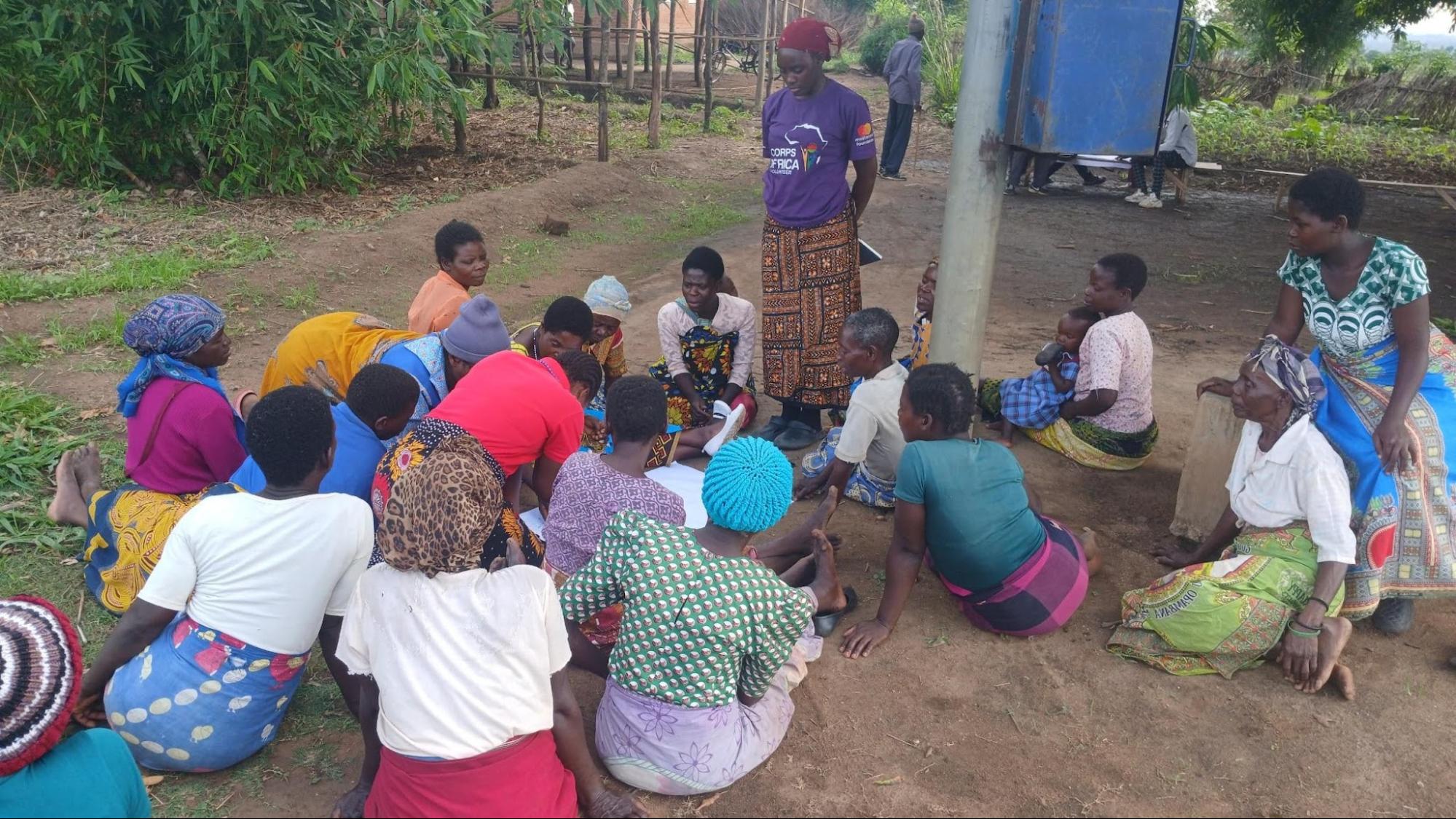
During one of our meetings, we were discussing local challenges, available resources, and possible opportunities. As women reflected on daily household needs, one of them said, “We buy cooking oil all the time, but why can’t we produce our own?”
That simple question changed the direction of our conversation.
From there, the women began discussing what could make it possible. They talked about sunflower seeds, the local market, how they could organize themselves, and how the business could be managed. My community counterpart and the women’s group played a critical role in shaping the idea. What I appreciated most was that it was practical, community-owned, and rooted in what the women already knew and believed could work.
Developing the proposal was not always easy.
There were days when I felt overwhelmed. Turning community conversations into a clear proposal meant working through budgets, timelines, activities, and many rounds of revision. Sometimes I thought I had finished, only to realize there was still something that needed to be improved. There were moments when I questioned myself—Was the idea clear enough? Was I presenting it strongly enough?
Preparing for Pitch Day brought a different kind of pressure. Understanding the project deeply was one thing. Communicating it clearly in only a few minutes was another. I had to think carefully about what mattered most and how to tell the story in a way that would help others understand why it mattered to Kachekula.
Through that process, I learned something important about myself. I learned that I can carry responsibility even when I feel uncertain. I also learned that confidence does not always come before action—sometimes it grows while you are already doing the work.
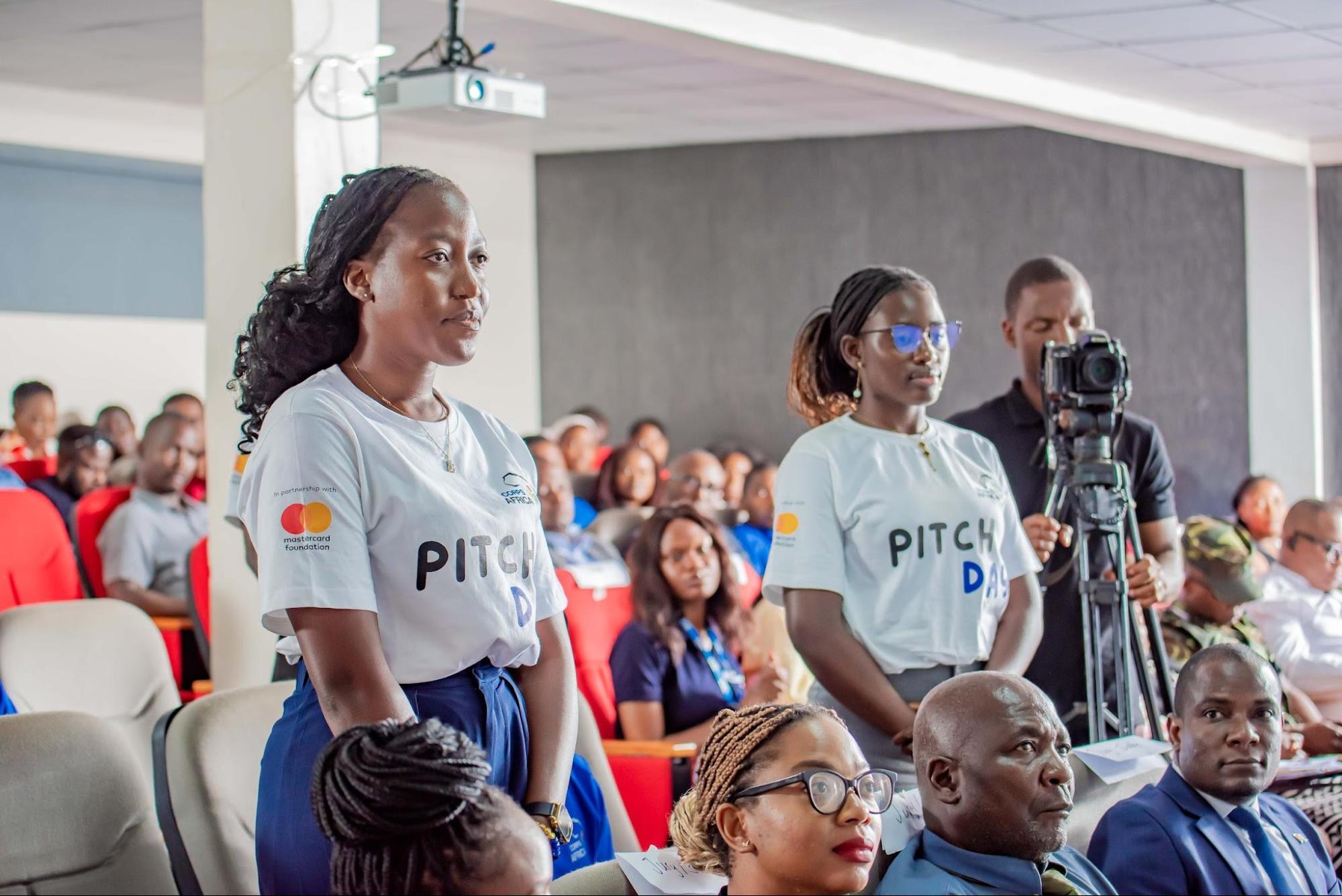
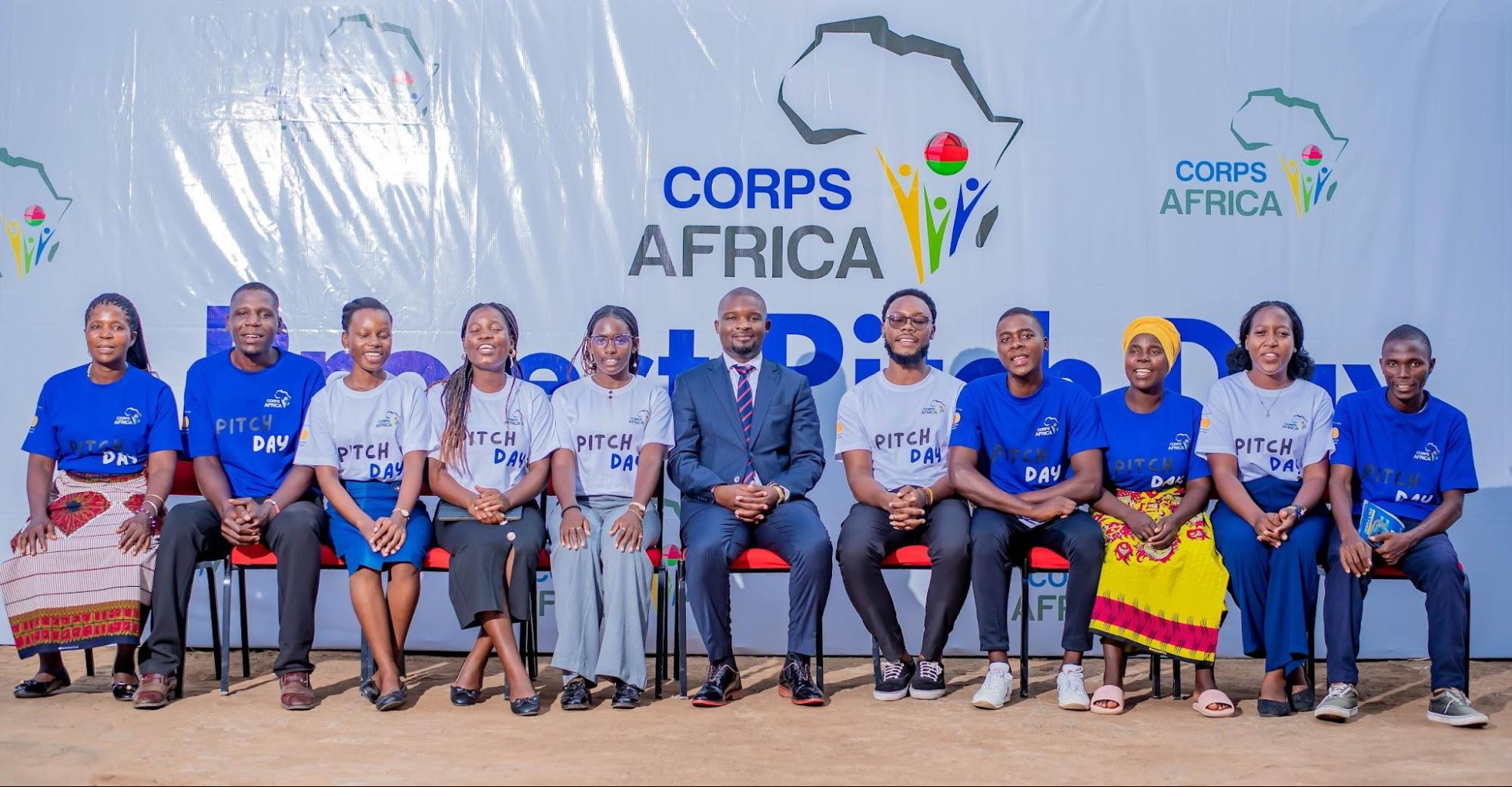
On Pitch Day, the room felt full of energy and anticipation. There were government officials, development partners, business leaders, fellow Volunteers, and people who care deeply about community-led development. As I waited for my turn, I could feel my heart beating faster.
When I stepped onto the stage, I took a deep breath.
The moment I started speaking, something shifted. I stopped thinking about whether I was nervous. I stopped thinking about myself. I focused on the women in Kachekula and the journey that had brought us there.
One of my favourite moments was looking up and seeing people listening closely. Some were nodding. Some were taking notes. At that moment, I felt that the story was being heard.
After the pitch, one of the women from the community said something that stayed with me: “This project gives us hope because it means we can depend more on our own effort.”
That meant a lot to me because it captured the heart of the project. It is not only about sunflower oil. It is about creating a path toward more stable income, confidence, and greater ownership over their future.
Pitch Day reminded me that community solutions are powerful because they come from lived experience. My role was not to bring an answer. It was to listen, to learn, and to help create space for the community’s own ideas to be seen and heard.
This experience strengthened my confidence, communication, and leadership. It also taught me patience. If I were to do it again, I would trust the process earlier and spend more time practicing how to tell the story simply and clearly.
Looking ahead, I hope this project creates more than income. I hope it helps women in Kachekula build confidence, strengthen their livelihoods, and see new possibilities for themselves and their families. I also hope it creates a reliable market for local farmers and strengthens the local value chain.
What I carry from this experience is simple: communities already have ideas, knowledge, and determination. Sometimes what they need most is support, trust, and the opportunity to turn those ideas into action.