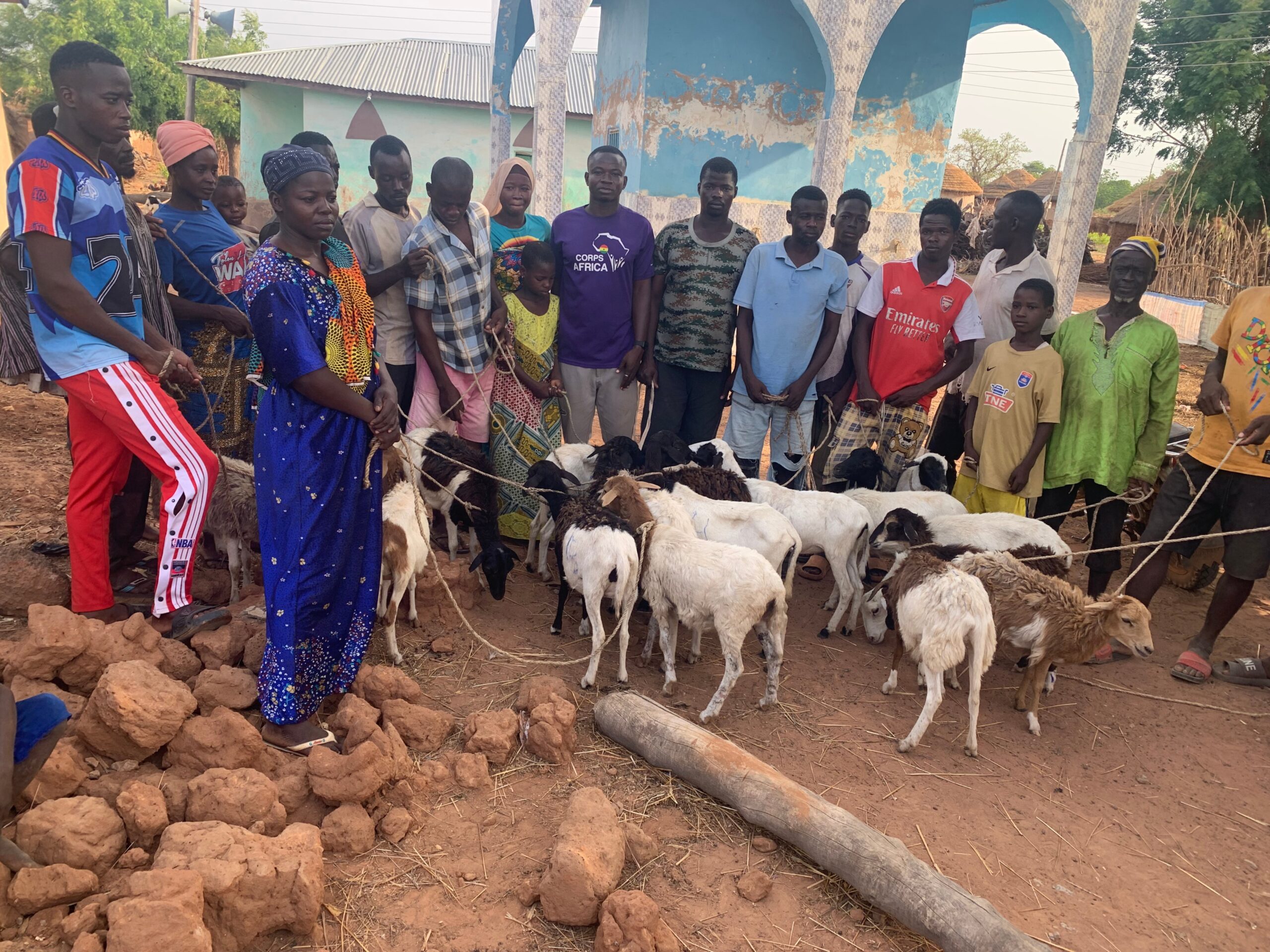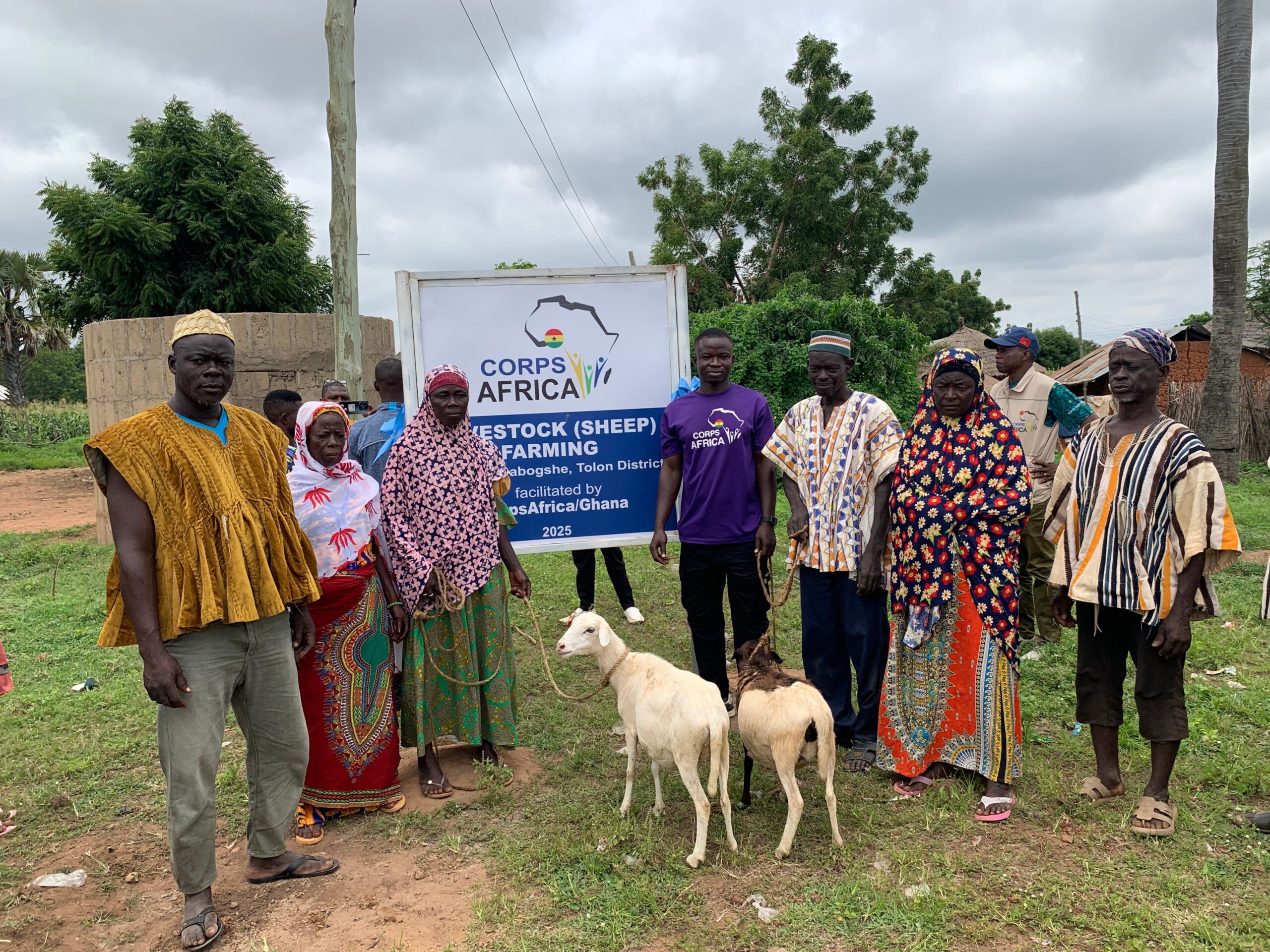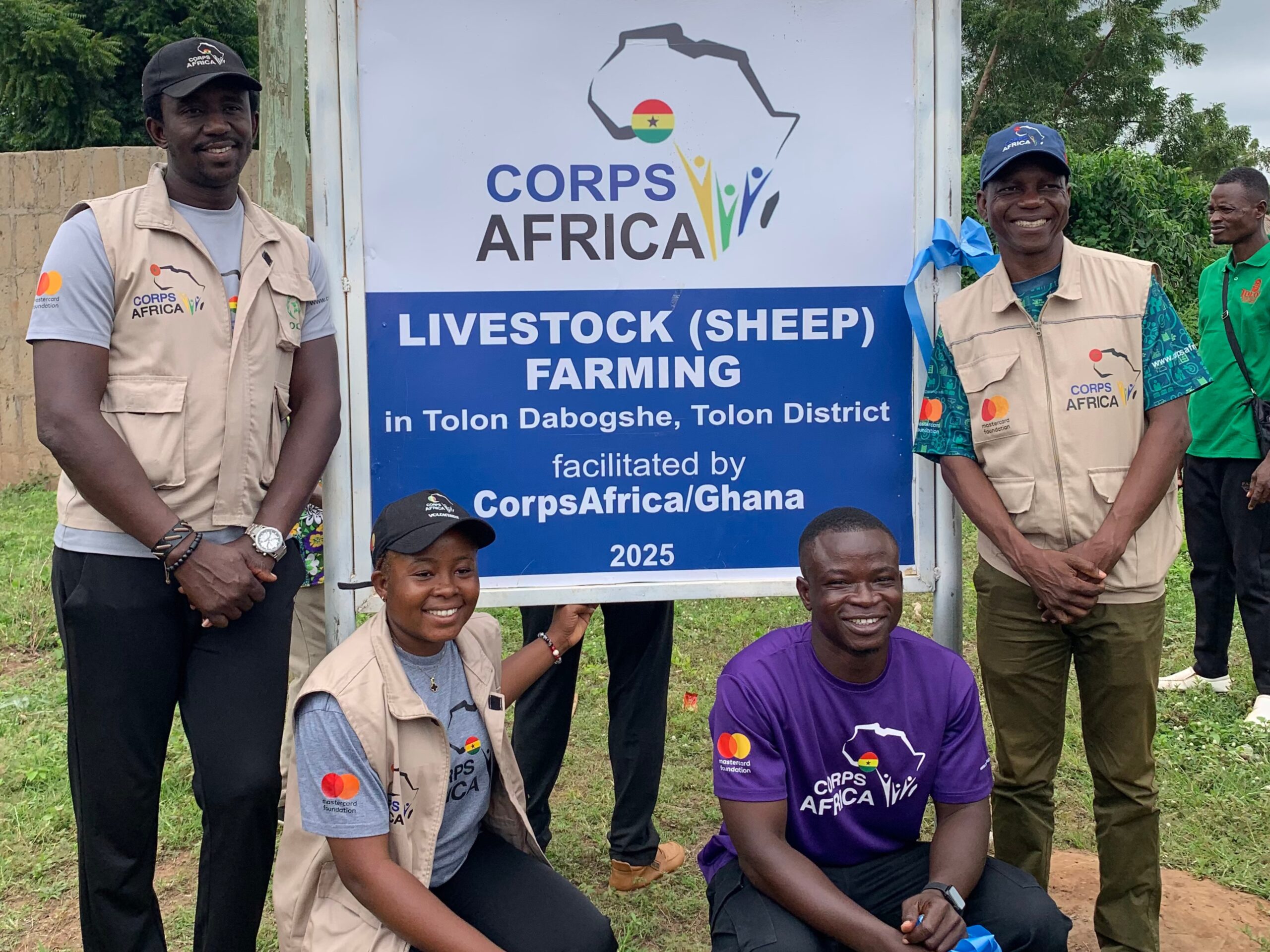
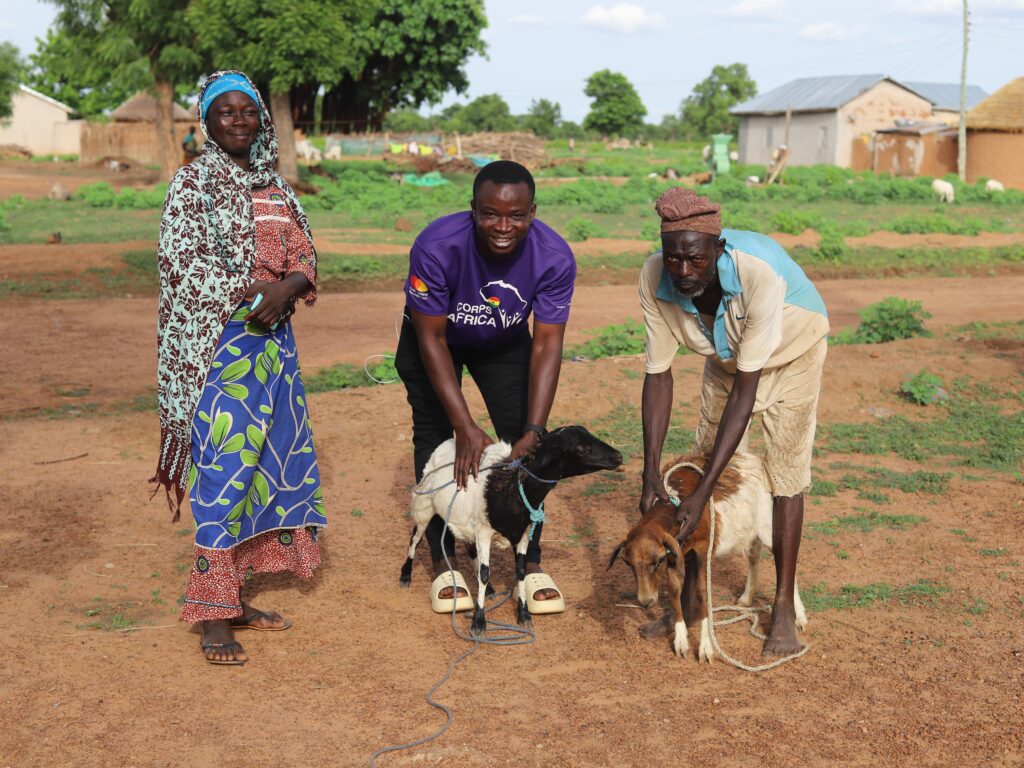
The Dabogshei Sheep Rearing Project was designed to tackle the persistent poverty and food insecurity in Dabogshei, a farming community heavily dependent on rain-fed agriculture. For years, erratic rainfall and declining soil fertility had left farmers vulnerable to crop failure, reducing household income and deepening economic instability. Recognizing the need for a sustainable, climate-resilient alternative, the community, in partnership with CorpsAfrica/Ghana, launched a sheep-rearing initiative aimed at diversifying livelihoods and improving long-term resilience.
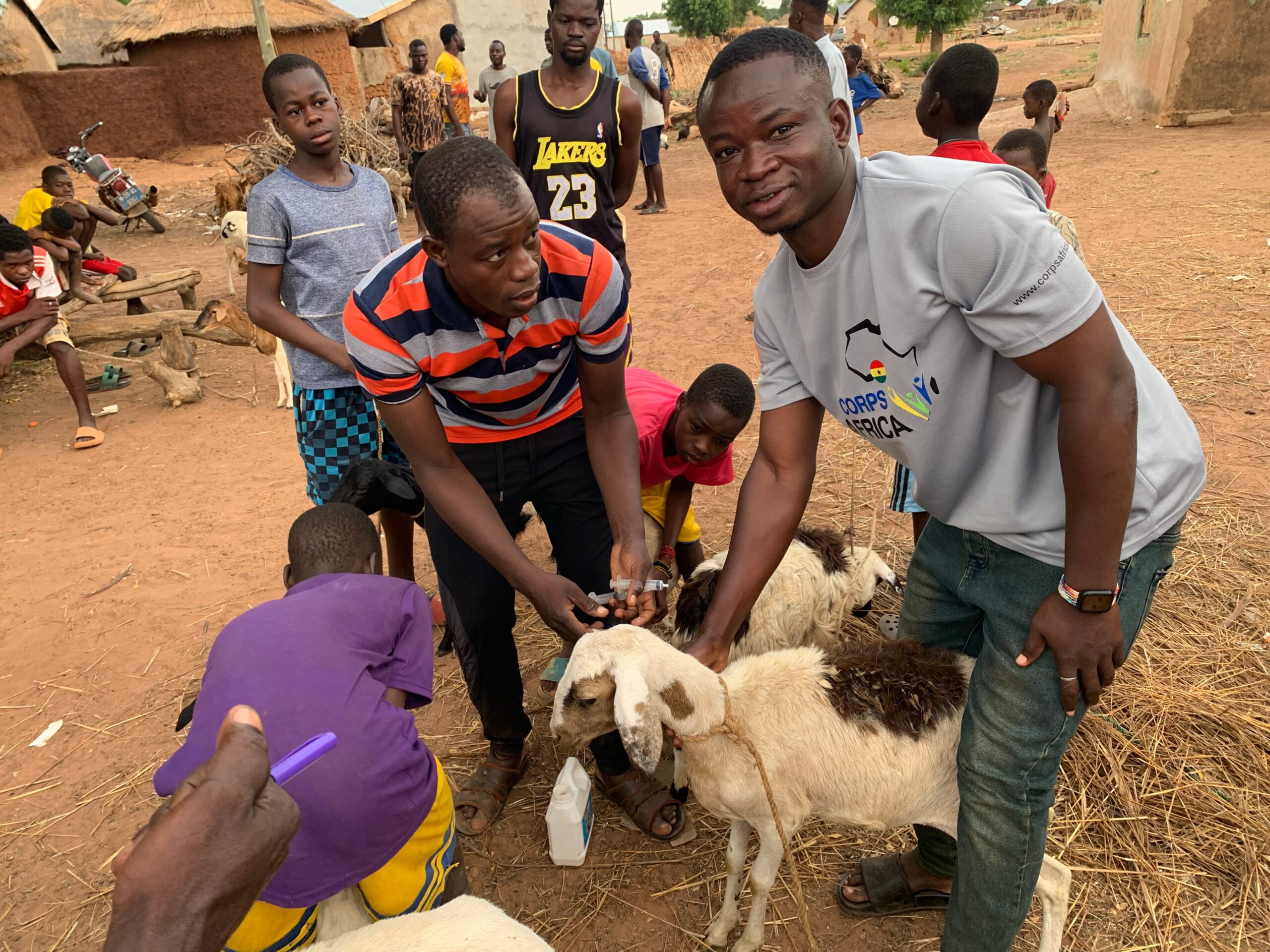
Through a participatory approach, the project targeted 50 households, representing around 250 direct beneficiaries with a focus on empowering families to supplement crop farming with livestock production. Each beneficiary received training in modern sheep management practices, two healthy sheep, veterinary support, and access to feed and medication. Over one month, the initiative equipped households with the skills and resources needed to raise and manage their livestock efficiently while ensuring animal health and productivity.
Community ownership was central to the project’s success. Beneficiaries contributed both funds and labor, while a Project Committee; composed of local farmers, youth, and women representatives was established to oversee operations, coordinate feeding and vaccination schedules, and ensure transparency in management. The community also created a cooperative sales model, allowing farmers to sell sheep collectively during high-demand seasons such as Eid, maximizing profits and market access.
Throughout implementation, several unforeseen challenges emerged, including fluctuating veterinary drug prices and security concerns over livestock theft. These were effectively addressed by partnering with two additional local veterinarians for regular check-ups and establishing a community watch team to protect the animals. Additionally, the project introduced a manure utilization system where sheep waste was used as organic fertilizer, reducing farm input costs and improving crop yields, creating a circular benefit that strengthened household food security.
Within months, the results were remarkable: 90% of households reported improved food security, and average income rose by 22%, surpassing the initial 20% target. Beyond financial gains, the project instilled confidence, unity, and a renewed sense of self-reliance in the community. The integration of livestock farming has made Dabogshei less vulnerable to climate shocks, more economically resilient, and better positioned for future development opportunities.
Ultimately, the Dabogshei Sheep Rearing Project stands as a model of community-led adaptation to climate change, empowering families to transform risk into resilience through practical, locally owned solutions.
CorpsAfrica addresses two of Africa’s most difficult challenges: engaging youth and helping rural communities overcome extreme poverty. We recruit and train motivated volunteers to live and work in rural, under-resourced areas in their own countries. They collaborate with the community to design and implement small-scale projects that address their top priorities and, by doing so, gain the skills and experience that lay the foundation for personal and professional success.
CorpsAfrica trusts youth and communities to help each other.