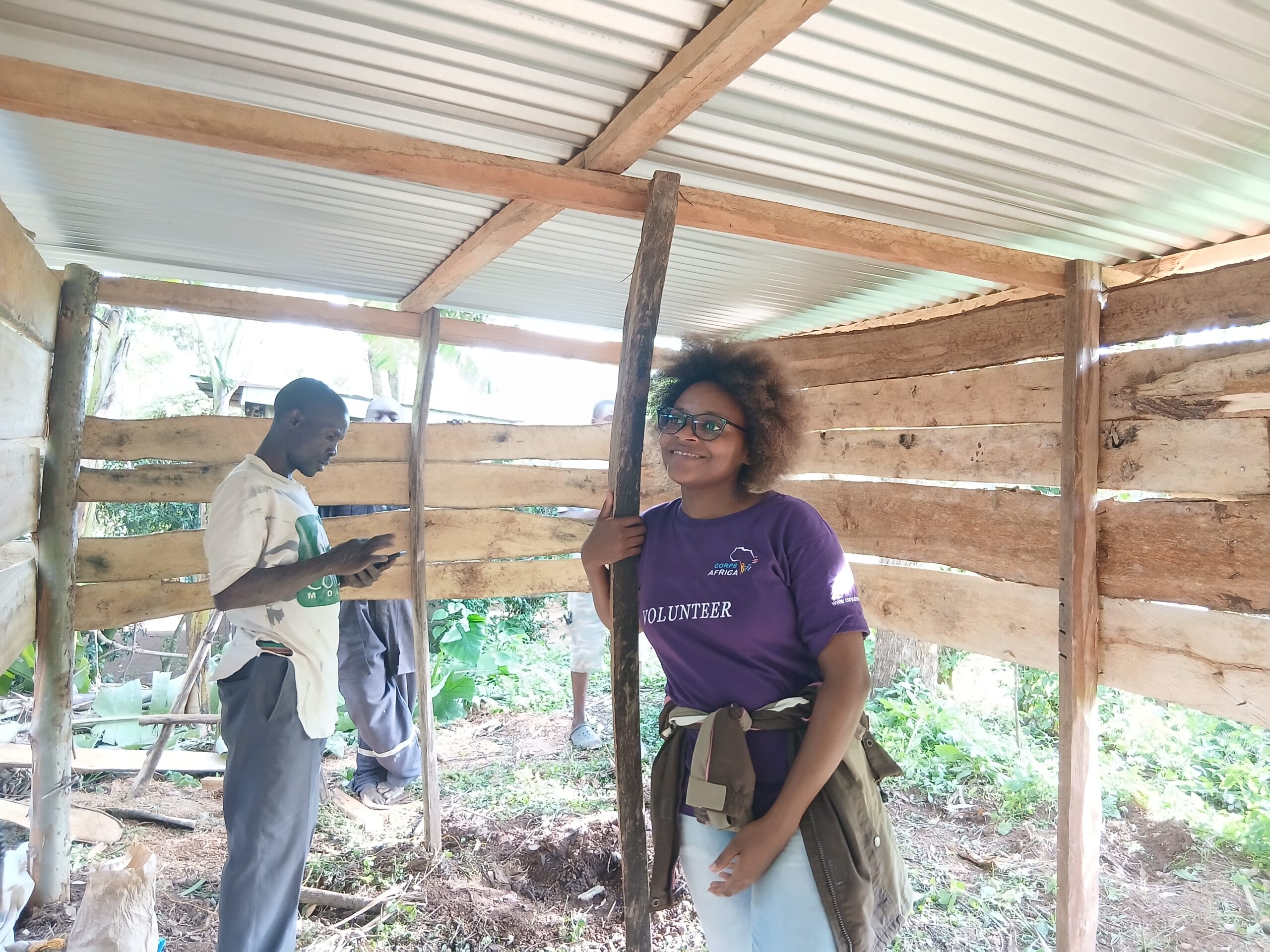
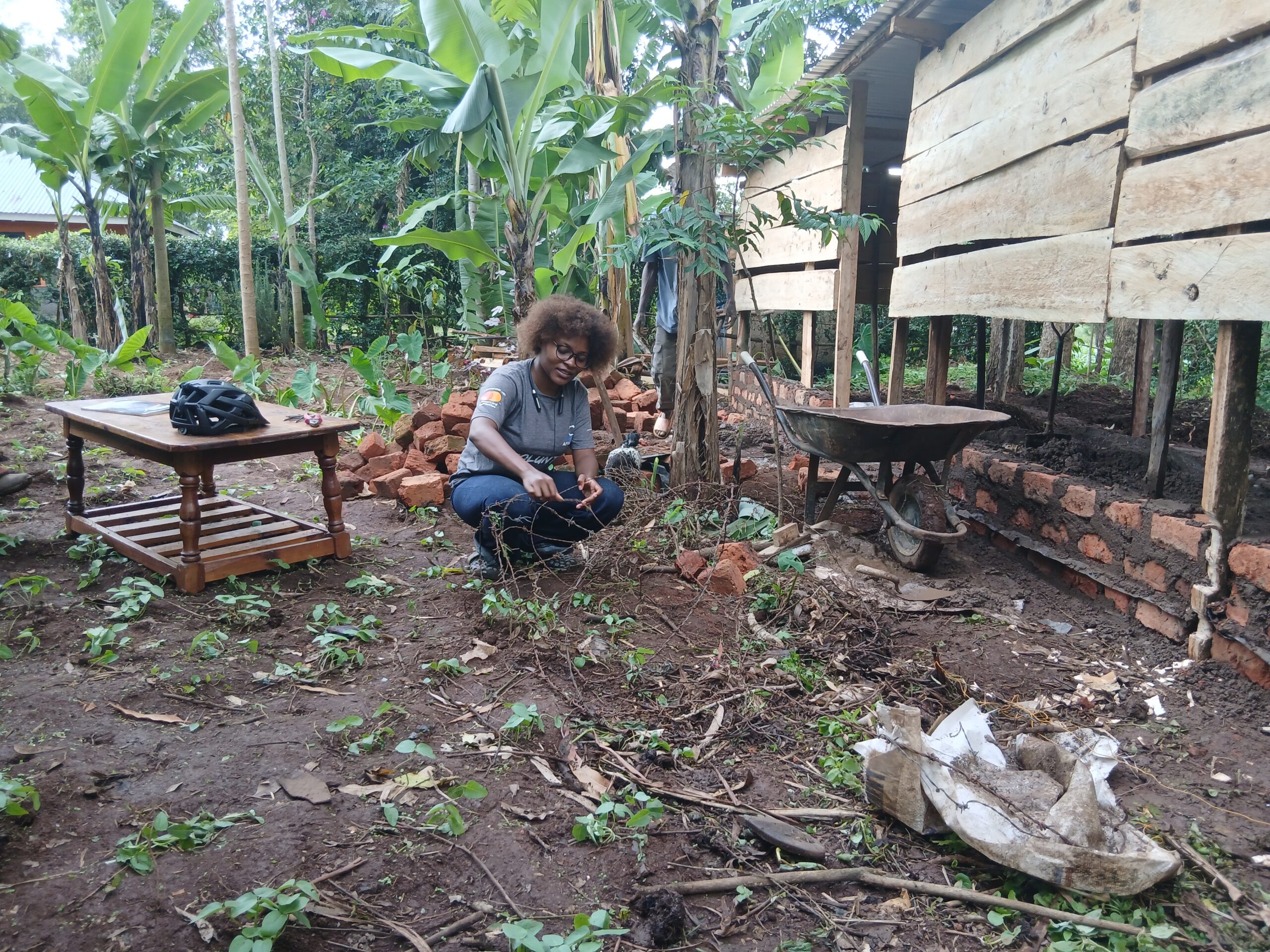
The pigsty stood unfinished for weeks.
Not because people didn’t care, but because life kept getting in the way. Time, resources, coordination, everything seemed to move slower than planned. Some days, only a few people showed up. Other days, progress felt almost invisible.
And quietly, a question lingered in the background: Will this actually be completed?
But the community kept showing up.
One brick at a time. One conversation at a time. One small effort after another.
Until one day, it was done.
No celebration, no big announcement. Just a completed structure standing there, quietly proving something important: when people take ownership, things move, even if slowly.
That same pattern showed up in unexpected places.
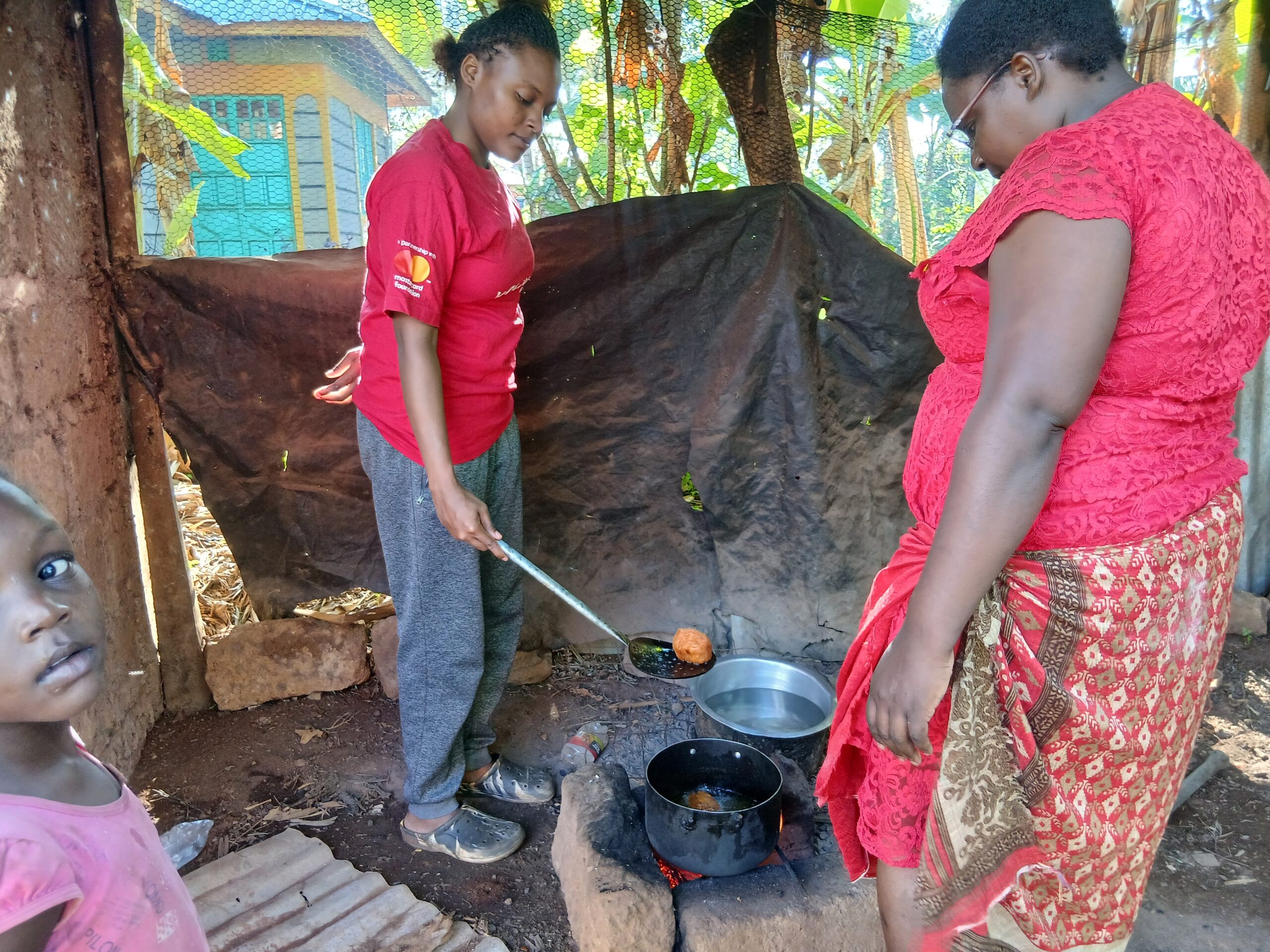
In Matoi, four youths gathered for what looked like a simple training, making crunchy half cakes. It wasn’t smooth. The first attempts didn’t go as planned. The texture was off. The results weren’t convincing.
There was laughter, but also hesitation.
You could almost hear the unspoken thought: Maybe this isn’t something we can do.
But they tried again.
Adjusted. Learned. Tried again.
And then it worked.
Not perfectly, but well enough to change something. One young woman didn’t just see a snack, she saw possibility. Within days, she was already thinking of turning it into a business.
That’s how change often begins, not with certainty, but with a small moment of “this might actually work.”
Meanwhile, in a women’s self-help group, something even more telling was unfolding.
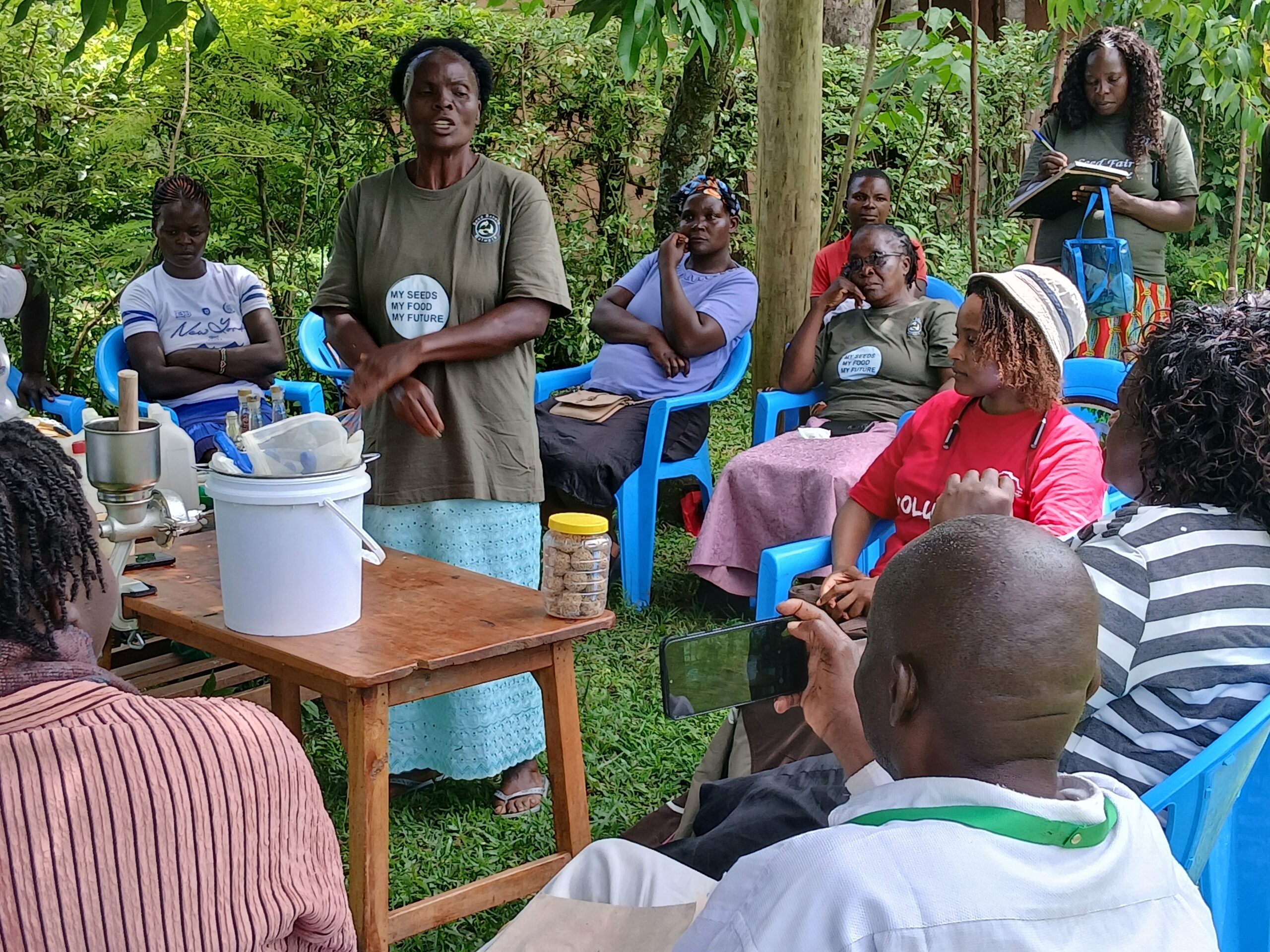
A month earlier, they had learned soap making. At the time, it was just another activity, another skill. But when we followed up, the results told a different story.
Nine women were already selling soap.
Two had added it into their existing businesses, one in a shop, another in a salon.
No one had forced them. No one had funded them.
They simply took the skill and ran with it.
And when the idea of shampoo making was introduced, there was no hesitation this time. Instead, there was action. They agreed to contribute their own money to start.
That shift, from waiting to acting, is where real empowerment lives.
April wasn’t just about businesses.
It was also about knowledge, and who holds it.
In Mungakha, conversations around indigenous seeds reminded everyone that solutions don’t always come from outside. Sometimes, they’ve always been there, just overlooked.
And then there were the quieter moments.
Sitting in community meetings. Listening to youths talk about their daily lives. Attending church services. Walking through villages not to teach, but to understand.
These moments don’t always look like “impact.”
But they are where trust is built.
By the end of the month, the signs of progress were everywhere, but not in the way you might expect.
A finished pigsty.
Two pigs booked.
Women running small businesses.
A young girl starting one.
Ideas turning into action.
The month wasn’t perfect.
There were delays. Doubts. Slow days.
But maybe that’s the point.
Because real change doesn’t happen in perfect conditions.
It happens when people keep showing up, especially when things are uncertain.
And this month, that’s exactly what the community did.