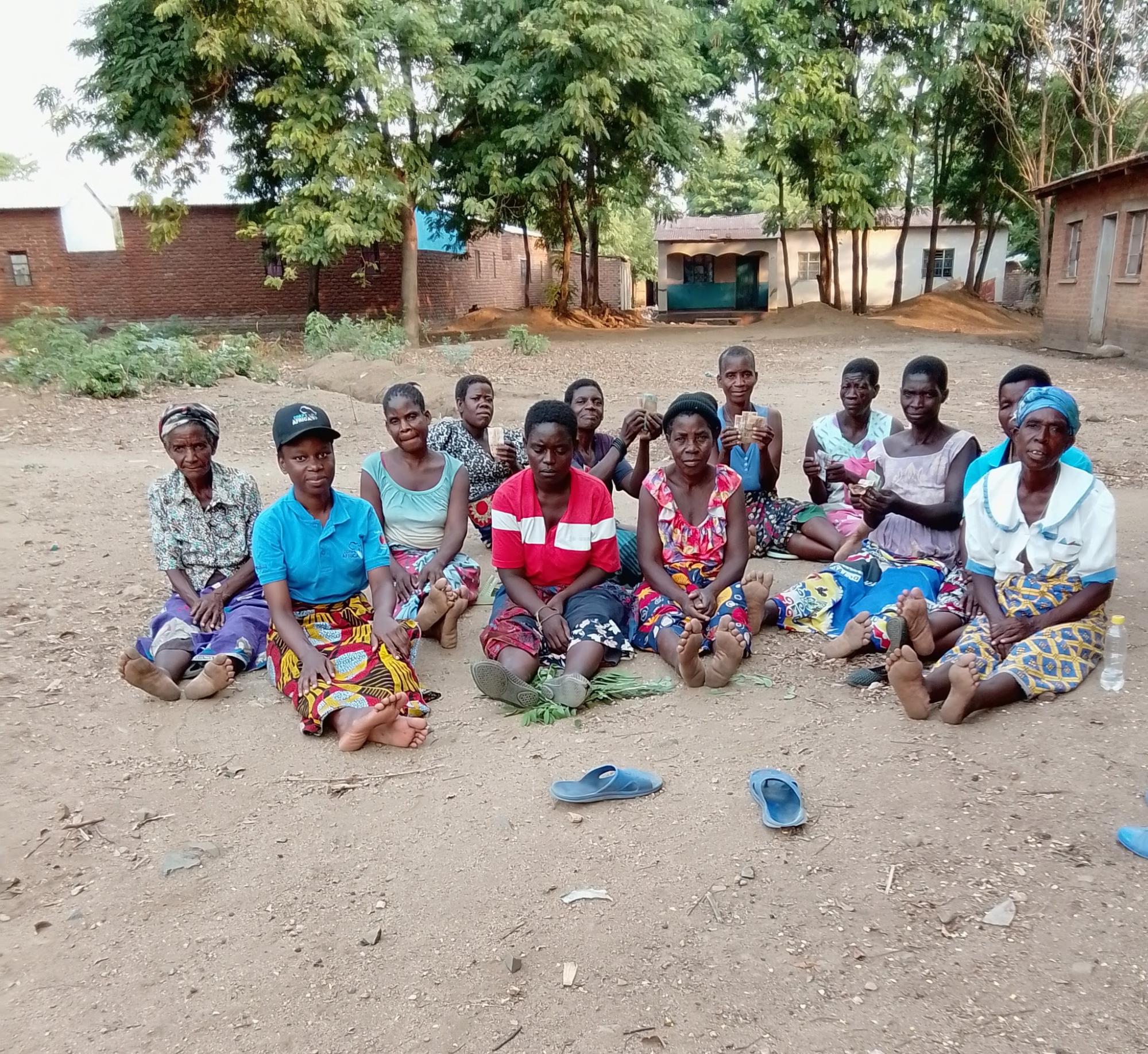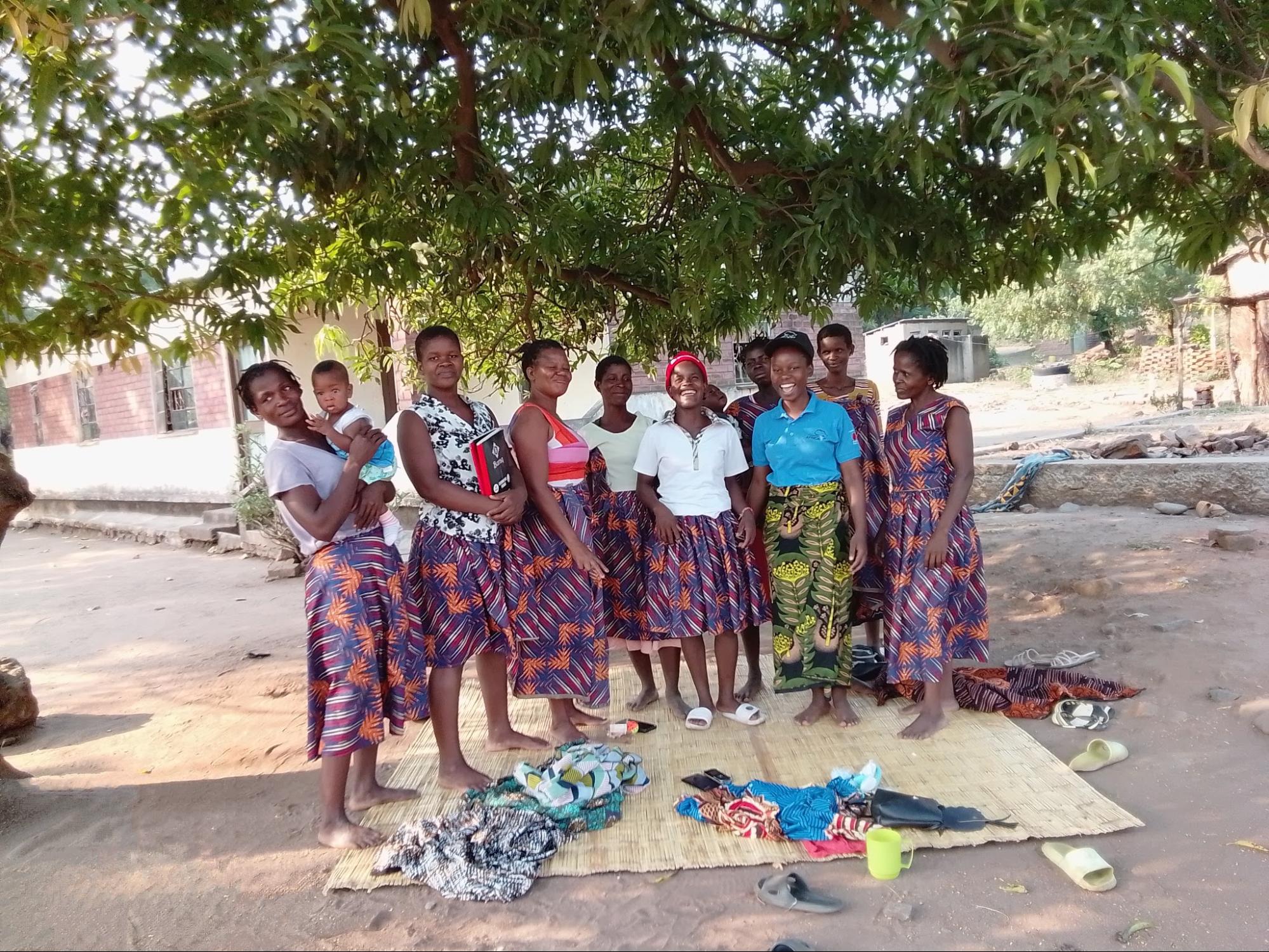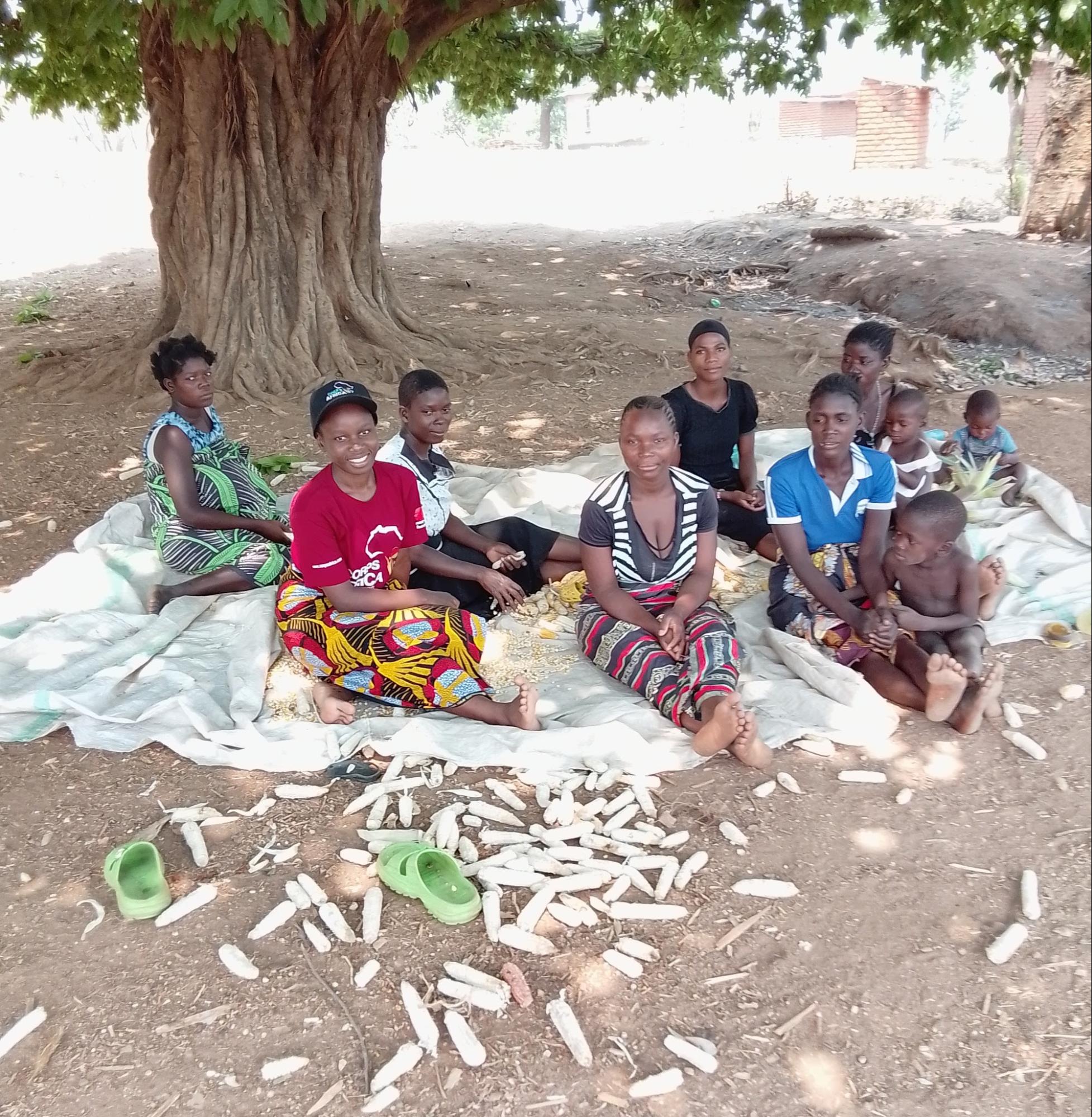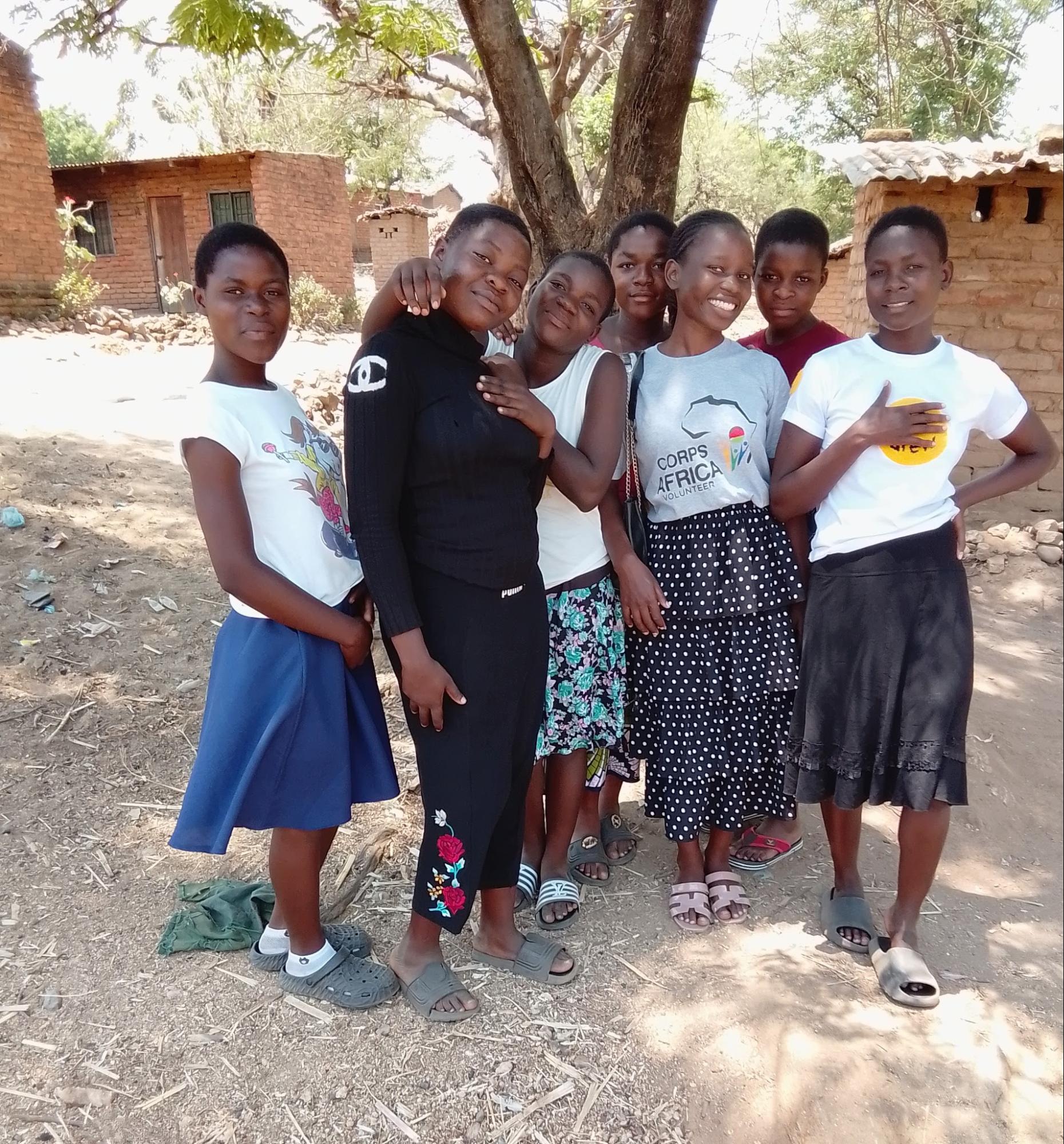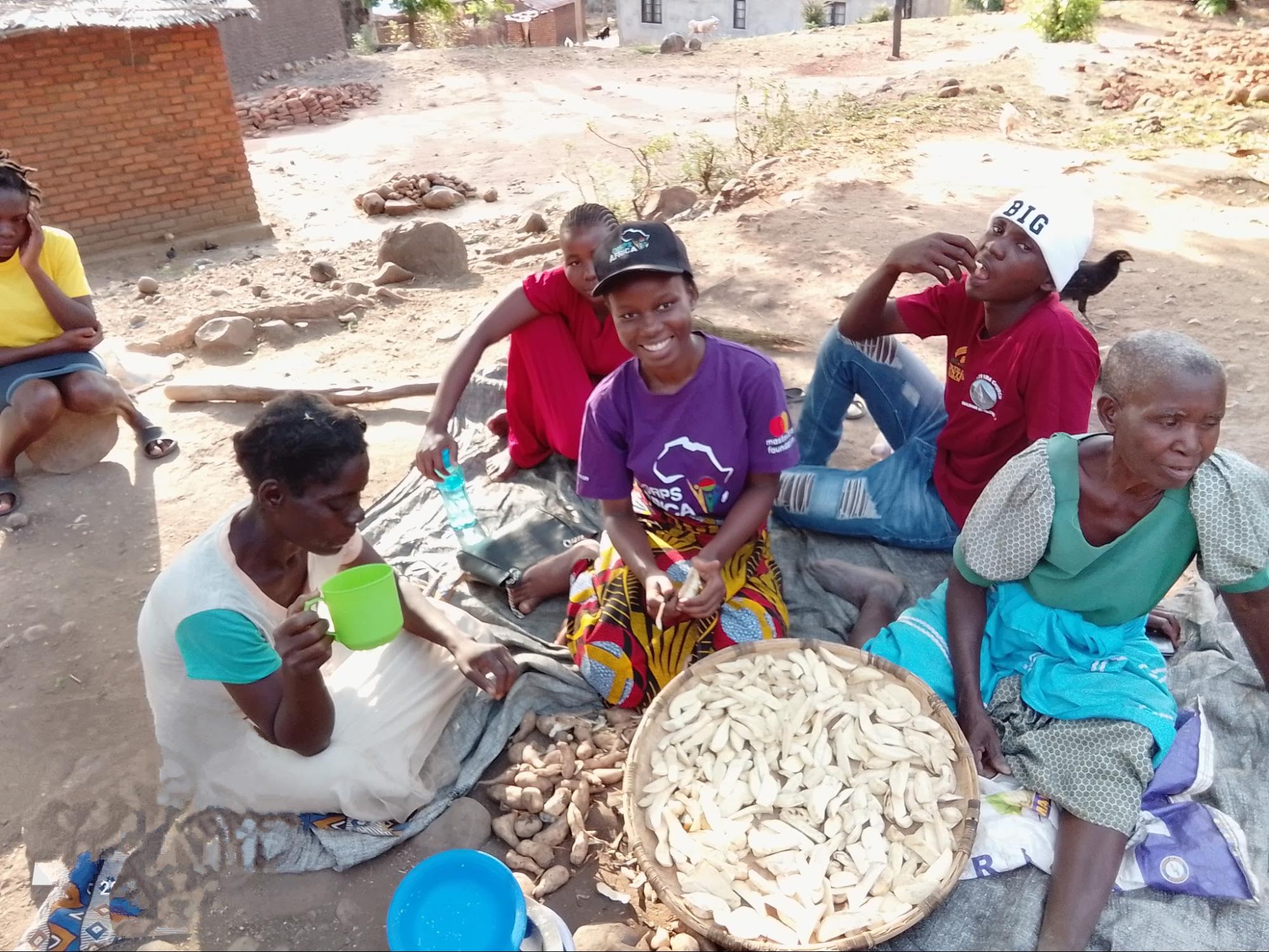
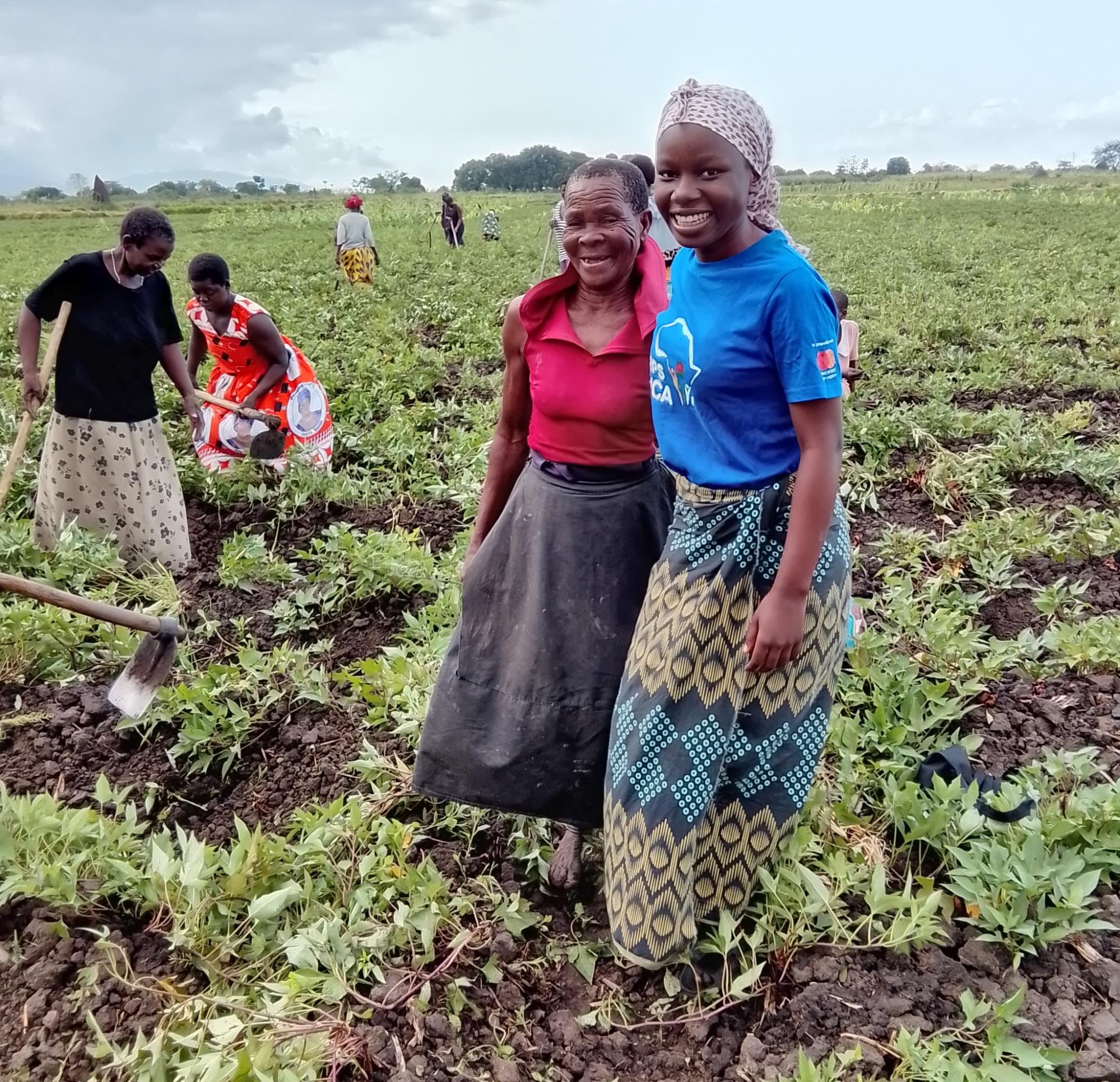
When I first arrived in the Gowo community, I honestly wasn’t sure how things would unfold. I was nervous and unsure how I would fit in. Then I started paying close attention to what daily life looked like. I observed long days shaped by heat, close social ties, and shared struggles that quietly influenced how people related to one another. As I moved around the community, it became clear that progress here would not come from quick actions, but from building understanding and bringing people together around shared concerns.
Rather than stepping in with solutions from the observations, my early focus was on connection. I spent time engaging with children, youths, and women, encouraging conversations that allowed people to speak openly about their realities. Many of the challenges, like teenage pregnancies, sexually transmitted infections, and polygamy, were not hidden, but they were often discussed in silence or addressed individually rather than collectively.
What stood out to me was the potential within the young people. When given space to talk and think together, they showed insight, creativity, and a strong desire to improve their circumstances. My role became less of doing and more of facilitating, creating moments where people could reflect, exchange ideas, and begin imagining practical steps forward as a group.
Women and girls, in particular, shared experiences that highlighted how social expectations and limited opportunities affect their choices. Supporting them meant more than offering help; it meant encouraging participation, confidence, and leadership in community discussions. Even small gatherings became powerful when people realized their voices mattered.
Over time, I learnt that meaningful change often starts quietly. When youths begin to see themselves as contributors rather than recipients, attitudes shift. When women are included in conversations, priorities expand. Bringing people together does not instantly solve problems, but it lays the foundation for shared responsibility and long-term progress.
My experience in my community has reshaped how I think about community work. Leadership does not always mean directing activities; it can mean holding space, asking the right questions, and trusting people to shape their own path forward. Change begins when communities move together, not when they are pushed.
Community transformation starts with inclusion. Let us intentionally create safe spaces where youths and women can gather, speak freely, and take the lead in shaping solutions. By listening first and acting together, we strengthen community ownership and build change that lasts.