CorpsAfrica’s annual “Pitch Day” events continually bring fresh energy and inspiration as Volunteers present the projects they co-create with their communities in front of a live audience (modeled after Shark Tank). Throughout the year, CorpsAfrica hosts presentations where dedicated Volunteers actively secure crucial funding, gain valuable mentorship and exposure, and build confidence in public speaking and advocacy.
Ahiroa has approximately 4,776 residents but lacks a childcare facility for children aged two to five. According to the pitch, some parents have had to withdraw older children from school to care for younger siblings, while young children may accompany parents into agricultural areas, exposing them to insects, reptiles and other risks.
The project will rehabilitate an existing building into a community daycare centre serving 30 children, supported by a community management committee and services focused on early learning, play, meals and safety.
30 young children would gain access to a safer, structured care environment, while parents will be better placed to undertake livelihood activities and older siblings could remain in school. The project anticipates more than 5,000 indirect community beneficiaries and proposes parent contributions and small income-generating activities to help sustain the centre.
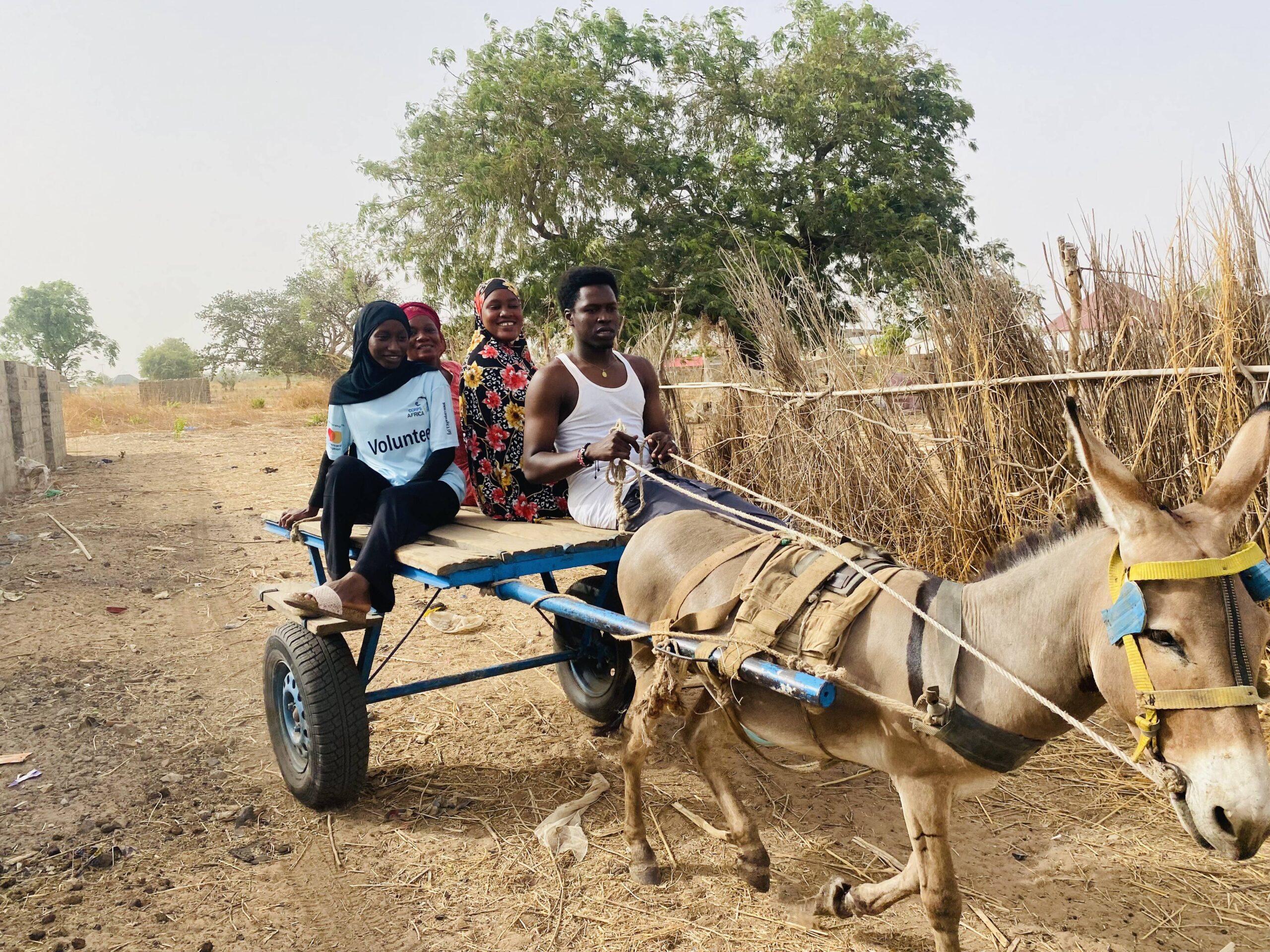
Due to the poor, muddy road conditions, residents lack reliable transportation to move goods and farm produce to markets. The proposed solution is to purchase an “aboboyaa” to serve as a transport service for the community. This will improve market access, increase farmers’ income, and create a job for a local driver.
Ga-Semenya Village, 532 school children walk into classrooms each day but many face daily challenges at home, including limited access to food, learning support, and emotional support.This challenge is not just a social concern; it is a barrier preventing the community’s next generation from reaching their full potential. This is not just a gap! it’s a crisis. And it demands urgent action.
The Bakgatla Cleaning Project aims to establish a community-led manufacturing hub for producing, packaging and distributing essential cleaning products. The project responds to high youth unemployment and limited vocational opportunities in Makapanstad. The project will benefit local youth and residents through technical and safety training. Its expected impact includes certified skills development, job creation, local production of cleaning detergents, economic independence, and stronger community-based enterprise development.
The Kanjibat Beekeeping Project addresses economic instability and agricultural challenges in Kanjibat by launching a sustainable beekeeping initiative that enhances income, supports pollination, and strengthens food security.
The Boba Bella Community-Led Classroom Renovation Project in Kaffa Zone, Chena Woreda, addresses unsafe learning conditions and overcrowding by completing unfinished classrooms. Using Human-Centered Design and Asset-Based Community Development approaches, community members prioritized this need. The project will benefit 250 individuals (132 boys, 106 girls, and 12 teachers) by finishing three classrooms through community contributions of labor, cash, and materials. With a budget of 345,719 ETB (34.9% from the community, 65.1% from CorpsAfrica), the project spans four months and aims to create safe classrooms, enhance student participation, and foster sustainable maintenance. It seeks to establish a replicable model for community-driven educational development in Boba Bella.
Borehole Rehabilitation: Restoring Access to Clean Water in Demba Wandu
The Gambia
The community of Demba Wandu in Sandu District, Upper River Region, with 420 residents across 29 households, is seeking support to rehabilitate a broken hand pump into a functional borehole. This project aims to restore the water point by repairing the pump, securing a reliable water supply, and improving hygiene and health outcomes. The upgraded system will be community-managed to ensure long-term sustainability. With clean water access restored, the village will experience improved health, education, and economic productivity.
Borehole Water Pumping to Tank & Kiosk Distribution
Kenya
Ewamakhumbi Village, Kakamega County
The community faces severe water shortages, forcing women and children to walk long distances daily, affecting education, productivity, and health. The project aims to install a solar-powered water system with a 10,000-liter tank and water kiosk to improve access, hygiene, and support livelihoods.
The Gisanang Mase Enterprise is a community-driven brick-making initiative aimed at reducing youth unemployment in Mase Village. The project will establish a brick-making and salon enterprise that produces affordable bricks for local construction needs while offering affordable salon services. The project will directly benefit 10 unemployed youth and indirectly support local community members. Its expected impact includes job creation, reduced reliance on social grants, increased household income, improved mental wellbeing among youth, entrepreneurship development, and growth of small local businesses.
Burambang Women’s Economic Empowerment: Dugula Multipurpose Center Project
The Gambia
This project aims to expand small-scale cereal-based food production and sales, particularly through dugula production. The community faces limited economic opportunities, especially for women, and the project seeks to turn local food processing into a stronger income-generating activity. The project will directly benefit 20 women and 15 youth by creating employment and improving income generation. It is expected to strengthen women’s economic empowerment, support youth participation, and contribute to local enterprise development in Burambang.
The Buyo Kechema community has successfully renovated their kindergarten classroom, transforming a dusty and uninviting space into a cleaner, safer, and more engaging environment for young learners. The project was carried out in three phases: material procurement, three weeks of renovation, and a community showcase. This initiative has significantly improved learning conditions and includes plans for long-term maintenance to sustain the impact.
Cassava into Gold: Building a Circular Value Chain for Women in Morokro
Côte d'Ivoire
Morokro is a growing community in the Agnéby-Tiassa Region where cassava processing remains largely artisanal. The pitch identifies limited cassava-derived products and insufficient household income as key challenges.
The project will establish a more efficient cassava value chain through the acquisition of a 500 kg/hour electric grinder and a jack press. It targets 70 women and plans to produce a combined 1,000 packages of attiéké, placali, gari and cassava flour each week, alongside approximately 15 bottles of biofertiliser and bio-herbicide products.
Improved processing capacity should increase the volume and diversity of cassava products, reduce reliance on labour-intensive traditional processing and increase incomes for 70 women. The circular model also proposes transforming cassava wastewater into bio-products, producing biogas and marketing cassava peels for livestock feed, reducing waste while creating additional income streams.
The community selected catfish farming using a tarpaulin pond system as a cost-effective and accessible solution. The project will use a solar-powered Recirculating Aquaculture System (RAS) to recycle water, maintain a healthy fish environment, and reduce water use, supported by an aeration system to boost growth and reduce mortality.
The project will create employment for at least 40 community members, with 10 directly involved in fish production and others in processing and marketing. Fish waste will also support vegetable gardening, provide additional income and improve access to protein and vegetables. Overall, the project will enhance livelihoods and reduce seasonal unemployment.
In Kairune and Tutua villages, over 70% of farmers experience total crop failure due to short and inconsistent rainfall, leading to food insecurity and low income, while families rely on casual labour earning KES 200 or less per day. The project introduces 27 Gala goats (26 female) as a resilient income-generating activity, training 80 community members on animal husbandry and market linkages to Kianjai-Meru and Isiolo markets. Benefits include income from offspring sales, access to favorable loans for members, education support for vulnerable students, and 20% of profits allocated as grants for income-generating activities, with sustainability through reinvestment of 30% of profits and a long-term feeding plan.
In Enduru Village, 233 households depend on subsistence farming and casual labour, with 60–70% earning irregular incomes averaging KES 250–350 per day, limiting their ability to meet basic needs. The project establishes community-led commercial pig farming with one pregnant gilt (Large White breed) to produce piglets for sale, using local materials and labour for pigsty construction. Benefits include projected annual profit of KES 445,550, creation of 2 jobs, training for 25 CBO members in pig farming and financial management, improved crop yields through manure use, and sustainability through reinvestment and veterinary support.
Commercial Piggery Farming for Youth Empowerment in Kivomo Village
Rwanda
The Commercial Piggery Farming Project in Kivomo Village aims to create sustainable income for 60 youth by providing piglets, training, and support to boost their monthly income from 15,000 Rwf to 50,000 Rwf within a year. By leveraging local markets, financial literacy training, and partnerships with professional farmers, the project also strengthens leadership skills and reduces rural-to-urban migration. With a financial ask of 5,930,000 Rwf, the initiative expects to empower youth, stimulate small business growth, and enhance the overall community economy.
Commercial Rabbit Farming as a Path to Economic Empowerment
Rwanda
The Ejo Heza Rusasa Commercial Rabbit Farming Project in Huye District aims to create sustainable income for 62 youth by boosting their monthly earnings from 20,000 Rwf to 65,000 Rwf through rabbit farming and related sales. The project also addresses malnutrition by providing high-quality protein to over 45 households and builds youth skills through training, savings initiatives, and strong market partnerships. With a financial ask of 5,600,000 Rwf, the project seeks to drive youth employment, improve nutrition, and strengthen community-led economic development.
This project supports 62 youth in vegetable farming, helping them move toward more productive and sustainable income-generating work. It is designed to strengthen youth participation in agriculture while improving household and community food security. The project is expected to increase monthly income from Rwf20,000 to over Rwf80,000, reduce poverty, and improve livelihoods for young people involved in commercial vegetable production.
Mokasa 1, a rural community in Taung, North West, faces persistent food insecurity and economic challenges due to high unemployment and limited access to basic necessities such as bread. Residents often travel over 10 kilometers to buy bread, which is sometimes expired or unavailable from informal local vendors.
The Transactie Community Beekeeping Project aims to create sustainable income opportunities while promoting environmental conservation. The project will train residents in bee farming, honey harvesting and product marketing, using the community’s natural vegetation and environmental resources. The project targets unemployed youth, women and seniors. Its expected impact includes income generation, reduced unemployment, practical beekeeping and business skills, environmental conservation, and long-term community development.
Akuisi Comprehensive School, with 650 students and staff, faces critical water shortages affecting hygiene, nutrition, and learning. This project will connect the school to a community borehole through pipeline installation and storage, supported by a feasibility study and water management training. It will enhance health, hygiene, and education for the school and over 200 community members.
This project will install three new water basins in the Galoya Foulbé women’s community garden to improve irrigation efficiency. Currently, the lack of nearby water sources makes farming time-consuming and physically demanding. By reducing the time and effort needed for water collection, the project will boost agricultural productivity, support women’s economic empowerment, and directly benefit 110 community members through increased food production and improved livelihoods.
The Community Library project aims to establish a sustainable learning hub for Motsweding Village. The library will provide access to books, learning materials, a safe study space, tutoring, academic support, and assistance for youth applying for jobs and educational opportunities. The project will benefit approximately 3,500 residents, including school children and youth seeking employment or further education. Its expected impact includes improved access to learning resources, better academic performance, stronger reading culture, and increased youth participation in development opportunities.
The Tinjinko Poultry Project is a transformative community initiative addressing food insecurity and youth/women unemployment by introducing poultry farming to empower local residents as a sustainable source of nutrition and income.
The Community Sewing Centre is a skills development and empowerment project designed to equip unemployed youth and women with sewing, tailoring, creative upcycling and entrepreneurship skills. The project will establish a community sewing centre with machines, materials and training resources. The project will directly benefit 10 community members, particularly unemployed youth, adults and low-income households. Its expected impact includes improved entrepreneurial skills, increased self-employment opportunities, sustainable income generation, and stronger economic participation among women and youth.
The Community Soup Kitchen project aims to provide nutritious meals to vulnerable groups, particularly school children and elderly residents. The project will establish and operate a soup kitchen supported by a garden, providing at least five meals per week. The project will benefit approximately 250–300 individuals, mainly school children and elderly people. Its expected impact includes improved access to nutritious food, better health and wellbeing, increased school attendance, improved learner concentration, and greater dignity for vulnerable residents.
The Kpeve Tornu Tilapia Fish Farm is a community-led initiative developed with CorpsAfrica/Ghana to combat food insecurity, youth unemployment, and declining fish stocks caused by overfishing and climate change. With two cages stocked with 20,000 fingerlings and strong community investment, the project harnesses local knowledge and resources to build food and economic resilience.
The Community Tourism Hub project seeks to transform Tinmel’s strong tourism potential into a source of local employment and economic growth. Tinmel receives approximately 15,000 tourists annually and is known for its historical heritage, mountain landscape, rivers, and natural beauty. However, limited infrastructure has prevented the community from fully benefiting from this tourist traffic. The project will expand an existing guesthouse into a four-room facility, renovate the kitchen, establish a youth-led hospitality hub, create a women’s cooperative marketplace, and build partnerships with travel agencies. The expected impact includes tripling revenue, creating eight full-time jobs, and empowering more than 70 women through stronger links to the local tourism economy.
Community-Based Tricycle Transport Services Project
The Gambia
This project aims to improve mobility and livelihood opportunities through the procurement and operation of a community tricycle. Residents currently face limited and unreliable transport options, making it difficult to access weekly Lumo markets, healthcare, and other essential services. The project will directly benefit 308 residents by improving access to markets and social services while creating a local income-generating transport service. It is expected to reduce transport challenges, support trade, and strengthen community mobility.
Construction of a Community Shallow Water Well in Gowa
Ethiopia
The Community Water Well Construction Project in Gowa, East Shoa Zone, addresses the lack of access to clean water for about 500 community members. Recognizing this as a top priority, the community chose to build a shallow well with an Afridev hand pump for its feasibility and sustainability.
The project involves constructing a 20–30 meter well with a concrete platform, supported by community labor, materials, and cash contributions. A Water Management Committee will be trained to manage the well.
Scheduled over 16 weeks, the project includes mobilisation, procurement, excavation, construction, installation, and community training. With a budget of 269,361 ETB, the community contributes 25%, showing strong local ownership.
This initiative aims to improve water access, reduce waterborne diseases, and enhance community management skills. It aspires to be a sustainable, community-owned solution and a model for similar communities.
The Community-Led Shallow Water Well Construction Project aims to improve access to safe drinking water, addressing health and economic challenges, especially for women and children. Using Human-Centered Design and Asset-Based Community Development, community members identified the construction of a shallow well with an Afridev hand pump as the best solution. The project will benefit 300 residents by excavating a well, constructing a platform, installing a hand pump, and training a water committee for sustainable operation. Over a 10-week timeline and a budget of 280,000 ETB, the project expects a 70% increase in access to clean water, a 70% reduction in water-fetching time, and a 50% decrease in waterborne diseases. The initiative promotes a sustainable, community-managed water system and serves as a model for rural WASH development.
In Kamujwa Village, Kamujwa Primary School is the sole educational institution for 275 learners from 7 villages, yet meals are prepared outdoors under unsafe conditions, leading to food contamination and health issues. This results in high rates of stomach complaints and poor academic performance. The project aims to build a modern 15ft x 22ft kitchen and implement farming activities for food security. Expected benefits include improved student health (55-70% within 6 months), enhanced academic performance, a uniform feeding system, increased attendance (20% within 8 months), and better safety for 275 students and 20 staff.
Construction of a Nubian Vault Storage and Packaging Centre
Senegal
The project aims to transform local production potential into a sustainable conservation-based economy by constructing a 101.64 m² Nubian Vault storage and packaging centre. The centre will have four dedicated compartments for milk, non-timber forest products such as jujube and gum, vegetables, and packaging activities
Construction of Four Classroom at Duguna Kercheche Secondary School
Ethiopia
Duguna Kercheche Secondary and Preparatory Schools are addressing overcrowding and student dropout—particularly among girls—by building four new classrooms using local materials and community labor. The project is guided by Human-Centered Design and Community-Led Development principles to ensure sustainability and community ownership.
The Moshate Community Garden is a community-driven initiative aimed at promoting food security, sustainable agriculture, and community empowerment within the Moshate area. By September 2024, the community aspires to establish a fully operational garden that will produce fresh, nutritious vegetables such as tomatoes and spinach.